
Meditation Retreats Available in Japan

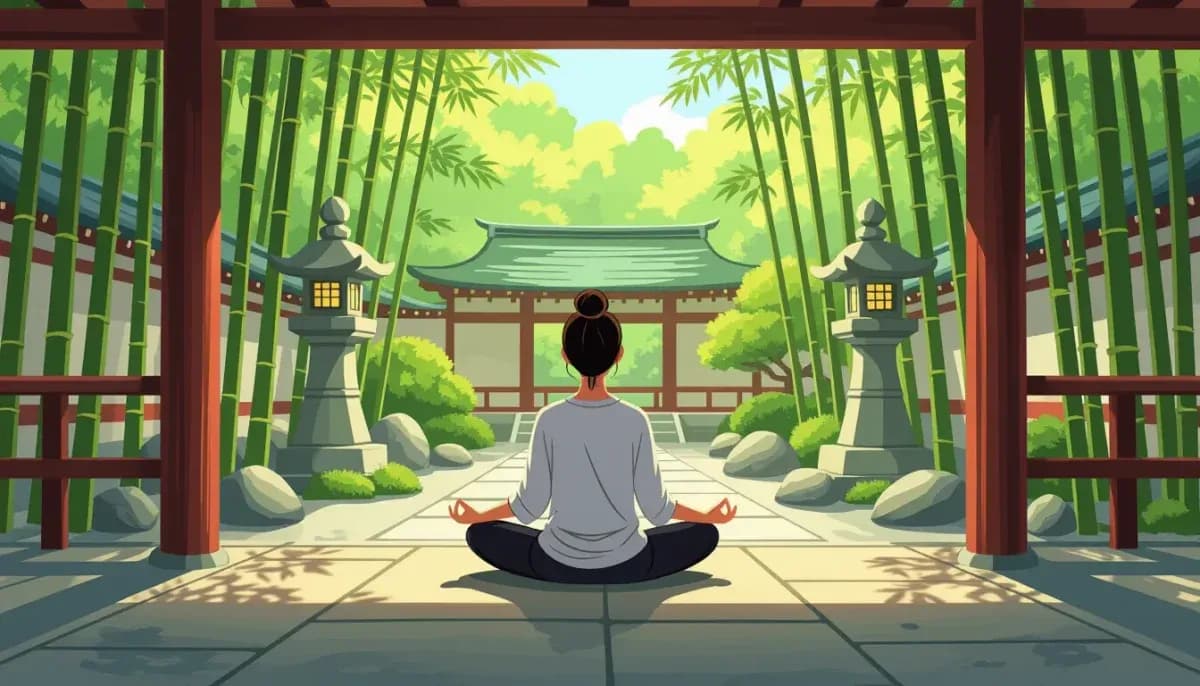
Discover the best meditation retreats in Japan for foreigners — from Zen temple stays at Mount Koya to forest therapy. Costs, booking tips, and top retreat centers covered.
Meditation Retreats Available in Japan: A Complete Guide for Foreigners
Japan offers some of the world's most authentic and transformative meditation retreat experiences, blending centuries of Zen Buddhist tradition with breathtaking natural landscapes. Whether you're a seasoned practitioner or a complete beginner, Japan's meditation retreats provide an unmatched opportunity to slow down, reconnect with yourself, and experience a culture deeply rooted in mindfulness and spiritual practice. This guide covers everything foreigners need to know about finding, booking, and making the most of a meditation retreat in Japan.
Why Japan Is a World-Class Destination for Meditation Retreats
Japan's wellness tourism market was valued at USD 62.3 billion in 2025 and is projected to grow to USD 97.9 billion by 2034 — a clear reflection of global demand for authentic Japanese wellness experiences. But beyond the numbers, Japan's appeal lies in its living spiritual traditions. Zazen (seated Zen meditation), Vipassana, forest bathing (shinrin-yoku), and temple stays (shukubo) offer genuinely immersive experiences that are difficult to find elsewhere.
Japan has more than 50 certified Forest Therapy Bases where guided mindful walking and seated meditation are offered in pristine natural settings. Mount Koya (Koyasan) alone hosts around 50 active temple lodgings, making it the single most popular destination in Japan for spiritual retreats. With English-friendly options expanding every year, foreigners are now better positioned than ever to access these deeply meaningful experiences.
For context on broader wellness and mental health support as a foreigner in Japan, check out the Complete Guide to Mental Health and Wellbeing in Japan.
Types of Meditation Retreats in Japan
Understanding the different types of retreats will help you choose the right experience for your goals and experience level.
Zen Buddhist Retreats (Sesshin / Zazen)
The most iconic form of Japanese meditation retreat is the Zen sesshin — an intensive multi-day period of zazen (seated meditation), kinhin (walking meditation), dharma talks, and communal work. Participants typically wake at 4–5 AM, meditate for long hours, eat simple vegetarian meals in silence, and engage in manual labor as part of practice. These retreats are demanding but deeply rewarding.
Temple Stays (Shukubo)
Temple stays (shukubo) are a more accessible entry point. Guests sleep in temple lodgings, participate in morning services, and may join meditation sessions without committing to a full intensive retreat. Mount Koya is the most famous location, but temple stays are available across Japan. They offer a gentle introduction to monastic life while still providing extraordinary cultural immersion.
Forest Therapy and Mindfulness Retreats
Shinrin-yoku (forest bathing) is a Japanese practice of immersive, mindful time in nature that has been shown to reduce cortisol levels and improve immune function. Japan's certified Forest Therapy Bases combine nature walks with seated meditation, breathwork, and sensory awareness exercises. These retreats are less intensive than Zen sesshin and ideal for those seeking stress relief rather than deep spiritual practice.
Yoga and Wellness Retreats
Western-style yoga retreats have gained significant popularity in Japan, often blending yoga practice with Japanese cultural elements like onsen (hot springs), traditional cuisine, and mindfulness practices. These retreats tend to be shorter (3–7 days) and are widely available in English, making them highly accessible for foreigners.
Vipassana (Silent Retreats)
The international Vipassana organization runs 10-day silent meditation courses in Japan at no cost (donations only). These are among the most intensive options available — participants observe complete silence, meditate up to 10 hours per day, and follow strict codes of conduct. They are open to anyone regardless of religion or background, and sessions are available in English.
Top Meditation Retreat Locations in Japan
| Retreat | Location | Type | Cost (Per Night) | English-Friendly |
|---|---|---|---|---|
| Mount Koya / Eko-in | Wakayama | Temple Stay / Zazen | From ¥11,000 | Yes |
| Shunkoin Temple | Kyoto | Zen / Wellness | ¥6,000–¥8,800 | Yes (LGBTQ+ friendly) |
| Shogan-ji Temple | Oita, Kyushu | Zen / Cultural | From ¥8,500 | Yes |
| Chokai-san International Zendo | Akita | Intensive Zen | From ¥3,000 | Partial |
| Horakuan Temple | Nagano | Zen / Farmhouse | Varies | Yes |
| Shōganji Zen Retreat | Kyushu | Authentic Zen Homestay | From ¥8,500 | Yes |
| Beppu Zen Retreat | Oita | Zen Homestay | On request | Yes |
| Vipassana Japan | Multiple | Silent Retreat | Free (donations) | Yes |
Mount Koya (Koyasan), Wakayama
Mount Koya is the spiritual heart of Shingon Buddhism in Japan and the country's most popular destination for meditation and temple stays. Founded in 816 CE by the monk Kobo Daishi, the mountain is home to 117 temples, 50+ of which offer overnight accommodations. Guests at Eko-in pay from ¥11,000 per night, including shojin ryori (Buddhist vegetarian cuisine), onsen access, and optional zazen sessions. Mount Koya is ideal for beginners and those seeking a culturally rich rather than intensively ascetic experience.
Shunkoin Temple, Kyoto
Shunkoin is a 400-year-old sub-temple in the Myoshinji Temple complex in Kyoto. Its English-speaking monks offer zazen meditation, calligraphy, tea ceremony, and wellness seminars. Accommodations run ¥6,000–¥8,800 per night. Shunkoin is notable for its LGBTQ-affirming environment and its use of mindfulness principles alongside traditional Zen practice, making it one of the most foreigner-friendly and progressive retreat options in Japan.
Shogan-ji Temple, Oita (Kyushu)
This 600-year-old temple in Oita Prefecture accepts small groups (maximum 8 people) for stays of 5–30 nights. Activities include yoga, zazen, calligraphy, monastic cooking, and visits to nearby onsen. Costs start from ¥8,500 per day with meals included. The small group size ensures a genuinely personal and immersive experience.
Chokai-san International Zendo, Akita
One of Japan's most affordable and austere meditation retreat options, Chokai-san International Zendo is run by Zen master Taiko Kyoko and offers complete immersion in traditional monastic life. At just ¥3,000 (~$28) per day including two meals, this is an extraordinary opportunity for serious practitioners. Expect minimal comforts, no internet access, and a rigorous daily schedule of zazen and temple work.
Horakuan Temple, Nagano
This unique retreat is run by Dorothee Eshin Takatsu, a German-born ordained Zen Buddhist priest who converted an 80-year-old traditional farmhouse into a Zen dojo. Open April through December, Horakuan hosts overnight, weekend, and longer retreats for foreigners looking to escape daily life and focus on personal growth. The combination of a bilingual teacher and a cozy farmhouse setting makes this particularly accessible for English speakers.
How to Book a Meditation Retreat in Japan as a Foreigner
Booking a meditation retreat in Japan is straightforward once you know where to look. Here are the main approaches:
Direct booking with temples: Many temples accept reservations directly through their official websites or email. English-language booking is available at most foreigner-friendly temples. The Shōganji Zen Retreat, for example, can be contacted at ShoganjiZenRetreat@gmail.com.
Booking platforms: Sites like BookRetreats.com aggregate hundreds of Japan-based retreat options and allow you to filter by type, duration, price, and location. This is the easiest way to compare options and read reviews.
Travel agencies specializing in wellness: Companies like Tranquwell and Walk Japan offer curated, guided wellness retreats that handle all logistics — ideal for first-timers who want a structured experience.
Vipassana Japan: Register through the official Vipassana website. Courses are held throughout the year at centers in Tokyo, Kyoto, and other regions. Registration opens several months in advance and fills up quickly.
For those navigating Japan's broader cultural landscape while planning a retreat, the Guide to Japanese Culture and Etiquette provides helpful background on temple customs and respectful behavior.
What to Expect During a Retreat: Practical Tips
Language: Most foreigner-friendly retreats offer English instruction or at least English-language printed materials. That said, immersive silent retreats at traditional temples may conduct sessions in Japanese. Confirm language support before booking.
What to pack: Comfortable, loose-fitting dark-colored clothing is standard at Zen retreats. Many temples provide robes. Avoid strong fragrances, and leave expensive jewelry at home.
Diet: Temple retreats typically serve shojin ryori — a traditional Japanese Buddhist vegetarian cuisine free of meat, fish, onion, and garlic. Let organizers know in advance if you have food allergies.
Physical readiness: Extended zazen can be physically demanding, especially for those unaccustomed to sitting cross-legged for long periods. Cushions (zafu) and benches are usually provided. Gentle stretching beforehand is recommended.
Digital detox: Many retreats request or require participants to surrender their phones for the duration. Embrace this as part of the experience — it is often cited as one of the most transformative aspects of the retreat.
Cost and budget: Retreat costs range from free (Vipassana donations) to ¥20,000+ per night at premium wellness facilities. Budget travelers can have a genuine and meaningful experience for ¥3,000–¥8,500 per day at temple-based options. For guidance on managing costs while living in Japan, see the Cost of Living Guide for Japan.
Meditation Retreats for Residents vs. Tourists
As a foreigner residing in Japan, you have significant advantages when it comes to accessing meditation retreats. You can visit retreat centers outside of peak tourist seasons, join ongoing weekly zazen groups (many temples offer free or low-cost sessions open to the public), and participate in multi-month programs that require long-term commitment.
Many resident foreigners in Japan find that incorporating regular meditation practice — even without a formal retreat — significantly improves their adjustment to life in Japan. Managing culture shock, workplace stress, and language barriers becomes easier with a consistent mindfulness practice. Resources for fitness and physical wellness that complement meditation can be found in the Complete Guide to Fitness and Sports in Japan.
For those interested in connecting with like-minded expats or spiritual communities, exploring Japan's religious and cultural organizations is a natural next step alongside retreat participation. The Making Friends and Social Life Guide offers practical advice for building community in Japan.
External Resources for Planning Your Retreat
For comprehensive English-language information about spiritual retreats in Japan, Japan Experience's Spiritual Retreats Guide is an excellent starting point with detailed descriptions of major retreat centers across the country.
For expats looking at wellness resources and mental health support in Japan, Living in Nihon offers guidance specifically tailored for foreign residents navigating Japanese healthcare and wellness systems.
For those combining a job change or relocation with a wellness reset, For Work in Japan provides resources on working life in Japan that can help with planning a retreat around your employment schedule.
Additionally, Ittenshoku is a useful resource for foreigners navigating career and lifestyle transitions in Japan, including finding time for personal growth and wellness practices.
Final Thoughts: Is a Meditation Retreat in Japan Worth It?
Absolutely. Japan's meditation retreats are among the most authentic spiritual experiences available anywhere in the world. Unlike commercialized wellness tourism in many other countries, Japan's retreat culture is deeply rooted in living traditions that have been maintained for centuries. From the rigorous discipline of Zen sesshin to the gentle immersion of a Koyasan temple stay, there is an option for every level of commitment and interest.
As Japan's wellness tourism sector continues to expand, more retreat centers are actively welcoming foreign participants, investing in English-language programs, and creating foreigner-friendly infrastructures. The timing has never been better to make meditation in Japan part of your life as an expat or visitor.
Book early, come with an open mind, and prepare to be changed.

Originally from Vietnam, living in Japan for 16+ years. Graduated from Nagoya University, with 11 years of professional experience at Japanese and international companies. Sharing information about living in Japan for foreigners.
View Profile →Related Articles

Spiritual and Religious Festivals in Japan Guide
Discover Japan's spiritual and religious festivals — from Gion Matsuri to Obon. A complete guide for foreigners on Shinto and Buddhist celebrations, etiquette, and participation tips.
Read more →
Famous Pilgrimage Routes in Japan Guide
Discover Japan's most famous pilgrimage routes including Kumano Kodo, Shikoku Henro, and Dewa Sanzan. A complete guide for foreigners with practical tips, distances, costs, and cultural advice.
Read more →
Jewish Community and Synagogues in Japan
Complete guide to the Jewish community and synagogues in Japan. Find synagogues in Tokyo, Kobe, and Kyoto, kosher food resources, Chabad locations, and tips for Jewish expats and travelers living in Japan.
Read more →
Hindu Temples and Indian Community in Japan
Discover Hindu temples, Little India in Nishi-Kasai, Indian schools, festivals like Diwali, and community resources for Indian expats living in Japan.
Read more →
Religious Freedom and Practice in Japan for Foreigners
Complete guide to religious freedom in Japan for expats. Covers legal rights, Muslim, Christian, Hindu, Jewish communities, halal food, mosques, churches, and workplace accommodation tips.
Read more →
Japanese Funeral and Memorial Customs Explained
A complete guide to Japanese funeral and memorial customs for foreigners. Learn about the wake (otsuya), funeral ceremony, koden etiquette, dress code, cremation, kotsuage, and ongoing memorial services including Obon.
Read more →