
Finding Christian Churches in Japan for Foreign Worshippers

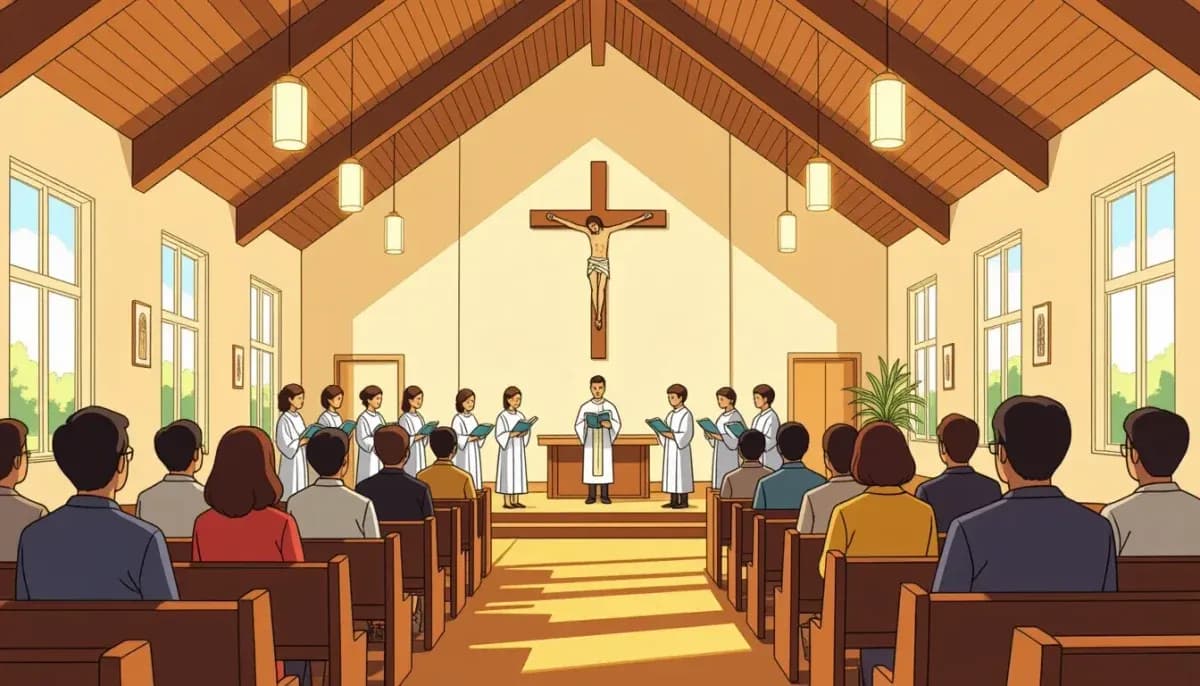
A comprehensive guide to finding Christian churches in Japan for foreigners and expats. Discover English-speaking churches in Tokyo, Osaka, Yokohama, Fukuoka, and Nagasaki with services for all denominations.
Finding Christian Churches in Japan for Foreign Worshippers
Japan is one of the world's least Christian nations, with Christianity accounting for less than 2% of the population. Yet for the hundreds of thousands of foreign residents and expats who call Japan home, finding a Christian church that offers English-language services can make a huge difference in settling into a new country. Whether you're Catholic, Protestant, evangelical, or non-denominational, Japan — especially Tokyo — has a surprisingly robust network of international churches ready to welcome you.
This guide covers everything you need to know about finding Christian churches in Japan as a foreigner, including major English-speaking congregations, regional options outside Tokyo, how to use online resources to locate services near you, and etiquette tips for attending a Japanese church.
!Christian church in Japan with diverse international congregation attending English worship service
Christianity in Japan: Understanding the Landscape
Before diving into specific churches, it helps to understand Christianity's unique position in Japanese society. Christians make up a very small fraction of Japan's 125 million people — estimates range from 300,000 to 1.87 million, depending on the methodology. What's certain is that Christianity has a disproportionate cultural influence: approximately 60–70% of Japanese weddings are conducted in Christian-style ceremonies, even among non-believers.
Geographically, Christian communities are concentrated in two main areas:
- Tokyo and Kanagawa Prefecture — home to roughly 60% of Japan's Christian population
- Nagasaki Prefecture — historically the center of Japanese Christianity, with a concentration of about 5.1% due to the famous kakure kirishitan (hidden Christians) communities that survived centuries of persecution
For foreign worshippers, the good news is that the cities with the largest expat populations — Tokyo, Osaka, Yokohama, Nagoya, and Fukuoka — also tend to have the best-developed international church communities.
English-Speaking Churches in Tokyo
Tokyo has by far the largest selection of English-language and bilingual churches in Japan. Here are the most well-known options for foreign worshippers:
Tokyo Union Church (Omotesando)
Tokyo Union Church (TUC) is one of the oldest and most established international churches in Japan. Located in the upscale Omotesando neighborhood, it is interdenominational and welcomes people from all Christian backgrounds and nationalities. TUC has long been a spiritual home for expats, diplomats, and international students.
Website: tokyounion.org
Lifehouse International Church
With 11 campuses across Japan, Lifehouse International Church is one of the largest English-speaking church networks in the country. It is non-denominational with a contemporary worship style and bilingual services that appeal strongly to young professionals, students, and new arrivals. Their Tokyo campuses are located in Tamachi and Tachikawa.
Website: mylifehouse.com/tokyo
ICA Tokyo (International Christian Assembly)
Located in Bunkyo, ICA Tokyo is a non-denominational church with Pentecostal roots. It has a multicultural English-speaking congregation and offers Spirit-led worship alongside extensive community outreach, youth programs, and small group ministries.
Tokyo Baptist Church (Daikanyama)
Tokyo Baptist Church, affiliated with the Southern Baptist Convention, is located in the trendy Daikanyama area. With a congregation representing more than 50 nations, it offers strong Bible teaching, dynamic worship, and ministries for all age groups.
Website: tokyobaptist.org
Franciscan Chapel Center (Roppongi)
For Catholic worshippers, the Franciscan Chapel Center in Roppongi is a longtime hub for English-speaking Catholics in Tokyo. It offers a warm, inclusive environment and regular English Masses, making it a natural gathering point for the city's international Catholic community.
St. Mary's Cathedral (Sekiguchi, Bunkyo)
St. Mary's Cathedral is a stunning architectural landmark designed by renowned Japanese architect Kenzo Tange. As Tokyo's main Catholic cathedral, it offers multilingual masses and is particularly popular for special liturgical celebrations such as Christmas and Easter.
| Church | Location | Denomination | Language |
|---|---|---|---|
| Tokyo Union Church | Omotesando | Interdenominational | English |
| Lifehouse International | Tamachi / Tachikawa | Non-denominational | English/Bilingual |
| ICA Tokyo | Bunkyo | Non-denominational (Pentecostal) | English |
| Tokyo Baptist Church | Daikanyama | Southern Baptist | English |
| Franciscan Chapel Center | Roppongi | Roman Catholic | English |
| St. Mary's Cathedral | Sekiguchi, Bunkyo | Roman Catholic | Multi-language |
International Churches in Other Major Cities
Tokyo isn't the only option. Many other Japanese cities have established English-speaking or bilingual congregations.
Yokohama Union Church
Founded in 1863, Yokohama Union Church holds the distinction of being Japan's first English-speaking Protestant church. Located in Naka Ward, it continues to serve an international congregation with regular English-language services. Its long history makes it a fascinating choice for those interested in Japan's Christian heritage.
Fukuoka International Church
Located in Chuo Ward, Fukuoka International Church hosts a remarkably diverse congregation from more than 30 countries, conducting bilingual services in both English and Japanese. It is particularly known for its vibrant community celebrations at Christmas and Easter.
Kobe and Osaka
The Kansai region has a number of international churches, including Kobe Union Church and several evangelical fellowships in Osaka. As major expat hubs, these cities generally have multiple English-service options available on Sunday.
Nagasaki's Historic Churches
Nagasaki is unique in Japan for its deep Catholic heritage. The Nishizaka Church (Church of St. Philip) — built near the site where 26 martyrs were executed in 1597 — offers English Mass on Sunday afternoons. Urakami Cathedral, rebuilt after the 1945 atomic bombing, is another significant site with active services.
!Nagasaki church with historical architecture reflecting Japan's hidden Christian heritage
How to Find a Church Near You
Finding a church in a specific city or neighborhood doesn't have to be difficult. Here are the best resources:
1. Japan Evangelical Missionary Association (JEMA) JEMA's website is one of the most comprehensive directories of Protestant churches in Japan. It includes churches by denomination, prefecture, and language of service. This is especially useful if you're looking for a specific denomination outside of Tokyo. Visit jema.org to search their directory.
2. Say Yes to Japan The Say Yes to Japan Christian Organizations page lists missionary organizations and church networks active in Japan, making it a useful starting point for connecting with fellowships across the country.
3. GaijinPot Blog The GaijinPot blog covers popular churches across Japan and is regularly updated with English-language information relevant to expats.
4. Tokyo Weekender's Church Guide Tokyo Weekender maintains an updated guide to English-speaking churches in Tokyo, with descriptions of each congregation's style and focus.
5. Facebook Groups Many international churches maintain active Facebook groups and pages. Searching "[City name] international church" or "[City name] English church" on Facebook often turns up local fellowships, prayer groups, and Bible study communities.
For general guidance on adapting to life in Japan, Living in Nihon provides comprehensive resources for foreigners navigating everything from housing to culture. If you're still in the process of finding work before relocating, For Work in Japan is a helpful resource for job opportunities for English speakers.
Denominational Options: What's Available in Japan
Japan's Christian community spans a wide range of denominations, though some are more represented than others among the international community.
| Denomination | Presence in Japan | English Services Available |
|---|---|---|
| Roman Catholic | Strong (nationwide, especially Nagasaki) | Yes, in major cities |
| Southern Baptist | Moderate (Tokyo, Osaka, Nagoya) | Yes |
| Non-denominational / Evangelical | Strong in expat areas | Yes |
| Anglican / Episcopal | Moderate | Limited |
| Lutheran | Limited | Rare outside Tokyo |
| Seventh-day Adventist | Limited | Some bilingual services |
| Mormon / LDS | Moderate | Yes, bilingual |
If you belong to a specific denomination, your church's global network can often help you identify a congregation in Japan before you arrive. The United Methodist Church, Southern Baptist Convention, and Catholic Church all maintain global directories that include Japanese congregations.
Church Etiquette in Japan
Whether attending a Japanese-language service or an international congregation, it's worth keeping some basic etiquette in mind:
- Dress modestly — Smart casual to formal is appropriate. Avoid overly revealing clothing.
- Silence your phone before entering the sanctuary.
- Remove hats when indoors during worship.
- Photography is generally not permitted inside during services unless the church explicitly says otherwise.
- Arrive on time — Japanese culture values punctuality, and most services start exactly on schedule.
- Participation — You are generally welcome to join in prayers and hymns even as a first-time visitor. Most English-service churches are very welcoming to newcomers.
- Offering — Giving is voluntary and completely optional for visitors.
For broader cultural context on social customs in Japan, check out our guide to Japanese Culture and Etiquette for Foreigners.
Building Community Through Church
For many foreign residents, church is not just about worship — it's one of the fastest ways to build a support network in a new country. International congregations often organize social events, language exchange programs, newcomer orientations, and practical support for those transitioning to life in Japan. Several churches also provide assistance connecting members with housing resources, Japanese language classes, and employment support.
If you're new to Japan and looking to meet people, attending an international church is one of the most welcoming and low-pressure social environments available. Congregations like Tokyo Union Church, Lifehouse, and Fukuoka International Church are particularly well-known for actively reaching out to new arrivals.
For more on building your social life in Japan, see our guide on Making Friends and Social Life in Japan. And if you're still settling the practicalities of your move, our Moving to Japan Guide has everything you need to get started.
Additional resources for spiritual support and international community can also be found through Ittenshoku, which provides guidance for foreigners adapting to life in Japan.
Conclusion
Finding a Christian church in Japan as a foreigner is very much achievable, particularly if you're living in or near a major city. Tokyo alone has dozens of English-speaking congregations representing virtually every denomination, and cities like Yokohama, Osaka, Fukuoka, and Nagasaki have strong international church communities as well.
The key is to use the available online directories (JEMA, Say Yes to Japan, GaijinPot), search local Facebook groups, and don't hesitate to visit a few different congregations before settling on one. Most international churches in Japan are extremely welcoming to newcomers and specifically designed to support the foreign community.
Whatever your denomination or worship style, Japan's international church community is ready to welcome you home.

Originally from Vietnam, living in Japan for 16+ years. Graduated from Nagoya University, with 11 years of professional experience at Japanese and international companies. Sharing information about living in Japan for foreigners.
View Profile →Related Articles
Spiritual and Religious Festivals in Japan Guide
Discover Japan's spiritual and religious festivals — from Gion Matsuri to Obon. A complete guide for foreigners on Shinto and Buddhist celebrations, etiquette, and participation tips.
Read more →
Famous Pilgrimage Routes in Japan Guide
Discover Japan's most famous pilgrimage routes including Kumano Kodo, Shikoku Henro, and Dewa Sanzan. A complete guide for foreigners with practical tips, distances, costs, and cultural advice.
Read more →
Jewish Community and Synagogues in Japan
Complete guide to the Jewish community and synagogues in Japan. Find synagogues in Tokyo, Kobe, and Kyoto, kosher food resources, Chabad locations, and tips for Jewish expats and travelers living in Japan.
Read more →
Hindu Temples and Indian Community in Japan
Discover Hindu temples, Little India in Nishi-Kasai, Indian schools, festivals like Diwali, and community resources for Indian expats living in Japan.
Read more →
Religious Freedom and Practice in Japan for Foreigners
Complete guide to religious freedom in Japan for expats. Covers legal rights, Muslim, Christian, Hindu, Jewish communities, halal food, mosques, churches, and workplace accommodation tips.
Read more →
Japanese Funeral and Memorial Customs Explained
A complete guide to Japanese funeral and memorial customs for foreigners. Learn about the wake (otsuya), funeral ceremony, koden etiquette, dress code, cremation, kotsuage, and ongoing memorial services including Obon.
Read more →