
Visiting Shinto Shrines in Japan Etiquette Guide


Learn the complete etiquette for visiting Shinto shrines in Japan: torii gate rules, purification rituals, prayer steps, dress code, photography rules, and more. A must-read guide for foreigners.
Visiting Shinto Shrines in Japan: The Complete Etiquette Guide for Foreigners
Japan is home to over 80,000 registered Shinto shrines — and possibly as many as 150,000 in total — scattered across the country from quiet forest clearings to busy city neighborhoods. Whether you're visiting the iconic floating torii of Itsukushima on Miyajima Island or ducking into a humble neighborhood shrine on your morning walk, knowing the proper etiquette will help you experience these sacred spaces with respect and authenticity.
This guide covers everything foreigners need to know before, during, and after a shrine visit: the purification ritual, prayer steps, dress code, photography rules, and what all those omamori and ema boards are about.
!Shinto shrine torii gate with visitors approaching respectfully
What Is a Shinto Shrine?
A Shinto shrine (神社, jinja) is a sacred space dedicated to kami — the spirits or gods of Shinto, Japan's indigenous religion. Unlike Buddhist temples (which have different rules and architecture), Shinto shrines are characterized by their distinctive torii gates, gravel pathways called sandō, stone lanterns, and often a main hall (honden) where the kami is enshrined.
Shinto is deeply intertwined with Japanese culture and daily life. Even many Japanese who don't consider themselves actively religious visit shrines for hatsumode (New Year's visits), shichi-go-san children's ceremonies, and seasonal festivals (matsuri). As a foreigner, visiting a shrine is not only acceptable — it's encouraged as a way to connect with Japan's spiritual heritage.
For a broader understanding of Japanese culture and customs, see our guide to Japanese culture and etiquette for foreigners. And if you want to explore seasonal shrine events and festivals, check out the Complete Guide to Japanese Festivals and Traditions.
Step 1: Approaching the Shrine and Passing Through the Torii
The torii gate marks the transition from the ordinary world into sacred ground. Follow these steps as you approach:
- Bow once before passing through the torii to show respect to the kami
- Walk to the side of the path — the center of the sandō (approach path) is reserved for the kami to travel and should not be walked through
- If there are multiple torii gates, bow at each one
This is one of the most commonly overlooked rules among first-time visitors. Staying to the left or right of center isn't just tradition — it's a genuine sign of respect for the shrine's spiritual residents.
Step 2: Purification at the Temizuya (水手舎)
Before approaching the main hall, you must purify yourself at the temizuya or chōzuya — the stone basin filled with fresh water near the entrance. Here's the correct procedure:
- Take a ladle (hishaku) with your right hand and scoop up clean water
- Pour water over your left hand to rinse it
- Switch the ladle to your left hand and rinse your right hand
- Switch back to your right hand, pour water into your cupped left palm
- Use the water in your palm to rinse your mouth (do not drink directly from the ladle), then spit it beside the basin
- Tilt the ladle upright so remaining water runs down the handle to clean it, then place it back
Key rules: Never put the ladle directly to your lips. Never spit water back into the basin. Bring a small handkerchief to dry your hands — paper towels are rarely provided.
During COVID-19, many temizuya were drained or modified. Some shrines now use flowing water only; always check before assuming the ritual can be performed.
Step 3: Making an Offering and Praying at the Main Hall
Once purified, approach the haiden (worship hall) or honden (main hall). The prayer ritual at Shinto shrines follows a specific sequence:
The 2-2-1 ritual (二礼二拍手一礼, *ni-rei ni-hakushu ichi-rei*):
- Toss a coin into the saisen-bako (offering box) — any denomination works; 5-yen coins (go-en) are considered lucky because go-en also means "good connection"
- Ring the bell or shake the suzu (rope with bells) if one is available — this is believed to alert the kami to your presence
- Bow deeply twice (approximately 90 degrees)
- Clap your hands twice — bring them together with your right hand slightly lower than the left
- Pray silently with your hands pressed together
- Bow once more to conclude
Important: Do NOT clap at Buddhist temples — clapping is unique to Shinto shrines. Mixing up the two is a common and understandable mistake, but worth remembering.
!Visitor performing the offering ritual at a shrine haiden
Shrine Etiquette: Complete Dos and Don'ts
| Category | Do | Don't |
|---|---|---|
| Torii Gate | Bow before passing; walk to the side | Walk through the center of the gate |
| Purification | Follow the correct hand/mouth sequence | Drink directly from the ladle or swallow |
| Offering | Toss a coin gently; any denomination is fine | Skip the offering if you want to pray |
| Prayer | Follow 2-bow, 2-clap, 1-bow ritual | Clap at Buddhist temples |
| Photography | Take photos in the grounds and of architecture | Photograph inside the main hall or during ceremonies |
| Dress Code | Smart casual; modest clothing | Very revealing outfits or beachwear |
| Noise Level | Speak quietly and walk calmly | Shout, run, or be disruptive |
| Timing | Visit anytime the shrine is open | Visit when you are ill, injured, or in mourning |
Understanding Shrine Items: Omamori, Ema, and Omikuji
Shinto shrines offer a variety of sacred items at the shamusho (shrine office). Here's what each one is:
Omamori (お守り) — Protective Charms
Small fabric pouches containing sacred paper prayers. Each omamori is designed for a specific purpose: traffic safety, academic success, health, love, or business prosperity. They make excellent souvenirs and gifts. Replace them annually by returning them to a shrine for ritual burning at the new year.
Ema (絵馬) — Wishing Plaques
Wooden plaques with a horse image on one side (ema means "picture horse"). Write your wish on the blank side and hang it on the designated rack at the shrine. The kami will receive your wishes — the plaques are eventually ceremonially burned.
Omikuji (おみくじ) — Fortune Papers
Random fortune slips drawn from boxes or dispensing machines. They range from dai-kichi (great luck) to kyo (bad luck). If you draw a bad fortune, it's traditional to fold it and tie it to a pine tree or the shrine's designated fortune-tying rack — this symbolically "leaves your bad luck at the shrine." If you receive good fortune, you may keep it.
For more on seasonal events where these traditions come alive, see our guide to Japanese festivals and traditions.
Dress Code and What to Wear
Unlike some religious sites in other countries, Shinto shrines do not require specific attire. However, smart casual or modest clothing is strongly recommended:
- Acceptable: Casual clothes, jeans, dresses, T-shirts in good condition
- Best avoided: Very revealing outfits (short shorts, bare midriffs), beachwear
- For special ceremonies: Some shrines recommend formal or semi-formal attire for weddings, shichi-go-san, and other rites
The Japanese value modesty in public spaces, especially sacred ones. Dressing respectfully shows cultural awareness and will be appreciated by shrine staff and other visitors.
Famous Shinto Shrines Worth Visiting
Japan's shrine landscape ranges from neighborhood hokora (tiny roadside shrines) to grand national treasures. Here are some of the most significant:
| Shrine | Location | Notable Feature |
|---|---|---|
| Meiji Jingu | Tokyo (Harajuku) | Forested 70-hectare grounds in the city center |
| Fushimi Inari Taisha | Kyoto | Thousands of vermillion torii gates up Mount Inari |
| Itsukushima Shrine | Miyajima Island | UNESCO World Heritage floating torii gate |
| Izumo Taisha | Shimane | One of Japan's oldest and most sacred shrines |
| Nikko Toshogu | Tochigi | Lavishly decorated; enshrines Tokugawa Ieyasu |
| Ise Jingu | Mie Prefecture | Japan's most sacred shrine complex; rebuilt every 20 years |
| Sumiyoshi Taisha | Osaka | Ancient shrine to sea gods; distinctive architecture |
Each of these shrines has slightly different customs and rules posted on-site. Always read posted signage and follow the guidance of shrine priests (kannagi or miko).
Shrine vs. Temple: How to Tell the Difference
Many visitors confuse Shinto shrines with Buddhist temples. Here's a quick comparison:
| Feature | Shinto Shrine (神社) | Buddhist Temple (寺) |
|---|---|---|
| Entrance marker | Torii gate | Sanmon (large wooden gate) or Niomon (guardian gate) |
| Prayer ritual | 2 bows, 2 claps, 1 bow | Silent prayer, no clapping |
| Incense | Rarely used | Incense burning (senkō) is common |
| Statues | Kami symbols; often foxes (inari), horses | Buddha statues, Bodhisattvas |
| Name ending | -jinja, -jingu, -taisha, -sha | -ji, -dera, -in |
| Priests | Kannagi/Shinto priests (white robes) | Buddhist monks (dark robes) |
The most important behavioral difference: clap at shrines, not at temples. At Buddhist temples, press your hands together and bow without clapping.
Tips for Visiting Shrines as a Foreigner
Here are some practical tips from expats and long-term residents of Japan:
- Visit early in the morning — shrines are quieter, more atmospheric, and less crowded before 9am
- Check opening hours — most shrine grounds are open 24/7, but the inner halls, charm offices, and omikuji areas typically operate 9am–5pm
- Carry coins — credit cards are not accepted for offerings or purchases at most shrine shops
- Respect ongoing ceremonies — if a ceremony or matsuri is in progress, observe quietly from a distance and avoid walking through the ritual space
- Don't touch sacred objects — shimenawa ropes, sacred stones, and goshintai (sacred objects) should not be touched
- Dogs are sometimes allowed — many shrine grounds permit well-behaved, leashed dogs in the outer grounds, but not near the main hall
- Photography is okay outdoors — but always check for "no photography" signs near the main hall or during rituals
For more guidance on navigating daily life and cultural expectations in Japan, our daily life guide for foreigners in Japan is an excellent companion resource.
Planning Your Shrine Visit
Ready to experience Japan's spiritual heritage firsthand? Here are some additional resources to help you plan:
- Living in Nihon offers an excellent guide to religion and spirituality in Japan for foreigners, covering everything from Shinto beliefs to seasonal observances
- For Work in Japan covers Japanese culture in the workplace context in their business culture and etiquette guide, which complements an understanding of Japanese social norms
- The Japan National Tourism Organization has an official shrine and temple traditions guide with up-to-date practical information
- Japan Guide provides detailed regional shrine information at japan-guide.com
- Ittenshoku offers helpful resources for foreigners building a life in Japan at ittenshoku.com
Final Thoughts
Visiting a Shinto shrine as a foreigner is a genuinely welcoming experience. Shinto is not a proselytizing religion, and shrine priests are accustomed to curious visitors from around the world. As long as you approach with respect — bow at the torii, purify your hands, follow the prayer ritual, and keep your voice low — you'll fit right in.
The more time you spend in Japan, the more you'll notice shrines woven into the fabric of daily life: a small fox shrine tucked between apartment buildings, a grand festival procession through a shopping district, or the quiet rituals of early morning worshippers before work. Taking the time to understand shrine etiquette opens a door to one of Japan's most meaningful cultural traditions.
For more on adapting to life in Japan, explore our guides on Japanese culture and etiquette and making friends and social life in Japan.

Originally from Vietnam, living in Japan for 16+ years. Graduated from Nagoya University, with 11 years of professional experience at Japanese and international companies. Sharing information about living in Japan for foreigners.
View Profile →Related Articles
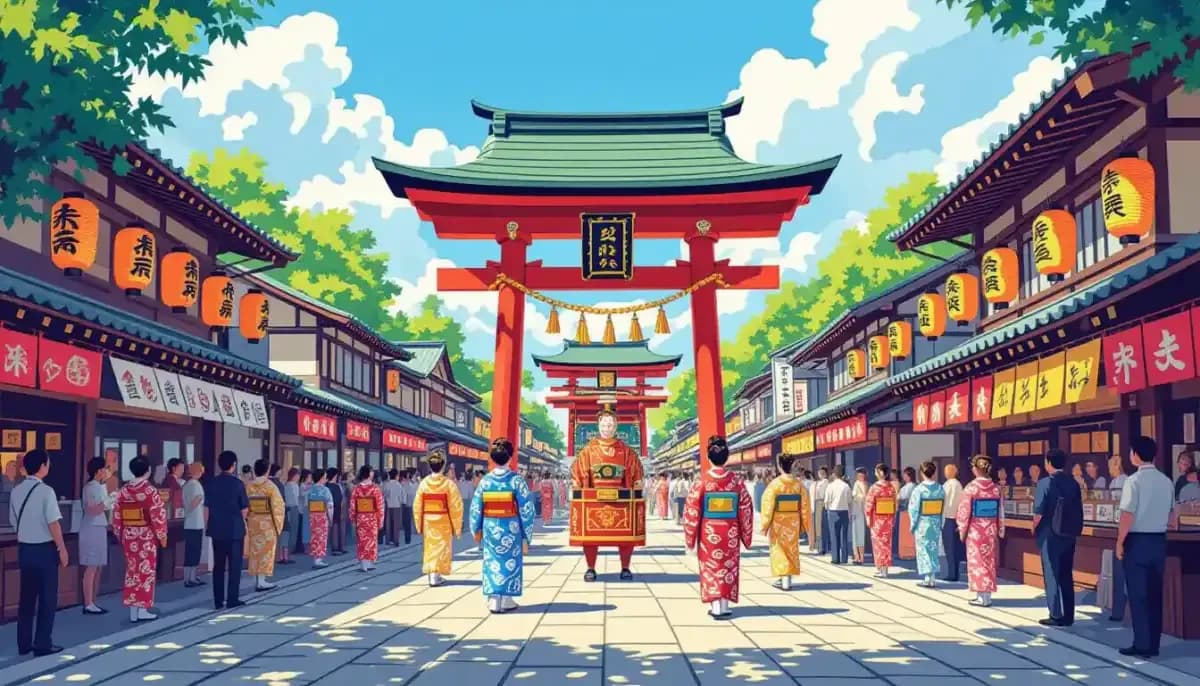
Spiritual and Religious Festivals in Japan Guide
Discover Japan's spiritual and religious festivals — from Gion Matsuri to Obon. A complete guide for foreigners on Shinto and Buddhist celebrations, etiquette, and participation tips.
Read more →
Famous Pilgrimage Routes in Japan Guide
Discover Japan's most famous pilgrimage routes including Kumano Kodo, Shikoku Henro, and Dewa Sanzan. A complete guide for foreigners with practical tips, distances, costs, and cultural advice.
Read more →
Jewish Community and Synagogues in Japan
Complete guide to the Jewish community and synagogues in Japan. Find synagogues in Tokyo, Kobe, and Kyoto, kosher food resources, Chabad locations, and tips for Jewish expats and travelers living in Japan.
Read more →
Hindu Temples and Indian Community in Japan
Discover Hindu temples, Little India in Nishi-Kasai, Indian schools, festivals like Diwali, and community resources for Indian expats living in Japan.
Read more →
Religious Freedom and Practice in Japan for Foreigners
Complete guide to religious freedom in Japan for expats. Covers legal rights, Muslim, Christian, Hindu, Jewish communities, halal food, mosques, churches, and workplace accommodation tips.
Read more →
Japanese Funeral and Memorial Customs Explained
A complete guide to Japanese funeral and memorial customs for foreigners. Learn about the wake (otsuya), funeral ceremony, koden etiquette, dress code, cremation, kotsuage, and ongoing memorial services including Obon.
Read more →