
Understanding Shinto Practices and Beliefs

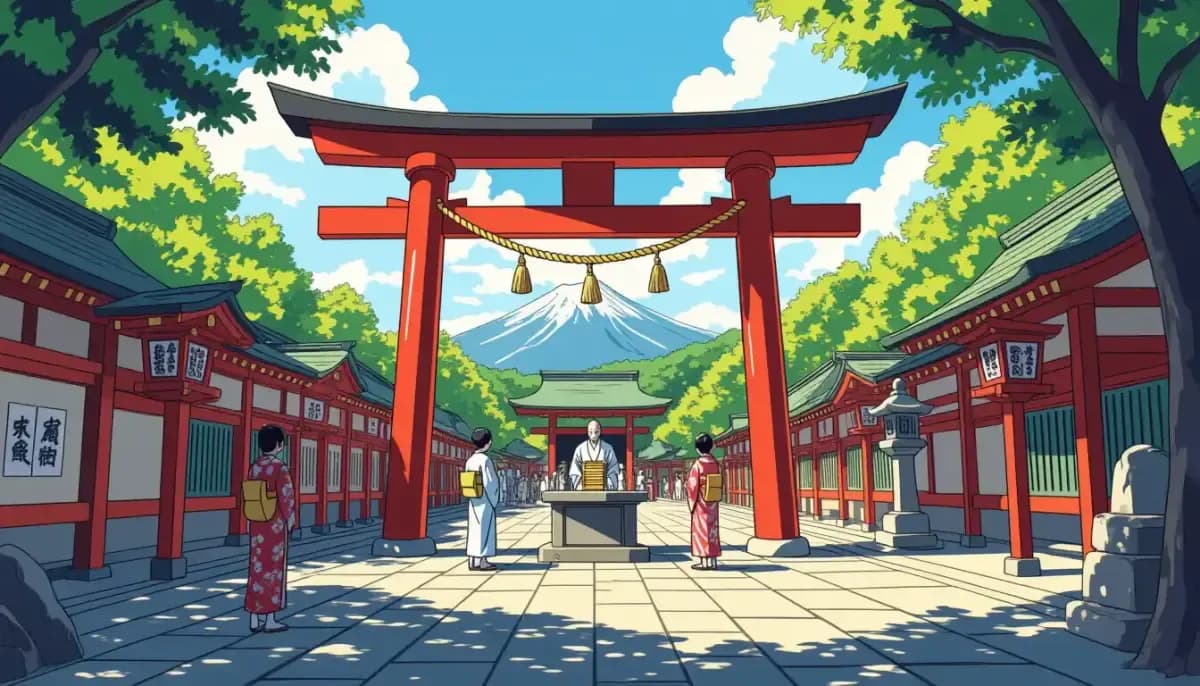
A complete guide to Shinto practices and beliefs for foreigners in Japan. Learn about kami, shrine etiquette, purification rituals, major festivals, and how to respectfully participate in Japan's ancient indigenous religion.
Understanding Shinto Practices and Beliefs: A Complete Guide for Foreigners in Japan
If you've spent any time in Japan, you've likely passed under a towering torii gate, heard the distant clang of a shrine bell, or watched locals clasp their hands in quiet prayer. Shinto, Japan's indigenous religion, is woven so deeply into everyday life that most Japanese people practice its rituals without ever considering themselves "religious." For foreigners living in or visiting Japan, understanding Shinto practices and beliefs opens a window into Japanese culture, community, and the Japanese relationship with nature and the sacred. This guide explains Shinto's core beliefs, key rituals, major festivals, and how you — as a foreigner — can respectfully engage with this ancient tradition.
What Is Shinto? Core Beliefs and Origins
Shinto (神道, literally "the way of the gods") is Japan's oldest and most widespread spiritual tradition. Unlike Christianity, Islam, or Buddhism, Shinto has no founder, no fixed sacred scriptures, and no rigid set of doctrines. It developed organically over millennia as the Japanese people sought to understand and harmonize with the natural world.
At the heart of Shinto is the concept of kami (神) — divine spirits or sacred forces that inhabit all living and non-living things. Mountains, rivers, trees, rocks, wind, rain, animals, and even certain humans can be kami. Japan is famously said to have "Yaoyorozu-no-Kami," meaning eight million gods — a poetic expression of the infinite number of kami present in the world.
Shinto's four core values are:
- Purity (harae/misogi): Physical and spiritual cleanliness is essential before approaching the kami.
- Sincerity (makoto): Honest intention and genuine respect in all dealings.
- Harmony (wa): Living in balance with nature, community, and the kami.
- Family and ancestral respect: Honoring ancestors who become kami after death.
Shinto is fundamentally optimistic. Human beings are considered inherently good, and evil is thought to come from malevolent external spirits, not from human nature itself. This philosophy shapes Japan's deeply cooperative social culture.
For a broader look at Japan's spiritual traditions alongside Buddhism, see The Complete Guide to Japanese Culture and Etiquette and The Complete Guide to Japanese Festivals and Traditions.
The Kami: Japan's Eight Million Gods
The concept of kami is central to understanding Shinto. Kami are not gods in the Western monotheistic sense — they are sacred presences found everywhere in nature and in the human community. Some kami are great cosmic deities like Amaterasu, the Sun Goddess and the most revered kami in the Shinto pantheon. Others are local spirits tied to a particular mountain, river, or village.
Some important kami include:
| Kami | Domain | Notable Shrine |
|---|---|---|
| Amaterasu | Sun, ruling deity of Japan | Ise Jingu, Mie Prefecture |
| Inari | Rice, agriculture, foxes, business | Fushimi Inari, Kyoto |
| Susanoo | Storms, sea | Izumo Taisha, Shimane |
| Izanagi & Izanami | Creation of the Japanese islands | Awaji Island, Hyogo |
| Tenjin (Sugawara no Michizane) | Learning, scholarship | Dazaifu Tenmangu, Fukuoka |
| Raijin & Fujin | Thunder, wind | Senso-ji, Tokyo (mixed shrine-temple) |
Humans who die may also become kami, revered as ancestral spirits by their families. This belief underlies Japan's deep respect for ancestors and the careful observance of memorial rites — a tradition that continues to shape daily life in Japan today.
Shinto Shrines: How to Visit and Worship
Japan has approximately 80,000 to 100,000 Shinto shrines (jinja, 神社), served by around 85,000 priests (kannushi). From small stone shrines tucked into neighborhood corners to grand complexes like Meiji Jingu in Tokyo, shrines are everywhere — and foreigners are warmly welcome to visit.
The Structure of a Shrine
Every Shinto shrine follows a similar layout:
- Torii gate (鳥居): The iconic red or stone archway marking the boundary between the ordinary world and sacred space. Bow once before entering.
- Sando (参道): The approach path. Walk on the sides, not the center — the center is for the kami to pass.
- Temizuya (手水舎): The purification fountain. You must cleanse your hands here before approaching the main hall.
- Haiden (拝殿): The worship hall where visitors offer prayers.
- Honden (本殿): The inner sanctuary where the kami resides. Usually off-limits to the public.
Step-by-Step Guide to Praying at a Shrine
- Bow at the torii — a small, respectful bow as you cross into sacred space.
- Go to the temizuya — take a ladle, pour water over your left hand, then your right hand, then rinse your mouth (spit to the side, not into the basin). Never return water to the trough.
- Approach the haiden — ring the bell (if present) to call the kami's attention.
- Toss a coin into the offering box (saisen-bako). Any coin is fine; 5-yen coins (go-en, 五円) are popular because go-en also means "good fortune/connection."
- Bow twice deeply (two 90-degree bows).
- Clap twice (two sharp claps).
- Pray silently — express gratitude or make your wish.
- Bow once more to finish.
This 2-2-1 ritual (two bows, two claps, one bow) is the standard across most shrines in Japan. Some shrines, particularly Izumo Taisha, use a different 2-4-1 pattern — always follow local guidance.
For detailed etiquette advice for other Japanese cultural encounters, see The Complete Guide to Japanese Culture and Etiquette. The Japan Guide's comprehensive Shinto overview is also an excellent English-language resource on shrine architecture and regional variations.
Shinto Rituals, Ceremonies, and Life Events
Shinto governs the joyful milestones of Japanese life, while funerals are typically handled by Buddhism. This division — "born Shinto, die Buddhist" — reflects the intertwining of Japan's two great spiritual traditions.
Key Shinto Life Rituals
- Omiyamairi (お宮参り): A newborn's first shrine visit, usually 30-100 days after birth, to introduce the child to the local kami and receive a blessing.
- Shichigosan (七五三): On November 15, children aged 3, 5, and 7 are dressed in kimono and brought to shrines to pray for their health and growth.
- Hatsumode (初詣): The first shrine or temple visit of the New Year, usually January 1-3. It is the biggest single religious event in Japan, with over 80 million visits nationwide.
- Shinto weddings: Ceremonies held at shrines, officiated by a priest, with the bride and groom sharing three cups of sacred sake (san-san-kudo).
Purification Rituals (Harae)
Purification (harae) is a cornerstone of Shinto practice. Before approaching the kami, worshippers must be in a state of physical and spiritual cleanliness. The temizuya handwashing is the most common purification rite. More elaborate purification ceremonies (misogi) involve water immersion and are performed by priests and serious practitioners.
Omamori and Ema
Two beloved Shinto traditions accessible to everyone:
- Omamori (お守り): Protective amulets sold at shrine shops, each dedicated to a specific blessing — safe childbirth, academic success, traffic safety, love, business prosperity. Change your omamori annually and return the old one to the shrine for ceremonial disposal.
- Ema (絵馬): Wooden plaques on which you write a wish or prayer, then hang it at the shrine for the kami to fulfill. A beautiful tradition that foreigners can fully participate in.
For more on Japanese social customs and daily traditions, explore Making Friends and Social Life in Japan.
Major Shinto Festivals (Matsuri)
Japan's festival calendar is largely Shinto. Matsuri (祭り) festivals are not just cultural events — they are living religious rituals that connect communities to their kami. Here are some of the most important:
| Festival | When | Location | What Happens |
|---|---|---|---|
| Hatsumode | Jan 1-3 | Nationwide | First shrine visit of the year; prayers for good fortune |
| Setsubun | Feb 3 | Nationwide | Bean-throwing to drive away evil spirits |
| Hina Matsuri | Mar 3 | Nationwide | Girls' Day; dolls displayed to ward off bad luck |
| Gion Matsuri | July | Kyoto | Month-long festival with grand procession of yamaboko floats |
| Obon | Mid-August | Nationwide | Welcoming the spirits of ancestors back to earth |
| Shichigosan | Nov 15 | Nationwide | Children's blessing ceremony at shrines |
| Tori no Ichi | November | Tokyo & nationwide | Market festivals at Otori shrines for business luck |
The Gion Matsuri in Kyoto — one of Japan's three great festivals — draws millions of visitors and showcases the grandeur of Shinto's connection to community life.
For a fuller picture of Japan's festival calendar, see The Complete Guide to Japanese Festivals and Traditions.
Shinto for Foreigners: Participation and Etiquette
One of the most common questions foreigners have is: "Can I participate in Shinto practices even if I'm not Japanese?" The answer is a resounding yes. Shinto is not an exclusive religion requiring conversion or membership. You do not need to renounce your own faith to visit a shrine, pray, purchase an omamori, or write an ema.
What Foreigners Should Know
- Visiting shrines is open to all. Shrine priests and staff are accustomed to foreign visitors and welcome respectful participation.
- Bowing and clapping are gestures of respect, not declarations of religious conversion.
- Dress modestly. Avoid revealing clothing, and remove hats and sunglasses at the main hall.
- Photography: Generally permitted in shrine grounds but not inside the main hall. Look for signs or ask.
- Be quiet and calm. Shrines are sacred spaces — keep voices low and phones silent.
- Keep to the sides of the sando approach path, leaving the center open for the kami.
As a foreigner living in Japan, engaging with Shinto — even casually — deepens your connection to Japanese culture and community. It's common for expats to purchase omamori for their new home, visit neighborhood shrines during Hatsumode, or attend local matsuri alongside their Japanese neighbors.
For more guidance on navigating Japanese culture as a foreigner, Living In Nihon's Religion and Spirituality Guide offers excellent context for understanding how faith operates in everyday Japanese life.
Shinto and Its Relationship with Buddhism
Shinto and Buddhism coexist peacefully in Japan and have done so for over 1,400 years. Most Japanese people practice both without conflict — visiting Shinto shrines for birth, marriage, and New Year while turning to Buddhist temples for funerals and memorial rites.
This syncretic blending is called shinbutsu-shugo (神仏習合) — the fusion of kami and Buddha worship — and it characterized Japanese religious life from the 6th century until the Meiji Era (1868-1912), when the government mandated the separation of Shinto and Buddhism for nationalistic reasons.
Today, many temples and shrines share sacred spaces, and Japanese households often maintain both a kamidana (Shinto home altar) and a butsudan (Buddhist family altar). This dual practice is not seen as contradictory; rather, it reflects the Japanese pragmatic approach to spirituality.
For foreigners connecting with Japan's religious community, For Work in Japan's guide on religious and cultural organizations provides useful information about joining international and multicultural religious communities in Japan.
Connecting with Japan's Spiritual Life as a Foreigner
Japan's spiritual landscape offers remarkable opportunities for foreigners to engage meaningfully with one of the world's most distinctive cultures. Here are practical ways to deepen your connection with Shinto:
- Find your local ujigami shrine — the neighborhood shrine whose kami protects your area. Introduce yourself on New Year's and visit during local matsuri.
- Participate in Hatsumode — joining the New Year shrine visits is one of the most accessible and memorable Shinto experiences.
- Buy an omamori for something meaningful — home safety, health, or success at work. Change it at year's end.
- Attend a local matsuri — summer neighborhood festivals often include shrine processions (mikoshi) and are genuinely welcoming to foreign participants.
- Take a guided shrine tour — many major shrines offer English-language guides or materials.
- Learn about the kami of your region — each area has its own patron kami with a unique story tied to local geography and history.
For deeper exploration of Japanese spiritual practices and what they mean for daily life in Japan, Ittenshoku provides career and life navigation resources for foreigners building their lives in Japan. Also, check Understanding Religious Practices in Japan: A Guide for Foreigners for a practical overview.
Understanding Shinto is not just an intellectual exercise — it is a gateway to understanding Japanese aesthetics, community values, seasonal celebrations, and the deep sense of connection to place that defines Japanese culture. As you walk through your next torii gate, bow at the temizuya, and clasp your hands in prayer, you are participating in a tradition that has shaped Japan for thousands of years. And as a foreigner in Japan, that participation — offered with genuine respect — is always welcome.
Related Reading:

Originally from Vietnam, living in Japan for 16+ years. Graduated from Nagoya University, with 11 years of professional experience at Japanese and international companies. Sharing information about living in Japan for foreigners.
View Profile →Related Articles
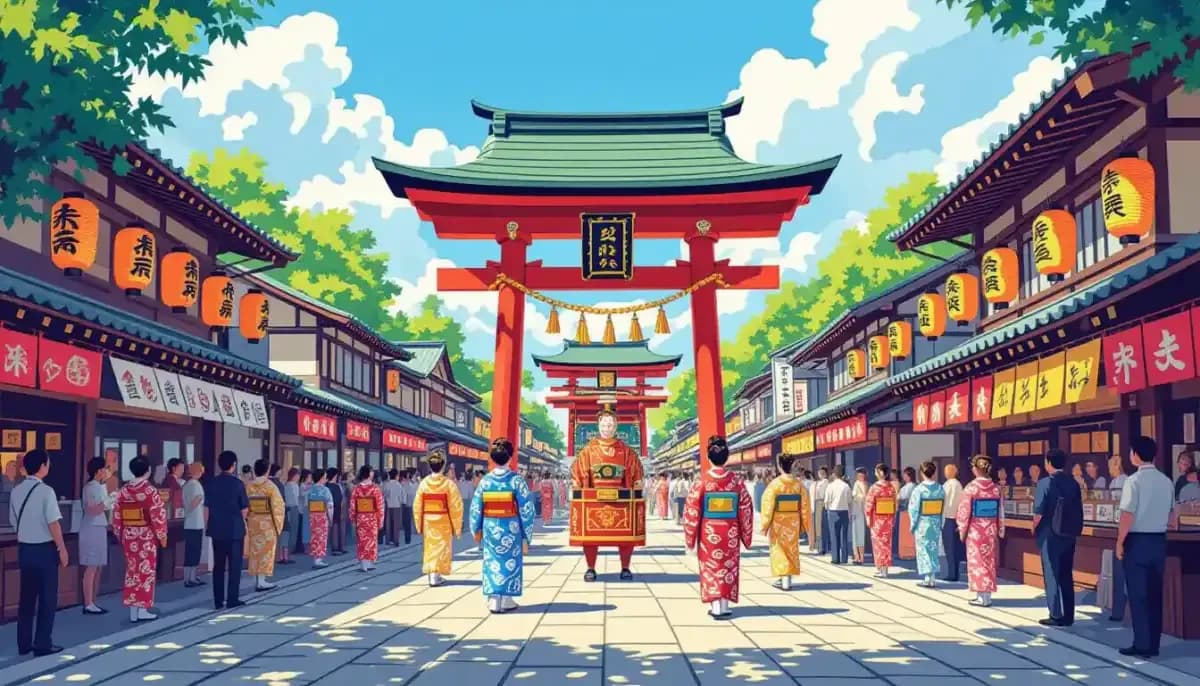
Spiritual and Religious Festivals in Japan Guide
Discover Japan's spiritual and religious festivals — from Gion Matsuri to Obon. A complete guide for foreigners on Shinto and Buddhist celebrations, etiquette, and participation tips.
Read more →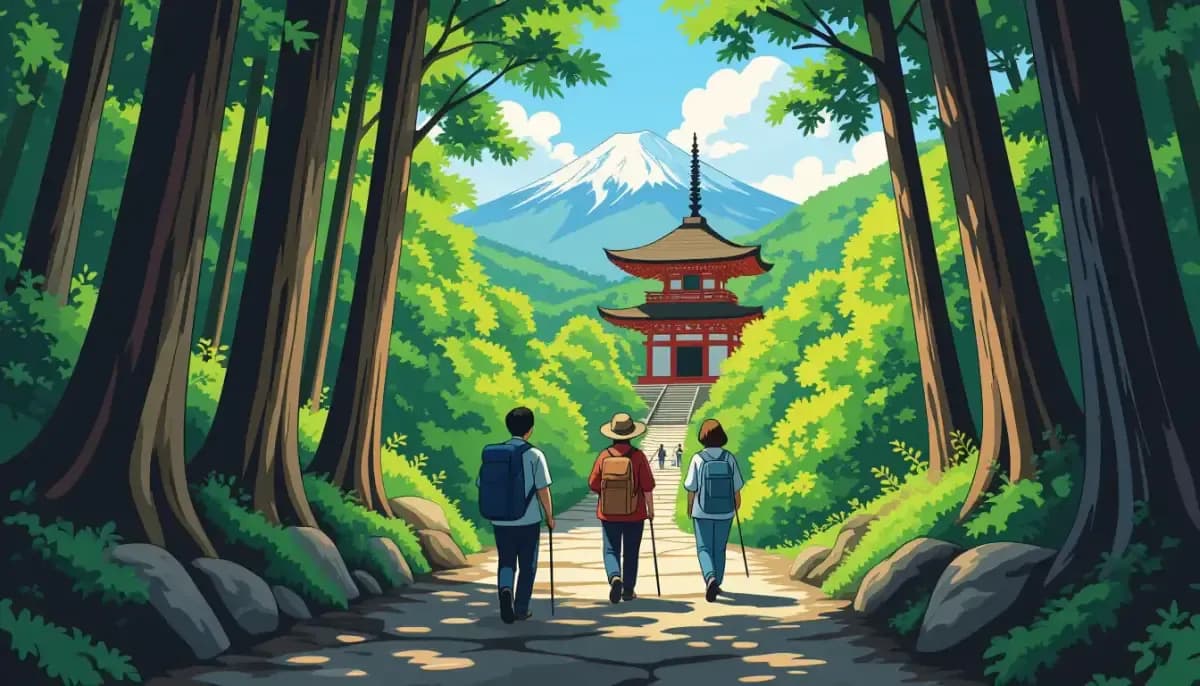
Famous Pilgrimage Routes in Japan Guide
Discover Japan's most famous pilgrimage routes including Kumano Kodo, Shikoku Henro, and Dewa Sanzan. A complete guide for foreigners with practical tips, distances, costs, and cultural advice.
Read more →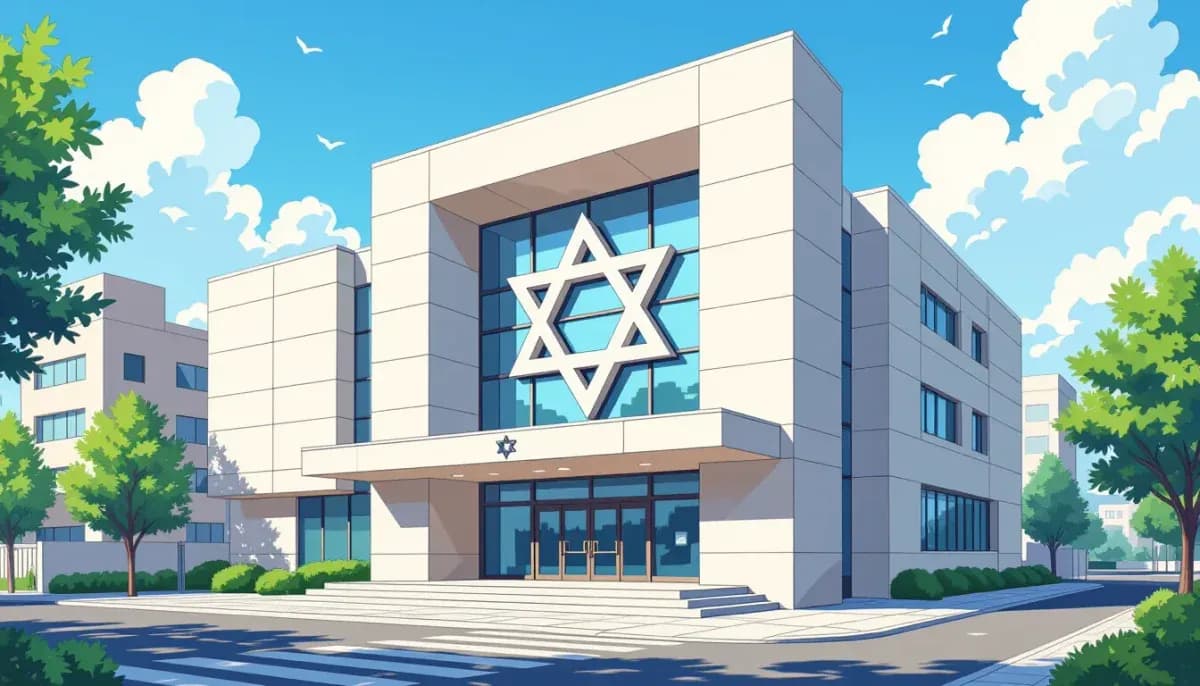
Jewish Community and Synagogues in Japan
Complete guide to the Jewish community and synagogues in Japan. Find synagogues in Tokyo, Kobe, and Kyoto, kosher food resources, Chabad locations, and tips for Jewish expats and travelers living in Japan.
Read more →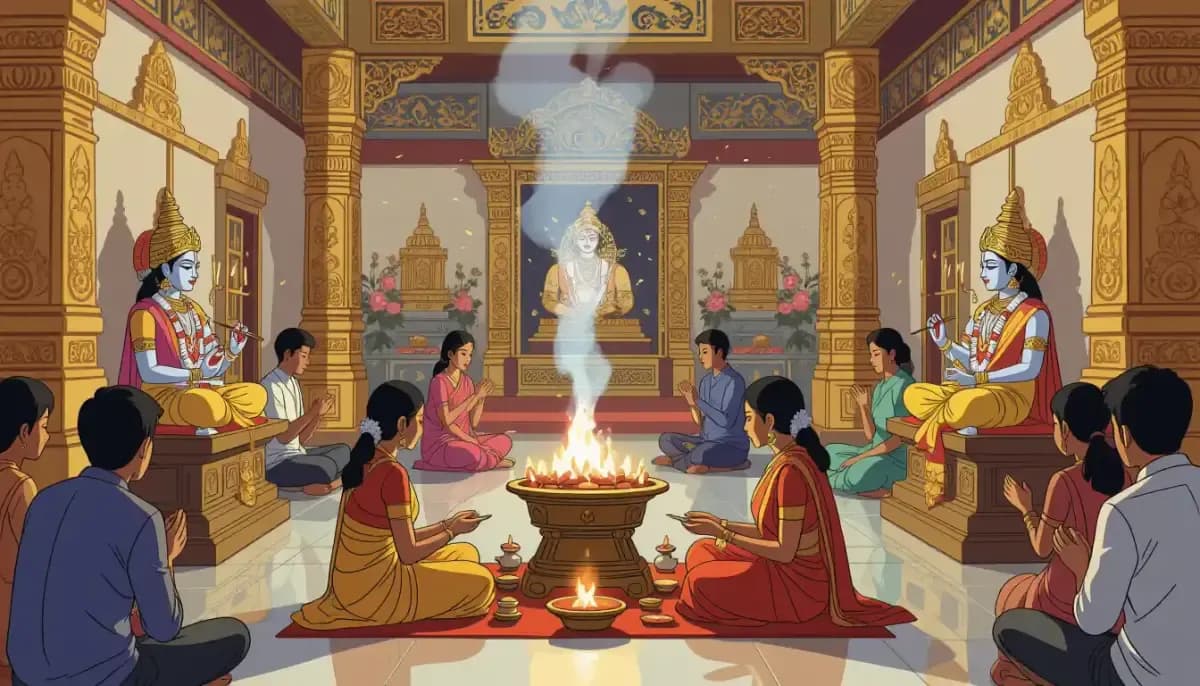
Hindu Temples and Indian Community in Japan
Discover Hindu temples, Little India in Nishi-Kasai, Indian schools, festivals like Diwali, and community resources for Indian expats living in Japan.
Read more →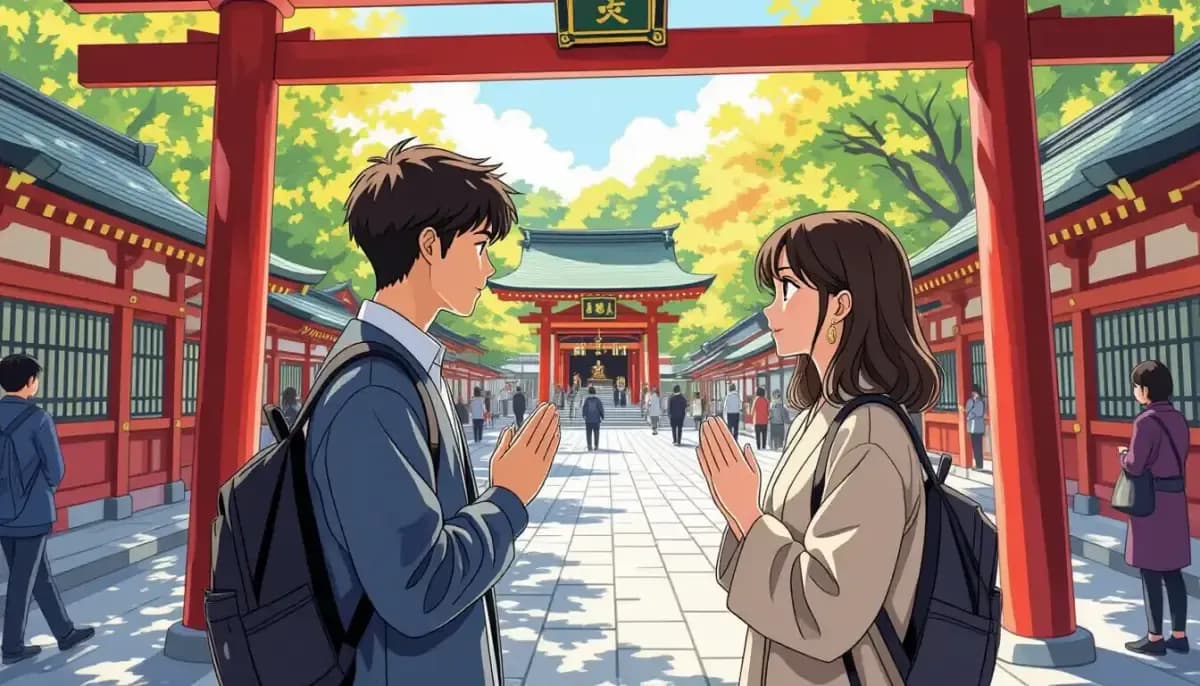
Religious Freedom and Practice in Japan for Foreigners
Complete guide to religious freedom in Japan for expats. Covers legal rights, Muslim, Christian, Hindu, Jewish communities, halal food, mosques, churches, and workplace accommodation tips.
Read more →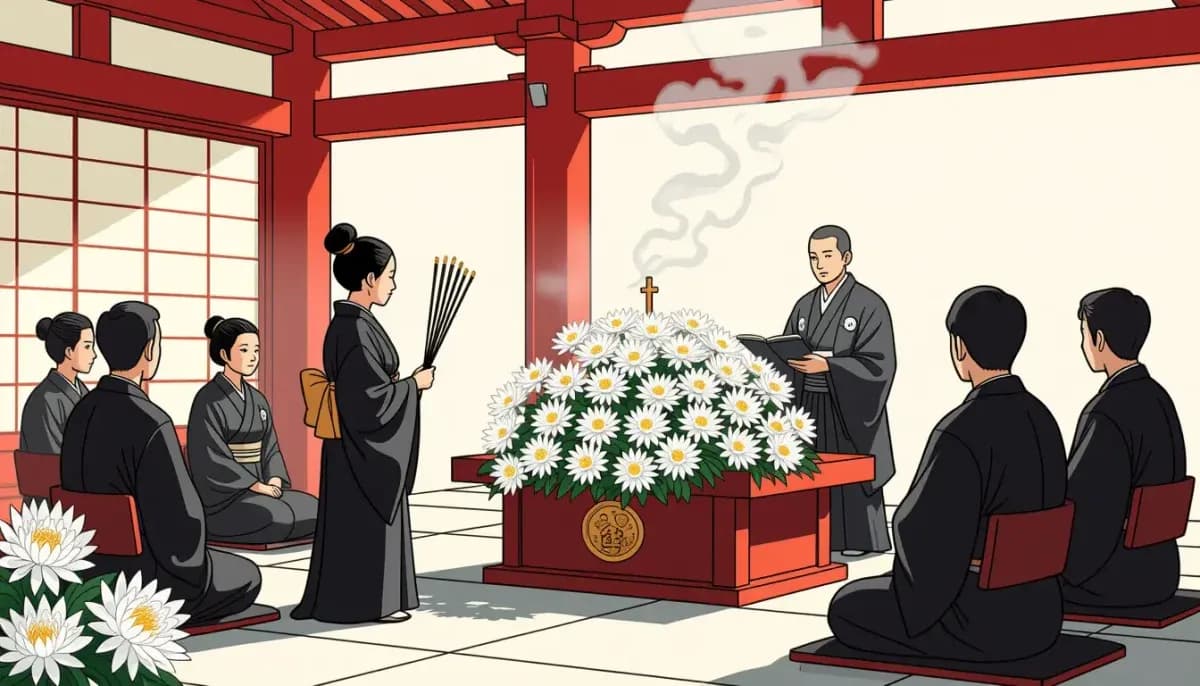
Japanese Funeral and Memorial Customs Explained
A complete guide to Japanese funeral and memorial customs for foreigners. Learn about the wake (otsuya), funeral ceremony, koden etiquette, dress code, cremation, kotsuage, and ongoing memorial services including Obon.
Read more →