
Visiting Buddhist Temples in Japan Guide and Etiquette


Complete guide to visiting Buddhist temples in Japan. Learn essential etiquette rules, how to pray, use incense, make offerings, and experience temple culture respectfully as a foreigner.
Visiting Buddhist Temples in Japan: A Complete Guide and Etiquette for Foreigners
Japan is home to approximately 77,000 Buddhist temples — more than any other country in the world. Whether you're an expat living in Japan long-term or a first-time visitor, visiting these temples is one of the most rewarding cultural experiences you can have. But walking into a sacred Buddhist space without knowing the rules can feel intimidating. This guide gives you everything you need to visit Buddhist temples in Japan with confidence and respect.
Buddhism arrived in Japan during the 6th century CE, brought from China and Korea, and today about 46.4% of Japan's population identifies with Buddhism in some form — often alongside Shinto. Understanding the basics of temple culture will not only keep you from accidentally offending anyone, it'll make your experience far richer.
How to Recognize a Buddhist Temple vs. a Shinto Shrine
Many foreigners mix up temples and shrines — they can look quite similar to untrained eyes. Here's how to tell them apart:
- Buddhist temples (お寺 / o-tera) are Buddhist places of worship. They feature a sanmon (山門) or mountain gate at the entrance, often with large wooden guardian statues (Niō). You'll often see pagodas and statues of the Buddha.
- Shinto shrines (神社 / jinja) are identified by their iconic torii gate (鳥居), usually painted red-orange. These are Shinto, Japan's indigenous religion.
Knowing the difference matters because the etiquette is different at each. The most important rule: at temples, you do not clap your hands when praying (that's a shrine custom). At temples, prayer is done silently with palms pressed together.
What to Do When You Enter a Buddhist Temple
1. Bow at the Gate
When you pass through the main gate (sanmon), pause and make a brief bow. This is a sign of respect to the Buddha and the temple. You don't need to know how to pray; the gesture of acknowledgment is enough.
2. Purification at the Chozuya
Many temples have a chozuya (手水舎) — a stone water basin near the entrance. Use it to purify your hands before entering:
- Pick up the ladle with your right hand
- Pour water over your left hand
- Switch the ladle to your left hand
- Pour water over your right hand
- Rinse your mouth (optional at temples, more common at shrines)
This ritual symbolizes purifying your body and mind before entering sacred grounds.
3. Remove Your Shoes Before Entering Buildings
If you're entering a temple hall or main building (hondo), you will almost always need to remove your shoes. Leave them on the shelves or racks at the entrance, or carry them in plastic bags sometimes provided at the door. Always wear clean socks — going barefoot is generally acceptable too, but socks are more respectful in cooler months.
4. Making an Offering
Most temple halls have a wooden donation box (saisen-bako / 賽銭箱). Toss a coin into the box before praying — 5-yen coins (go-en, 五円) are considered especially lucky because "go-en" also means "good fortune" or "connection." Any amount is fine; the act of giving is what matters.
5. How to Pray at a Buddhist Temple
This is where it differs most from Shinto shrines:
- No clapping — at a temple, simply press your palms together (gassho / 合掌) in front of your chest
- Bow slightly with eyes closed and offer a silent prayer or intention
- That's it — no complex ritual required
Incense (Osenko) Etiquette
Burning incense is central to Buddhist temple visits. At many temples, you can purchase a bundle of incense sticks (osenko / お線香) for a small fee, typically 100–200 yen. Here's how to use it correctly:
- Light your incense sticks from the communal flame at the incense burner (koro / 香炉)
- Fan out the flame with your hand — never blow it out with your breath. Blowing is considered disrespectful and symbolically harmful in Japanese Buddhist tradition.
- Place the incense sticks upright in the sand of the burner
- Fan the smoke toward yourself — the smoke is believed to have purifying and healing properties
Waving the smoke toward a specific part of your body is thought to heal or strengthen that area. You'll often see visitors waving it toward their heads for clarity or their knees for health.
Photography Rules at Buddhist Temples
Photography is generally welcomed on temple grounds (gardens, pagodas, gates), but forbidden inside the main halls and buildings. Always look for "No Photography" signs (撮影禁止 / satsuei kinshi) and ask staff if you're unsure. Never photograph monks or worshippers without permission, especially during active prayer or ceremonies.
| Location | Photography |
|---|---|
| Temple grounds and gardens | Usually allowed ✅ |
| Main hall exterior | Usually allowed ✅ |
| Inside temple buildings | Usually prohibited ❌ |
| During active religious ceremonies | Ask permission first ⚠️ |
| Monks and worshippers | Ask permission first ⚠️ |
| Sacred objects/statues up close | Check for signs ⚠️ |
Famous Buddhist Temples in Japan Worth Visiting
Japan's 77,000+ temples range from tiny neighborhood shrines to enormous UNESCO World Heritage complexes. Here are some of the most significant:
Senso-ji (浅草寺) — Tokyo Tokyo's oldest and most famous temple, located in Asakusa. The iconic Kaminarimon (Thunder Gate) and Nakamise shopping street leading to the main hall make this a must-visit. Senso-ji receives millions of visitors annually.
Kinkaku-ji (金閣寺) — Kyoto The Temple of the Golden Pavilion is arguably Japan's most photographed structure. The top two floors are covered in gold leaf, reflected beautifully in the surrounding pond. Entry is ¥500.
Todai-ji (東大寺) — Nara Home to Japan's largest bronze Buddha statue (Daibutsu, 大仏), Todai-ji receives over 4 million visitors annually. The Great Buddha Hall (Daibutsuden) is the world's largest wooden building.
Ryoan-ji (龍安寺) — Kyoto Famous for its Zen rock garden — 15 carefully placed rocks in white gravel, designed so you can never see all 15 from any single viewpoint. Perfect for quiet meditation.
Eiheiji (永平寺) — Fukui One of Japan's most active Zen monasteries. Foreigners can participate in zazen (seated meditation) sessions and get a genuine glimpse into monastic life.
Temple Visiting Etiquette: Do's and Don'ts
Understanding what to do — and what to avoid — will make your visit smooth and respectful:
| Do | Don't |
|---|---|
| Bow when entering the gate | Clap your hands when praying |
| Purify your hands at the chozuya | Blow out incense flames |
| Remove shoes before entering buildings | Talk loudly or make noise |
| Press palms together to pray | Step on the threshold at the gate |
| Walk on the sides of the main path | Eat or drink on sacred grounds |
| Toss a coin in the donation box first | Touch sacred objects without permission |
| Fan incense smoke toward yourself | Take photos inside buildings |
| Dress modestly (no revealing clothes) | Run or behave disrespectfully |
Zazen and Temple Experiences for Foreigners
Many Buddhist temples actively welcome foreigners for immersive experiences beyond simple sightseeing. Some popular options:
Zazen (座禅) — Zen meditation sessions are offered at many Zen temples throughout Japan. Sessions typically last 30–60 minutes and include instruction in meditation posture and breathing. Many Zen temples offer English-friendly sessions for international visitors.
Shukubo (宿坊) — Temple Lodging Some temples offer overnight stays where guests participate in morning prayers, vegetarian Buddhist cuisine (shojin ryori / 精進料理), and daily temple life. This is one of the most unique accommodation experiences in Japan. Famous locations include Koyasan in Wakayama prefecture and Eiheiji in Fukui.
Shakyo (写経) — Sutra Copying Carefully copying Buddhist sutras by hand with brush and ink. This meditative practice is open to foreigners at many temples — no Japanese reading ability required since you simply trace pre-printed characters.
For more on integrating into Japanese cultural and spiritual communities, see the guide at Living in Nihon's Religion and Spirituality in Japan guide.
Understanding Temple vs. Shrine Etiquette Side by Side
One of the most common mistakes foreigners make is applying shrine customs at temples or vice versa. Here's a clear comparison:
| Aspect | Buddhist Temple (お寺) | Shinto Shrine (神社) |
|---|---|---|
| Gate type | Sanmon (山門) | Torii gate (鳥居) |
| Deity/focus | Buddha, Bodhisattvas | Kami (nature spirits/deities) |
| Prayer style | Palms together, no clapping | Two bows, two claps, one bow |
| Water purification | Chozuya (optional) | Temizuya (expected) |
| Clergy | Buddhist monks (osho) | Shinto priests (kannagi) |
| Main events | Funerals, Obon, memorial rites | New Year, festivals, weddings |
| Incense | Yes (osenko) | Rarely |
Understanding these distinctions is part of respecting both traditions. For a broader overview of Japanese cultural etiquette, see our guide on Japanese Culture and Etiquette for Foreigners.
Practical Tips for Visiting Temples as a Foreigner
What to Wear There is no strict dress code at most Japanese Buddhist temples, but modest, respectful clothing is appreciated — especially for sacred inner halls. Avoid revealing clothing. Bring socks (clean ones), as you'll remove your shoes often.
When to Visit Early morning is ideal — temples are quieter and the atmosphere is more meditative. Avoid major holidays like New Year (December 31–January 3) and Obon (mid-August) if you prefer smaller crowds, though these times also offer unique ceremonies worth experiencing.
Entry Fees Many temples are free to enter the grounds, but may charge to enter specific buildings or gardens. Typical entry fees range from ¥300–¥1,000. Budget accordingly if you plan to visit multiple sites in a day.
Language While many major tourist temples have English signage and pamphlets, smaller neighborhood temples typically do not. Google Translate's camera function is invaluable for reading signs.
Community and Support for Foreigners Japan has numerous communities and organizations supporting foreigners in engaging with Japanese cultural life. For guidance on religious communities and cultural groups available to foreigners in Japan, visit For Work in Japan's guide to religious communities.
For IT professionals who have relocated to Japan and want to explore work-life balance through cultural activities, IT転職 (ittenshoku.com) offers career guidance that can help you find time for cultural enrichment.
How Buddhist Temples Fit Into Daily Life in Japan
For many Japanese people, temples aren't just tourist attractions — they're woven into the rhythms of daily life. Families visit temples for funerals and memorial services (most Japanese funerals are Buddhist), for Obon (the festival of the dead, mid-August), and for hatsumode (New Year visits, though this is more commonly done at shrines).
About 25 million people visit Buddhist temples annually just for Obon observances. If you're living in Japan long-term, you'll inevitably encounter temple culture through these significant life events, even if you're not Buddhist yourself.
Buddhist temples also contribute enormous cultural and economic value — over 1.2 trillion yen to Japan's economy annually through tourism, ceremonies, and cultural programs.
For more on Japanese culture, festivals, and daily life as a foreigner, explore our guides on Japanese Festivals and Traditions and Daily Life in Japan for Foreigners.
For detailed etiquette information and what to expect during temple visits, Japan Guide's temple and shrine etiquette guide is an excellent resource. The Interac Network's guide to Shinto shrines and Buddhist temples also offers helpful comparisons and practical advice.
Conclusion
Visiting Buddhist temples in Japan is one of the most profound cultural experiences available to foreigners living in or traveling through Japan. With 77,000 temples spread across the country, you're never far from one — and the etiquette is simpler than it might seem. Remember: bow at the gate, purify your hands, press palms together to pray (no clapping), fan out your incense, remove shoes inside buildings, and keep respectful and quiet throughout.
Beyond sightseeing, temples offer genuine ways to engage with Japanese Buddhist culture — through zazen, temple lodging, sutra copying, and community events. Whether you're spiritually curious or simply appreciating the architecture and history, Japan's Buddhist temples are waiting to be explored.
For a complete guide to religion and spirituality in Japan as a foreigner, see our pillar guide on Religion and Spirituality in Japan.

Originally from Vietnam, living in Japan for 16+ years. Graduated from Nagoya University, with 11 years of professional experience at Japanese and international companies. Sharing information about living in Japan for foreigners.
View Profile →Related Articles
Spiritual and Religious Festivals in Japan Guide
Discover Japan's spiritual and religious festivals — from Gion Matsuri to Obon. A complete guide for foreigners on Shinto and Buddhist celebrations, etiquette, and participation tips.
Read more →
Famous Pilgrimage Routes in Japan Guide
Discover Japan's most famous pilgrimage routes including Kumano Kodo, Shikoku Henro, and Dewa Sanzan. A complete guide for foreigners with practical tips, distances, costs, and cultural advice.
Read more →
Jewish Community and Synagogues in Japan
Complete guide to the Jewish community and synagogues in Japan. Find synagogues in Tokyo, Kobe, and Kyoto, kosher food resources, Chabad locations, and tips for Jewish expats and travelers living in Japan.
Read more →
Hindu Temples and Indian Community in Japan
Discover Hindu temples, Little India in Nishi-Kasai, Indian schools, festivals like Diwali, and community resources for Indian expats living in Japan.
Read more →
Religious Freedom and Practice in Japan for Foreigners
Complete guide to religious freedom in Japan for expats. Covers legal rights, Muslim, Christian, Hindu, Jewish communities, halal food, mosques, churches, and workplace accommodation tips.
Read more →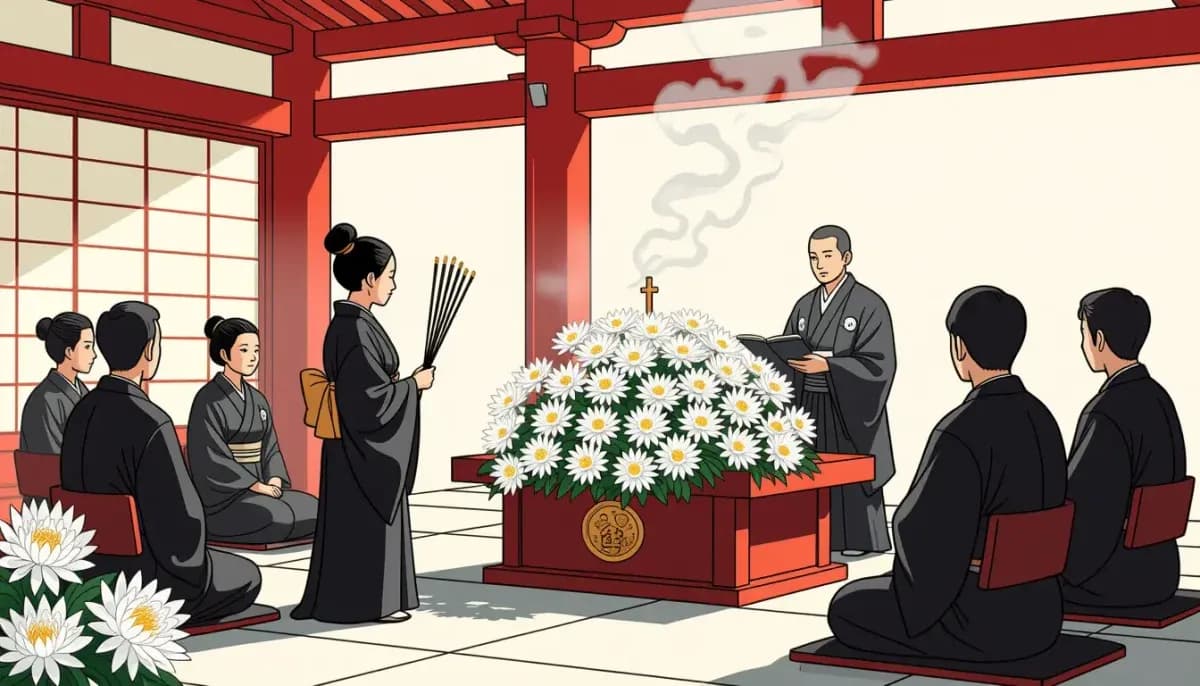
Japanese Funeral and Memorial Customs Explained
A complete guide to Japanese funeral and memorial customs for foreigners. Learn about the wake (otsuya), funeral ceremony, koden etiquette, dress code, cremation, kotsuage, and ongoing memorial services including Obon.
Read more →