
Buddhism in Japan Guide for Foreign Residents

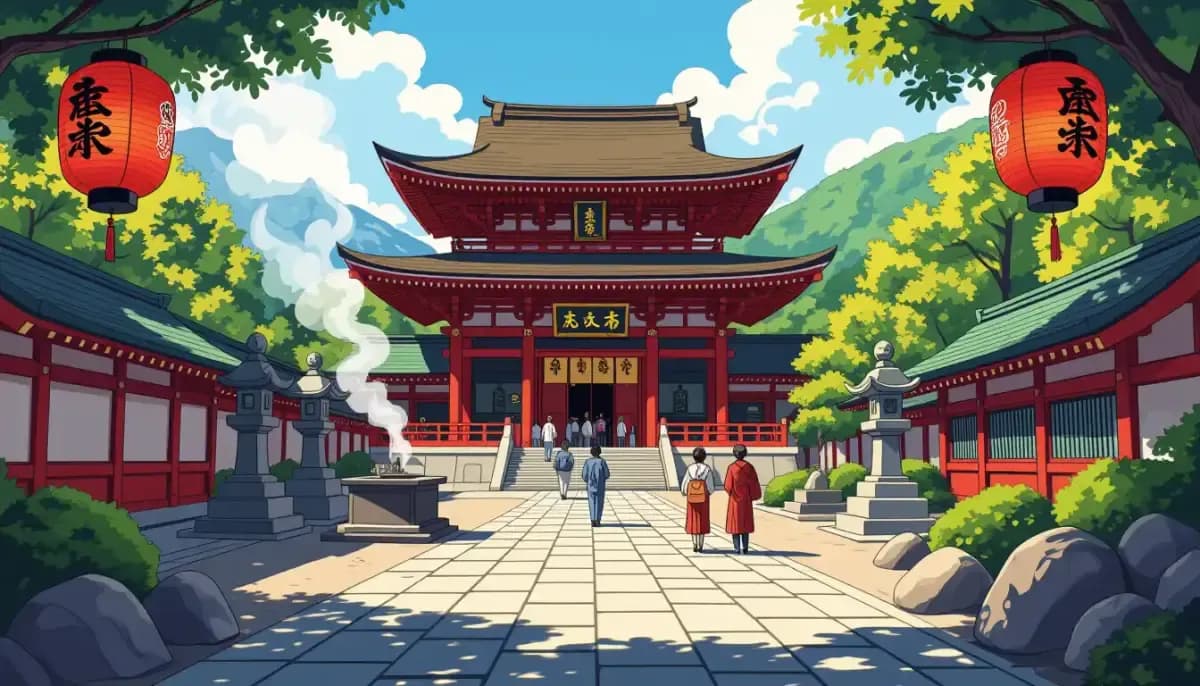
Everything foreigners need to know about Buddhism in Japan — temple etiquette, major sects, zazen meditation, shukubo stays, and how Buddhist traditions shape everyday Japanese life.
Buddhism in Japan: A Complete Guide for Foreign Residents
Japan is home to over 77,000 Buddhist temples — more than the number of convenience stores — and Buddhism shapes everything from funeral rites to festival calendars. If you're living in Japan as a foreigner, understanding Buddhism isn't just a cultural curiosity; it's a practical necessity. This guide walks you through the history, major sects, temple etiquette, and hands-on experiences available to foreigners who want to engage meaningfully with Japanese Buddhism.
!Buddhist temple garden with incense smoke and red lanterns in Japan

A Brief History of Buddhism in Japan
Buddhism arrived in Japan during the 6th century, traditionally dated to 552 CE, as a diplomatic gift from the Korean kingdom of Kudara (Baekje). The religion traveled through China and Korea, arriving in its Mahayana ("Greater Vehicle") form, which emphasizes universal salvation rather than individual monastic practice.
In its early centuries, Buddhism coexisted — and often blended — with Japan's native Shinto faith. Prince Shotoku became one of Buddhism's earliest and most influential champions, promoting it as a state religion and building iconic temples such as Horyuji near Nara, which still stands as one of the oldest wooden structures in the world.
By the Heian Period (794–1185), two major sects — Tendai and Shingon — were imported from China and established powerful temple complexes on sacred mountains. Their esoteric rituals and elaborate ceremonies dominated religious life for centuries.
The medieval period saw further diversification. Jodo (Pure Land) Buddhism, founded by Honen in 1175, offered a simplified path to salvation through devotion to Amida Buddha. Its offshoot, Jodo-Shin, founded by Shinran in 1224, took this accessibility even further. Zen Buddhism, introduced in 1191, attracted samurai with its emphasis on meditation, discipline, and direct self-realization. Nichiren Buddhism, founded in 1253, was more dogmatic but gave rise to many of Japan's modern religious movements.
Major Buddhist Sects in Japan
Japan has dozens of Buddhist sects and sub-sects, but six dominate the landscape. Here's a quick overview:
| Sect | Founded | Followers | Key Belief |
|---|---|---|---|
| Jodo (Pure Land) | 1175 | ~22 million | Salvation through faith in Amida Buddha |
| Nichiren | 1253 | ~10 million | Chanting the Lotus Sutra for enlightenment |
| Shingon | 806 | ~5.4 million | Esoteric rituals and mantras |
| Zen (Soto/Rinzai) | 1191 | ~5.2 million | Meditation and direct experience |
| Tendai | 805 | ~2.8 million | Comprehensive, syncretic approach |
| Soka Gakkai | 1930 | ~4 million | Lay Buddhist movement, Nichiren-based |
For foreigners, Zen is often the most accessible point of entry, as many Zen temples actively welcome international visitors for meditation sessions. Soto Zen temples in particular have English-language resources and dedicated programs for foreign practitioners — you can find a directory at Sotozen.com.
Buddhism in Everyday Japanese Life
A common misconception among newcomers is that Japan is a deeply devout Buddhist country. The reality is more nuanced. Roughly two-thirds of Japanese people identify as Buddhist, yet for many, religion functions as cultural tradition rather than active faith. Most Japanese people do not attend temple services regularly or engage in personal prayer as part of a daily routine.
Buddhism's strongest presence in modern Japan is through lifecycle rituals:
- Funerals: Around 90% of Japanese funerals follow Buddhist rites. Bodies are cremated, and memorial services are held at Buddhist temples. Many families maintain a butsudan (家の仏壇) — a small household altar — to honor ancestors.
- Obon Festival: This midsummer event (typically August 13–16) honors the spirits of deceased ancestors, who are believed to return to visit their families. Many Japanese return to their hometowns for Obon.
- New Year (Oshogatsu): While shrines see the largest crowds during New Year, many Buddhist temples hold midnight bell-ringing ceremonies (joya no kane) on December 31st, where a large bell is struck 108 times to purge the 108 earthly desires.
- Higan: A Buddhist-influenced equinox tradition observed in spring and autumn, when families visit ancestral graves.
For foreigners living in Japan, you may encounter Buddhism through workplace customs, neighborhood festivals, or a landlord's request to participate in building memorial services. Understanding the Buddhist calendar and etiquette will serve you well. For a deeper look at Japanese cultural practices, see our guide to Japanese Culture and Etiquette.
How to Visit a Buddhist Temple: Etiquette for Foreigners
Japanese Buddhist temples are generally welcoming to visitors of all backgrounds. There's no membership or belief requirement — temples are places for reflection, and respectful curiosity is appreciated. Here's how to behave:
Entering the Temple Grounds
- Pass through the main gate (sanmon or niomon) and take a moment to acknowledge the space.
- Many temples have a purification fountain (chozuya). Though this is more common at Shinto shrines, some Buddhist temples include it. If present, rinse your hands.
- Dress modestly. There's no strict dress code, but revealing clothing is frowned upon. Some temples (especially those requiring indoor entry) ask you to remove shoes.
Lighting Incense (Osenko)
One of the most accessible Buddhist practices for visitors is lighting incense:
- Purchase a bundle of incense sticks at a stall near the main hall (usually ¥100–¥300).
- Light the incense, let it burn for a few seconds, then extinguish the flame by fanning it with your hand — never blow it out, as this is considered disrespectful.
- Place the sticks in the large sand-filled incense burner (kouro) and waft the smoke toward you. The smoke is believed to purify the body and carry prayers to the Buddha.
Praying at the Main Hall
- Approach the offering box (saisen-bako) and toss in a coin. Any denomination is fine; 5-yen coins (goen) are popular because "goen" (ご縁) also means "good fortune" or "connection."
- Do not clap — that is Shinto practice. Simply bow, put your hands together (gassho), and offer a quiet prayer or moment of reflection.
- Step back with a slight bow before leaving.
Photography
Photography is generally allowed on temple grounds but is often restricted inside the main halls. Look for signs or ask staff. Always be discreet around worshippers and monks.
For more on navigating Japanese public spaces respectfully, see our Daily Life in Japan Guide.
Hands-On Buddhist Experiences for Foreigners
Beyond sightseeing, there are several immersive experiences available to foreigners who want to engage more deeply with Japanese Buddhism:
Zazen Meditation Sessions
Zazen (座禅) — seated Zen meditation — is one of the most popular Buddhist experiences for foreigners. Many temples across Japan, particularly Zen temples, offer public zazen sessions, often early in the morning or on weekends. Some sessions are free; others charge a small fee (¥500–¥1,500).
Notable places to practice zazen include:
- Engakuji and Kencho-ji in Kamakura
- Eiheiji in Fukui Prefecture (a major Soto Zen training monastery that accepts short-term visitors)
- Nanzenji and Tofukuji in Kyoto
The Soto Zen official site for foreigners maintains a directory of temples that welcome international practitioners.
Shukubo (Temple Lodging)
Shukubo (宿坊) is the practice of staying overnight at a Buddhist temple. Historically reserved for monks and pilgrims, shukubo has opened to tourists and foreigners in recent decades. You'll sleep in simple tatami rooms, eat shojin ryori (精進料理, vegetarian Buddhist cuisine), and may be invited to participate in morning prayers.
Mount Koya (Koyasan) in Wakayama Prefecture is Japan's premier shukubo destination, with over 50 temple lodgings accepting guests. The experience is deeply atmospheric — walking among ancient cedars and lantern-lit graveyards at night is unforgettable.
Shakyo (Sutra Copying)
Shakyo (写経) is the meditative practice of hand-copying Buddhist sutras. Many temples offer shakyo sessions for visitors, providing paper, ink, and brushes. Even without reading Japanese, the slow, focused act of brushwork is considered a meditation in itself.
Buddhist Cooking: Shojin Ryori
Shojin ryori (精進料理) is the traditional vegetarian cuisine developed in Zen monasteries. Centered on seasonal vegetables, tofu, and dashi made from kombu seaweed (never fish or meat), it's a culinary art form. Several temples and restaurants in Kyoto and Tokyo offer shojin ryori meals to the public. For those interested in Japanese food culture, see our Japanese Food and Cooking Guide.
!Shojin ryori vegetarian Buddhist cuisine served in a Japanese temple

Buddhism and Interfaith Life in Japan
Japan is religiously tolerant. The country's syncretic tradition — where many people observe both Buddhist and Shinto customs without contradiction — extends to an open attitude toward foreign beliefs. Foreigners practicing Christianity, Islam, Judaism, Hinduism, or no religion at all will generally find Japan's religious environment relaxed and non-pressuring.
That said, there are moments where Buddhism intersects with practical life as a foreign resident:
- Funerals and memorials: If a Japanese colleague or neighbor passes away, you may be invited to a Buddhist funeral (ososhiki). Wear black, bring a condolence gift (koden) in a formal envelope, and follow the Buddhist mourning customs (incense, bowing, no clapping).
- Neighborhood events: Some neighborhoods (cho) hold annual memorial or purification events affiliated with local temples. Participation is optional but appreciated.
- Workplace customs: Gift-giving seasons like Obon have Buddhist roots. It's worth knowing the origin of these customs even if you don't observe them personally.
For support finding international religious communities in Japan — including Buddhist groups that welcome foreign members — the article on Religious Communities and Cultural Organizations in Japan at For Work in Japan offers practical guidance.
Living in Nihon's comprehensive Religion and Spirituality Guide for Foreigners in Japan is another excellent resource for understanding Japan's broader religious landscape as an expat.
Must-Visit Buddhist Sites in Japan
Japan has hundreds of remarkable Buddhist sites. These are some of the most significant — and most accessible — for foreign residents:
| Temple | Location | Why Visit |
|---|---|---|
| Todaiji | Nara | Home to Japan's largest bronze Buddha (15m tall) |
| Kinkakuji (Golden Pavilion) | Kyoto | Iconic Zen temple; UNESCO World Heritage Site |
| Senso-ji | Tokyo (Asakusa) | Tokyo's oldest and most visited temple |
| Eiheiji | Fukui | Major Soto Zen training monastery; visitor program |
| Koyasan temples | Wakayama | Shingon Buddhism center; shukubo available |
| Ryoanji | Kyoto | Famous Zen rock garden; meditation space |
| Engakuji | Kamakura | Regular zazen sessions for foreigners |
| Zojoji | Tokyo (Shiba) | Backdrop to Tokyo Tower; large Pure Land temple |
For more on exploring Japan's regions and seasonal events tied to Buddhist traditions, check our Japanese Festivals and Traditions Guide.
Frequently Asked Questions About Buddhism for Foreigners in Japan
Can I visit Buddhist temples even if I'm not Buddhist? Absolutely. Temples in Japan welcome visitors of all backgrounds and beliefs. Respectful behavior is all that's expected.
Do I need to convert to Buddhism to participate in zazen or temple lodging? No. Zen meditation sessions and shukubo stays are open to people of any faith or no faith. The emphasis is on practice and presence, not doctrine.
Are there English-speaking Buddhist temples in Japan? Yes. Several temples, particularly Zen temples in major cities, offer English-language programs. The Soto Zen foreigner directory is a reliable starting point.
What is the difference between a Buddhist temple and a Shinto shrine? The simplest distinction: Buddhist temples (tera or ji, 寺) often feature a large gate (sanmon), incense burners, and Buddha statues. Shinto shrines (jinja, 神社) have torii gates (usually orange/red) and komainu (lion-dog guardians). Both are found throughout Japan, sometimes side by side. For a deeper comparison, see Japan-Guide's overview.
Is it okay to pray at a Buddhist temple if I practice a different religion? Yes. Many foreigners participate in temple rituals (lighting incense, offering coins, bowing) as a form of respectful cultural participation. It's not considered a religious betrayal by most people.
Final Thoughts
Buddhism in Japan is both ancient and alive. Whether you're watching incense curl up through the cedar trees at Koyasan, practicing zazen in a Kamakura temple at dawn, or simply learning the etiquette for a colleague's Buddhist funeral — engaging with Japan's Buddhist traditions deepens your experience of the country in ways that guidebooks rarely capture.
You don't need to become a Buddhist to appreciate what the tradition has built: one of the world's most sophisticated spiritual cultures, embedded in 77,000 temples across an archipelago that has been meditating for 1,400 years.
For more on integrating into Japanese society and daily life, explore our Making Friends and Social Life in Japan Guide and the Complete Guide to Daily Life in Japan.
Further reading:

Originally from Vietnam, living in Japan for 16+ years. Graduated from Nagoya University, with 11 years of professional experience at Japanese and international companies. Sharing information about living in Japan for foreigners.
View Profile →Related Articles
Spiritual and Religious Festivals in Japan Guide
Discover Japan's spiritual and religious festivals — from Gion Matsuri to Obon. A complete guide for foreigners on Shinto and Buddhist celebrations, etiquette, and participation tips.
Read more →
Famous Pilgrimage Routes in Japan Guide
Discover Japan's most famous pilgrimage routes including Kumano Kodo, Shikoku Henro, and Dewa Sanzan. A complete guide for foreigners with practical tips, distances, costs, and cultural advice.
Read more →
Jewish Community and Synagogues in Japan
Complete guide to the Jewish community and synagogues in Japan. Find synagogues in Tokyo, Kobe, and Kyoto, kosher food resources, Chabad locations, and tips for Jewish expats and travelers living in Japan.
Read more →
Hindu Temples and Indian Community in Japan
Discover Hindu temples, Little India in Nishi-Kasai, Indian schools, festivals like Diwali, and community resources for Indian expats living in Japan.
Read more →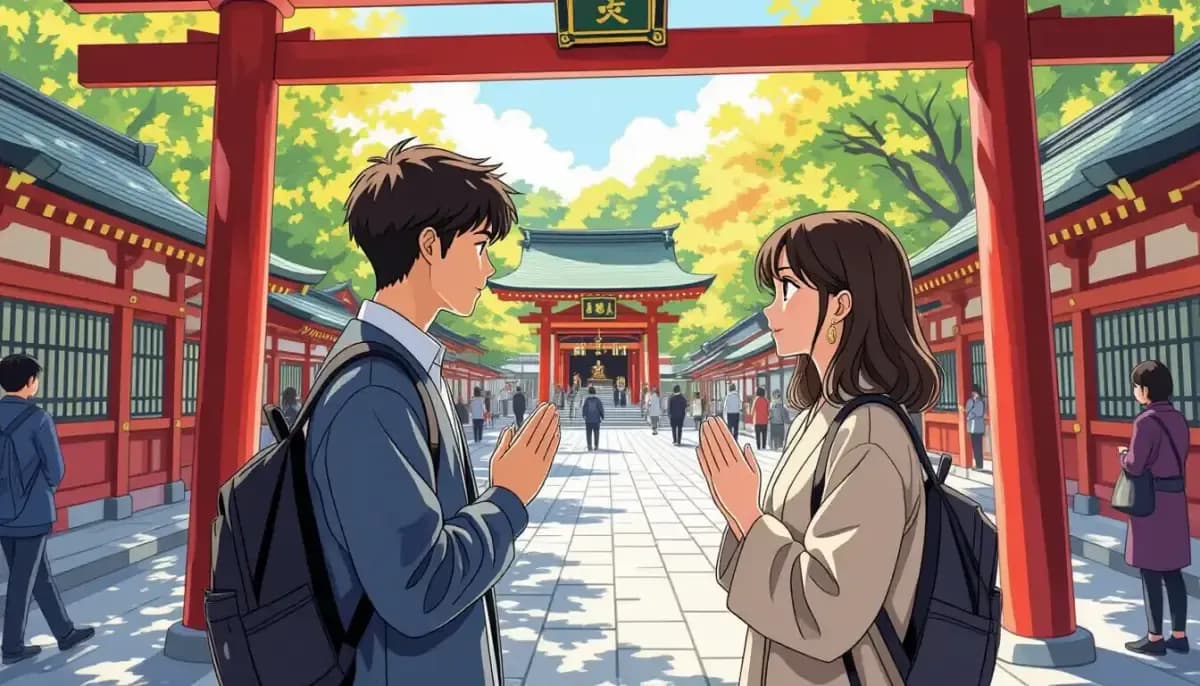
Religious Freedom and Practice in Japan for Foreigners
Complete guide to religious freedom in Japan for expats. Covers legal rights, Muslim, Christian, Hindu, Jewish communities, halal food, mosques, churches, and workplace accommodation tips.
Read more →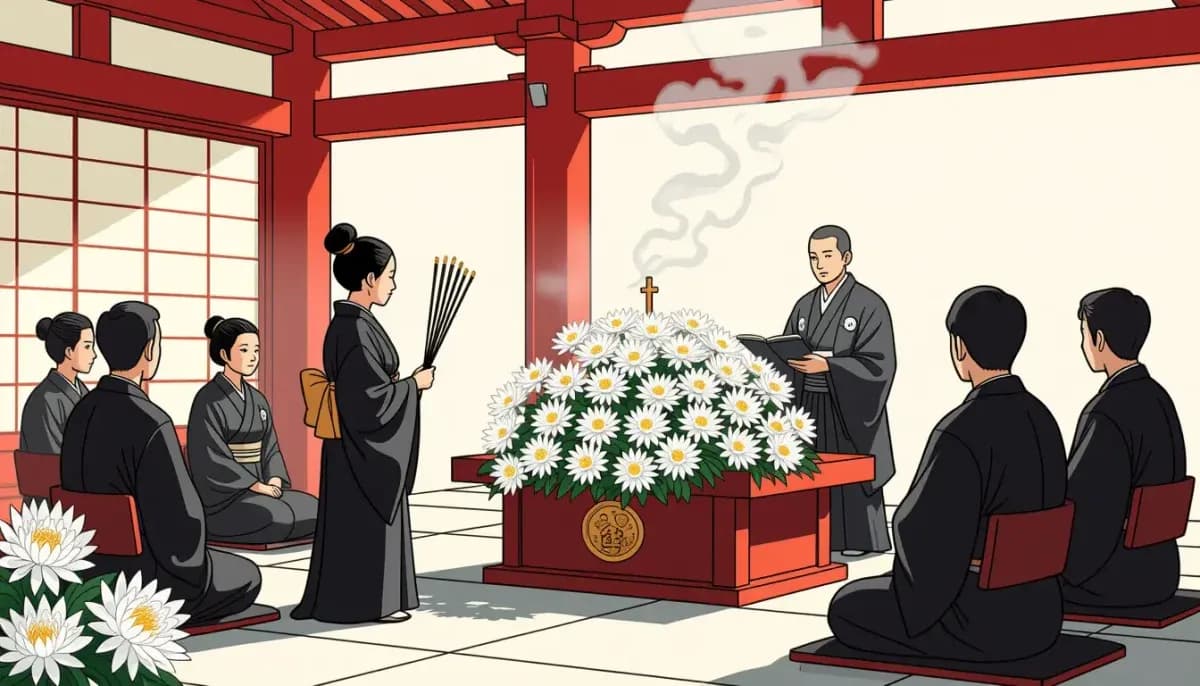
Japanese Funeral and Memorial Customs Explained
A complete guide to Japanese funeral and memorial customs for foreigners. Learn about the wake (otsuya), funeral ceremony, koden etiquette, dress code, cremation, kotsuage, and ongoing memorial services including Obon.
Read more →