
Japanese National Holidays Calendar and Guide
Complete guide to Japan's 16 national holidays including Golden Week, Silver Week, and New Year. Essential calendar and practical tips for foreigners living in Japan.
Read more →
Discover Japan's vibrant festival culture (matsuri). This complete guide covers major festivals by season, how foreigners can participate, etiquette tips, and seasonal traditions like Hanami, Obon, and New Year.
Japan is a land where ancient traditions and modern life coexist in vibrant harmony. For foreigners living in or visiting Japan, experiencing the country's rich festival culture — known as matsuri (祭り) — is one of the most rewarding aspects of life here. With an estimated 100,000 to 300,000 festivals held across the country each year, generating an economic impact of over 530 billion yen annually, matsuri are not just cultural curiosities; they are the living heartbeat of Japanese communities.
Whether you're a newcomer to Japan or a long-term resident looking to deepen your cultural understanding, this guide will walk you through everything you need to know about Japanese festivals and traditions — from the major national events to local neighborhood celebrations, participation etiquette, and how to make the most of each experience.
The word matsuri (祭り) literally means "festival" or "celebration," but the concept runs much deeper than a simple party. Matsuri originated as religious rites rooted in Shinto — Japan's indigenous animistic belief system — where spirits called kami (神) are believed to inhabit natural phenomena, ancestors, and sacred objects.
Historically, festivals were held to honor the kami, pray for abundant harvests, ward off disasters and disease, and express communal gratitude. Over centuries, these religious observances evolved into elaborate community events blending sacred ritual with festive celebration. Today, nearly every Shinto shrine in Japan holds at least one annual festival, and the spectrum ranges from intimate neighborhood gatherings to massive spectacles drawing millions of visitors.
Key elements commonly found at matsuri include:
As of 2024, 33 Japanese festivals have been inscribed on UNESCO's Intangible Cultural Heritage list, including the famous "Yama, Hoko, Yatai float festivals," a testament to their global cultural significance.
Japan's festival calendar is organized around the seasons, with each time of year bringing its own unique celebrations. Here's an overview of the most important festivals throughout the year:
| Festival | Location | Date | Highlight |
|---|---|---|---|
| Sapporo Snow Festival | Sapporo, Hokkaido | Early February | Giant snow and ice sculptures in Odori Park |
| Hinamatsuri (Girls' Day) | Nationwide | March 3 | Doll displays, peach blossoms, sweet rice wine |
| Hanami (Cherry Blossom) | Nationwide | Late March–April | Picnics under blooming sakura trees |
| Aoi Matsuri | Kyoto | May 15 | Heian-period procession of 500 people |
| Gion Matsuri | Kyoto | Entire July | 20m+ decorated floats, Japan's most famous festival |
| Tenjin Matsuri | Osaka | July 25 | River processions, fireworks, one of Japan's 3 greatest |
| Aomori Nebuta Matsuri | Aomori | Aug 2–7 | Massive illuminated lantern floats, millions of visitors |
| Awa Odori | Tokushima | Aug 12–15 | Largest dance festival, 1+ million attendees |
| Obon | Nationwide | Mid-August | Honoring ancestral spirits, Bon Odori dances |
| Jidai Matsuri | Kyoto | October 22 | Historical pageant through 1,200 years of Kyoto history |
| Shichigosan | Nationwide | November 15 | Children's growth celebration at Shinto shrines |
| Chichibu Yomatsuri | Chichibu, Saitama | Dec 2–3 | Night festival with fireworks, one of Japan's 3 best |
| Omisoka / New Year | Nationwide | December 31–Jan 1 | Temple bells, Hatsumode shrine visits |
Hanami (花見) — cherry blossom viewing — is perhaps the most universally beloved Japanese tradition. Each spring, when the sakura blooms (typically late March to early April), parks fill with families, friends, and colleagues picnicking beneath the blossoms. Hanami parties can range from casual afternoon outings to elaborately organized gatherings with reserved spots, catered food, and hours of celebration.
Hinamatsuri (ひな祭り) on March 3 is Girls' Day, when families with daughters display ornate sets of traditional dolls representing the imperial court. Special foods including chirashizushi (scattered sushi), hina-arare (colored rice crackers), and amazake (sweet fermented rice drink) are enjoyed.
Summer is the peak matsuri season. The heat, colorful yukata (summer kimono), and the sounds of taiko drums make this the most sensory-rich festival experience.
Gion Matsuri in Kyoto is Japan's most famous festival, running the entire month of July, with the main parade (Yamaboko Junko) on July 17. Enormous decorated floats called hoko and yama — some over 20 meters tall — are pulled through Kyoto's streets in a tradition over 1,100 years old.
Aomori Nebuta Matsuri (August 2–7) draws millions of visitors to see massive illuminated lantern floats depicting samurai warriors and mythological figures paraded through the night streets. The festival energy is electric, with thousands of haneto dancers leaping alongside the floats.
Awa Odori in Tokushima (August 12–15) is the largest dance festival in Japan, attracting over 1 million attendees. The famous saying goes: "The dancing fool and the watching fool are both fools — so why not dance?" Foreigners are often actively invited to join the dancing processions.
Obon (お盆), held in mid-August, is a Buddhist observance honoring the spirits of ancestors who return to visit the living. Communities hold Bon Odori (盆踊り) dances — circular folk dances performed to traditional music — and graves are cleaned and offerings made.
Shichigosan (七五三) on November 15 is a rite of passage for children aged 3, 5, and 7. Dressed in traditional kimono, children visit Shinto shrines with their parents to receive blessings for health and growth. It's a beautiful scene at major shrines throughout Japan.
Chichibu Yomatsuri (December 2–3) is a stunning night festival featuring massive floats illuminated by lanterns, fireworks launched in the mountain valley, and one of Japan's most atmospheric festival experiences.
Oshogatsu (お正月), the Japanese New Year, is the most significant holiday in the Japanese calendar. Traditions include Joya no Kane (108 temple bell rings on New Year's Eve), Hatsumode (first shrine visit of the year, often with enormous crowds), eating osechi ryori (special New Year foods), and receiving otoshidama (New Year's money gifts for children).
One of the most common questions foreigners ask is: "Am I allowed to participate?" The answer is almost always yes — and locals are often delighted when foreigners join in. Here's how to get involved:
Wearing a yukata (浴衣) — a casual summer kimono — is one of the best ways to immerse yourself in festival culture. Yukata rentals are widely available near major festival sites and tourist areas, usually including dressing assistance. For men, a jinbei (light two-piece summer wear) is a comfortable alternative.
Each festival has its own chants and calls. For mikoshi processions, the most common is "Wasshoi! Wasshoi!" (わっしょい). Aomori Nebuta has "Rassera Rassera!" while some festivals use "Oisa!" or "Yattosa!" Joining in the chanting is welcome and adds to the communal energy.
Bon Odori dances are designed for community participation — the same movements are repeated in a circle, making them easy to learn by watching and following along. Most summer festivals with Bon Odori actively encourage everyone to join.
No festival is complete without exploring the yatai (屋台) food stalls. Common festival foods include:
Bring plenty of coins (¥100–¥500 denominations) as many stalls prefer cash.
Joining a matsuri is a joyful experience, but a few etiquette rules will help you participate respectfully:
At Shinto shrines during festivals:
In crowds and processions:
At yatai stalls:
General tips:
For more on Japanese cultural etiquette and daily life, see our guide on Japanese Culture and Etiquette for Foreigners.
Japan's cultural calendar includes many important traditions that aren't full-scale festivals but are deeply woven into daily life:
On February 3 (the day before the traditional start of spring), Japanese families participate in mamemaki — throwing roasted soybeans while shouting "Oni wa soto! Fuku wa uchi!" ("Demons out! Good fortune in!"). Many shrines and temples hold public Setsubun events where celebrities and sumo wrestlers throw beans into crowds.
The Star Festival celebrates the legend of two separated star-crossed lovers (represented by the stars Vega and Altair) who are allowed to meet once a year. People write wishes on tanzaku (colorful paper strips) and hang them on bamboo branches. Many shopping streets and towns set up elaborate bamboo decorations.
Moon viewing, held on the 15th day of the 8th lunar month (usually September or October), is a quiet tradition of appreciating the harvest moon. Tsukimi dango (round white rice dumplings) and seasonal vegetables are displayed and enjoyed.
The transition from one year to the next is packed with tradition. Osoji (大掃除, year-end deep cleaning) purifies the home for the new year. On New Year's Eve, toshikoshi soba (buckwheat noodles) are eaten for longevity. On New Year's Day, the first activities of the year — first sunrise (Hatsuhinode), first tea ceremony (Hatsugama), first calligraphy (Kakizome) — all carry special significance.
For more on navigating daily Japanese traditions, visit Living in Nihon's Complete Guide to Japanese Seasons, Traditions & Events.
Planning to attend Japanese festivals? Here's what experienced expats recommend:
Transportation: Major festivals cause significant crowding on public transport. Check festival websites for special train schedules and road closures. Consider staying near the festival venue if attending a multi-day event. For general transport guidance, see our Complete Guide to Transportation in Japan.
Accommodation: Book well in advance for famous festivals like Gion Matsuri. Kyoto hotel prices spike during July and accommodation within the city can sell out months ahead.
Timing: For major parades, arrive 1–2 hours early to secure a viewing spot. Check official schedules as start times for processions are often precise.
Weather preparation: Summer festivals in Japan are hot and humid. Bring a hand fan (uchiwa), small towel, portable cooling spray, and a reusable water bottle. A folding umbrella doubles as sun and rain protection.
Language: Most major festivals have some English signage and information, but learning a few Japanese phrases goes a long way. Simple phrases like "Sumimasen" (excuse me) and "Arigatou gozaimasu" (thank you) are always appreciated.
For more on the practical side of life in Japan, including how to connect with local communities through events, check out For Work in Japan's resources for foreigners in Japan and Ittenshoku's career and lifestyle guides.
Beyond the famous national festivals, virtually every neighborhood in Japan holds its own chinjusha matsuri (local shrine festival). These smaller events are often more intimate and offer a more authentic community experience than the tourist-heavy mega-festivals.
Ways to find local festivals:
Also check our guide on Making Friends and Social Life in Japan — local festivals are one of the best opportunities to connect with Japanese neighbors and build lasting friendships.
Japanese festivals and traditions offer a window into the soul of Japan — a country that honors its past while celebrating community, nature, and the passage of time. For foreigners, participating in matsuri is not just entertainment; it's one of the most meaningful ways to connect with Japanese culture and build genuine relationships with local communities.
Don't be shy about joining in. Wear the yukata, eat the takoyaki, learn the chants, and let yourself be swept up in the collective joy of thousands of people celebrating together. Japan's festival culture is generous and welcoming — and the memories you make at a matsuri will stay with you long after the lanterns are packed away.
For a broader understanding of Japanese culture and how to navigate daily life as a foreigner, be sure to explore our other guides including Japanese Food and Cooking, Daily Life in Japan, and the Complete Guide to Japanese Culture and Etiquette.
Complete guide to Japan's 16 national holidays including Golden Week, Silver Week, and New Year. Essential calendar and practical tips for foreigners living in Japan.
Read more →
Learn everything about Japanese gift giving seasons ochugen and oseibo. Timing, etiquette, gift ideas, and practical tips for foreigners living and working in Japan.
Read more →
Everything foreign parents need to know about Japan's Shichi-Go-San festival: which ages celebrate, kimono rental costs, shrine visits, chitose-ame candy, and participation tips.
Read more →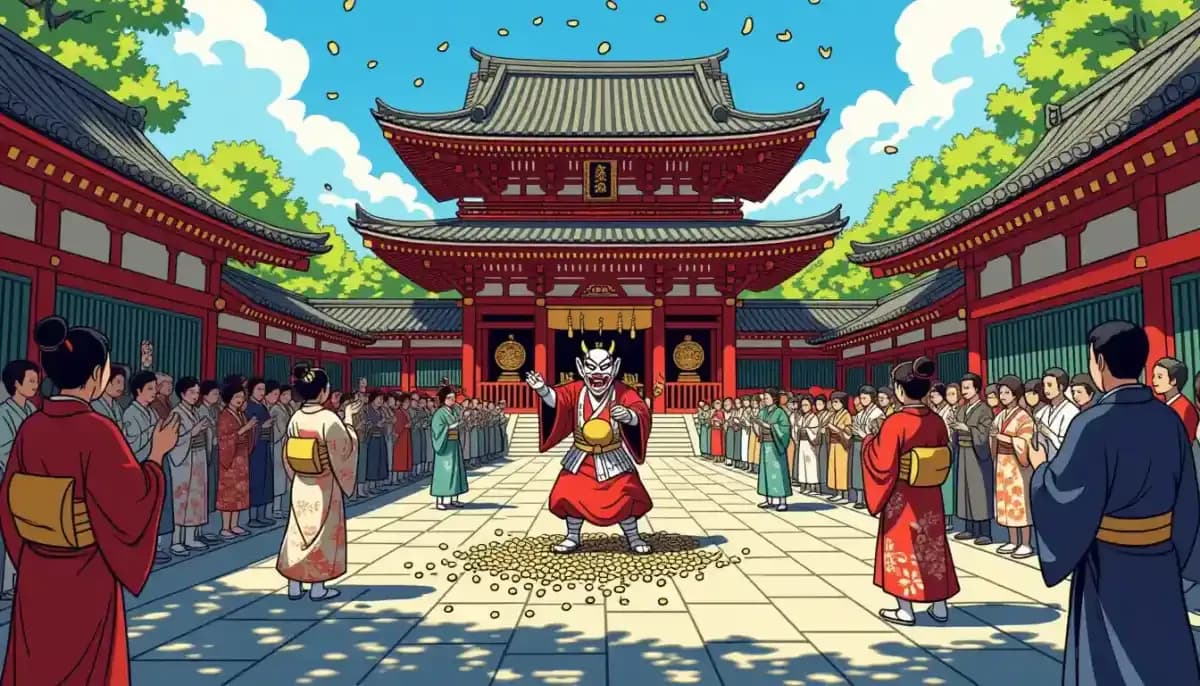
Complete guide to Setsubun, Japan's February bean-throwing festival. Learn about mamemaki, eho-maki, where to watch public events, and how foreigners can participate in this beloved tradition.
Read more →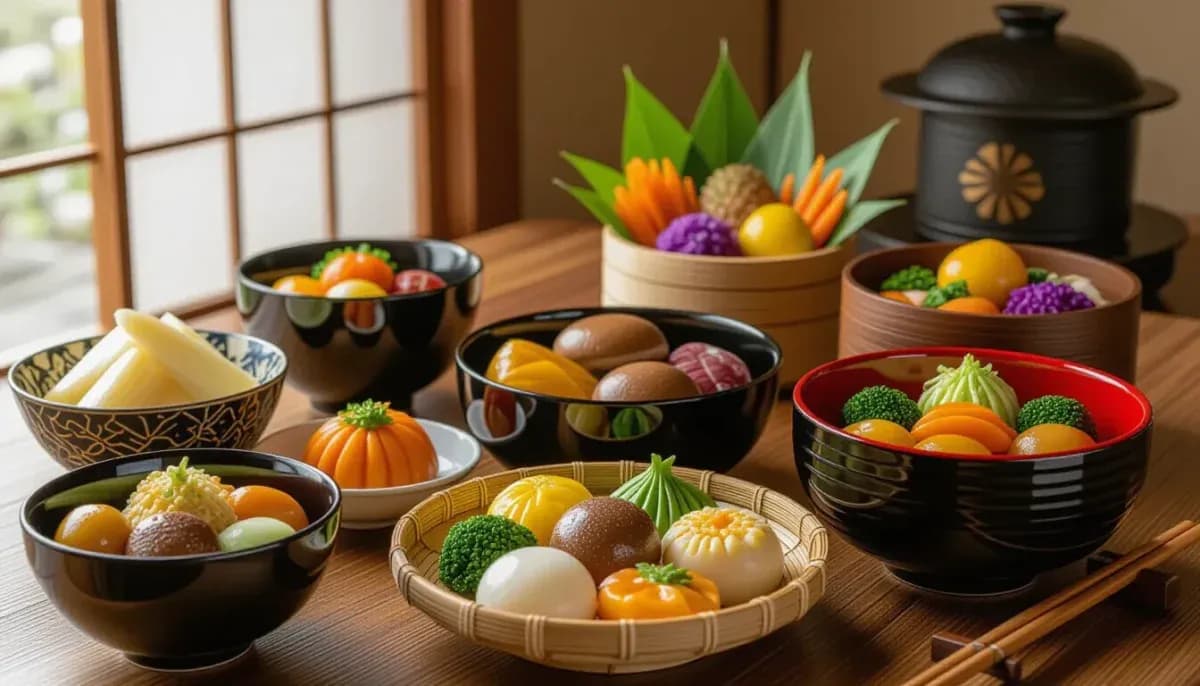
Discover Japan's seasonal food calendar month by month. Learn about shun (旬), what to eat each season, cultural food traditions, and practical tips for expats living in Japan.
Read more →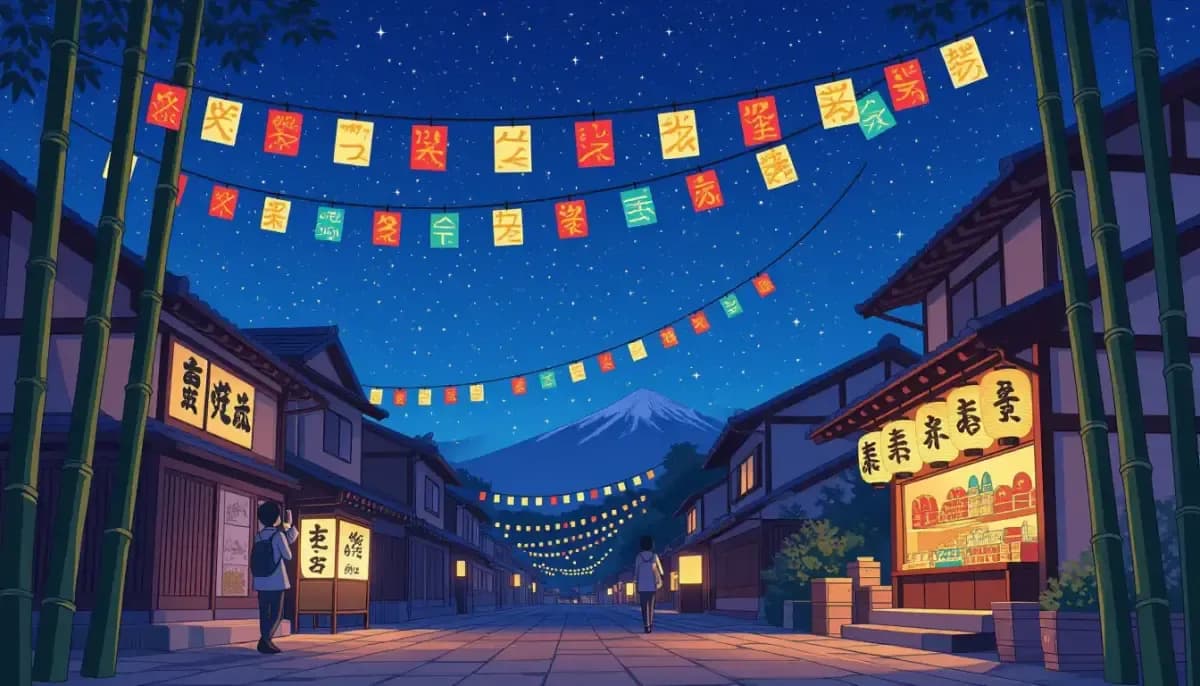
Everything you need to know about Tanabata — Japan's Star Festival. Discover the legend of Orihime and Hikoboshi, how to write tanzaku wishes, the best festivals to attend (Sendai, Hiratsuka), and practical tips for foreigners joining the celebration.
Read more →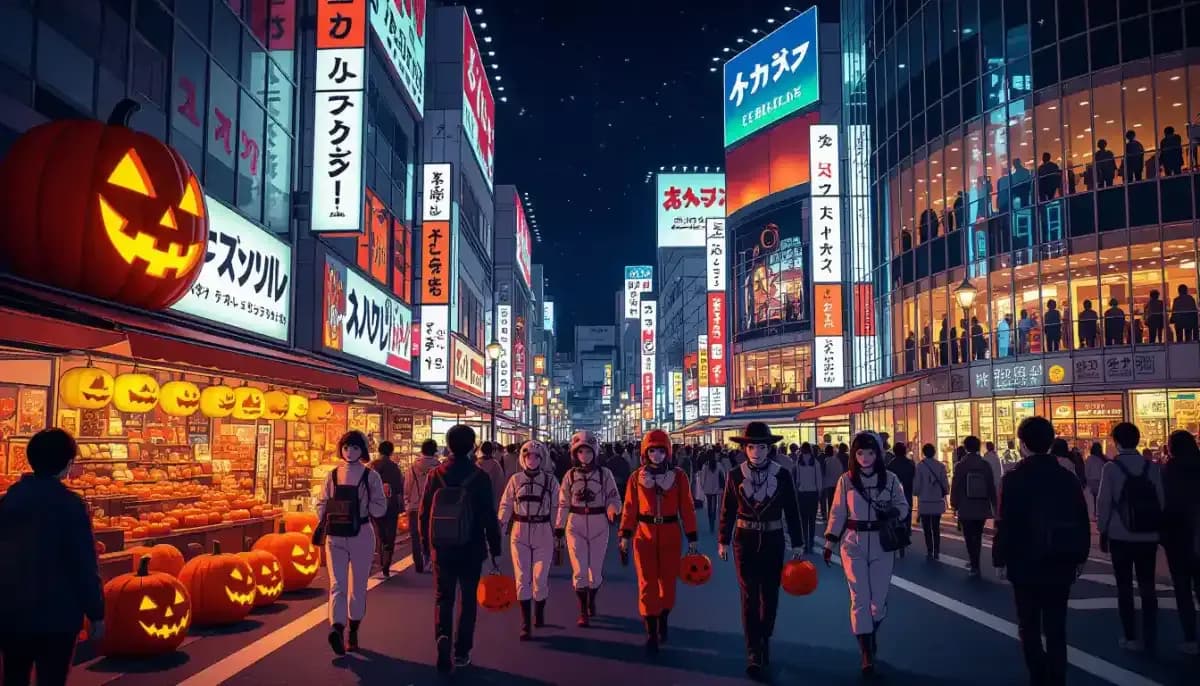
Halloween in Japan has grown from a single theme park event in 2000 into a nationwide cosplay and celebration phenomenon. Learn about the history, top events, and tips for foreigners participating in Japanese Halloween.
Read more →
Discover how Japan celebrates Christmas with KFC fried chicken, strawberry cake, dazzling illuminations, and romantic date nights. A complete guide for foreigners living in Japan.
Read more →
Everything foreigners need to know about Golden Week in Japan — dates, history, public holidays, travel tips, festivals, and how to survive (and enjoy) Japan's busiest holiday season.
Read more →
Everything foreigners need to know about Japanese summer festivals (matsuri): top events like Gion Matsuri, what to wear, what to eat, fireworks tips, and practical etiquette advice.
Read more →
Everything foreigners need to know about Japan's Obon festival — dates, traditions, Bon Odori dancing, famous festivals, travel tips, and etiquette for expats and visitors.
Read more →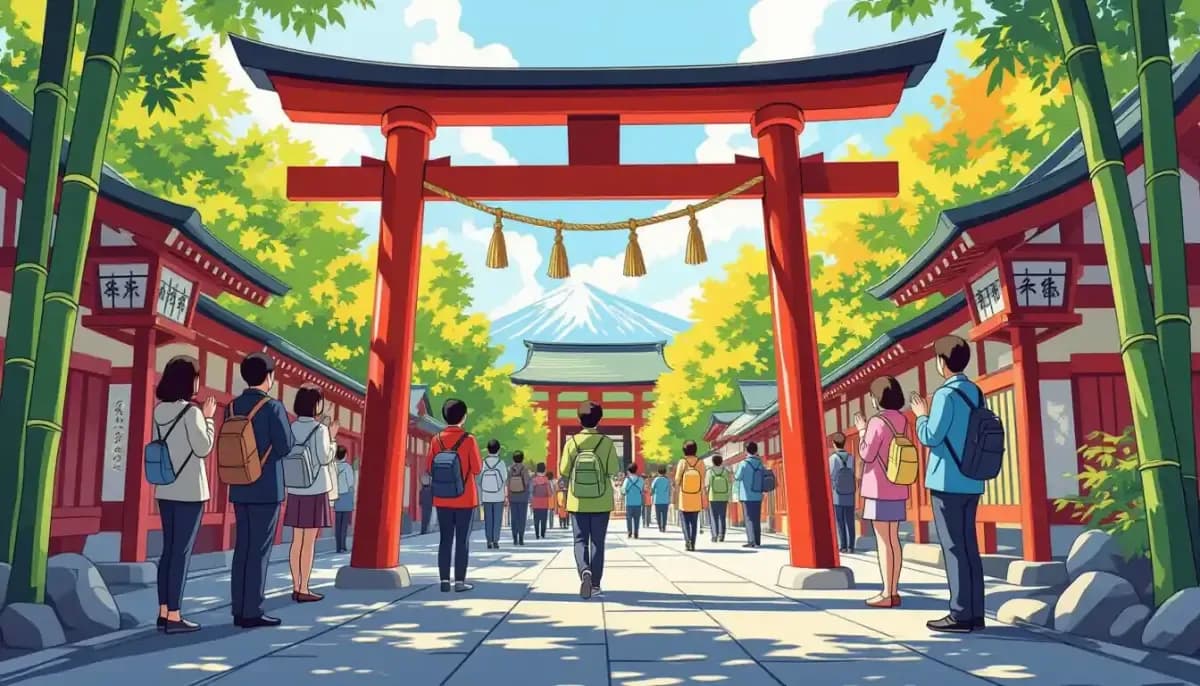
Discover everything about Japanese New Year (Oshogatsu) traditions and customs: hatsumode shrine visits, osechi ryori, Joya no Kane bells, otoshidama, and practical tips for foreigners living in Japan.
Read more →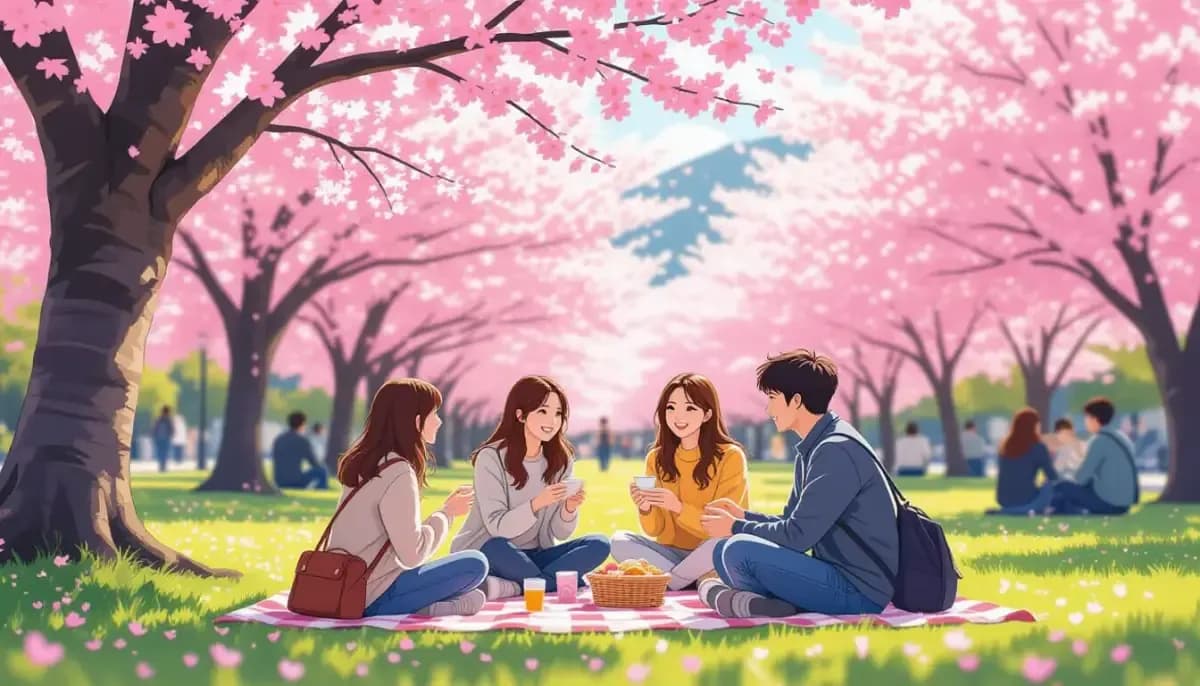
Your complete guide to cherry blossom hanami season in Japan: when to go, best spots in Tokyo and Kyoto, what to bring, etiquette tips, food guide, and practical advice for foreigners.
Read more →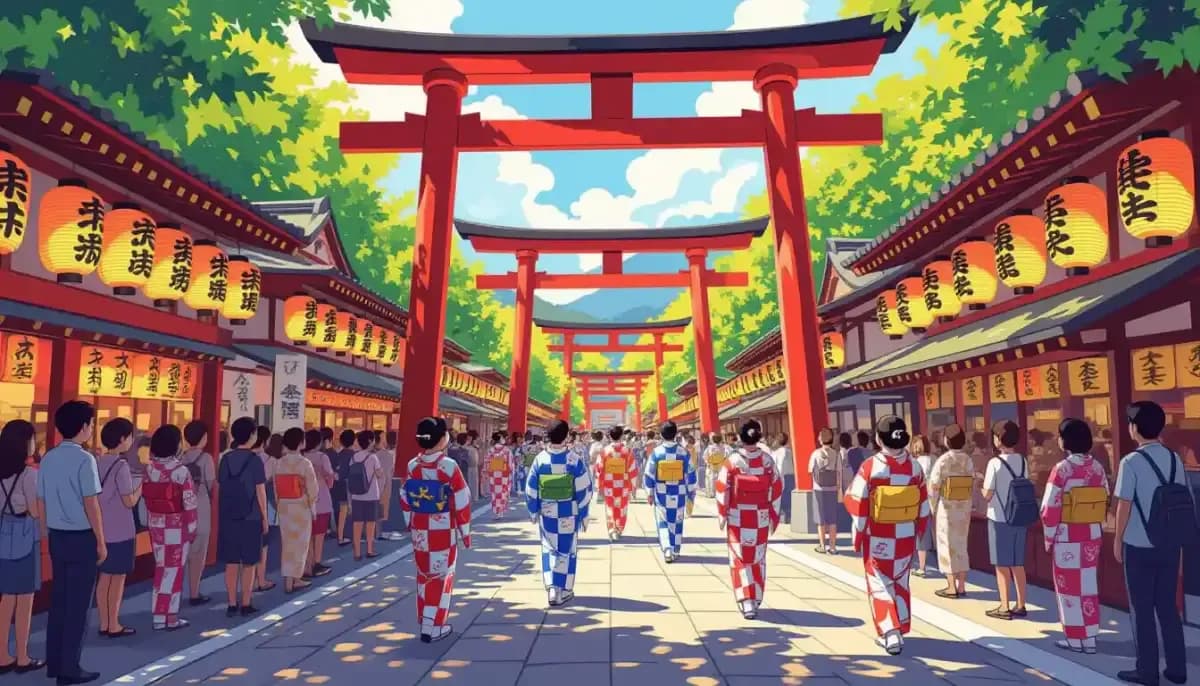
A complete guide to Japan's best matsuri festivals for foreign residents — from Gion Matsuri and Awa Odori to local neighborhood events, with participation tips and etiquette.
Read more →