
Japanese National Holidays Calendar and Guide

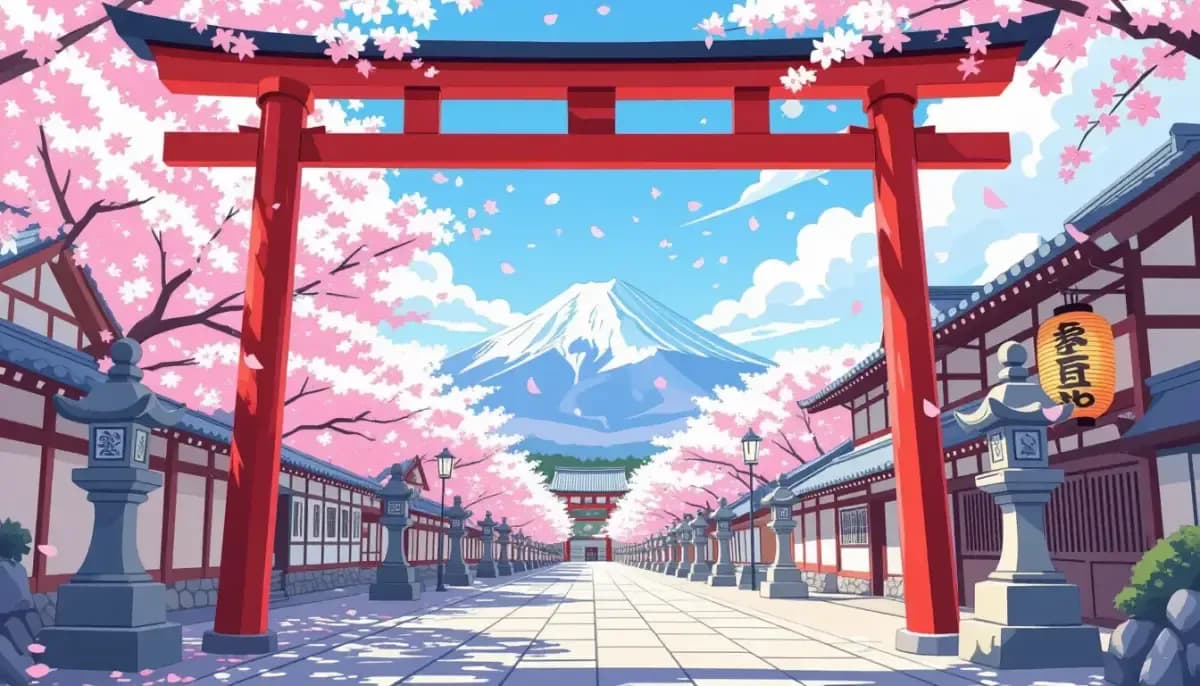
Complete guide to Japan's 16 national holidays including Golden Week, Silver Week, and New Year. Essential calendar and practical tips for foreigners living in Japan.
Japanese National Holidays Calendar and Guide for Foreigners
If you're living or working in Japan as a foreigner, understanding the country's national holidays is essential. Japan's public holiday system is unique, carefully structured, and deeply tied to culture, history, and nature. From the frenzied travel chaos of Golden Week to the rare magic of Silver Week, these days off shape the rhythm of life in Japan in ways that might surprise newcomers.
Japan has 16 official national holidays per year, established by the Public Holiday Law (国民の祝日に関する法律) in 1948. Unlike many Western countries, Japanese holidays don't always fall on fixed dates — some are calculated based on lunar calendars or shifted to Mondays to create long weekends. This guide covers everything you need to know: the complete holiday calendar, cultural meanings, practical tips for expats, and how to make the most of each holiday period.
!Japanese national holidays calendar with cherry blossoms and traditional decorations

Complete List of Japanese National Holidays
Japan's 16 national holidays are spread throughout the year, with notable clusters in late April/early May (Golden Week) and September (when Silver Week occasionally occurs).
| Holiday | Japanese Name | Date | Type |
|---|---|---|---|
| New Year's Day | 元日 (Ganjitsu) | January 1 | Fixed |
| Coming of Age Day | 成人の日 (Seijin no Hi) | 2nd Monday of January | Happy Monday |
| National Foundation Day | 建国記念の日 | February 11 | Fixed |
| Emperor's Birthday | 天皇誕生日 | February 23 | Fixed |
| Vernal Equinox Day | 春分の日 (Shunbun no Hi) | ~March 20-21 | Variable |
| Showa Day | 昭和の日 (Showa no Hi) | April 29 | Fixed |
| Constitution Memorial Day | 憲法記念日 (Kenpo Kinenbi) | May 3 | Fixed |
| Greenery Day | みどりの日 (Midori no Hi) | May 4 | Fixed |
| Children's Day | こどもの日 (Kodomo no Hi) | May 5 | Fixed |
| Marine Day | 海の日 (Umi no Hi) | 3rd Monday of July | Happy Monday |
| Mountain Day | 山の日 (Yama no Hi) | August 11 | Fixed |
| Respect for the Aged Day | 敬老の日 (Keiro no Hi) | 3rd Monday of September | Happy Monday |
| Autumnal Equinox Day | 秋分の日 (Shubun no Hi) | ~September 22-23 | Variable |
| Sports Day | スポーツの日 (Sports no Hi) | 2nd Monday of October | Happy Monday |
| Culture Day | 文化の日 (Bunka no Hi) | November 3 | Fixed |
| Labor Thanksgiving Day | 勤労感謝の日 (Kinro Kansha no Hi) | November 23 | Fixed |
Understanding this calendar helps you plan everything from travel and time off requests to banking errands and grocery runs — because not everything stays open on Japanese public holidays.
Golden Week: Japan's Most Important Holiday Period
Golden Week (ゴールデンウィーク) is Japan's longest and most celebrated holiday cluster. Running from April 29 to May 5-6, it combines four national holidays within a seven-day period:
- April 29 — Showa Day: Commemorates Emperor Showa (Hirohito), who reigned from 1926 to 1989. Originally the Emperor's Birthday, it was renamed after his death to reflect on his reign and the recovery of Japan.
- May 3 — Constitution Memorial Day: Celebrates the anniversary of Japan's postwar constitution coming into effect in 1947, which established Japan's democratic system.
- May 4 — Greenery Day: Dedicated to nature and the environment, honoring Emperor Showa's love of plants and green spaces.
- May 5 — Children's Day: A day to celebrate children's happiness and respect their personalities. Families display koinobori (鯉のぼり — carp-shaped streamers) and kabuto (warrior helmets) to wish for their children's strength and health.
For expats, Golden Week means:
- Most offices, government agencies, and banks are closed
- Shinkansen and highway traffic reaches its peak — book tickets 1-2 months in advance
- Popular tourist spots (Kyoto, Hakone, Tokyo Disneyland) are extremely crowded
- Hotel prices can increase 2-3x during peak dates
- Many Japanese colleagues will travel, so plan work deadlines around this period
If you're new to Japan, Golden Week is the perfect time to explore the country — just book everything well in advance.
For more on working life in Japan, see our guide to working in Japan as a foreigner.
Silver Week: The Rare Bonus Holiday Cluster
Silver Week (シルバーウィーク) is Japan's occasional September holiday cluster that forms when two autumn holidays fall in just the right alignment. It only occurs every 5 to 7 years, making it a special event when it does appear.
Silver Week forms when:
- Respect for the Aged Day (3rd Monday of September) and Autumnal Equinox Day (~September 22-23) fall just two days apart
- The weekday between them becomes a Citizens' Holiday (国民の休日) — a bonus day off under Japanese law
In 2026, Silver Week runs from September 19 (Saturday) to September 23 (Wednesday) — giving many workers a five-day holiday break. This is the first Silver Week since 2015, and the next one won't occur until 2032. If you're in Japan in autumn 2026, make the most of it!
Like Golden Week, Silver Week brings crowded transportation and tourist sites. Book travel early if you plan to take a trip.
!Silver Week Japan autumn leaves travel guide

How Japan's Holiday System Works
Japan's holiday rules can feel confusing at first. Here's a breakdown of the key rules every foreigner should understand:
Rule 1: Sunday Compensation (振替休日 — furikae kyujitsu) When a national holiday falls on a Sunday, the following Monday automatically becomes a public holiday (compensatory holiday). This ensures everyone gets their day off.
Rule 2: Citizens' Holiday (国民の休日 — kokumin no kyujitsu) Any weekday that is sandwiched between two public holidays automatically becomes a holiday itself. This is how Silver Week is created.
Rule 3: The Happy Monday System (ハッピーマンデー制度) Since 2000, Japan moved several holidays to Mondays to create three-day weekends. Holidays affected include:
- Coming of Age Day → 2nd Monday of January
- Marine Day → 3rd Monday of July
- Respect for the Aged Day → 3rd Monday of September
- Sports Day → 2nd Monday of October
This system means the exact dates of these four holidays change every year. Always check a current calendar rather than assuming the date from memory.
For practical tips on navigating daily life in Japan, see our daily life guide for foreigners.
New Year: Japan's Biggest Holiday Season
New Year in Japan (お正月 — Oshogatsu) is more significant than any other holiday period. While January 1 (New Year's Day) is the only official public holiday, the reality is that Japanese society essentially shuts down from approximately December 29 through January 3.
What to expect:
- Government offices, banks, post offices, and most businesses close from Dec 29 or 30
- Grocery stores may have limited hours or close entirely on January 1
- Trains and Shinkansen are extremely busy on December 28-30 and January 3-4 as people travel home
- Shrines and temples are packed on January 1 (Hatsumode — the first shrine visit of the year)
- Department stores typically hold New Year sales (初売り — Hatsuuri) starting January 2
As a foreigner in Japan, stock up on food and cash before December 28. Many ATMs in convenience stores work fine, but bank ATMs may have limited hours. Most convenience stores (コンビニ) remain open 24/7 even during New Year — a genuine lifesaver for expats.
For more on managing money in Japan, see our banking and finance guide.
Monthly Holiday Guide: What Each Holiday Means
Understanding the meaning behind each holiday enriches your experience in Japan. Here's a quick cultural guide:
January — Coming of Age Day (成人の日) Held on the second Monday of January, this day celebrates young people turning 20 (or 18, following the 2022 age of majority change). Cities hold ceremonies called Seijin-shiki, and young women wear furisode kimono while men wear hakama or suits. It's one of the most visually striking days in Japan — look out for beautifully dressed young people.
February — National Foundation Day & Emperor's Birthday National Foundation Day (February 11) commemorates Japan's founding as a nation, based on the legendary enthronement of Emperor Jimmu. The Emperor's Birthday (February 23) celebrates the current Emperor Naruhito, born in 1960. The Imperial Palace in Tokyo holds special events on this day.
March — Vernal Equinox Day (春分の日) The first major holiday of spring falls around March 20-21. Many Japanese families visit ancestral graves and hold Buddhist memorial services. The date changes slightly each year based on astronomical calculations.
July — Marine Day (海の日) Held on the third Monday of July, Marine Day celebrates Japan's relationship with the ocean — fitting for an island nation. It falls during Japan's summer and often marks the unofficial start of beach season.
August — Mountain Day (山の日) Japan's newest national holiday, added in 2016. With about 80% of Japan's territory covered by mountains, Mountain Day on August 11 celebrates the country's mountainous landscape. Many people use the day for hiking trips to Mt. Fuji or other peaks.
October — Sports Day (スポーツの日) Formerly Health and Sports Day, it celebrates the 1964 Tokyo Olympics and promotes physical activity. The second Monday of October is a popular day for community sports events and outdoor activities.
November — Culture Day & Labor Thanksgiving Day Culture Day (November 3) celebrates arts, academics, and freedom. The government awards the Order of Culture to distinguished citizens. Labor Thanksgiving Day (November 23) has roots in ancient harvest festivals and honors workers and production.
For tips on enjoying Japanese festivals and traditions, see our guide to Japanese festivals and traditions.
Practical Tips for Foreigners: Navigating Japanese Holidays
Plan banking and government errands in advance All banks, post offices, ward offices, and government agencies are closed on national holidays. If you need to renew your residence card, visit immigration, or make a bank transfer, check the holiday calendar first. During Golden Week and New Year, you may need to wait up to two weeks for offices to reopen.
Book transportation early for major holiday periods Shinkansen seats during Golden Week and New Year sell out weeks in advance, especially for popular routes like Tokyo-Osaka and Tokyo-Fukuoka. Use the JR reservation system to book as early as possible. If you must travel last-minute, overnight buses (高速バス) are a more available alternative.
Know what stays open Most convenience stores (7-Eleven, FamilyMart, Lawson) are open 24/7 year-round. Supermarkets and department stores often remain open during holidays except for New Year's Day itself. Restaurants are generally open but may be busier than usual.
Understand your work holiday entitlement Under Japanese labor law, national holidays are days off for employees. However, some industries — particularly retail, hospitality, and healthcare — often require staff to work on public holidays. If you work on a holiday, you're generally entitled to substitute holiday pay or a compensatory day off. Check your employment contract carefully.
For more on employment rights in Japan, see our complete guide to working in Japan.
For additional expat lifestyle resources, Housing Japan's public holiday guide is an excellent practical reference. You can also find comprehensive Japan living advice at Living in Nihon and career insights at For Work in Japan and Ittenshoku.
2026 Japanese National Holiday Calendar
For those planning ahead, here are Japan's national holidays for 2026:
| Date | Day | Holiday | Notes |
|---|---|---|---|
| January 1 | Thursday | New Year's Day | |
| January 12 | Monday | Coming of Age Day | 2nd Monday |
| February 11 | Wednesday | National Foundation Day | |
| February 23 | Monday | Emperor's Birthday | |
| March 20 | Friday | Vernal Equinox Day | |
| April 29 | Wednesday | Showa Day | Golden Week begins |
| May 3 | Sunday | Constitution Memorial Day | May 4 becomes substitute |
| May 4 | Monday | Greenery Day (+ May 3 substitute) | Double holiday |
| May 5 | Tuesday | Children's Day | Golden Week ends |
| July 20 | Monday | Marine Day | 3rd Monday |
| August 11 | Tuesday | Mountain Day | |
| September 21 | Monday | Respect for the Aged Day | Silver Week begins |
| September 22 | Tuesday | Citizens' Holiday | Bonus holiday |
| September 23 | Wednesday | Autumnal Equinox Day | Silver Week ends |
| October 12 | Monday | Sports Day | 2nd Monday |
| November 3 | Tuesday | Culture Day | |
| November 23 | Monday | Labor Thanksgiving Day |
2026 is a particularly good year for holidays in Japan — the rare Silver Week alignment means five consecutive days off in September, making it an excellent year to plan travel within Japan.
For the most up-to-date list of Japanese national holidays, the Japan National Holidays and Golden Week guide by Rakuten Travel is a reliable resource to bookmark.
Conclusion: Making the Most of Japanese National Holidays
Japan's national holiday system reflects the country's values: respect for nature, history, family, labor, and culture. For foreigners living in Japan, these 16 days are not just days off — they're windows into Japanese life, opportunities to travel, and moments to connect with local traditions.
Key takeaways for expats:
- Book travel early for Golden Week, Silver Week, and New Year — especially Shinkansen tickets
- Plan banking and admin around closures to avoid being stranded without cash or documents
- Embrace the culture — visit shrines on New Year, watch Coming of Age Day ceremonies, attend local matsuri during holiday weekends
- Check the calendar yearly since Happy Monday holidays change dates annually
- 2026 is special — Silver Week returns for the first time since 2015
With this guide in hand, you'll be well-prepared to navigate Japan's holiday calendar like a seasoned resident rather than a confused newcomer.
For more on living in Japan, explore our guides on Japanese culture and etiquette and transportation in Japan.

Originally from Vietnam, living in Japan for 16+ years. Graduated from Nagoya University, with 11 years of professional experience at Japanese and international companies. Sharing information about living in Japan for foreigners.
View Profile →Related Articles
Japanese Gift Giving Seasons Ochugen and Oseibo Guide
Learn everything about Japanese gift giving seasons ochugen and oseibo. Timing, etiquette, gift ideas, and practical tips for foreigners living and working in Japan.
Read more →
Shichi Go San Children Festival Explained for Foreign Parents
Everything foreign parents need to know about Japan's Shichi-Go-San festival: which ages celebrate, kimono rental costs, shrine visits, chitose-ame candy, and participation tips.
Read more →
Setsubun Bean Throwing Festival Guide
Complete guide to Setsubun, Japan's February bean-throwing festival. Learn about mamemaki, eho-maki, where to watch public events, and how foreigners can participate in this beloved tradition.
Read more →
Japanese Seasonal Foods Calendar and Guide
Discover Japan's seasonal food calendar month by month. Learn about shun (旬), what to eat each season, cultural food traditions, and practical tips for expats living in Japan.
Read more →
Tanabata Star Festival in Japan Explained
Everything you need to know about Tanabata — Japan's Star Festival. Discover the legend of Orihime and Hikoboshi, how to write tanzaku wishes, the best festivals to attend (Sendai, Hiratsuka), and practical tips for foreigners joining the celebration.
Read more →
Halloween in Japan How It Has Become a Major Event
Halloween in Japan has grown from a single theme park event in 2000 into a nationwide cosplay and celebration phenomenon. Learn about the history, top events, and tips for foreigners participating in Japanese Halloween.
Read more →