
Shichi Go San Children Festival Explained for Foreign Parents

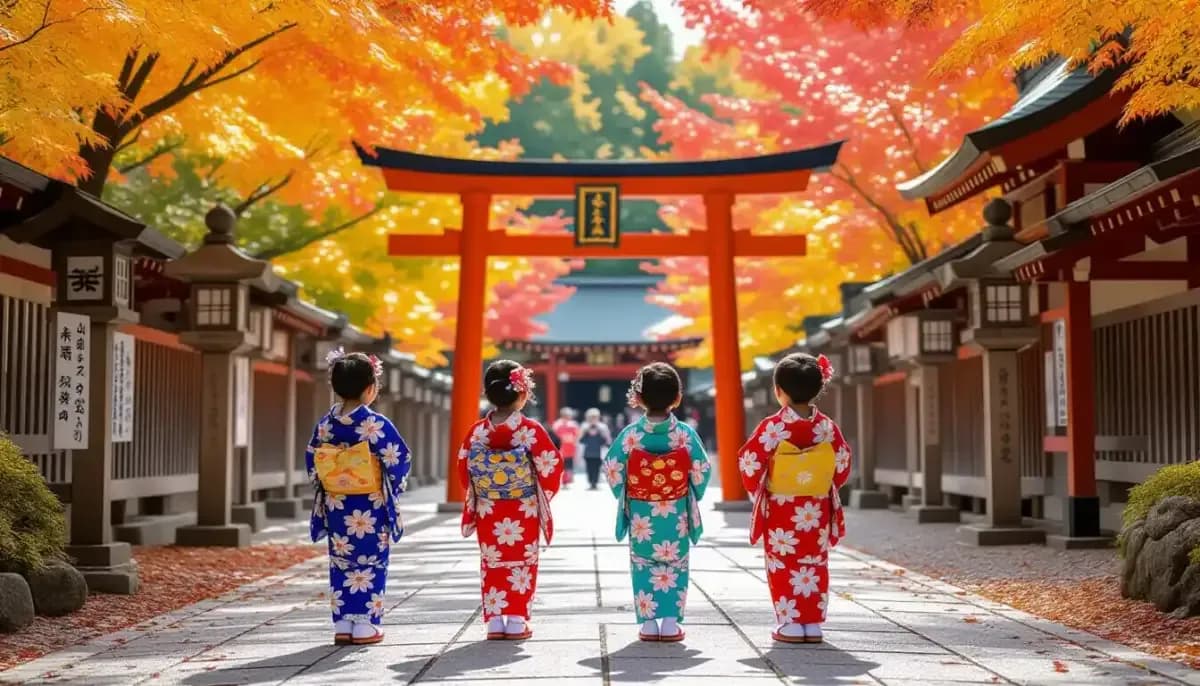
Everything foreign parents need to know about Japan's Shichi-Go-San festival: which ages celebrate, kimono rental costs, shrine visits, chitose-ame candy, and participation tips.
Shichi-Go-San Children Festival Explained for Foreign Parents
If you have young children and are living in Japan, November is a magical month. You will notice families dressed in stunning kimono heading to shrines, children clutching long bags of colorful candy, and the air filled with a sense of celebration and gratitude. This is Shichi-Go-San (七五三), one of Japan's most beloved childhood traditions — and as a foreign parent, you are absolutely welcome to join in.
This guide explains everything you need to know about Shichi-Go-San: what it is, which children participate, how to prepare, what to wear, how to choose a shrine, and how to make the most of this beautiful Japanese milestone.
What Is Shichi-Go-San?
Shichi-Go-San literally means "Seven-Five-Three" in Japanese, referring to the ages of children who are celebrated: girls aged 3 and 7, and boys aged 5 (some families also include boys at 3). The festival is observed on November 15, though most modern families visit shrines on the nearest weekend for convenience.
The celebration is rooted in Shinto tradition and serves as a public thanksgiving for a child's health and growth, along with prayers for a bright future. Families dress their children in traditional attire — usually kimono — and visit a local Shinto shrine for blessings from a priest.
The origin of Shichi-Go-San dates back to the Heian period (794–1185), when it was first practiced by court nobles who marked their children's growth with formal ceremonies. By the Edo period (1603–1867), the tradition had spread from samurai families throughout Japan. In an era of high infant mortality, surviving to age 3, 5, or 7 was genuinely remarkable — and these milestones were celebrated with deep gratitude.
For more on Japanese traditions and how they fit into daily life, see our guide on Japanese festivals and traditions.
Which Children Participate and When?
Understanding the age rules helps you plan ahead:
| Child | Age | Ceremony |
|---|---|---|
| Girls | 3 years old | Kamioki — hair-growing ceremony |
| Boys | 5 years old | Hakamagi — first time wearing hakama trousers |
| Girls | 7 years old | Obitoki — first time wearing a proper obi sash |
| Boys (optional) | 3 years old | Kamioki — same as girls at this age |
These three ceremonies have distinct historical origins that merged into the unified Shichi-Go-San celebration we know today. The ages are calculated using the traditional Japanese counting system (kazoe-doshi), where a child is considered 1 at birth and gains a year each January 1. However, most modern families simply use the Western age system — ask your shrine about which they follow.
The official date is November 15, but families typically celebrate throughout October and November, with mid-November weekends being the busiest. Visiting in early November or on a weekday can reduce crowds significantly.
Traditional Kimono and What Children Wear
The most iconic part of Shichi-Go-San is the traditional clothing. Seeing children in full kimono at a shrine is a breathtaking sight, and dressing your own child this way is a once-in-a-lifetime experience.
Girls aged 3 wear a kimono with shoulder tucks and no obi, paired with a decorative vest called a hifu. The style is more casual and suited to young children who are still learning to walk in traditional clothing.
Girls aged 7 wear a full formal kimono with a proper obi sash — similar to what adult women wear. This transition marks the shift toward more grown-up attire and is symbolically significant.
Boys aged 5 (and sometimes 3) don a haori jacket and hakama trousers, often featuring the family crest. This formal ensemble represents their growing responsibility and connection to Japanese tradition.
In recent years, many families also dress children in Western formal wear — suits for boys, dresses for girls. While less traditional, this is entirely acceptable. The spirit of the celebration matters more than strict adherence to dress code.
Kimono Rental vs. Purchase
Most families rent kimono rather than buying, which significantly reduces costs. Here is a rough breakdown:
| Option | Cost |
|---|---|
| Kimono rental (child) | From ¥16,000 |
| Full rental set with hair/makeup | ¥30,000–¥80,000 |
| Purchase (new kimono) | ¥50,000–¥200,000+ |
| Secondhand kimono | ¥5,000–¥30,000 |
Many rental shops include dressing assistance, hair styling, and accessories in their packages. Some photo studios (see below) also offer rental as part of a complete photography and ceremony package. Book early — September and October fill up quickly.
Choosing a Shrine and What Happens There
Any Shinto shrine can perform Shichi-Go-San blessings, from the grand Meiji Jingu in Tokyo to your neighborhood shrine. Famous shrines are beautiful but can be extremely crowded during peak season. For a more personal experience, many expat families prefer smaller local shrines where the atmosphere is calmer and staff are often more flexible with non-Japanese families.
Before you visit:
- Call ahead or check the shrine's website to confirm they perform Shichi-Go-San blessings (most do)
- Some shrines require advance reservations; others accept walk-ins
- Arrive early in the morning on weekends to avoid queues
- Typical shrine prayer fees (hatsuhō-ryō) are around ¥10,000
During the ceremony: The Shinto priest (kannagi) performs a ritual purification (harae), recites prayers (norito), and offers blessings for the child's health and happiness. The ceremony is relatively short — usually 20–30 minutes. You do not need to be Shinto or speak Japanese to participate. The shrine staff are accustomed to foreign families and will guide you through the process.
After the ceremony: Families receive a chitose-ame bag and often a small set of lucky charms (omamori). Many families then take commemorative photos at the shrine grounds.
For guidance on navigating shrines and other cultural practices, visit Living in Nihon for expat-focused resources on Japanese culture.
Chitose-Ame: The Thousand-Year Candy
The chitose-ame (千歳飴) is one of the most iconic symbols of Shichi-Go-San. These long, thin sticks of hard candy — typically red and white — are presented to children in decorative bags featuring cranes and turtles, which are traditional symbols of longevity in Japan.
The name "chitose" means "a thousand years," and the candy's elongated shape symbolizes the wish for a long, healthy life. The candy is usually very sweet and sometimes flavored with plum or strawberry. Children often receive a number of sticks corresponding to their age.
Most shrines distribute chitose-ame as part of the blessing ceremony, or you can purchase it at confectionery shops and department stores throughout October and November. It also makes a meaningful souvenir for grandparents back home.
Photography: Capturing the Memories
Professional photos are a central part of the modern Shichi-Go-San experience. The image of a small child in an elaborate kimono standing before a vermillion torii gate is one of Japan's most iconic family portraits.
Photo studio options:
| Studio | Price Range |
|---|---|
| Studio Alice | From ¥7,530 (weekday) |
| Studio250 | From ¥18,700 |
| Fotowa (freelance photographers) | Flexible pricing |
| Shrine-affiliated photographers | Varies by shrine |
Money-saving tips for photos:
- Book sessions between January and August for off-season discounts
- Weekday sessions are significantly cheaper than weekends
- Many studios bundle kimono rental with photography packages
- Purchase digital files first; print physical copies later to compare prices
- Some shrine photographers offer on-site portraits immediately after the ceremony
If you plan to do both a studio session and shrine photos, consider doing the studio shoot first (often in October) when children are fresh, then a more relaxed shrine visit on the actual ceremony day.
Can Foreign Families Fully Participate?
Absolutely yes. Shichi-Go-San is not a closed or exclusive celebration — it is a cultural tradition that welcomes all families living in Japan. Foreign parents often find that participating in Shichi-Go-San is one of the most meaningful ways to connect with Japanese culture and create lasting memories for their children.
There is no requirement to be Japanese, to speak Japanese fluently, or to practice Shinto. Many shrine priests are experienced with international families and will patiently guide you through the ritual steps.
Practical tips for foreign parents:
- Bring a Japanese-speaking friend or use a translation app for communication at smaller shrines
- Be prepared for a potentially long day — kimono dressing, shrine visit, and photos can take 4–6 hours
- Pack snacks and bring favorite toys to keep young children calm during photos
- Bring treats or rewards to encourage cooperation during formal moments
- Embrace the imperfection — toddlers in kimono rarely cooperate perfectly, and that is part of the charm
For broader advice on raising children in Japan as a foreigner, see our complete guide on raising children in Japan.
Tips for Planning Your Shichi-Go-San
Here is a checklist to help you plan a smooth Shichi-Go-San experience:
3–6 months before:
- Confirm your child's age and whether they qualify this year
- Research shrines in your area
- Book kimono rental or photo studio packages early
1–2 months before:
- Confirm shrine reservation or walk-in availability
- Arrange hair and makeup appointments if needed
- Purchase or borrow accessories (zōri sandals, kanzashi hair ornaments, etc.)
1 week before:
- Do a practice kimono fitting (some children struggle with the restrictive garments)
- Prepare envelope for shrine donation (new or clean bills are customary)
- Check weather forecasts — November can be chilly in northern Japan
On the day:
- Allow plenty of time for dressing — kimono take longer than expected
- Bring backup clothes in case the child gets uncomfortable
- Stay relaxed — children sense stress and will resist more if you are anxious
For helpful tips on Japanese etiquette and cultural norms that will serve you well at the shrine, visit For Work in Japan and Ittenshoku for expat community resources.
Where to Observe Shichi-Go-San (Even Without Children)
Even if you do not have children of the right age, Shichi-Go-San is a wonderful event to witness. Major shrines across Japan draw hundreds of families during mid-November, creating an unforgettable scene of color, tradition, and joy.
Top spots to observe:
- Meiji Jingu (Tokyo) — One of Japan's most famous shrines, spectacular in autumn
- Nikko Toshogu (Tochigi) — Grand shrine surrounded by autumn foliage
- Sumiyoshi Taisha (Osaka) — Historic shrine with beautiful grounds
- Fushimi Inari Taisha (Kyoto) — Famous torii gate tunnel, stunning with kimono-clad families
- Tsurugaoka Hachimangu (Kamakura) — Stunning seaside shrine with strong Shichi-Go-San traditions
If you visit as an observer, be respectful of families' privacy and ask permission before photographing children. Most families are happy to share the moment, but always ask first.
Conclusion
Shichi-Go-San is one of Japan's most beautiful and meaningful traditions — a celebration of childhood, family, and gratitude for life's blessings. As a foreign parent in Japan, participating in this ceremony is a profound way to honor your child's growth and connect with the country you call home.
Whether you choose an elaborate studio kimono session and formal shrine ceremony, or a simple neighborhood shrine visit in Western clothes, the heart of Shichi-Go-San is the same: pausing to celebrate your child and wish them a long and happy life.
For more guidance on Japanese culture, festivals, and expat life, explore our complete guide to Japanese culture and etiquette and our guide to daily life in Japan for foreigners.
Sources:

Originally from Vietnam, living in Japan for 16+ years. Graduated from Nagoya University, with 11 years of professional experience at Japanese and international companies. Sharing information about living in Japan for foreigners.
View Profile →Related Articles
Japanese National Holidays Calendar and Guide
Complete guide to Japan's 16 national holidays including Golden Week, Silver Week, and New Year. Essential calendar and practical tips for foreigners living in Japan.
Read more →
Japanese Gift Giving Seasons Ochugen and Oseibo Guide
Learn everything about Japanese gift giving seasons ochugen and oseibo. Timing, etiquette, gift ideas, and practical tips for foreigners living and working in Japan.
Read more →
Setsubun Bean Throwing Festival Guide
Complete guide to Setsubun, Japan's February bean-throwing festival. Learn about mamemaki, eho-maki, where to watch public events, and how foreigners can participate in this beloved tradition.
Read more →
Japanese Seasonal Foods Calendar and Guide
Discover Japan's seasonal food calendar month by month. Learn about shun (旬), what to eat each season, cultural food traditions, and practical tips for expats living in Japan.
Read more →
Tanabata Star Festival in Japan Explained
Everything you need to know about Tanabata — Japan's Star Festival. Discover the legend of Orihime and Hikoboshi, how to write tanzaku wishes, the best festivals to attend (Sendai, Hiratsuka), and practical tips for foreigners joining the celebration.
Read more →
Halloween in Japan How It Has Become a Major Event
Halloween in Japan has grown from a single theme park event in 2000 into a nationwide cosplay and celebration phenomenon. Learn about the history, top events, and tips for foreigners participating in Japanese Halloween.
Read more →