
Halloween in Japan How It Has Become a Major Event

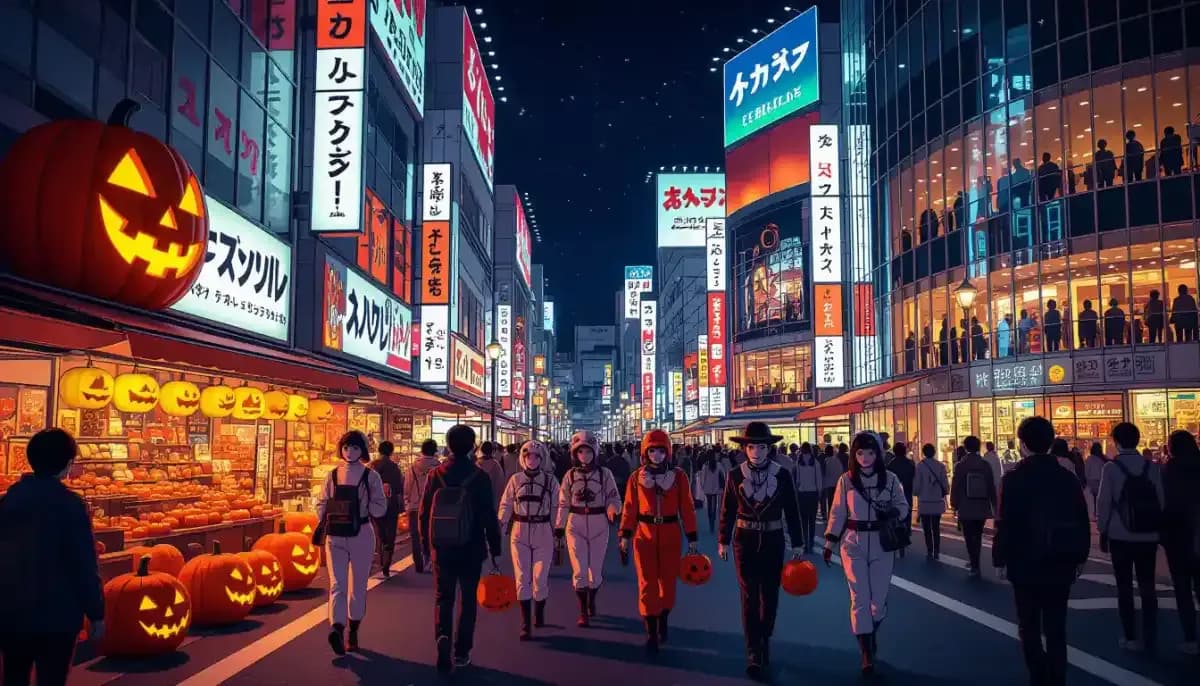
Halloween in Japan has grown from a single theme park event in 2000 into a nationwide cosplay and celebration phenomenon. Learn about the history, top events, and tips for foreigners participating in Japanese Halloween.
Halloween in Japan: How It Has Become a Major Event
Halloween in Japan is a phenomenon that surprises many first-time visitors. What started as a niche event at a single theme park has evolved into one of the most visually spectacular seasonal celebrations in the world. Today, millions of people across Japan participate in Halloween festivities every October — and the celebration uniquely blends Western tradition with Japan's own rich cosplay and costume culture. If you're a foreigner living in or visiting Japan, understanding how Halloween works here will help you join in the fun.
!Halloween celebrations in Japan with costumed crowd in Shibuya

The History: How Halloween Came to Japan
Halloween's arrival in Japan is a relatively recent story. Unlike Christmas or Valentine's Day, which gained commercial footholds decades earlier, Halloween didn't take root until the early 2000s.
The pivotal moment came in 2000, when Tokyo Disneyland hosted Japan's first major Halloween event. The theme park introduced elaborate parades, character costumes, and themed attractions throughout October — and it was an immediate hit. Universal Studios Japan in Osaka followed closely with its own Halloween Horror Nights, cementing the holiday in the Japanese entertainment calendar.
Why did Halloween take so long to arrive? Japan already had its own version of a "ghost festival" — the O-bon holiday in mid-August, when the spirits of ancestors are believed to return and are welcomed by the living. Halloween's Western premise of warding off evil spirits simply didn't resonate as strongly in a culture that already had its own well-established tradition.
However, once theme parks and retailers recognized the commercial potential, Halloween's expansion was swift. By the mid-2010s, the holiday had spread far beyond theme parks into the streets, bars, clubs, and even convenience stores across Japan.
For more context on how western holidays adapt to Japanese culture, check out the Western Holidays in Japan guide on Living in Nihon.
The Shibuya Halloween Era (and Its End)
No discussion of Halloween in Japan is complete without talking about Shibuya. By the mid-2010s, the area around Shibuya Station had transformed into a spontaneous, street-level Halloween party every October 31st, drawing over 1 million people at its peak.
The scene was unlike anything else in the world — thousands of people in elaborate costumes flooding the famous Shibuya Scramble Crossing and surrounding streets. Anime characters, horror film icons, political figures, and creative group costumes all mingled in a chaotic, joyful spectacle that went viral on social media every year.
But the sheer scale became a problem. Street drinking, trash, public disturbances, and safety concerns prompted increasingly strict measures from authorities. Over several years, restrictions on public drinking and gathering were introduced. By 2025, Shibuya officially closed itself to Halloween celebrations — roads near the station are barricaded, the Hachikō statue is fenced off, and police presence is heavy throughout the weekend.
This marks a definitive end to the Shibuya Halloween era. But the good news is that organized events across Tokyo and Japan have expanded to fill the void, offering safer and often more enjoyable alternatives.
Major Halloween Events Across Japan in 2025
With Shibuya off the table, here is where Halloween actually happens in Japan today:
| Event | Location | Date (Approx.) | Cost | Best For |
|---|---|---|---|---|
| Ikebukuro Halloween Cosplay Festival | Higashi Ikebukuro Central Park, Tokyo | Late October | ¥2,700/day | Cosplay enthusiasts |
| Kōenji Yōkai Parade | Look Shopping Street, Kōenji | Late October (Sat) | Free | Everyone |
| Omotesandō Pumpkin Parade | Harajuku, Tokyo | Late October | ¥1,000/child | Families with kids |
| Tokyo Disney Resort Halloween | Tokyo | Mid-Sept to Late Oct | ¥4,500–¥9,400 | Families, Disney fans |
| Universal Studios Japan Horror Nights | Osaka | Sept–Early Nov | Varies | Horror/thrill seekers |
| Kagurazaka Bake Neko Festival | Kagurazaka, Tokyo | Mid-October | ¥500 | Cultural curious |
| Tachikawa Yōkai Bon Odori | Tachikawa, Tokyo | Late October | Free/¥3,000 (Bon Odori) | Folklore lovers |
Ikebukuro Halloween Cosplay Festival
This is now considered Tokyo's premier Halloween event. Held at Higashi Ikebukuro Central Park, it features cosplay runways, stage performances, and organized parades. Entry is ¥2,700 per day, with free general admission zones around the perimeter. If you want to see Japan's cosplay culture at its most creative and elaborate, this is the place to be.
Kōenji Yōkai Parade
This free event celebrates creatures from Japanese folklore (yōkai) rather than Western Halloween monsters. It's a fascinating blend of local tradition and seasonal celebration, and it's completely free to attend. The Saturday parade runs from approximately 1:30 to 4:00 PM on Look Shopping Street.
Tokyo Disney Resort
The resort's Halloween events run from mid-September through late October — giving you more time to participate than a single night. One of the most popular features is that all ages can dress as Disney characters during Halloween (typically only allowed for young children at other times). Entry ranges from ¥4,500 to ¥9,400 depending on the day.
!Tokyo Halloween events and cosplay festival

How Japanese Halloween Differs from Western Halloween
If you're coming from a Western Halloween tradition, you'll notice some significant differences in how Japan celebrates.
No Trick-or-Treating (Mostly): Door-to-door trick-or-treating doesn't happen in Japan. The exception is the Omotesandō Pumpkin Parade, where children under 12 can collect treats from participating shops along Harajuku's main street.
Cosplay Is King: Japan's Halloween is fundamentally a cosplay event. The emphasis is on creative, elaborate, and often highly professional costumes. Japanese costume culture is already deeply developed through anime, manga, and gaming fandoms, so Halloween simply provides another occasion to display those skills.
It's Primarily Adult-Oriented: Unlike Western Halloween which centers on children, Japanese Halloween is predominantly celebrated by adults and young people in their 20s and 30s. Office workers, university students, and young professionals are the core participants.
Themed Events, Not Random Street Gatherings: With Shibuya's decline, the celebration has shifted toward organized, ticketed events with defined spaces and rules, which actually makes for a better experience than chaotic street parties.
Year-Long Costume Culture: Halloween connects naturally to Japan's existing cosplay events (コスプレ) held throughout the year. Many Halloween participants are experienced cosplayers who treat October 31st as simply another major event on their calendar.
For foreigners navigating Japanese social norms and participation in events like these, the Japanese Culture and Etiquette Guide offers essential context.
Tips for Foreigners Celebrating Halloween in Japan
Whether you're a long-term resident or a visitor, here's how to make the most of Halloween in Japan:
Buy Tickets in Advance: Major events like the Ikebukuro Cosplay Festival, Tokyo Disney Resort, and USJ sell out quickly, especially on weekends closest to October 31st. Book as soon as tickets become available.
Know the Rules in Each Area: Different wards have different rules about public drinking, gathering in costumes, and where you can stand. Check the event rules and local guidelines before heading out. Do not street drink in areas where it's banned.
Costume Quality Matters: Japanese Halloween crowds are known for incredibly high-quality costumes. While any costume is welcome, if you want to participate fully, consider investing in something creative or detailed.
Go Midweek If Possible: Events close to October 31st (especially on weekends) are massively crowded. If October 31 falls on a weekday, many of the most enthusiastic participants still celebrate that night, but crowds at theme parks are more manageable mid-week.
Convenience Stores Are Part of It: Japan's convenience stores (7-Eleven, FamilyMart, Lawson) go all-in on Halloween with themed sweets, decorations, and seasonal items from mid-September. Picking up Halloween-themed konbini snacks is itself a fun seasonal activity.
Explore Beyond Tokyo: Cities like Osaka (USJ), Nagoya, and Fukuoka all have their own Halloween events. The Japanese Festivals and Traditions Guide covers seasonal events across the country.
For expats new to Japan navigating working life and culture, For Work in Japan and Ittenshoku are useful resources for understanding how seasonal events fit into Japanese workplace culture.
Halloween and Japanese Business Culture
Halloween has also found its way into the Japanese workplace — to a degree. Some companies, particularly those with foreign management or in creative industries, hold Halloween parties or allow costumes at the office. Retail and food service workers are increasingly likely to wear costumes in customer-facing roles during late October.
However, the traditional Japanese corporate environment remains largely unchanged. Wearing a full costume to a standard office job is rare and would generally be considered inappropriate unless explicitly encouraged. If you're unsure whether Halloween is celebrated at your workplace in Japan, observe what your Japanese colleagues do before making any costume-related decisions.
The broader shift is that Halloween has become normalized as a commercial and cultural event in Japan — it appears in advertising, product packaging, and retail displays every autumn, even if the actual participation varies widely by industry and individual.
Where to Shop for Halloween in Japan
Finding Halloween supplies in Japan is easier than ever:
- Don Quijote (Donki): The best single-stop destination for Halloween costumes, accessories, makeup, and decorations. Stocks a massive selection from September onward.
- Daiso and 100-yen stores: Great for budget decorations, props, and accessories.
- Convenience stores: Seasonal limited-edition Halloween sweets and snacks.
- Amazon Japan / Rakuten: Wide selection of costumes, especially for ordered-in advance needs.
- LOFT and Tokyu Hands: Higher-end decorations and creative costume accessories.
Major shopping destinations for foreigners are covered in the Shopping in Japan Guide.
Conclusion: Halloween in Japan Is Worth Experiencing
Halloween in Japan has traveled a remarkable journey — from a single theme park event in 2000 to a nationwide cultural phenomenon that fills the streets, clubs, and social media feeds every October. While the wild Shibuya street parties of the 2010s are now history, the organized events, theme park spectaculars, and cosplay festivals that remain offer something genuinely unique.
For foreigners in Japan, Halloween is a wonderful opportunity to engage with both Western tradition and Japan's own creative culture simultaneously. Whether you're joining the Ikebukuro Cosplay Festival, taking the kids to the Omotesandō Pumpkin Parade, or simply picking up a pumpkin pudding at your nearest convenience store, Japan makes Halloween its own — and does it brilliantly.
For more on Japan's festival calendar and seasonal traditions, explore the Complete Guide to Japanese Festivals and Traditions and the Daily Life in Japan Guide.
Sources:

Originally from Vietnam, living in Japan for 16+ years. Graduated from Nagoya University, with 11 years of professional experience at Japanese and international companies. Sharing information about living in Japan for foreigners.
View Profile →Related Articles
Japanese National Holidays Calendar and Guide
Complete guide to Japan's 16 national holidays including Golden Week, Silver Week, and New Year. Essential calendar and practical tips for foreigners living in Japan.
Read more →
Japanese Gift Giving Seasons Ochugen and Oseibo Guide
Learn everything about Japanese gift giving seasons ochugen and oseibo. Timing, etiquette, gift ideas, and practical tips for foreigners living and working in Japan.
Read more →
Shichi Go San Children Festival Explained for Foreign Parents
Everything foreign parents need to know about Japan's Shichi-Go-San festival: which ages celebrate, kimono rental costs, shrine visits, chitose-ame candy, and participation tips.
Read more →
Setsubun Bean Throwing Festival Guide
Complete guide to Setsubun, Japan's February bean-throwing festival. Learn about mamemaki, eho-maki, where to watch public events, and how foreigners can participate in this beloved tradition.
Read more →
Japanese Seasonal Foods Calendar and Guide
Discover Japan's seasonal food calendar month by month. Learn about shun (旬), what to eat each season, cultural food traditions, and practical tips for expats living in Japan.
Read more →
Tanabata Star Festival in Japan Explained
Everything you need to know about Tanabata — Japan's Star Festival. Discover the legend of Orihime and Hikoboshi, how to write tanzaku wishes, the best festivals to attend (Sendai, Hiratsuka), and practical tips for foreigners joining the celebration.
Read more →