
Tanabata Star Festival in Japan Explained

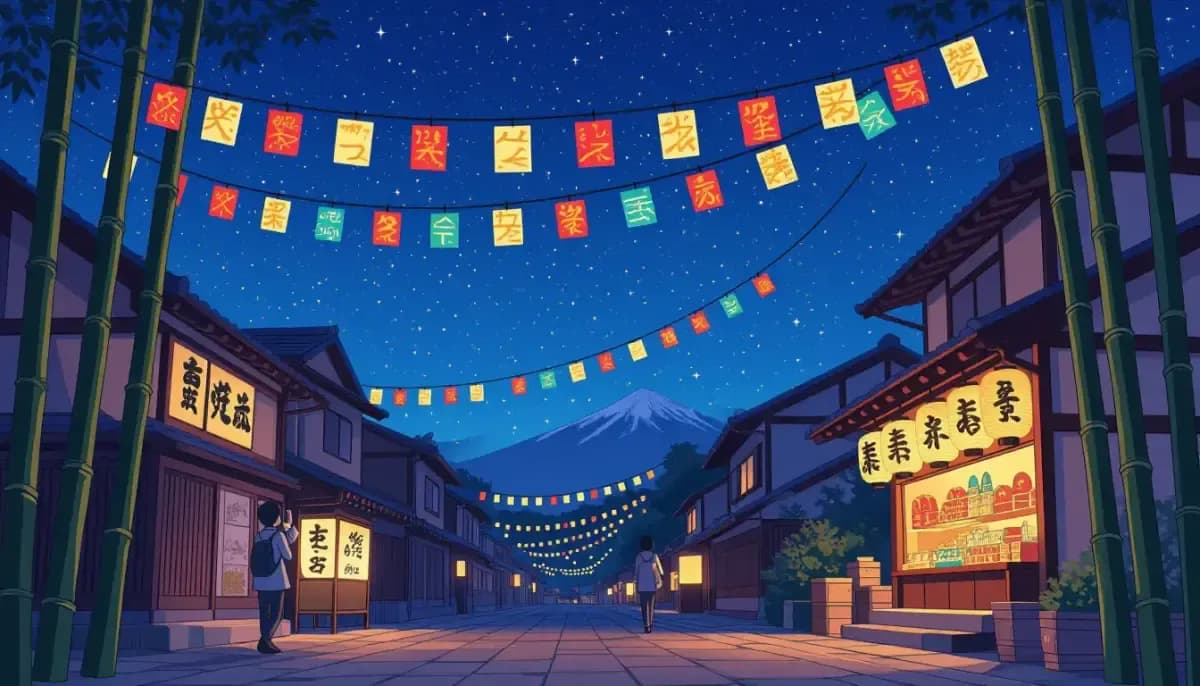
Everything you need to know about Tanabata — Japan's Star Festival. Discover the legend of Orihime and Hikoboshi, how to write tanzaku wishes, the best festivals to attend (Sendai, Hiratsuka), and practical tips for foreigners joining the celebration.
Tanabata Star Festival in Japan Explained: History, Traditions & How to Celebrate
Every year across Japan, bamboo trees decorated with colorful paper strips transform streets, shopping malls, schools, and shrines into something magical. This is Tanabata — Japan's beloved Star Festival — and if you're living in or visiting Japan, it's one of the most charming cultural experiences you'll encounter.
Whether you want to understand the story behind the decorations, write your own wish on a tanzaku, or attend one of the massive festivals drawing millions of visitors, this guide explains everything you need to know about Tanabata in Japan.
The Legend Behind Tanabata: Orihime and Hikoboshi
The heart of Tanabata is a romantic legend about two stars separated by the Milky Way.
Orihime (織姫, "Weaving Princess") was a diligent weaver who lived on the banks of the Amanogawa — the Japanese name for the Milky Way. She wove beautiful cloth all day and was beloved by her father, the Sky King (Tentei). One day, she met Hikoboshi (彦星, "Cowherd Star"), a hardworking young man who tended cattle on the other side of the Amanogawa. The two fell deeply in love and married.
But their love proved a distraction. Orihime stopped weaving and Hikoboshi's cattle wandered everywhere. The Sky King grew furious and separated them, placing the Milky Way between them as an impenetrable barrier.
Orihime wept so deeply that her father relented — he allowed the couple to meet just once a year, on the seventh night of the seventh month. On that night, a flock of magpies spreads their wings to form a bridge across the Amanogawa so Orihime can cross to meet Hikoboshi.
In astronomy, Orihime corresponds to the star Vega and Hikoboshi to Altair — two of the brightest stars in the summer night sky, separated by the band of the Milky Way.
History of Tanabata in Japan
Tanabata has ancient roots. It was introduced to Japan by Empress Koken in 755 CE, originating from the Chinese festival called Qixi (七夕, "Night of Sevens"), also known as the Festival to Plead for Skills. In China, young women would thread needles by moonlight and pray to Orihime for improved sewing and weaving abilities.
When the festival arrived in Japan, it merged with a native Japanese star-gazing tradition called Tanabata-tsume, where young women would weave robes on a special loom as an offering to the gods.
Over the centuries, the festival evolved. By the Edo Period (1603–1868), commoners were writing wishes on paper strips and hanging them on bamboo. The festival became firmly embedded in Japanese culture as one of the five major seasonal celebrations (gosekku).
Today it remains one of Japan's most widely celebrated annual events, observed from elementary schools to major commercial districts.
When is Tanabata?
Tanabata falls on the 7th day of the 7th month — but the actual date varies depending on which calendar is used:
| Region | Date | Calendar Basis |
|---|---|---|
| Most of Japan (Tokyo, Osaka, Kyoto) | July 7 | Solar (Gregorian) calendar |
| Sendai and northern Japan | August 6–8 | Adapted from the old lunar calendar |
| Some other regions | August 7 | Old lunar calendar |
| Hiratsuka, Kanagawa | Early July (usually July 4–6) | Solar calendar |
The July 7th date uses the modern Gregorian calendar. However, the original Chinese festival was on the 7th day of the 7th lunar month, which typically falls in August. This is why Sendai's famous festival takes place in early August — it preserves the older timing.
Tanabata Traditions: What People Do
Writing Wishes on Tanzaku
The most iconic Tanabata activity is writing a tanzaku (短冊) — a narrow strip of colored paper — with your wish or hope, then tying it to a bamboo branch.
Traditionally, tanzaku come in five colors, each representing one of the five elements:
| Color | Element | What to Wish For |
|---|---|---|
| Blue/Green (青) | Wood | Growth, learning, academic improvement |
| Red (赤) | Fire | Gratitude toward ancestors, family |
| Yellow (黄) | Earth | Human relationships, loyalty |
| White (白) | Metal | Fulfilling duties, sincerity |
| Black/Purple (黒/紫) | Water | Wisdom, overcoming bad habits |
In modern Japan, most people simply choose their favorite color and write whatever they wish for — good health, passing exams, finding love, or job success.
Bamboo Decorations (Sasadake)
The bamboo tree itself is central to Tanabata. Bamboo grows straight and tall and is considered a symbol of strength and purity. Along with tanzaku, people hang various decorative items:
- Fukinagashi (吹き流し) — long colorful streamers representing Orihime's weaving threads
- Kinchaku (巾着) — small pouch decorations symbolizing wealth and savings
- Toami (投網) — fishing net shapes representing a good catch and abundance
- Origami (折り紙) — paper cranes and other folded creations, often wishing for good health and longevity
- Kuzukago (くずかご) — paper trash basket shapes symbolizing cleanliness and thriftiness
After the festival, the bamboo and decorations are traditionally set afloat on a river or burned, sending the wishes up to the heavens.
Major Tanabata Festivals in Japan
1. Sendai Tanabata Festival (August 6–8)
The Sendai Tanabata Festival is the largest and most famous in Japan. The festival has been celebrated in Sendai since the early Edo Period, during the time of Date Masamune — the famous "One-Eyed Dragon" warlord who founded the city in the early 1600s.
The event was revived in 1928 after nearly dying out following the Meiji Restoration, and has grown into a spectacular celebration. Today it draws enormous crowds — approximately 2.27 million visitors in 2023 — making it one of the largest festivals in Japan.
The highlight is the city's famous fukinagashi (streamers), which hang from the shopping arcades, some extending 5–10 meters in length. The decorations are elaborate, hand-crafted works of art that compete in decoration contests.
Practical info:
- Date: August 6–8 each year
- Location: Central Sendai, especially Chuo Dori and Ichiban-cho shopping arcades
- Access: 10-minute walk from Sendai Station
For more information, visit the official Sendai Tanabata Festival website.
2. Hiratsuka Tanabata Festival (Early July)
The Shonan Hiratsuka Tanabata Festival in Hiratsuka, Kanagawa Prefecture, is one of Japan's "Three Great Tanabata Festivals." It began in 1951 as a post-war recovery event and has grown massively — the first festival drew 100,000 visitors, and by 1962 that number had already reached 1.6 million.
Today it attracts nearly 1 million visitors annually. The Hiratsuka festival takes place in early July (July 4–6 in 2025), which makes it one of the earlier major Tanabata events.
Practical info:
- Date: Early July (usually July 4–6)
- Location: Around Shonan Star Mall in central Hiratsuka
- Access: 5-minute walk from Hiratsuka Station (JR Tokaido Line)
3. Asagaya Tanabata Festival (Late July–August, Tokyo)
One of the most popular Tanabata events in Tokyo, the Asagaya Tanabata Festival takes place in the covered shopping street near Asagaya Station (Chuo Line). Hundreds of handcrafted paper balloon decorations created by local artists hang overhead in creative, whimsical designs — it has a distinctly local, neighborhood feel compared to the massive commercial festivals.
Practical info:
- Date: Late July to early August
- Location: Pearl Center shopping street, Asagaya, Tokyo
- Access: 2-minute walk from Asagaya Station
How to Participate in Tanabata as a Foreigner
One of the best things about Tanabata is that it's incredibly welcoming to foreigners. Here's how to join in:
1. Find tanzaku to write your wish During July and August, bamboo displays with tanzaku paper appear in shopping malls, temples, shrines, train stations, and schools. In many places, blank tanzaku are freely available for you to write your own wish. You can write in English — many children do so at international schools, and shopkeepers at tourist areas are accustomed to foreign visitors writing wishes.
2. Wear a yukata Tanabata is a summer festival, and wearing a yukata (浴衣 — a light cotton kimono) adds greatly to the experience. Yukata can be rented in tourist areas near major festivals. Pair with wooden sandals (geta) and a folding fan for the full summer festival look.
3. Attend a local neighborhood celebration Even outside major festival cities, most neighborhoods, schools, and community centers hold Tanabata events. Ask at your local city hall or community center about nearby events. These local celebrations are often charming and much less crowded than the famous festivals.
4. Visit a temple or shrine Many temples and shrines set up special bamboo displays where you can hang your tanzaku as an offering. The combination of traditional sacred space and Tanabata decorations makes for a memorable experience.
5. Look up on a clear night On the night of July 7th (or August 7th), step outside if the sky is clear and look for the two bright stars Vega (Orihime) and Altair (Hikoboshi) on either side of the Milky Way. In Japanese rural areas with dark skies, the Milky Way itself can be breathtakingly visible.
Tanabata Food and Shopping
Festivals mean food stalls (yatai), and Tanabata is no exception. Look for:
- Yakitori (grilled chicken skewers)
- Takoyaki (octopus balls) and okonomiyaki (savory pancakes)
- Kakigori (shaved ice with flavored syrup — perfect for July heat)
- Ramune (Japanese lemonade soda in iconic glass bottles)
- Chocolate bananas and taiyaki (fish-shaped sweet pastries)
For souvenirs, Tanabata-themed goods include tanzaku sets, yukata fabric, and handcrafted bamboo decorations. The Sendai festival in particular is famous for elaborate souvenir items.
Cash tip: Most food stalls and local vendors at Japanese festivals don't accept credit cards. Bring enough cash (yen) to cover food, games, and purchases.
Tanabata in Japanese Schools and Workplaces
If you're living in Japan — especially if you have children in school — you'll encounter Tanabata in everyday life. Japanese elementary schools hold Tanabata activities in late June or early July. Children write their wishes on tanzaku and decorate small bamboo branches.
At workplaces, some companies set up bamboo displays in lobbies or common areas. It's perfectly appropriate for foreign residents to join in and write their own wish.
Even convenience stores and supermarkets get in on the action, with Tanabata-themed sweets, displays, and promotions in July.
Useful Tanabata Vocabulary
| Japanese | Romaji | Meaning |
|---|---|---|
| 七夕 | Tanabata | Star Festival |
| 短冊 | Tanzaku | Wish paper strips |
| 笹竹 | Sasadake | Bamboo branch |
| 天の川 | Amanogawa | Milky Way |
| 織姫 | Orihime | Weaving Princess (Vega) |
| 彦星 | Hikoboshi | Cowherd Star (Altair) |
| 吹き流し | Fukinagashi | Streamer decorations |
| 浴衣 | Yukata | Light summer kimono |
| 願い事 | Negaigoto | A wish/prayer |
| 松り | Matsuri | Festival |
Tips for Enjoying Tanabata
- Book accommodation early if attending Sendai Tanabata — hotels fill up months in advance
- Go on a weekday if possible; weekends at major festivals can be extremely crowded
- Check the weather — rain on July 7th is said to mean the lovers cannot meet that year (though the festival continues regardless)
- Bring cash — food stalls and many festival vendors are cash-only
- Dress for heat — July and August festivals take place in Japan's hot, humid summer; stay hydrated
- Take garbage home — many Tanabata festivals have limited public bins; respect the environment by taking your trash with you
For a deeper dive into Japan's seasonal festivals throughout the year, check out this excellent resource at Living in Nihon, which covers all of Japan's major traditions and events for foreigners.
If you're working in Japan, For Work in Japan offers practical guidance on navigating Japanese workplace culture and life as a foreign professional.
For career changers looking to make the most of their time in Japan, Ittenshoku provides useful resources for those building their professional lives here.
Conclusion
Tanabata is more than just decorations and paper strips — it's one of Japan's most deeply romantic and historically rich traditions. Behind every tanzaku hanging in a shopping mall or school corridor is a 1,300-year-old story about love, longing, and the human desire to reach beyond our circumstances.
As a foreigner in Japan, Tanabata offers a perfect entry point into Japanese culture. It's accessible, welcoming, and beautiful. Whether you write your wish in English or Japanese, hang it on a bamboo branch at a local temple or a massive festival, you're participating in a tradition that has connected people across generations.
For more on Japanese cultural life, see our Complete Guide to Japanese Festivals and Traditions and our Complete Guide to Japanese Culture and Etiquette.
Sources: Wikipedia - Tanabata | Rakuten Travel Tanabata Guide | Japan Guide | Sendai Tanabata Official | Get Around Japan

Originally from Vietnam, living in Japan for 16+ years. Graduated from Nagoya University, with 11 years of professional experience at Japanese and international companies. Sharing information about living in Japan for foreigners.
View Profile →Related Articles
Japanese National Holidays Calendar and Guide
Complete guide to Japan's 16 national holidays including Golden Week, Silver Week, and New Year. Essential calendar and practical tips for foreigners living in Japan.
Read more →
Japanese Gift Giving Seasons Ochugen and Oseibo Guide
Learn everything about Japanese gift giving seasons ochugen and oseibo. Timing, etiquette, gift ideas, and practical tips for foreigners living and working in Japan.
Read more →
Shichi Go San Children Festival Explained for Foreign Parents
Everything foreign parents need to know about Japan's Shichi-Go-San festival: which ages celebrate, kimono rental costs, shrine visits, chitose-ame candy, and participation tips.
Read more →
Setsubun Bean Throwing Festival Guide
Complete guide to Setsubun, Japan's February bean-throwing festival. Learn about mamemaki, eho-maki, where to watch public events, and how foreigners can participate in this beloved tradition.
Read more →
Japanese Seasonal Foods Calendar and Guide
Discover Japan's seasonal food calendar month by month. Learn about shun (旬), what to eat each season, cultural food traditions, and practical tips for expats living in Japan.
Read more →
Halloween in Japan How It Has Become a Major Event
Halloween in Japan has grown from a single theme park event in 2000 into a nationwide cosplay and celebration phenomenon. Learn about the history, top events, and tips for foreigners participating in Japanese Halloween.
Read more →