
Golden Week in Japan Complete Guide for Foreigners

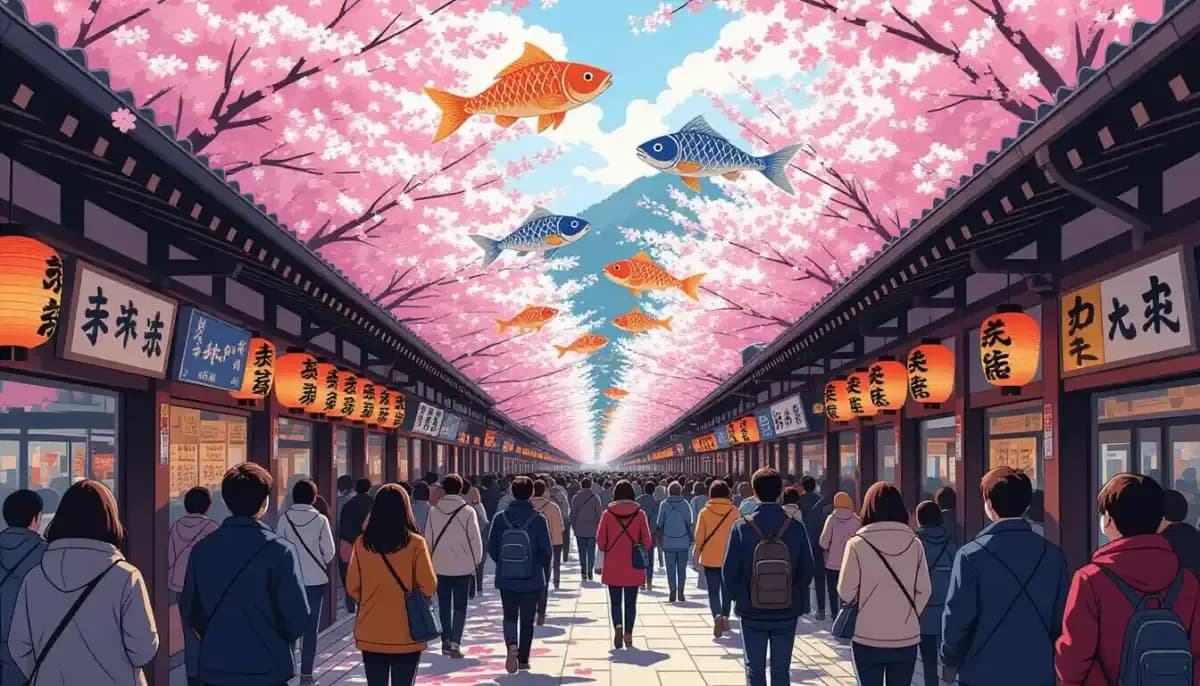
Everything foreigners need to know about Golden Week in Japan — dates, history, public holidays, travel tips, festivals, and how to survive (and enjoy) Japan's busiest holiday season.
Golden Week in Japan: Complete Guide for Foreigners
Golden Week is one of Japan's most celebrated and chaotic holiday periods. Spanning late April through early May, this cluster of national holidays turns the entire country into a hive of activity—festivals, family gatherings, packed trains, and overflowing tourist spots. For foreigners living in or visiting Japan, Golden Week is an unmissable cultural experience, but it requires smart planning to fully enjoy.
Whether you're a newcomer curious about the holidays or a long-term expat wondering how to make the most of the season, this complete guide covers everything you need to know: the history, the holidays, what to expect, and how to navigate Japan's busiest week like a pro.
!Golden Week in Japan - koinobori carp streamers flying during the holiday season

What Is Golden Week? History and Origins
Golden Week (ゴールデンウィーク, Gōruden Wīku) is a collection of four national holidays that fall within a single week, making it Japan's longest public holiday period of the year. The term itself was originally coined by Japan's film industry in 1951, when a movie released during this cluster of holidays dramatically outperformed box office records compared to New Year and Obon seasons—the other major holiday periods. The name stuck.
The holidays are rooted in Japan's postwar era. The National Holiday Laws, enacted in 1948, designated several official public holidays, many of which happened to cluster between late April and early May. Over the decades, Golden Week evolved from a modest collection of days off into a full-blown national event, with millions of Japanese citizens taking this opportunity to travel, visit family, and enjoy the mild spring weather.
Today, Golden Week is one of Japan's three busiest vacation seasons, alongside New Year (Oshōgatsu) and Obon in mid-August. The combination of beautiful weather, blooming flowers, and a long stretch of time off creates the perfect conditions for both celebration and travel—but also for enormous crowds.
The Four National Holidays of Golden Week
Golden Week officially consists of four national holidays, though the exact dates can shift slightly when holidays fall on weekends (triggering substitute holidays).
| Holiday | Date | What It Commemorates |
|---|---|---|
| Showa Day (昭和の日) | April 29 | Birthday of Emperor Showa (Hirohito); reflects on Japan's postwar recovery |
| Constitution Memorial Day (憲法記念日) | May 3 | Commemorates Japan's postwar constitution, enacted in 1947 |
| Greenery Day (みどりの日) | May 4 | Honors nature and the environment |
| Children's Day (こどもの日) | May 5 | Celebrates children's health and happiness; koinobori (carp streamers) are displayed |
In 2026, Golden Week runs from Wednesday, April 29 to Monday, May 6, with May 6 being a substitute holiday. Many Japanese workers also take April 30 and May 1 as paid leave, creating an effective 10-day stretch of consecutive vacation—sometimes called "Super Golden Week" or a "10-day holiday."
If you're employed in Japan, check with your company well in advance. Some companies close entirely during Golden Week, while others (especially service industries and international firms) may operate normally or with reduced staffing.
What to Expect During Golden Week
Golden Week transforms Japan in dramatic ways. Here's what foreigners should realistically expect:
Transportation Gets Extremely Crowded
Shinkansen (bullet trains), airports, highways, and local trains see some of the highest passenger volumes of the year. If you haven't booked seat reservations in advance, you may find yourself standing for long journeys—or unable to board at all.
- JR Pass holders: During peak seasons like Golden Week, seat reservations may be required even on normally open-seating trains. Reserve as early as possible.
- Flights: Domestic flights fill up quickly and prices spike. International flights into Japan also see higher demand.
- Highways: Traffic jams stretch for tens of kilometers on expressways. If you're renting a car, budget extra time.
Hotel Prices Surge
Accommodation in popular tourist areas—Kyoto, Tokyo, Osaka, Nikko, Hakone—can cost 2–3 times normal rates during Golden Week. Popular ryokan and hotels sell out 3–6 months in advance. Book early or plan alternative accommodations.
Many Businesses Close
Government offices (city halls, wards, immigration), banks, post offices, and many medical clinics will be closed. Some smaller shops and restaurants also shut down. If you need administrative tasks done (visa renewals, resident card updates, bank transactions requiring in-person visits), handle them before Golden Week.
Crowds at Tourist Attractions
Popular spots like Kinkaku-ji in Kyoto, Ueno Park in Tokyo, and Nara's deer park become genuinely overwhelming during peak Golden Week days. Expect long queues, shoulder-to-shoulder crowds, and limited photo opportunities at famous landmarks.
Smart Strategies for Foreigners During Golden Week
Living in Japan during Golden Week as a foreigner opens up some interesting strategic advantages. Here's how to make the most of the season:
Reverse Travel Strategy
Many urban Japanese residents travel to rural areas and tourist resorts during Golden Week—meaning cities like Tokyo and Osaka can actually feel calmer than usual during parts of the week. If you live in a city and want to experience it without the usual crowds, stay local early in the week when many residents have left.
Conversely, if you want to travel, head somewhere that isn't a typical domestic tourist destination. Lesser-known areas like Tohoku (northern Honshu), Shikoku's Iya Valley, Chichibu in Saitama, or Amami Oshima island offer authentic experiences without the tourist crush.
Timing Your Visits
- Visit major attractions before 9 AM or after 5 PM to avoid peak crowds
- Mid-week days (May 1–2) tend to be slightly less crowded than the weekends and the first/last days of Golden Week
- For temple and shrine visits, sunrise timing offers a serene and photogenic experience
What to Do If You're Staying Home
Golden Week is also a wonderful time to enjoy your local neighborhood. Tokyo residents often find their usual commuter neighborhoods unusually peaceful. Visit local parks, explore residential areas, try that restaurant you've been meaning to visit—many locals appreciate Golden Week precisely for this reason.
For foreigners, it's also a great time to participate in local festivals. Many cities and towns hold special events during Golden Week, from traditional ceremonies at shrines and temples to community parades.
!Children's Day celebration with koinobori and traditional Japanese decorations

Golden Week Festivals and Cultural Events
One of the best parts of Golden Week is the rich cultural programming that happens nationwide. Here are highlights foreigners shouldn't miss:
Hakata Dontaku Festival (Fukuoka)
Held May 3–4, this is one of Japan's largest festivals by attendance—with over 2 million visitors each year. The streets of Fukuoka fill with colorful parades, traditional costumes, and dances. If you're in Kyushu, this is unmissable.
Koinobori (Carp Streamers)
For Children's Day on May 5, families display koinobori—large, colorful carp-shaped windsocks—from poles outside their homes. Seeing rows of koinobori flying in the breeze is one of the most visually distinctive experiences of Golden Week. Look for them in residential neighborhoods, parks, and even hanging over rivers in some areas.
Wisteria Viewing (Fuji Matsuri)
Late April through early May is peak season for wisteria (fuji). Ashikaga Flower Park in Tochigi Prefecture is world-famous for its hanging wisteria tunnels. Book tickets well in advance—this attraction sells out during Golden Week.
Shrine and Temple Ceremonies
Major shrines like Meiji Jingu in Tokyo and Fushimi Inari in Kyoto hold special ceremonies and rituals during this period. Check local listings for specific times and events.
Practical Checklist for Golden Week
Here's a quick checklist to prepare for Golden Week, whether you're traveling or staying put:
| Task | When to Do It | Notes |
|---|---|---|
| Book accommodation | 3–6 months in advance | Popular areas sell out fast |
| Reserve shinkansen seats | 1–3 months in advance | Opens 1 month before travel date for JR |
| Book flights (domestic) | 2–4 months in advance | Prices spike significantly |
| Check office/bank closures | 2 weeks before | Handle admin tasks early |
| Restaurant reservations | 1–2 months in advance | Especially for premium dining |
| Check event schedules | 1–2 months before | Festival dates, flower viewing, etc. |
| Withdraw cash | Before Golden Week | ATMs can run out at popular destinations |
Golden Week 2026 and Beyond
Golden Week dates vary slightly each year depending on what day of the week the holidays fall on. When a holiday falls on a Sunday, the following Monday becomes a substitute holiday (振替休日).
Golden Week 2026: April 29 (Wednesday) – May 6 (Wednesday, substitute holiday)
Golden Week 2027: April 29 (Thursday) – May 5 (Wednesday, Children's Day)
Planning ahead using these dates will help you decide whether to travel, how to book accommodation, and when to manage any work commitments.
For foreigners new to Japan, Golden Week can feel overwhelming at first. But understanding the rhythm of the season—and knowing when to join the crowds and when to avoid them—transforms it into one of the most rewarding periods of the year.
For more on navigating life and travel in Japan as a foreigner, check out Living in Nihon for practical living tips, For Work in Japan for workplace-specific guidance on holiday leave and work culture, and Ittenshoku for career insights relevant to those working in Japan.
Conclusion
Golden Week is Japan at its most festive, most crowded, and most culturally vibrant. For foreigners, it's a window into how Japanese society collectively takes a breath—traveling, celebrating, and connecting with family and nature. With the right preparation, you can experience the best of it: the koinobori fluttering in the breeze, the wisteria in bloom, the local festivals, and even the rare quietness of a big city temporarily emptied of its commuters.
Plan early, stay flexible, and embrace the energy of Japan's Golden Week.
For more guides on living and traveling in Japan as a foreigner, explore our articles on Japanese Festivals and Traditions, Transportation in Japan, and Daily Life in Japan.
External Resources:

Originally from Vietnam, living in Japan for 16+ years. Graduated from Nagoya University, with 11 years of professional experience at Japanese and international companies. Sharing information about living in Japan for foreigners.
View Profile →Related Articles
Japanese National Holidays Calendar and Guide
Complete guide to Japan's 16 national holidays including Golden Week, Silver Week, and New Year. Essential calendar and practical tips for foreigners living in Japan.
Read more →
Japanese Gift Giving Seasons Ochugen and Oseibo Guide
Learn everything about Japanese gift giving seasons ochugen and oseibo. Timing, etiquette, gift ideas, and practical tips for foreigners living and working in Japan.
Read more →
Shichi Go San Children Festival Explained for Foreign Parents
Everything foreign parents need to know about Japan's Shichi-Go-San festival: which ages celebrate, kimono rental costs, shrine visits, chitose-ame candy, and participation tips.
Read more →
Setsubun Bean Throwing Festival Guide
Complete guide to Setsubun, Japan's February bean-throwing festival. Learn about mamemaki, eho-maki, where to watch public events, and how foreigners can participate in this beloved tradition.
Read more →
Japanese Seasonal Foods Calendar and Guide
Discover Japan's seasonal food calendar month by month. Learn about shun (旬), what to eat each season, cultural food traditions, and practical tips for expats living in Japan.
Read more →
Tanabata Star Festival in Japan Explained
Everything you need to know about Tanabata — Japan's Star Festival. Discover the legend of Orihime and Hikoboshi, how to write tanzaku wishes, the best festivals to attend (Sendai, Hiratsuka), and practical tips for foreigners joining the celebration.
Read more →