
How Christmas Is Celebrated in Japan

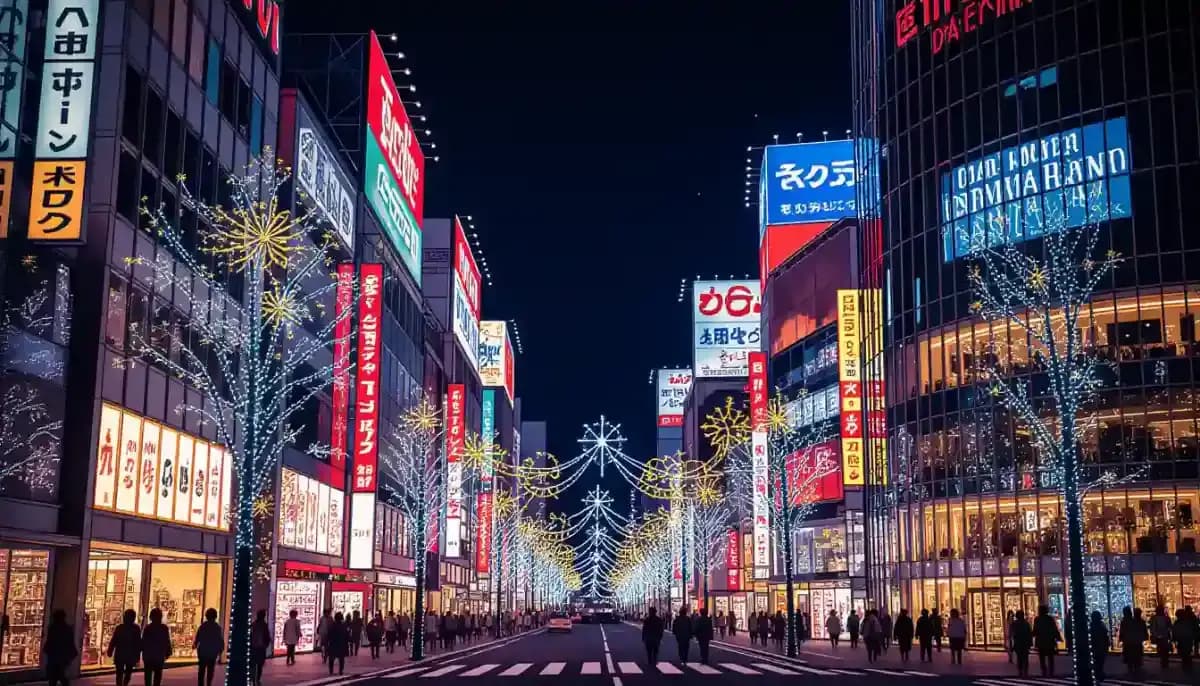
Discover how Japan celebrates Christmas with KFC fried chicken, strawberry cake, dazzling illuminations, and romantic date nights. A complete guide for foreigners living in Japan.
How Christmas Is Celebrated in Japan: A Complete Guide for Foreigners
Christmas in Japan is unlike anything you've experienced back home. Less than 1% of Japan's population is Christian, yet the country embraces Christmas with remarkable enthusiasm — just in its own uniquely Japanese way. Instead of a family religious holiday, Christmas in Japan has evolved into a romantic couples' celebration filled with dazzling illuminations, fried chicken, and strawberry shortcake. If you're a foreigner spending Christmas in Japan for the first time, this guide will help you navigate and enjoy the season.
!Christmas illuminations in Tokyo at night

A Brief History: How Christmas Came to Japan
Christmas first arrived in Japan in the 16th century with Portuguese and Spanish Catholic missionaries. However, in the 17th century, the Tokugawa shogunate banned Christianity entirely, and Christmas disappeared from public life for over 200 years.
After the Meiji Restoration lifted the ban on Christianity in 1873, the holiday slowly returned — but not as a religious observance. Japanese department stores and hotels adopted Western Christmas decorations as symbols of modernity and international sophistication. Through the 20th century, businesses commercialized the holiday, shaping Christmas into what it is today: a vibrant secular celebration of shopping, lights, and romance.
Key dates in Japanese Christmas history:
- 1874 — First public Christmas celebration after the Meiji Restoration
- 1910 — Christmas cake (strawberry shortcake) first sold commercially in Japan
- 1974 — KFC launches its "Kentucky for Christmas" campaign, permanently changing Japanese Christmas food culture
- 1980s–1990s — Christmas becomes a mainstream dating holiday driven by media and advertising
The KFC Christmas Tradition: Why Japan Eats Fried Chicken
Nothing symbolizes Japanese Christmas more than a bucket of KFC fried chicken. This unexpected tradition dates back to 1974, when Takeshi Okawara — the manager of an early KFC outlet in Japan — overheard foreign customers lamenting that they couldn't find turkey in Japan for Christmas. Inspired, he launched the "Kurisumasu ni wa Kentakkii" (Kentucky for Christmas) campaign.
The campaign was a phenomenon. KFC's "Party Barrel" — a festive bucket of fried chicken, sometimes including wine — became synonymous with Christmas. Today:
- 3.6 million Japanese families order a KFC Christmas meal between December 23–25
- December 24 is KFC Japan's single busiest day of the year, roughly 10 times the average daily sales
- In 2018, KFC Japan posted approximately 68 million USD in sales during the five Christmas days — nearly 10% of its entire annual revenue
- Orders are typically placed weeks in advance to guarantee delivery; phone lines and online ordering systems are overwhelmed throughout December
If you want to experience this iconic tradition, book your KFC Party Barrel early in December. Most locations also have Colonel Sanders statues dressed as Santa Claus outside the restaurant.
| KFC Christmas Stats | Data |
|---|---|
| Families buying KFC at Christmas | ~3.6 million |
| Peak day (Dec 24) vs. average daily sales | ~10x higher |
| Christmas sales as % of annual revenue | ~30% |
| Year the tradition started | 1974 |
| Campaign name | Kurisumasu ni wa Kentakkii |
Christmas Cake: Japan's Strawberry Shortcake Tradition
Alongside KFC, the other must-have Christmas food in Japan is Christmas Cake (クリスマスケーキ, kurisumasu keeki). This is not the dark fruitcake common in Western countries — Japanese Christmas cake is a light, airy white sponge cake topped with fluffy whipped cream and fresh red strawberries, decorated to look festive and beautiful.
Christmas cake was first sold commercially in Japan in 1910 by Fujiya, a famous Japanese confectionery chain. By the mid-20th century, it had become an essential Christmas tradition.
Today, Japanese Christmas cakes are sold everywhere — in supermarkets, convenience stores (7-Eleven, Lawson, FamilyMart all produce elaborate seasonal versions), department stores, and dedicated patisseries. Premium versions feature:
- Multi-layered génoise sponge with strawberry jam
- Decorated with chocolate plaques and seasonal designs
- Prices ranging from around ¥1,500 for convenience store versions to ¥10,000+ for high-end patisserie cakes
Pre-ordering cakes in November or early December is common practice, especially for premium bakeries. Most cake shops also offer same-day pickup during the Christmas week, though popular designs sell out quickly.
Christmas Eve as a Romantic Date Night
Here is the biggest cultural difference for foreigners: in Japan, Christmas Eve is more important than Christmas Day, and it is primarily a romantic holiday for couples, not a family celebration.
Japanese media and advertising from the 1980s and 1990s heavily promoted Christmas Eve as the ultimate romantic date night, comparable to Valentine's Day. Couples dress up, dine at upscale restaurants, exchange gifts, and stroll through illuminated streets hand in hand.
Christmas Day (December 25) is a regular workday in Japan. Schools, offices, and businesses operate normally. There are no public holidays. This can come as a shock to foreigners who expect Dec 25 to feel special — it's just a regular Thursday or Friday.
What this means for you:
- Book restaurants for Dec 24 well in advance — the best spots sell out weeks ahead
- Hotels offer special Christmas Eve courses — multi-course dinners with champagne and festive menus
- If you're single, don't feel left out — groups of friends also celebrate, and there are plenty of Christmas events and parties throughout December
- Christmas Day itself is a great day for sightseeing since crowds are smaller than a typical holiday
For expats used to spending Christmas with family, the contrast can feel jarring. New Year's (Oshogatsu) is the major family holiday in Japan — that's when Japanese families reunite, visit shrines, and celebrate together. See our guide to Japanese Festivals and Traditions for more context on how holidays work in Japan.
Christmas Illuminations: The Best Light Displays
One of the most spectacular aspects of Christmas in Japan is the illuminations (イルミネーション, irumineshon). From mid-November through February, cities across Japan transform into glittering wonderlands of LED light displays.
Major illumination events include:
Tokyo:
- Tokyo Midtown Illuminations — One of the largest displays in Tokyo, featuring interactive sound and light shows in the Midtown Garden, plus an outdoor ice skating rink
- Roppongi Hills Artelligent Christmas — Art-focused illuminations combining technology and seasonal themes
- Shinjuku Terrace City Illumination — Millions of LEDs along the shopping streets around Shinjuku Station
- Caretta Shiodome — Famous for its synchronized light and music show beneath a massive arch of LEDs
Outside Tokyo:
- Nabana no Sato (Mie Prefecture) — Often rated Japan's most beautiful illumination, featuring a 200-meter tunnel of flowers made from LEDs
- Ashikaga Flower Park (Tochigi) — Another top-rated illumination with a fairytale atmosphere
- Sapporo White Illumination — Hokkaido's Christmas market combined with gorgeous winter lights
Most illumination events are free to view from the street. Some major theme park illuminations charge admission (typically ¥500–¥2,000). They are popular date spots and can get crowded on weekends, so visiting on weekdays is recommended for a more relaxed experience.
!Christmas market and illuminations in Japan

Christmas Markets in Japan
German-style Christmas markets have become increasingly popular in Japan since the 2000s. You'll find festive outdoor stalls selling mulled wine (Glühwein), sausages, pretzels, handmade ornaments, and seasonal sweets in many cities.
Notable Christmas markets include:
- The Peninsula Tokyo Christmas Market — An elegant market outside one of Tokyo's most prestigious hotels, featuring holiday sweets, warm drinks, and artisan gifts
- Hibiya Christmas Market — One of Tokyo's most popular markets, styled after German Weihnachtsmärkte
- Yokohama Red Brick Warehouse Christmas Market — Held at a scenic waterfront venue with a large Ferris wheel
These markets typically run from late November through Christmas Eve. Entry is usually free, though food and drink purchases add up. Arrive early on weekends to avoid long lines.
Shopping During Christmas in Japan
Christmas is peak shopping season in Japan. Department stores (depato), shopping malls, and specialty retailers are decorated lavishly and hold major seasonal sales. Unlike in many Western countries, Japanese stores remain open on Christmas Day, so you won't miss any shopping opportunities.
Key shopping tips for Christmas in Japan:
- Gift-giving is common among couples — jewelry, accessories, and branded goods are popular Christmas gifts
- Department stores offer gift wrapping — elaborate, beautifully wrapped presents are the norm
- Luxury brands do big Christmas business — Louis Vuitton, Chanel, and similar brands see significant sales around Christmas
- Convenience stores stock Christmas food early — you can find Christmas cakes, holiday-themed sweets, and fried chicken deals at 7-Eleven, Lawson, and FamilyMart from late November
For more on shopping in Japan, check our Complete Guide to Shopping in Japan.
Tips for Foreigners Celebrating Christmas in Japan
Whether you're spending Christmas in Japan for the first time or trying to recreate some home traditions, here are practical tips:
Planning ahead:
- Reserve restaurants for Christmas Eve by early December — the best places fill up fast
- Order your KFC Party Barrel 2–3 weeks in advance online or by phone
- Book hotels early if you plan to attend Christmas illumination events in popular areas
Finding Western Christmas food:
- International supermarkets like Nissin World Delicatessen (Tokyo) stock imported foods including holiday meats, cheeses, and seasonal treats
- The Meat Guy (themeatguy.jp) offers holiday delivery for whole turkeys, prime rib, and other hard-to-find items in Japan
- Major IKEA stores in Japan often stock Swedish Christmas foods including herring, gingerbread, and lingonberry products
Staying connected with home:
- Christmas Day is a regular workday in Japan, but you'll want to schedule video calls with family in your home country — keep time zone differences in mind
- Many expat communities organize Christmas parties and potlucks — check Facebook groups and Meetup events for foreigners in your city
Embracing the Japanese experience:
- Visit at least one major illumination — they're truly stunning and a uniquely Japanese experience
- Try the KFC Christmas dinner, even just once, for the cultural experience
- Pick up a Christmas cake from a local bakery or convenience store
For help with general daily life as a foreigner in Japan, see our Daily Life in Japan Guide.
Is Christmas a Public Holiday in Japan?
No — December 25 is not a national holiday in Japan. Schools, government offices, businesses, and shops are all open as normal. This surprises many foreigners, especially those from Western countries where December 25 is a statutory public holiday.
Japan's actual holiday during this period is the New Year holiday (Shōgatsu), which runs roughly from December 29 to January 3. During this time, many businesses do close, and Japanese families travel to their hometowns for family reunions, shrine visits (Hatsumode), and traditional New Year's foods (Osechi).
If you're planning travel around the Christmas/New Year period, note that:
- Christmas Week — Normal operations, great time to see illuminations and markets
- Dec 28 – Jan 3 — Many businesses close for New Year holiday; trains and airports are extremely crowded
- January 1 — National holiday; most shrines are packed with people doing Hatsumode visits
For more on navigating Japanese public holidays and transportation, visit our Transportation in Japan Guide.
Christmas in Japan: An Expat Summary
Christmas in Japan won't feel like Christmas back home — and that's okay. It's a chance to experience how a non-Christian culture has adopted, adapted, and reimagined a Western holiday into something uniquely its own. The dazzling illuminations, the iconic KFC bucket, the delicate strawberry shortcake, and the romantic atmosphere of Christmas Eve all add up to a genuinely magical holiday experience.
For more details on living as a foreigner in Japan throughout the year, explore resources from Living in Nihon, For Work in Japan, and Ittenshoku. You can also find comprehensive guides on Japanese culture and expat life at InsideJapan Tours and Coto Academy's Christmas Guide.
Whether you're attending a German Christmas market in Hibiya, queuing up at KFC, or watching the spectacular Nabana no Sato illuminations, Japan offers a truly unforgettable way to spend the holiday season.

Originally from Vietnam, living in Japan for 16+ years. Graduated from Nagoya University, with 11 years of professional experience at Japanese and international companies. Sharing information about living in Japan for foreigners.
View Profile →Related Articles
Japanese National Holidays Calendar and Guide
Complete guide to Japan's 16 national holidays including Golden Week, Silver Week, and New Year. Essential calendar and practical tips for foreigners living in Japan.
Read more →
Japanese Gift Giving Seasons Ochugen and Oseibo Guide
Learn everything about Japanese gift giving seasons ochugen and oseibo. Timing, etiquette, gift ideas, and practical tips for foreigners living and working in Japan.
Read more →
Shichi Go San Children Festival Explained for Foreign Parents
Everything foreign parents need to know about Japan's Shichi-Go-San festival: which ages celebrate, kimono rental costs, shrine visits, chitose-ame candy, and participation tips.
Read more →
Setsubun Bean Throwing Festival Guide
Complete guide to Setsubun, Japan's February bean-throwing festival. Learn about mamemaki, eho-maki, where to watch public events, and how foreigners can participate in this beloved tradition.
Read more →
Japanese Seasonal Foods Calendar and Guide
Discover Japan's seasonal food calendar month by month. Learn about shun (旬), what to eat each season, cultural food traditions, and practical tips for expats living in Japan.
Read more →
Tanabata Star Festival in Japan Explained
Everything you need to know about Tanabata — Japan's Star Festival. Discover the legend of Orihime and Hikoboshi, how to write tanzaku wishes, the best festivals to attend (Sendai, Hiratsuka), and practical tips for foreigners joining the celebration.
Read more →