
Summer Festivals Matsuri in Japan What to Expect

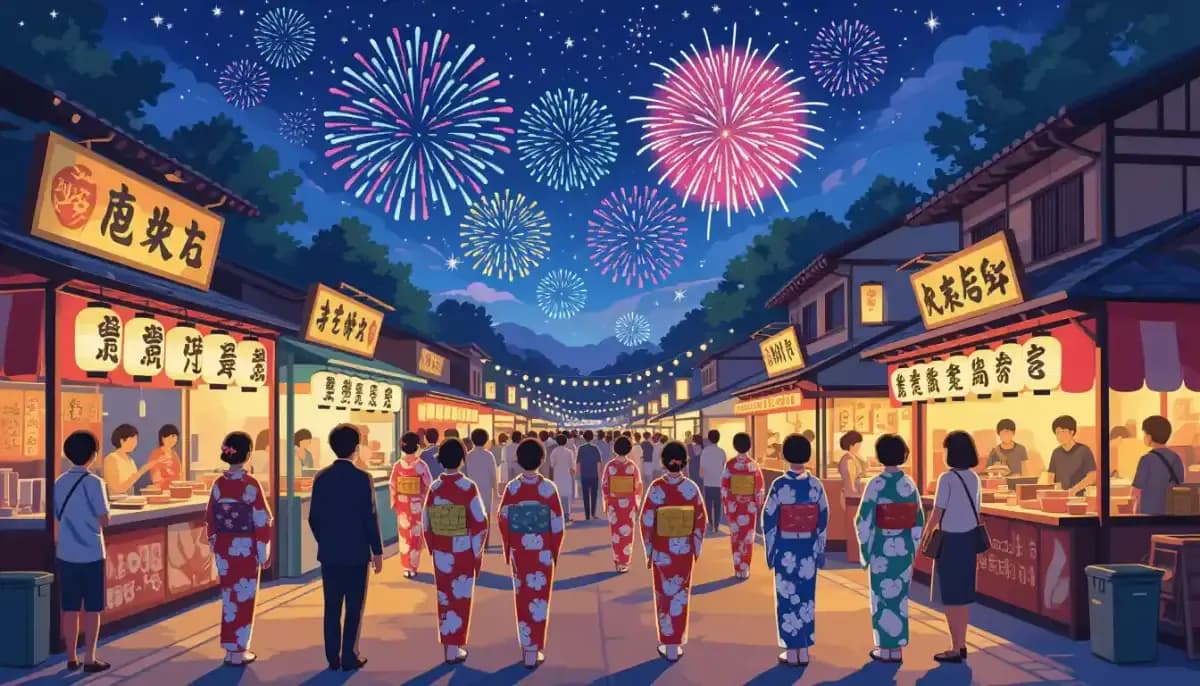
Everything foreigners need to know about Japanese summer festivals (matsuri): top events like Gion Matsuri, what to wear, what to eat, fireworks tips, and practical etiquette advice.
Summer Festivals (Matsuri) in Japan: What Every Foreigner Needs to Know
Japan transforms every summer into a living celebration of color, sound, and tradition. From late June through mid-August, thousands of matsuri (festivals) fill streets, shrines, and parks across the country with the smell of street food, the sound of taiko drums, and the shimmer of fireworks lighting up humid evenings. For foreigners living in or visiting Japan, attending a summer matsuri is one of the most rewarding cultural experiences you can have — but knowing what to expect makes all the difference.
This guide covers everything you need to know about summer festivals in Japan: what they are, the top festivals to attend, what to wear, what to eat, how to behave, and practical tips to make the most of every matsuri.
!Japanese summer festival matsuri with lanterns and yukata-wearing crowd at night

What Is a Matsuri? Understanding Japan's Festival Culture
The word "matsuri" (祭り) literally derives from the verb meaning "to worship" or "to serve the gods." At their core, Japanese festivals are Shinto or Buddhist ceremonies designed to honor deities, express gratitude for nature's bounty, or send off ancestral spirits. But over centuries, they have evolved into vibrant community celebrations that are as much about joy and togetherness as they are about religious observance.
Japan is home to an estimated 100,000 to 300,000 festivals per year, generating an annual economic impact of 530 billion yen. Nearly every shrine, neighborhood, and city has its own matsuri, many dating back hundreds or even thousands of years. As of 2024, 33 Japanese float festivals are registered on the UNESCO Intangible Cultural Heritage list, a recognition of their extraordinary cultural value.
Summer matsuri are especially beloved because they align with Obon (mid-August), Japan's Buddhist festival honoring the spirits of ancestors who return briefly to the living world. This spiritual backdrop gives summer festivals a depth that goes beyond entertainment — the dancing, lanterns, and fireworks are all tied to traditions of remembrance and gratitude.
For more background on Japanese seasonal traditions and cultural events, Living in Nihon offers a wealth of resources for foreigners navigating Japanese cultural life.
Top Summer Festivals in Japan You Should Not Miss
Summer is peak matsuri season in Japan. Here are the most iconic festivals that draw both locals and international visitors every year:
| Festival | Location | Dates | Key Attraction |
|---|---|---|---|
| Gion Matsuri | Kyoto | Entire July | UNESCO float parade (Yamaboko Junko) |
| Tenjin Matsuri | Osaka | July 24–25 | 3,000-person land procession + boat parade |
| Sumida River Fireworks | Tokyo | Late July | World's oldest fireworks festival (since 1732) |
| Awa Odori | Tokushima | August 12–15 | Traditional dance festival, 1M+ visitors |
| Nebuta Matsuri | Aomori | August 2–7 | Illuminated lantern floats, 2M+ visitors |
| Bon Odori | Nationwide | Mid-August | Community circle dancing honoring ancestors |
| Tanabata | Sendai/Nationwide | July 7 | Star festival with colorful paper decorations |
Gion Matsuri (Kyoto) is perhaps Japan's most famous festival, running the entire month of July. Dating back to 869 AD, it centers on the spectacular Yamaboko Junko float parade on July 17 and July 24, where enormous wooden floats — some over 20 meters tall — are pulled through Kyoto's streets by teams of men in traditional dress. The festival attracts over 1 million visitors annually.
Aomori Nebuta Matsuri draws more than 2 million visitors each year with its breathtaking illuminated floats depicting samurai warriors and mythological scenes. The Tokushima Awa Odori attracts over 1 million visitors for its intoxicating traditional dance performances that spill into the streets.
For a deeper look at Japan's best festivals to attend as a foreigner, see our complete guide to Japanese festivals.
What to Wear: Yukata and Festival Attire
One of the most delightful aspects of attending a Japanese summer festival is the opportunity to wear a yukata (浴衣) — a lightweight, cotton kimono perfect for warm weather. Seeing the streets fill with people in colorful yukata is itself a major part of the matsuri experience.
How to get a yukata:
- Buy one: Department stores (depato), shopping centers, and online shops sell yukata sets that include the robe, obi belt, and sashes. Prices range from ¥3,000 for simple styles to ¥20,000+ for high-quality options.
- Rent one: Yukata rental shops are common in popular tourist areas like Asakusa, Shibuya, and Harajuku in Tokyo, as well as in Kyoto and Osaka. Most rental shops offer English service and include dressing assistance, hair styling, and accessories for ¥2,000–¥5,000.
- Department stores: Many offer "yukata dressing corners" (浴衣着付けコーナー) during summer where staff help you dress for a fee.
Accessories to complete your look: geta (wooden sandals), a kinchaku (drawstring bag), and a folding fan (sensu or uchiwa). Note that geta can be hard on unaccustomed feet — break them in beforehand or bring comfortable backup shoes.
If you're not ready to go full traditional, casual summer clothing is perfectly fine at most neighborhood festivals. The key is dressing for heat and humidity — lightweight, breathable fabrics are essential.
What to Eat: The Ultimate Matsuri Food Guide
No matsuri experience is complete without exploring the yatai (屋台) — the colorful rows of outdoor food stalls that line festival grounds. Stall food is an essential part of matsuri culture, and the variety and quality can be surprisingly high.
!Colorful Japanese festival food stalls with takoyaki and yakisoba at matsuri

Essential matsuri foods to try:
- Takoyaki (たこ焼き): Grilled octopus balls with savory sauce and bonito flakes — a quintessential festival snack
- Yakitori (焼き鳥): Skewered grilled chicken, often with salt or teriyaki sauce
- Yakisoba (焼きそば): Stir-fried noodles with vegetables and pork
- Okonomiyaki (お好み焼き): Savory pancakes filled with cabbage, meat, and toppings
- Kakigori (かき氷): Shaved ice with flavored syrup — the perfect summer refresher
- Taiyaki (たい焼き): Fish-shaped cakes filled with red bean paste or custard
- Corn on the cob (とうもろこし): Grilled with butter and soy sauce
Important: Most yatai accept cash only. ATMs may be crowded or unavailable near festival venues, so bring small bills and coins before you go. ¥5,000–¥10,000 in cash is a reasonable budget for food and games at a large festival.
For budget-friendly living tips in Japan, including managing your spending on cultural activities, check out our cost of living in Tokyo breakdown.
Festival Games and Activities
Beyond food, summer matsuri offer a range of traditional games (縁日ゲーム, ennichi games) that are beloved by children and adults alike. Most games cost ¥100–¥500 per try.
Classic matsuri games:
- Kingyo-sukui (金魚すくい): Goldfish scooping with a fragile paper scoop — harder than it looks
- Shateki (射的): Cork gun target shooting at prizes
- Wanage (輪投げ): Ring toss aimed at prizes displayed on a board
- Yoyo-tsuri (ヨーヨー釣り): Fishing for water balloons with a paper hook
- Ramune bottle shooting: Try to win a prize by shooting at targets
Don't be embarrassed if you're not very good — the stall operators are friendly, and many are happy to give foreigners extra tries or encouragement.
Bon Odori dancing is another highlight not to miss. This simple circle dance performed around a central bandstand (yagura) is open to everyone. Join in, follow the movements, and don't worry about getting every step perfect — the whole point is community participation, and locals will be delighted to see you joining in.
The Role of Fireworks: Hanabi Taikai
Summer in Japan means fireworks (花火, hanabi), and hanabi taikai (fireworks festivals) are often held in conjunction with or separately from matsuri. Japan's fireworks culture is extraordinarily refined — a typical large-scale display can feature thousands of shells launched in coordinated choreography to music.
The Sumida River Fireworks Festival in Tokyo, held annually since 1732, is one of the oldest fireworks events in the world and draws enormous crowds. Other major displays include the Nagaoka Fireworks Festival (said to feature some of the largest firework shells in Japan) and the Jingu Gaien Fireworks Festival in Tokyo.
Tips for watching fireworks:
- Arrive 2–3 hours early to claim a good spot
- Bring a leisure sheet or tarp to save your space (especially at popular venues)
- Stay hydrated — summer nights are still hot and humid
- Be prepared for massive crowds at the major displays; keep your group together
- After the show, expect very crowded trains — consider waiting 30–60 minutes before heading to the station
Practical Tips for Foreigners at Japanese Festivals
Attending matsuri as a foreigner is generally a very welcoming experience. Japanese festival culture is inclusive, and locals are almost always pleased to see international visitors engaging with their traditions. Here are key practical tips:
Before you go:
- Check the festival's official website or apps like Japan Guide for exact dates and locations
- Withdraw cash in advance — aim for at least ¥5,000–¥10,000 in small bills
- Download a public transport app (Google Maps, Hyperdia) for getting there and home
- If renting yukata, book ahead — popular rental shops fill up for major festivals
At the festival:
- Arrive early to avoid the worst crowds and have first pick of food stalls
- Carry a portable fan (uchiwa or electric fan) and a small towel for sweat
- Drink plenty of water — heat exhaustion is a real risk in July/August
- Move with the crowd's flow, especially in narrow festival streets
- Photography is generally welcome, but be mindful around sacred shrine areas
Etiquette to know:
- If you enter a shrine area, bow slightly at the torii gate
- Don't block paths when watching performances
- Take your trash to designated disposal areas (many festivals have minimal public bins)
- Keep voices moderate near mikoshi processions, which are sacred ceremonies
For detailed festival-by-festival information and insider tips, Tokyo Cheapo's summer festival guide is an excellent practical resource.
For a broader understanding of Japanese manners and cultural norms, our essential Japanese manners guide is an excellent resource.
For advice on community engagement and connecting with Japanese culture as a foreign resident, For Work in Japan has useful resources on cultural organizations and community participation.
Finding Festivals Near You
One of the best things about summer matsuri is that they are not limited to major tourist cities. Every neighborhood and town has its own festival, and the smaller local matsuri often offer a more authentic, uncrowded experience than the famous mega-events.
How to find matsuri near you:
- Ask your neighbors, coworkers, or local shop owners — they'll almost always know about nearby festivals
- Check community notice boards (掲示板) in your building or neighborhood
- Look for flyers at local convenience stores and supermarkets
- Search local city or ward websites (市役所 / 区役所 official sites)
- Use apps like Japan Events or search "お祭り [your city name]" on Google
Neighborhood matsuri typically feature smaller yatai setups, local community groups performing taiko drumming or bon odori, and a relaxed, family-friendly atmosphere. These smaller events are often where you'll find the most genuine connections with local community life.
If you're new to Japan and looking for ways to immerse yourself in the community, Ittenshoku is a resource worth exploring for lifestyle and community guidance.
Matsuri and Japanese Cultural Identity
For Japanese people, matsuri are far more than entertainment — they are threads connecting modern life to ancient traditions, and communities to their shared histories. Participating respectfully in even a single matsuri gives you a window into Japanese values: community solidarity, gratitude for nature, reverence for the past, and the ability to find joy in shared experience.
The summer festival calendar dovetails with Japan's living Japanese cultural calendar. Understanding when and why festivals occur — the ancestral significance of Obon, the harvest prayers of autumn matsuri, the purification rites of spring — enriches your experience as a resident or long-term visitor in profound ways.
For a complete picture of life in Japan as a foreigner, our guide to moving to Japan covers everything from visas to daily life essentials.
Summary: Your Matsuri Checklist
Ready to attend your first (or next) Japanese summer festival? Here's a quick checklist:
- [ ] Research which festivals are happening near you and mark the dates
- [ ] Withdraw cash (¥5,000–¥10,000 minimum)
- [ ] Arrange yukata (buy, rent, or borrow)
- [ ] Pack: portable fan, small towel, comfortable shoes, phone charger
- [ ] Arrive early (1–2 hours before main events)
- [ ] Try at least three different yatai foods
- [ ] Join the bon odori — even if you don't know the steps
- [ ] Watch the fireworks from a claimed spot with a leisure sheet
- [ ] Embrace the experience and connect with the people around you
Summer matsuri represent Japan at its most vibrant and communal. Whether you're attending a world-famous event like Gion Matsuri or a small neighborhood festival two streets from your apartment, you're participating in a tradition that has brought Japanese communities together for centuries. Dive in, bring an open heart, and enjoy every moment.

Originally from Vietnam, living in Japan for 16+ years. Graduated from Nagoya University, with 11 years of professional experience at Japanese and international companies. Sharing information about living in Japan for foreigners.
View Profile →Related Articles
Japanese National Holidays Calendar and Guide
Complete guide to Japan's 16 national holidays including Golden Week, Silver Week, and New Year. Essential calendar and practical tips for foreigners living in Japan.
Read more →
Japanese Gift Giving Seasons Ochugen and Oseibo Guide
Learn everything about Japanese gift giving seasons ochugen and oseibo. Timing, etiquette, gift ideas, and practical tips for foreigners living and working in Japan.
Read more →
Shichi Go San Children Festival Explained for Foreign Parents
Everything foreign parents need to know about Japan's Shichi-Go-San festival: which ages celebrate, kimono rental costs, shrine visits, chitose-ame candy, and participation tips.
Read more →
Setsubun Bean Throwing Festival Guide
Complete guide to Setsubun, Japan's February bean-throwing festival. Learn about mamemaki, eho-maki, where to watch public events, and how foreigners can participate in this beloved tradition.
Read more →
Japanese Seasonal Foods Calendar and Guide
Discover Japan's seasonal food calendar month by month. Learn about shun (旬), what to eat each season, cultural food traditions, and practical tips for expats living in Japan.
Read more →
Tanabata Star Festival in Japan Explained
Everything you need to know about Tanabata — Japan's Star Festival. Discover the legend of Orihime and Hikoboshi, how to write tanzaku wishes, the best festivals to attend (Sendai, Hiratsuka), and practical tips for foreigners joining the celebration.
Read more →