
Best Japanese Festivals to Attend as a Foreign Resident

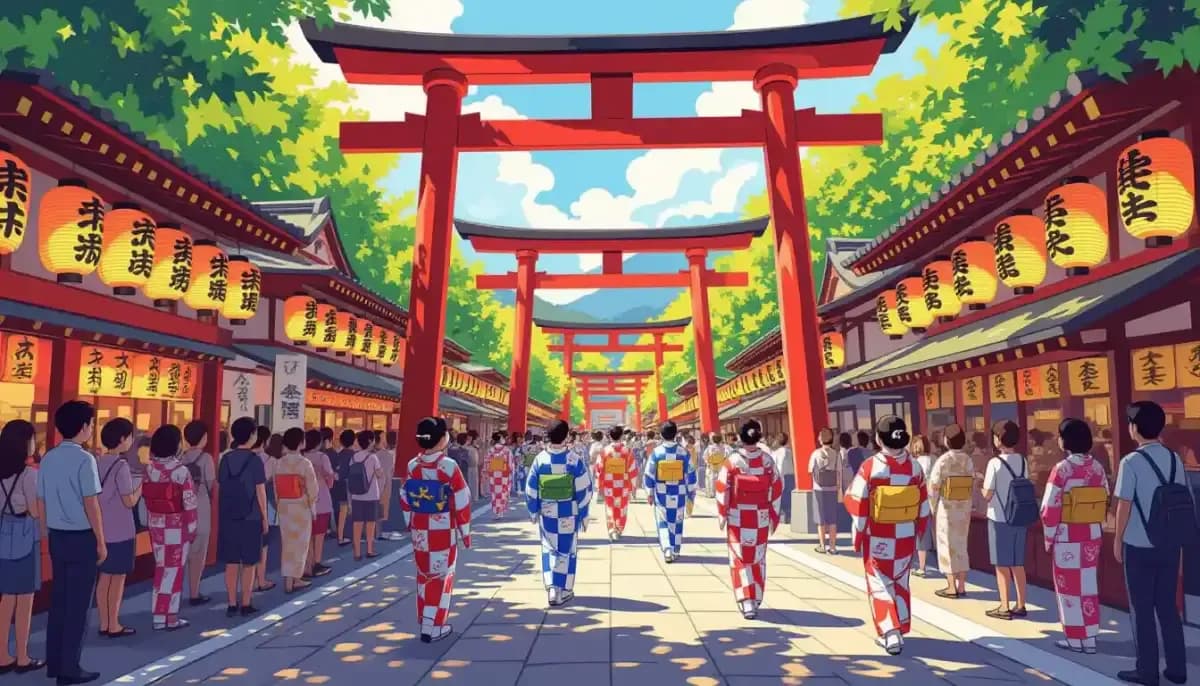
A complete guide to Japan's best matsuri festivals for foreign residents — from Gion Matsuri and Awa Odori to local neighborhood events, with participation tips and etiquette.
Best Japanese Festivals to Attend as a Foreign Resident
Japan's festival calendar is one of the richest in the world. As a foreign resident, attending matsuri (festivals) is one of the most rewarding ways to connect with your local community, experience centuries-old traditions, and feel truly part of Japanese life. Whether you're new to Japan or have lived here for years, the country's vibrant festival culture never gets old. In 2025, Japan welcomed a record 42.7 million international visitors — many drawn specifically by the allure of Japanese festivals. This guide covers the best festivals to attend, how to participate as a foreigner, and practical tips to make the most of every celebration.
Understanding Japanese Matsuri: What They Are and Why They Matter
The word "matsuri" (祭り) means festival in Japanese, but these events are far more than simple parties. Nearly all matsuri have deep connections to Buddhism, Shinto religion, the four seasons, or significant historical events. They are community rituals that have been practiced for hundreds — sometimes over a thousand — years.
When you attend a matsuri as a foreign resident, you're not just a spectator at a tourist attraction. You're participating in a living tradition that defines neighborhood identity and brings communities together. Locals wear traditional happi coats or yukata (summer kimono), carry portable shrines called mikoshi through the streets, and perform dances passed down through generations.
Understanding this cultural context helps you appreciate what you're witnessing — and helps you participate respectfully. For a deeper understanding of Japanese cultural traditions throughout the year, check out this comprehensive guide to Japanese culture and etiquette.
Top Japanese Festivals Every Foreign Resident Should Experience
Japan has thousands of local festivals, but certain events are considered unmissable. Here are the most iconic matsuri organized by season:
Spring Festivals (March–May)
Sanja Matsuri (Tokyo, May) One of Tokyo's greatest festivals, held at Asakusa's Sensoji area. This three-day event draws approximately 2 million visitors and features three large mikoshi portable shrines being carried through the neighborhood by teams of locals. You can often find ways to volunteer as a carrier at many neighborhood matsuri during this season. The energy is electric, and the food stalls (yatai) lining the streets offer unforgettable snacks.
Takayama Spring Festival (Gifu, April 14-15) Held in the charming mountain town of Takayama, this festival showcases intricately decorated wooden floats (yatai) featuring mechanical puppets called karakuri. It's considered one of Japan's three most beautiful festivals. Takayama's preserved Edo-period streets make this a perfect weekend trip.
Aoi Matsuri (Kyoto, May 15) One of Kyoto's three major festivals, this Heian-period procession features participants in ancient court costumes, ox-drawn carriages, and hollyhock decorations. It's more formal and ceremonial than participatory, but watching the procession is a stunning experience.
Summer Festivals (June–August)
Gion Matsuri (Kyoto, July) The crown jewel of Japanese festivals. Running throughout the entire month of July, Gion Matsuri is Kyoto's most famous celebration and one of Japan's top three festivals. The highlight is the Yamahoko Junko procession on July 17th, featuring 33 massive floats — some reaching 25 meters tall. The evenings leading up to the procession, called Yoiyama, transform Kyoto's central streets into a lively outdoor market where you can browse traditional crafts and eat street food late into the night. Book accommodation 3-6 months in advance.
Tenjin Matsuri (Osaka, July 24-25) Known as the "Festival of the Gods," this spectacular two-day event on the Okawa River features torch-lit boat processions and one of Japan's largest fireworks displays. It's one of Japan's three great festivals alongside Gion Matsuri and Tokyo's Kanda Matsuri.
Nebuta Matsuri (Aomori, August 2-7) A breathtaking summer spectacle featuring enormous illuminated float lanterns depicting warriors and deities from Japanese mythology. Teams of dancers called haneto leap and chant around the floats. Foreign visitors are actively encouraged to join as haneto dancers — you can rent the traditional costume and join the parade. This is one of the best festivals for direct participation.
Awa Odori (Tokushima, August 12-15) Japan's largest traditional dance festival attracts over 1 million visitors each year. Teams of dancers perform the awa dance to a catchy rhythm, with the crowd chanting "Yattosa!" Certain areas called niwaka ren allow anybody to join the dancing. The festival's motto is famously "It's a fool who dances and a fool who watches — if both are fools, you might as well dance!"
Obon Season (August, nationwide) Obon is not a single festival but a nationwide Buddhist celebration honoring ancestors. The associated bon odori (Obon dancing) happens at parks, temple grounds, and neighborhood streets across Japan throughout August. Bon odori is completely open to everyone, including foreigners, and basic steps are easy to follow. This is arguably the best opportunity for foreign residents to participate in a genuine community tradition right in their own neighborhood.
Winter & Special Festivals
Sapporo Snow Festival (Hokkaido, early February) Held in Odori Park, this iconic winter event draws over 2 million visitors to see enormous snow and ice sculptures — some as large as two-story buildings. International teams compete in ice sculpture competitions, and the festival has a distinctly global character. The Susukino ice festival (running concurrently) features ice sculptures in the entertainment district.
Hadaka Matsuri — Naked Festival (various locations, February) One of Japan's most unusual traditions, men wearing only loincloths (fundoshi) compete to catch sacred wooden sticks thrown by priests in the freezing cold. The most famous is at Saidaiji Temple in Okayama. Foreigners can and do participate — check local event websites for registration details.
Festival Calendar at a Glance
| Festival | Location | Date | Highlights | Foreign Participation |
|---|---|---|---|---|
| Sanja Matsuri | Tokyo (Asakusa) | May (3rd weekend) | 2 million visitors, mikoshi parade | Watch, volunteer |
| Gion Matsuri | Kyoto | All of July | 33 giant floats, Yoiyama evenings | Watch, street food |
| Tenjin Matsuri | Osaka | July 24-25 | Boat procession, fireworks | Watch |
| Nebuta Matsuri | Aomori | Aug 2-7 | Illuminated floats, haneto dancing | Join as haneto dancer |
| Awa Odori | Tokushima | Aug 12-15 | 1M+ visitors, dance festival | Join niwaka ren |
| Obon / Bon Odori | Nationwide | August | Ancestor memorial, community dance | Join freely |
| Sapporo Snow Festival | Sapporo | Early February | Ice sculptures, 2M+ visitors | Watch, competition |
| Hadaka Matsuri | Okayama & others | February | Loincloth participants, sacred sticks | Can participate |
| Takayama Spring Fest | Gifu | April 14-15 | Mechanical puppet floats | Watch |
| Aoi Matsuri | Kyoto | May 15 | Heian-period procession | Watch |
How to Participate as a Foreign Resident: Practical Tips
Wear traditional festival attire. Renting a yukata or happi coat transforms your experience. At most major festivals, yukata rental services are available on-site for ¥2,000–5,000. Wearing traditional clothing signals respect for local culture and makes locals more likely to invite you into the festivities.
Learn the chants. Every festival has its own chant. For mikoshi-carrying, you'll often hear "Wasshoi! Wasshoi!" For Awa Odori, it's "Yattosa!" Learning and joining in the chanting is an easy, joyful way to participate and shows genuine engagement.
Try the yatai food stalls. Festival food is a culture unto itself. Must-tries include:
- Takoyaki (octopus balls) — Osaka specialty
- Yakitori (grilled chicken skewers)
- Kakigori (shaved ice with flavored syrup)
- Karaage (Japanese fried chicken)
- Taiyaki (fish-shaped sweet pastry)
Join your local neighborhood matsuri. Before seeking out major national festivals, check if your neighborhood has its own summer festival (natsu matsuri). These smaller events are where foreign residents can make the deepest connections — you may be asked to help organize, set up, or carry the local mikoshi.
Plan accommodation early. For major festivals like Gion Matsuri or Nebuta Matsuri, book hotels 3-6 months in advance. Accommodations in Kyoto during July and Aomori in early August sell out extremely quickly.
For more on building community connections in Japan, see our guide to making friends and social life in Japan.
Festival Etiquette for Foreign Residents
Japanese festivals are joyful and welcoming, but cultural respect goes a long way:
Do:
- Dispose of trash properly — carry a bag if no bins are available
- Queue patiently at food stalls and popular viewing spots
- Ask before photographing shrine rituals or mikoshi ceremonies
- Accept invitations to participate from locals with genuine enthusiasm
- Bow when entering shrine grounds
Don't:
- Block roads or entrances for better photos
- Eat or drink while walking in formal procession areas
- Touch mikoshi (portable shrines) unless explicitly invited
- Get excessively intoxicated — enjoy the beer garden culture but be mindful
- Assume all festival areas welcome spectators (some processions are for participants only)
For comprehensive guidance on Japanese customs and etiquette, check out Living in Nihon's guide to Japanese seasons and traditions.
Regional Festival Gems Worth Traveling For
Beyond the big national festivals, Japan's regional matsuri offer unique experiences with smaller crowds:
Kanamara Matsuri (Kawasaki, April) — The famous "Festival of the Steel Phallus" is quirky, irreverent, and great fun. It started as a prayer for fertility and protection against disease.
Nada Fighting Festival / Kenka Matsuri (Himeji, October) — Teams clash their portable shrines together in a fierce competition. One of Japan's most dynamic festivals.
Yuki Matsuri (various, March) — Spring snow-melting festivals in mountain regions, particularly beautiful in Tohoku and the Japanese Alps.
Kishiwada Danjiri Festival (Osaka, September) — Teams of men race enormous wooden floats through narrow streets at high speed. Extremely exciting and slightly dangerous to watch.
For ideas on planning trips around festival seasons, explore our complete transportation guide for Japan.
Living the Festival Calendar Year-Round
One of the great joys of living in Japan is that there is always a festival happening somewhere. As a foreign resident, embracing the festival calendar gives structure to the year and provides regular opportunities to engage with Japanese culture at its most vibrant.
Consider keeping a festival calendar for your region. Most city offices publish annual matsuri schedules, and prefecture tourism websites list local events. Apps like Japan Travel and TimeOut Tokyo also maintain up-to-date festival listings.
For those living in rural areas, local agricultural festivals (nougyou matsuri) celebrate rice planting, harvest seasons, and natural cycles — these are intimate, authentic experiences that few tourists ever encounter.
The Japan National Tourism Organization provides excellent resources: Get involved in local festivals.
For foreigners navigating community life and integration, the For Work in Japan networking and community guide offers valuable insights on connecting with local culture.
For career resources alongside cultural integration guidance, Ittenshoku provides support for foreign professionals building their life in Japan.
Frequently Asked Questions About Japanese Festivals
Can foreigners carry the mikoshi? Yes, in many festivals! Local neighborhood associations (chōnaikai) often welcome volunteers to help carry mikoshi. The best approach is to introduce yourself to the local chōnaikai in your neighborhood and express interest before the festival season.
What should I wear to a Japanese festival? Casual clothing is fine for spectators, but wearing a yukata or happi coat greatly enhances the experience. Yukata rentals are widely available near major festival sites. Wear comfortable shoes — you'll be standing and walking for hours.
Do I need to speak Japanese to enjoy festivals? Not at all. Festivals are sensory experiences — music, visuals, food, and energy communicate across language barriers. That said, learning a few phrases ("sumimasen" for excuse me, "ikura desu ka" for how much) will help at food stalls.
Are festivals family-friendly? Almost all matsuri are excellent for children. Games like kingyo-sukui (goldfish scooping) and yo-yo tsuri (water balloon fishing) are designed for kids. Summer festivals are particularly child-friendly with evening cool breezes and bright colors.
Are there English-language resources for festival information? Yes. The Japan Guide website and official JNTO tourism site maintain comprehensive English festival calendars. Many major festivals also publish English-language information on their official websites.
Japan's matsuri are not just events on a calendar — they are the heartbeat of community life. As a foreign resident, every festival you attend is an investment in your understanding of Japan and your relationships with the people around you. From the thundering drums of a summer mikoshi procession to the silent wonder of a snow sculpture at midnight in Sapporo, these experiences become the defining memories of life in Japan. Put on your yukata, grab a plate of takoyaki, and dive in.
For a complete overview of Japanese cultural traditions and how they shape daily life year-round, read our complete guide to Japanese festivals and traditions.

Originally from Vietnam, living in Japan for 16+ years. Graduated from Nagoya University, with 11 years of professional experience at Japanese and international companies. Sharing information about living in Japan for foreigners.
View Profile →Related Articles
Japanese National Holidays Calendar and Guide
Complete guide to Japan's 16 national holidays including Golden Week, Silver Week, and New Year. Essential calendar and practical tips for foreigners living in Japan.
Read more →
Japanese Gift Giving Seasons Ochugen and Oseibo Guide
Learn everything about Japanese gift giving seasons ochugen and oseibo. Timing, etiquette, gift ideas, and practical tips for foreigners living and working in Japan.
Read more →
Shichi Go San Children Festival Explained for Foreign Parents
Everything foreign parents need to know about Japan's Shichi-Go-San festival: which ages celebrate, kimono rental costs, shrine visits, chitose-ame candy, and participation tips.
Read more →
Setsubun Bean Throwing Festival Guide
Complete guide to Setsubun, Japan's February bean-throwing festival. Learn about mamemaki, eho-maki, where to watch public events, and how foreigners can participate in this beloved tradition.
Read more →
Japanese Seasonal Foods Calendar and Guide
Discover Japan's seasonal food calendar month by month. Learn about shun (旬), what to eat each season, cultural food traditions, and practical tips for expats living in Japan.
Read more →
Tanabata Star Festival in Japan Explained
Everything you need to know about Tanabata — Japan's Star Festival. Discover the legend of Orihime and Hikoboshi, how to write tanzaku wishes, the best festivals to attend (Sendai, Hiratsuka), and practical tips for foreigners joining the celebration.
Read more →