
Japanese New Year Traditions and Customs Explained

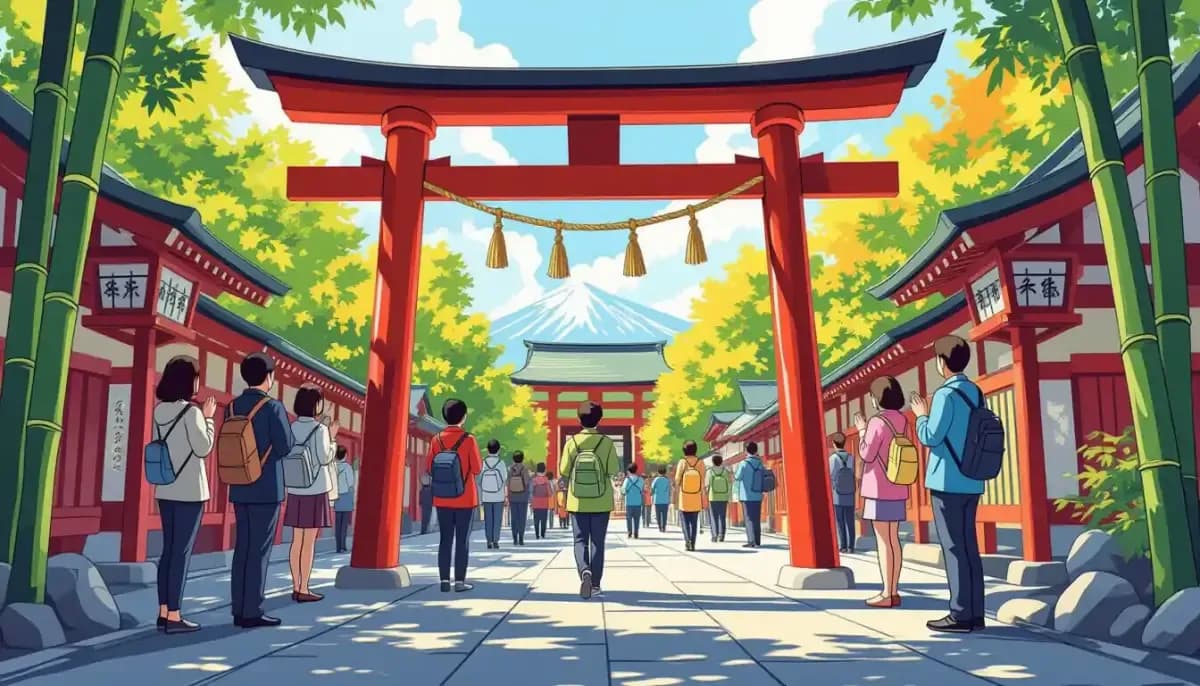
Discover everything about Japanese New Year (Oshogatsu) traditions and customs: hatsumode shrine visits, osechi ryori, Joya no Kane bells, otoshidama, and practical tips for foreigners living in Japan.
Japanese New Year Traditions and Customs Explained
Japan's New Year celebration, known as Oshogatsu (お正月), is the most important holiday in the entire Japanese calendar. Unlike the party-centric New Year festivities common in the West, Oshogatsu in Japan is a deeply spiritual and family-oriented time — a period of purification, renewal, and connection with loved ones and ancient traditions. For foreigners and expats living in Japan, understanding these customs can transform what might seem like a confusing shutdown of everyday life into a truly magical and enriching cultural experience.
The celebration officially spans from January 1st to January 3rd (the official public holidays), but in practice the festive period begins in late December and extends until January 15th. During this time, you'll notice the country simultaneously closing down and coming alive with age-old rituals that have remained largely unchanged for centuries.
![Japanese New Year shrine hatsumode first visit crowd]()
The Historical Roots of Oshogatsu
Understanding where these traditions come from adds tremendous depth to the experience. Japan's New Year traditions stretch back over a thousand years, rooted in agrarian customs and deeply influenced by both Shinto and Buddhist beliefs.
The Calendar Shift of 1873
Before 1873, Japan celebrated the New Year according to the traditional lunar calendar — a date that typically falls in late January or early February. In 1873, following the Meiji government's adoption of the Gregorian calendar, Japan officially shifted its New Year celebration to January 1st. However, despite this modern adjustment, many of the customs observed during Oshogatsu retain their ancient character.
Agricultural and Spiritual Origins
In ancient Japan, a largely agrarian society, the New Year represented the arrival of Toshigami-sama — the deity of the harvest and coming year. Families would prepare offerings and rituals to welcome this god and receive blessings for a prosperous year. This spiritual foundation is still visible in modern Oshogatsu: the decorations placed at entrances, the foods prepared, and the shrine visits all trace back to this tradition of welcoming and honoring divine forces.
For more context on how these traditions fit into the broader picture of Japanese culture, the Complete Guide to Japanese Culture and Etiquette for Foreigners provides essential background for expats navigating daily life in Japan.
The Final Days of December: Preparation and Omisoka
The run-up to New Year's Day is just as important as the celebration itself. The last week of December in Japan is a flurry of preparation activity.
Osoji: The Great Cleaning
One of the most deeply ingrained pre-New Year customs is osoji (大掃除), the "great cleaning" of the home. This isn't just a spring-clean equivalent — it carries spiritual significance. By thoroughly cleaning the home before the New Year, families purify their living space and remove the accumulated dirt, bad luck, and negative energy of the old year. This creates a clean, welcoming environment for Toshigami-sama to visit.
Traditional osoji includes cleaning every corner of the home, washing curtains, clearing out unused items, and even cleaning the family altar if one is present. Many workplaces also hold their own version of osoji in the final days of the year.
Setting Up New Year Decorations
Following the cleaning, families set up traditional New Year decorations, each with specific symbolic meaning:
- Kadomatsu (門松): These arrangements of bamboo, pine branches, and plum blossoms are placed at home entrances and business doorways. The three bamboo shoots of different lengths symbolize prosperity, pine represents longevity, and plum branches embody steadfastness and resilience. Kadomatsu serve as temporary dwellings for Toshigami-sama to reside in during the New Year period.
- Shimekazari (しめ飾り): These rope ornaments, often decorated with white zigzag paper (shide), ferns, and bitter oranges, are hung above doorways to ward off evil spirits and invite good fortune.
- Kagami-mochi (鏡餅): These two-tiered round rice cake arrangements, topped with a bitter orange (daidai), are displayed inside the home. The round shape symbolizes the moon and the passing of time, while the stacked cakes represent the old and new year. "Daidai" (橙) also means "from generation to generation" in Japanese, representing continuity across generations.
Omisoka: New Year's Eve Traditions
December 31st is called Omisoka (大晦日), and it's observed with several important customs.
Toshikoshi Soba: One of the most beloved Omisoka traditions is eating toshikoshi soba (年越しそば) — literally "year-crossing noodles." The tradition of eating soba on New Year's Eve dates back to the Edo Era (1603-1868). The long, thin noodles symbolize longevity and a long life, while soba's characteristic ease of being cut represents the desire to cut away the misfortunes and hardships of the passing year. Most Japanese households eat toshikoshi soba sometime during the evening of December 31st, and many soba restaurants see their busiest night of the year.
Joya no Kane: At midnight on December 31st, Buddhist temples across Japan ring their bells exactly 108 times in a ritual called Joya no Kane (除夜の鐘). According to Buddhist teachings, humans are afflicted by 108 types of earthly desires or temptations (煩悩, bonno) — including feelings like anger, greed, and jealousy. Each toll of the bell is said to dispel one of these desires, purifying both the temple and the listeners for the new year. Many temples allow members of the public to participate in ringing the bell, and millions of people tune in via NHK television to watch famous temples like Chion-in in Kyoto ring their massive bells.
NHK Kohaku Uta Gassen: Another Omisoka staple is the NHK Kohaku Uta Gassen (紅白歌合戦), a four-hour music competition broadcast every December 31st. Teams of male (white) and female (red) artists compete in an iconic televised sing-off. This show has aired every year since 1951 and remains one of Japan's most-watched television events, making it a key cultural reference for foreigners trying to understand Japanese pop culture.
New Year's Day: Ganjitsu Traditions
January 1st, known as Ganjitsu (元日), is the heart of the Oshogatsu celebration. While the country is largely quiet, the day is full of meaningful rituals.
Hatsuhinode: Watching the First Sunrise
Many Japanese people (and adventure-loving expats) greet the New Year by watching the first sunrise of the year, called hatsuhinode (初日の出). Witnessing the first rays of sunlight is believed to bring good fortune for the year ahead. Popular spots include mountain peaks like Mt. Fuji, coastal areas like Choshi in Chiba or Jogashima in Kanagawa, and elevated city locations. In major cities like Tokyo, rooftops and parks fill with people hoping to catch a glimpse of the first light.
Osechi Ryori: The Traditional New Year Feast
Central to New Year's Day celebrations is osechi ryori (おせち料理), a beautiful and elaborate collection of traditional dishes served in lacquered stacking boxes called jubako (重箱). This culinary tradition dates to the Heian Era (794-1185 AD), making it over 1,200 years old.
Each item in an osechi box carries a specific meaning and wish for the new year:
| Food Item | Japanese Name | Symbolic Meaning |
|---|---|---|
| Black soybeans | Kuromame (黒豆) | Good health and hard work |
| Herring roe | Kazunoko (数の子) | Fertility and prosperity |
| Candied sweet potato | Kurikinton (栗きんとん) | Wealth and fortune |
| Lotus root | Renkon (蓮根) | A clear, obstacle-free future |
| Rolled omelette | Datemaki (伊達巻) | Knowledge and wish for studying |
| Simmered shrimp | Ebi (海老) | Longevity |
| Red and white fish cakes | Kamaboko (かまぼこ) | Celebration and sunrise |
| Taro root | Satoimo (里芋) | Abundant children, family prosperity |
Traditional osechi was prepared at home in the final days of December because it was considered disrespectful to the gods to make noise cooking during the first three days of the New Year. The foods were also designed to keep without refrigeration for several days — hence the prevalence of sweet, sour, vinegared, and dried ingredients.
Today, osechi boxes can be purchased from department stores, supermarkets, and specialty restaurants. Prices range from around ¥1,500 for a simple convenience store version to ¥50,000+ for premium sets from top restaurants. If you want to experience a genuine osechi feast, it's essential to pre-order weeks in advance — they sell out quickly.
Otoshidama: New Year's Money Gifts
One tradition children across Japan look forward to eagerly is otoshidama (お年玉) — small envelopes of cash given by adult relatives to children. Otoshidama are handed out in special small decorative envelopes called pochibukuro (ぽち袋). The amount given typically scales with the child's age, with amounts commonly ranging from ¥1,000 for young children to ¥10,000 for teenagers. The average total per child across all relatives is often around ¥30,000-50,000.
For foreigners with children in Japan, this is a wonderful tradition to participate in. You can find beautiful pochibukuro at convenience stores, stationery shops, and 100-yen shops from late December onward.
Nengajo: New Year's Cards
Japanese people have a long tradition of sending nengajo (年賀状) — New Year's Day greeting postcards — to friends, family, colleagues, and business associates. These cards, decorated with the zodiac animal of the incoming year, are specially postmarked to arrive precisely on January 1st. Each nengajo features a lottery number, and winners can receive prizes ranging from small gifts to cash.
The nengajo tradition has evolved considerably in the digital age, with many people now sending digital greetings via LINE, email, or social media. However, sending physical cards to older relatives and business contacts remains an important social obligation for many Japanese people.
![Japanese New Year osechi ryori traditional food jubako lacquer box]()
Hatsumode: The First Shrine Visit
Perhaps the most iconic and visible of all Oshogatsu traditions — and the one most accessible to foreigners — is hatsumode (初詣), the first visit to a Shinto shrine or Buddhist temple of the new year.
When to Go
Hatsumode traditionally takes place within the first three days of January, though many people visit on January 1st itself, even at midnight immediately after the temple bells have finished ringing. The most dedicated worshippers queue up before midnight to be among the first to pray at the stroke of the new year.
Major shrines and temples see extraordinary crowds:
- Meiji Jingu (Tokyo): Over 3 million visitors in the first three days
- Naritasan Shinshoji Temple (Chiba): Around 3 million visitors
- Kawasaki Daishi (Kanagawa): Over 3 million visitors
- Fushimi Inari Taisha (Kyoto): Hundreds of thousands of visitors
- Sumiyoshi Taisha (Osaka): Over 2.3 million visitors
What to Do at Hatsumode
- Purify your hands: At the temizuya (water basin) near the entrance, ladle water over your hands to purify yourself before approaching the main hall.
- Make an offering: Toss a coin (any denomination works, though 5-yen coins are considered lucky as "go-en" means connection/fate) into the offering box.
- Pray: Bow twice deeply, clap your hands twice, make your prayer or wish for the new year, then bow once more.
- Draw omikuji: Many visitors draw omikuji (おみくじ) — fortune slips — for a small fee (usually ¥100-200). Fortunes range from dai-kichi (great luck) to kyo (bad luck). If you get a bad fortune, tie it to a designated tree or rack at the shrine to leave the bad luck behind.
- Buy ema: Ema (絵馬) are wooden wishing plaques, often decorated with the zodiac animal, on which you write a wish or prayer for the new year and hang at the shrine.
- Purchase omamori: Omamori (お守り) are protective amulets available at most shrines and temples, believed to bring specific blessings — for health, love, academic success, traffic safety, and more.
For expats navigating the social customs of Japan, understanding shrine etiquette is an important part of integrating into Japanese life. Living in Nihon's resources at livinginnihon.com offer valuable guidance on Japanese cultural practices.
Practical Guide for Foreigners: Surviving and Thriving During Oshogatsu
For foreigners living in or visiting Japan during the New Year period, preparation is key. Here's what you need to know:
What Closes (and What Stays Open)
The Oshogatsu period, roughly December 29th through January 3rd, sees a significant portion of Japan's businesses and services close or operate on reduced hours.
| Service/Business | Holiday Status |
|---|---|
| Banks and post offices | Closed Dec 29 – Jan 3 |
| Government offices | Closed Dec 29 – Jan 3 |
| Most supermarkets | Closed Jan 1; reduced hours Jan 2-3 |
| Convenience stores | Open 24/7 as usual |
| Independent restaurants | Mostly closed |
| Chain restaurants | Usually open; verify locally |
| Museums and galleries | Typically closed Dec 29 – Jan 3 |
| Department stores | Closed Jan 1; reopen Jan 2 for New Year sales |
| Shrines and temples | Open (especially busy!) |
| Hospitals (emergency) | Open; routine clinics likely closed |
Pro Tips for Expats:
- Stock up before December 31st: Buy medications, groceries, and any essentials you might need. Many supermarkets close on January 1st.
- Keep cash on hand: While most ATMs function normally, it's wise to have cash available.
- Book transport early: Shinkansen and highway buses are extremely busy between December 28-31 and January 2-4 as people travel home. Book weeks in advance.
- Use convenience stores: 7-Eleven, FamilyMart, and Lawson are your best friends during Oshogatsu — they stock osechi-style food sets, hot meals, and all daily necessities.
- Check Google Maps: Many businesses update their hours on Google Maps for the holiday period.
For more practical advice on navigating daily life in Japan as a foreigner, see the Complete Guide to Daily Life in Japan for Foreigners. For career-related questions about workplace customs during the New Year period, For Work in Japan provides excellent guidance for foreign workers in Japan.
Fukubukuro: New Year Lucky Bags
One uniquely Japanese commercial tradition that opens up on January 2nd is the fukubukuro (福袋), or "lucky bag" sale. Department stores, fashion brands, electronics retailers, and even fast food chains sell sealed bags filled with mystery items, typically worth significantly more (often 50-70% more) than the purchase price.
The word fukubukuro combines "fuku" (fortune/luck) and "fukuro" (bag), expressing the idea of a bag of good fortune. Popular fukubukuro from brands like Apple, Uniqlo, and designer labels attract shoppers who camp out overnight or queue for hours to be first in line.
New Year Greetings in Japanese
Knowing the right greetings during the holiday season is a key part of social life in Japan:
- Before the New Year: Say "Yoi otoshi wo" (よいお年を) — meaning "Have a good New Year" or "I wish you a good year ahead." Use this from around late December until December 31st.
- After January 1st: Say "Akemashite omedetou gozaimasu" (あけましておめでとうございます) — meaning "Congratulations on the New Year!" This is the standard New Year greeting used throughout January.
- In formal/business contexts: Add "Kotoshi mo yoroshiku onegai shimasu" (今年もよろしくお願いします) — meaning "I look forward to your continued support this year." This phrase is essential in business and professional relationships.
The Zodiac Animal and New Year Themes
Each year in Japan is associated with one of the 12 animals of the East Asian zodiac cycle (eto/干支). The incoming animal sets the visual and thematic tone for all New Year cards, decorations, gifts, and osechi boxes for that year.
The 12 animals in order are: Rat (子), Ox (丑), Tiger (寅), Rabbit (卯), Dragon (辰), Snake (巳), Horse (午), Goat (未), Monkey (申), Rooster (酉), Dog (戌), and Boar (亥).
Understanding the current year's zodiac animal helps you interpret the imagery you see everywhere during the New Year period and adds another layer of connection to the culture. For foreigners interested in deepening their understanding of Japanese festivals beyond just the New Year, the Complete Guide to Japanese Festivals and Traditions is an excellent companion resource.
For those interested in the intersection of religion and culture in Japan, Ittenshoku's content at ittenshoku.com can be a helpful reference for understanding the spiritual dimensions of Japanese holidays.
After January 3rd: Extended New Year Customs
The Oshogatsu spirit doesn't completely fade after January 3rd. Several traditions mark the rest of the New Year period:
Kagami-biraki (鏡開き): On January 11th (or January 4th in some regions), families ceremonially break open the kagami-mochi rice cake that has been displayed since New Year's. The cake is broken — not cut, as cutting with a blade is considered inauspicious — and the pieces are eaten in ozoni (rice cake soup) or with sweet azuki bean paste. This ceremony symbolizes good luck and health for the year ahead.
Dezomeshiki (出初式): On January 6th, Tokyo's firefighters hold a spectacular traditional ceremony featuring historical fire ladder acrobatics (tobi-shokumin), pumper trucks, and impressive water displays at Odaiba Seaside Park. Similar ceremonies take place across Japan and are free to watch.
Seijin no Hi: The second Monday of January is Coming-of-Age Day (成人の日), a national holiday celebrating everyone who turned 20 (or 18 following recent legal changes) in the past year. Young adults dress in vibrant furisode kimono (women) or hakama (men) for ceremonies at city halls, then head out for parties and celebrations. The sight of beautifully dressed young people across Japan is one of the most visually striking experiences of early January.
Why Oshogatsu Matters for Foreigners in Japan
Participating in — or at least understanding — Oshogatsu is one of the most meaningful ways for foreigners to connect with Japanese culture. Even if you don't have Japanese family to celebrate with, there are many ways to engage:
- Visit a shrine or temple for Hatsumode — this is completely open to everyone, regardless of nationality or religion
- Try eating toshikoshi soba on New Year's Eve at a restaurant or from a convenience store
- Hunt for fukubukuro at your favorite shops on January 2nd
- Watch Joya no Kane on NHK TV at midnight
- Send nengajo to Japanese friends or colleagues
- Taste osechi at a department store food hall or restaurant
The Complete Guide to Japanese Food and Cooking can help you understand and prepare many of the traditional foods associated with Oshogatsu, from soba to osechi dishes.
Understanding and participating in Oshogatsu is a gateway to deeper integration into Japanese society. It shows respect for the culture you've chosen to live in, opens conversations with Japanese neighbors and colleagues, and creates memories that will last long after the kadomatsu have been removed.
For more in-depth guides on experiencing Tokyo during the New Year period, Tokyo Cheapo's Japanese New Year guide covers events, countdown spots, and practical tips. Japan Today's guide to New Year traditions also provides excellent cultural context for expats and visitors.
Summary: Key Oshogatsu Traditions at a Glance
| Tradition | Japanese Name | When | What It Means |
|---|---|---|---|
| Great Cleaning | Osoji (大掃除) | Late December | Purify home for the new year |
| New Year's Eve Noodles | Toshikoshi Soba (年越しそば) | Dec 31 evening | Longevity; cutting away bad luck |
| Temple Bell Ringing | Joya no Kane (除夜の鐘) | Dec 31 midnight | Dispel 108 earthly desires |
| First Sunrise | Hatsuhinode (初日の出) | Jan 1 dawn | Welcome good fortune |
| Traditional Feast | Osechi Ryori (おせち料理) | Jan 1-3 | Symbolic wishes for the year |
| First Shrine Visit | Hatsumode (初詣) | Jan 1-3 | Prayer for a good year |
| Children's Money Gifts | Otoshidama (お年玉) | Jan 1-3 | Gifts and blessings for children |
| New Year's Cards | Nengajo (年賀状) | Received Jan 1 | Connection and good wishes |
| Lucky Bags | Fukubukuro (福袋) | From Jan 2 | Fortune and shopping deals |
| Mirror Cake Ceremony | Kagami-biraki (鏡開き) | Jan 11 | Good luck and health |
Oshogatsu is not just a holiday — it is Japan condensed into a few days: the reverence for nature and the spiritual world, the importance of family and community, the meticulous attention to detail in food and decoration, and the quiet gratitude for the passing year and hope for the one ahead. For foreigners fortunate enough to experience it, Oshogatsu is often described as one of the most memorable and touching aspects of life in Japan.

Originally from Vietnam, living in Japan for 16+ years. Graduated from Nagoya University, with 11 years of professional experience at Japanese and international companies. Sharing information about living in Japan for foreigners.
View Profile →Related Articles
Japanese National Holidays Calendar and Guide
Complete guide to Japan's 16 national holidays including Golden Week, Silver Week, and New Year. Essential calendar and practical tips for foreigners living in Japan.
Read more →
Japanese Gift Giving Seasons Ochugen and Oseibo Guide
Learn everything about Japanese gift giving seasons ochugen and oseibo. Timing, etiquette, gift ideas, and practical tips for foreigners living and working in Japan.
Read more →
Shichi Go San Children Festival Explained for Foreign Parents
Everything foreign parents need to know about Japan's Shichi-Go-San festival: which ages celebrate, kimono rental costs, shrine visits, chitose-ame candy, and participation tips.
Read more →
Setsubun Bean Throwing Festival Guide
Complete guide to Setsubun, Japan's February bean-throwing festival. Learn about mamemaki, eho-maki, where to watch public events, and how foreigners can participate in this beloved tradition.
Read more →
Japanese Seasonal Foods Calendar and Guide
Discover Japan's seasonal food calendar month by month. Learn about shun (旬), what to eat each season, cultural food traditions, and practical tips for expats living in Japan.
Read more →
Tanabata Star Festival in Japan Explained
Everything you need to know about Tanabata — Japan's Star Festival. Discover the legend of Orihime and Hikoboshi, how to write tanzaku wishes, the best festivals to attend (Sendai, Hiratsuka), and practical tips for foreigners joining the celebration.
Read more →