The Complete Guide to Entertainment and Nightlife in Japan for Foreigners
Japan's entertainment scene is one of the most vibrant and unique in the world. From the neon-lit alleys of Tokyo's Shinjuku to the electric atmosphere of Osaka's Dotonbori, the country offers foreigners an incredible variety of nightlife and leisure experiences unlike anywhere else on earth. Whether you're an expat settling in for the long term or a newcomer finding your footing, this guide covers everything you need to know about entertainment and nightlife in Japan.
Japan's bars and nightclubs market was worth approximately 1.55 trillion yen in 2023, and the live entertainment market reached USD 5.67 billion in 2024 — numbers that speak to just how seriously the Japanese take their leisure time. Understanding the culture, etiquette, and options available will help you enjoy Japan's nightlife safely and confidently.
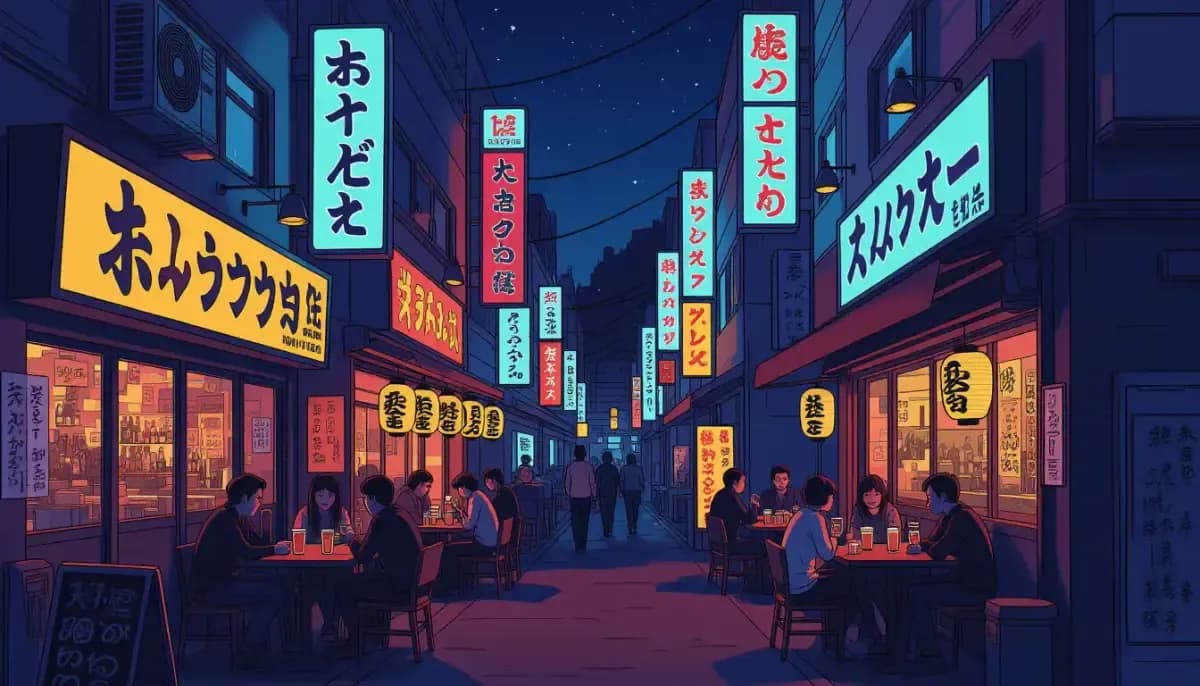
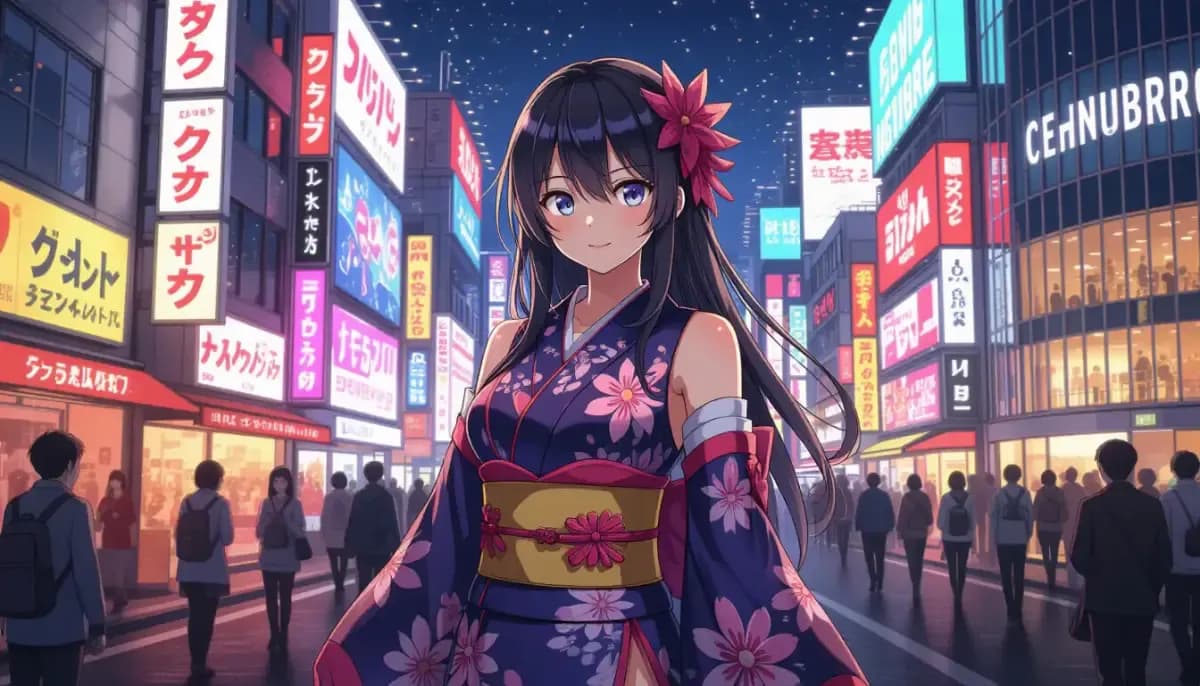
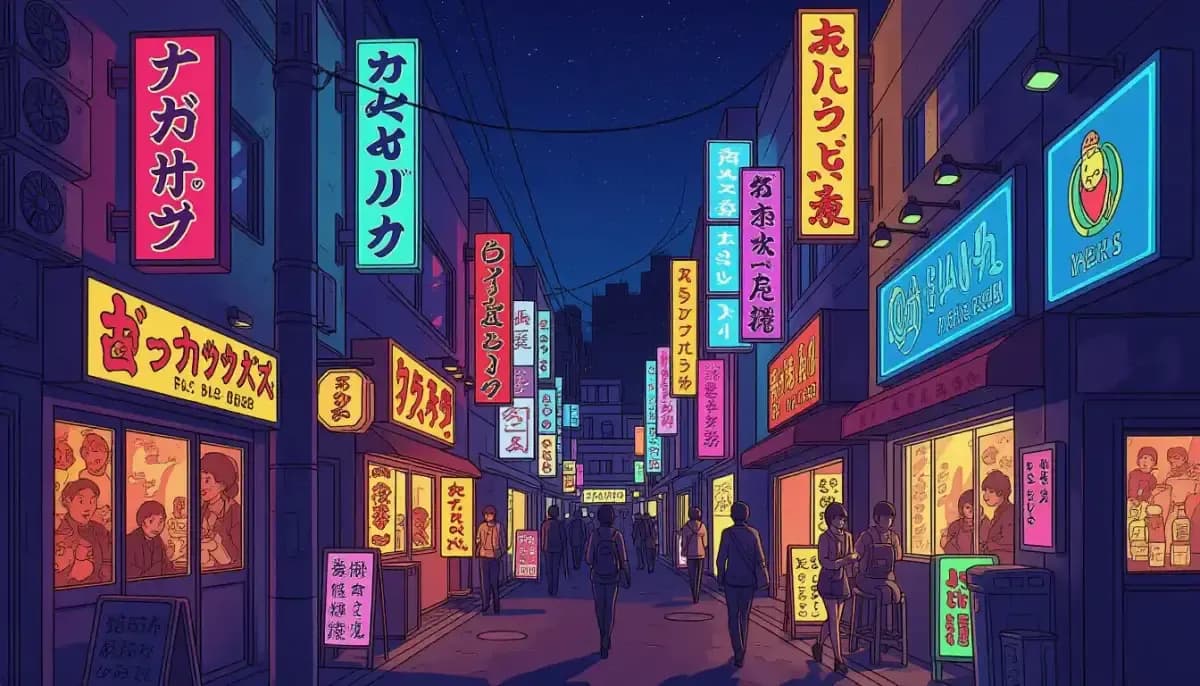
!Tokyo nightlife district with neon signs and izakayas at night
Understanding Japan's Nightlife Culture
Before diving into venues and districts, it's important to understand the cultural context surrounding Japanese nightlife. Going out in Japan isn't just about drinking — it's a social ritual with its own etiquette and expectations.
Social bonding over drinks is deeply ingrained in Japanese workplace and social culture. After-work drinking sessions (called nomikai) are common across all industries and are often seen as important social glue between colleagues.
Restraint and politeness define the atmosphere even in lively bars. Unlike some Western nightlife scenes, loud or aggressive behavior is frowned upon. The vibe tends to be convivial but controlled.
Pouring your own drink is considered rude. In group settings, always pour for others first, and they will reciprocate. When someone pours for you, hold your glass with both hands and take a sip before setting it down.
The kanpai (cheers) ritual matters. Everyone must have a drink in hand before the first toast. If drinking with seniors or superiors, touch your glass rim slightly below theirs as a sign of respect.
No tipping — ever. Tipping is not just unnecessary in Japan, it can be seen as offensive. Staff may actually chase you down to return money left on the table. The price on the menu is always the final price.
For more on navigating Japanese social customs, see our guide to Essential Japanese Manners Every Foreigner Should Know.
Types of Nightlife Venues in Japan
Japan has a remarkable variety of venues, each with its own culture and etiquette. Here's a breakdown of the main options:
Izakayas (Japanese Gastropubs)
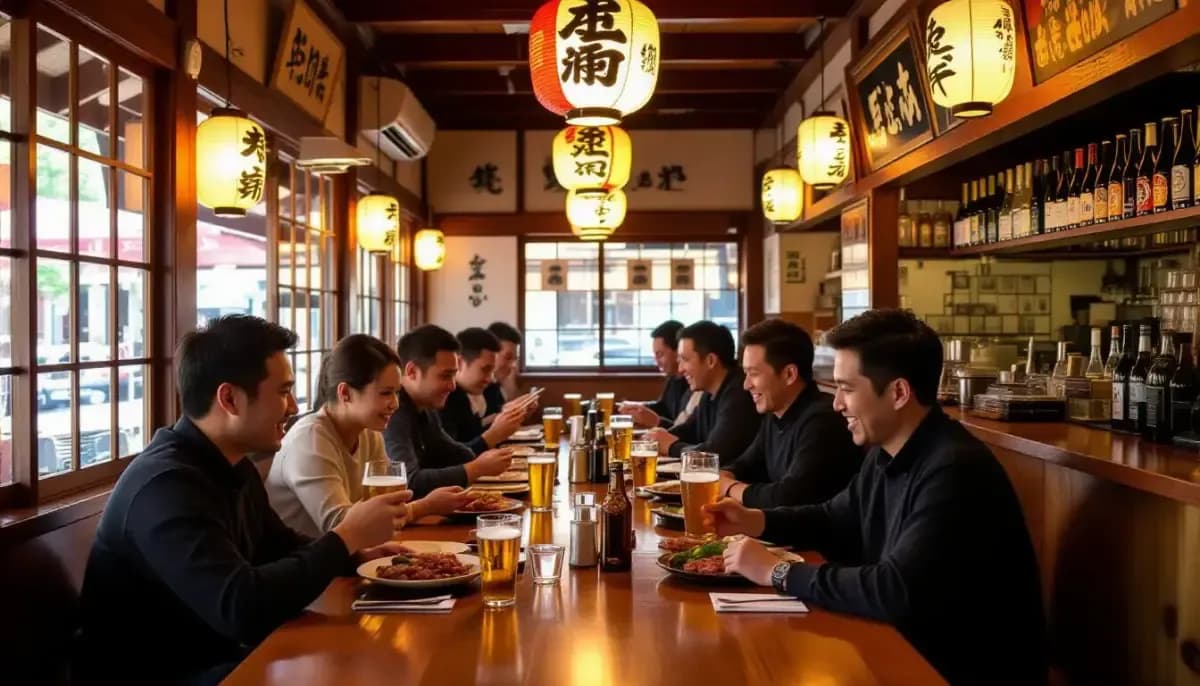
Izakayas are the backbone of Japanese nightlife. These casual, lively establishments serve alcohol alongside small plates of food — think edamame, karaage (fried chicken), sashimi, grilled skewers, and more. They're perfect for groups and offer an authentic slice of Japanese social life.
Key izakaya tips for foreigners:
- Otoshi (お通し): When you sit down, staff will bring a small appetizer automatically. This is a "table charge" of roughly 300–500 yen per person and cannot be refused — it's the equivalent of paying for your seat.
- Nomihoudai (飲み放題): Look for this on menus — it means all-you-can-drink. For a flat fee of 1,500–2,500 yen, you get unlimited drinks from a set menu for 90–120 minutes. Finish your current drink before ordering the next, and listen for "last order" announcements 10–15 minutes before time ends.
- Most izakayas have picture menus or English menus in tourist-heavy areas, but learning a few food words goes a long way.
Karaoke Boxes
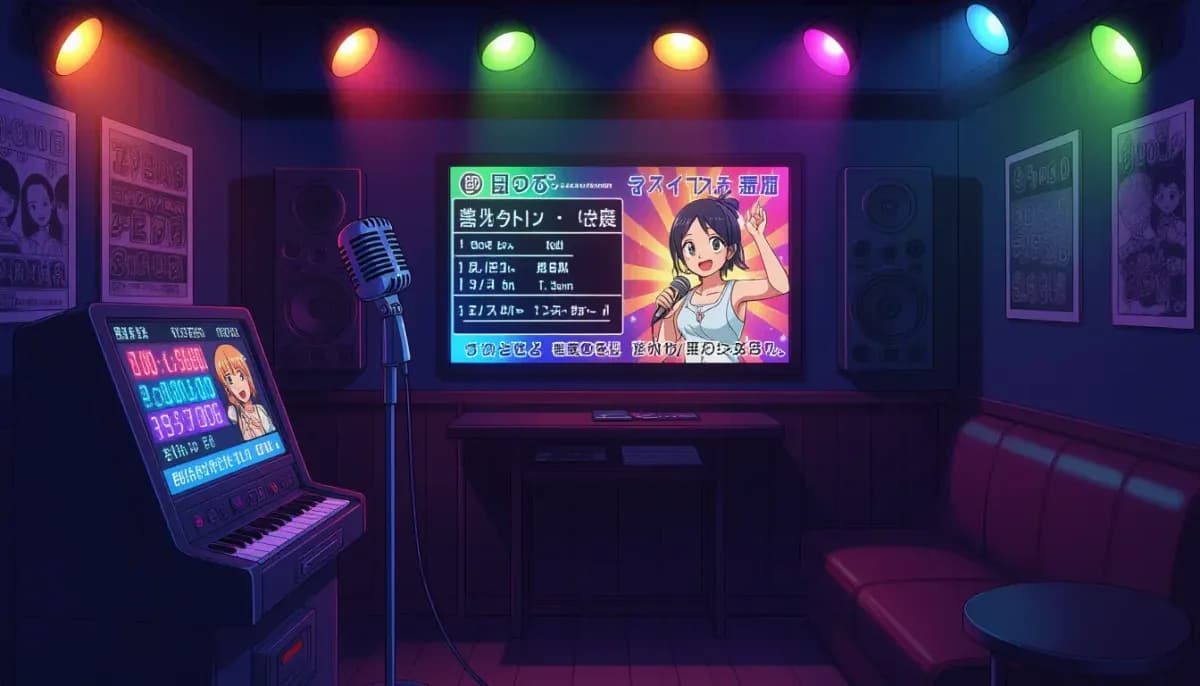
Karaoke in Japan is nothing like the embarrassing public experience you might fear. Japanese karaoke is done in private rooms (karaoke boxes) rented with your group by the hour. You get a large screen, microphones, a tablet device (called a Denmoku) to search and queue songs, and a phone to call staff for drink orders.
Most major karaoke chains (Big Echo, Karaoke-kan, Joysound, DAM) have extensive English song libraries. Minimum one drink order per person is typical. Karaoke is beloved across all age groups and is perfect for both sober fun and late-night revelry.
Karaoke etiquette:
- Don't queue multiple songs consecutively — take turns
- Cheer and support everyone enthusiastically, regardless of singing quality
- Clapping, shaking tambourines, and singing along are encouraged
Bars
Japan's bar scene ranges from tiny two-seat counters to sprawling rooftop venues. Key types include:
- Tachinomi (standing bars): Cheap, casual, social. No seats — you stand and drink. Often cash-only with payment into a bowl on the counter. Great for quick, affordable drinks.
- Shot bars: More intimate spaces serving premium cocktails and whisky. Expect higher prices and sophisticated service.
- Craft beer bars: A growing scene, especially in Tokyo and Osaka. Japanese craft beer has exploded in quality and variety.
- Sunakku (snack bars): Unique Japanese institutions run by a "Mama-san." High cover charge (3,000+ yen) that includes unlimited house whisky and conversation. A community hub for regulars — fascinating for cultural insight.
Clubs and Live Music Venues
Tokyo and Osaka have thriving club scenes. Ageha (Tokyo) and Circus (Osaka) are among the most internationally recognized clubs. Smaller underground venues feature everything from techno to jazz to J-pop.
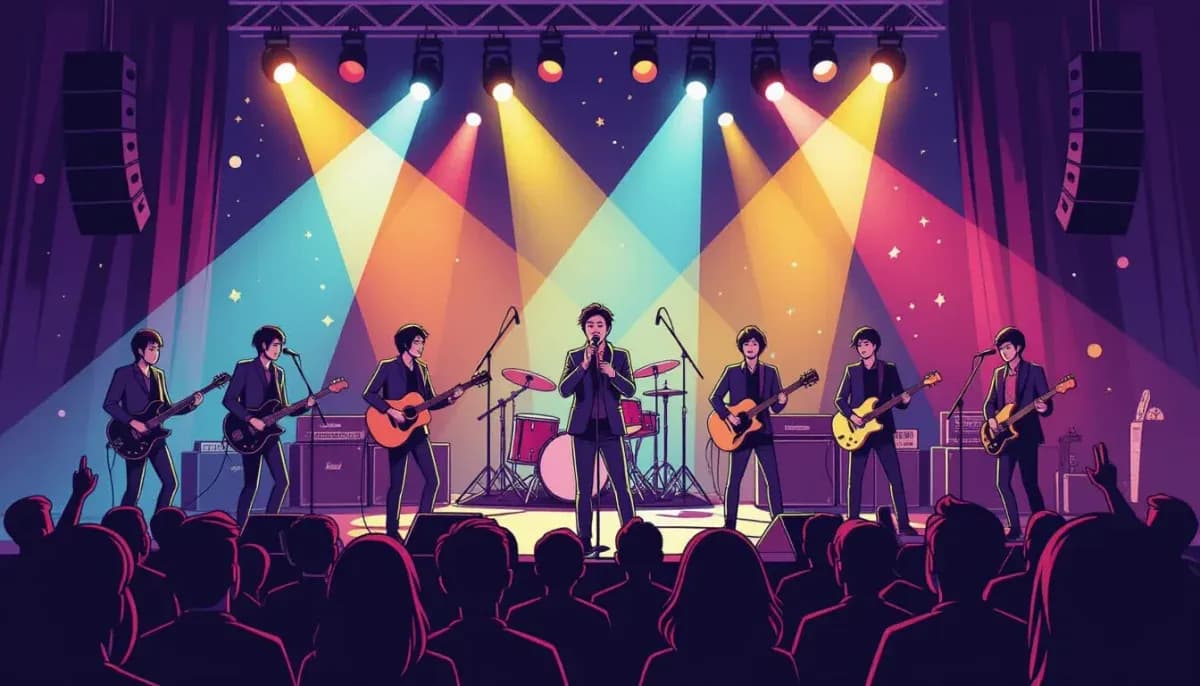
Live music venues (live houses) are popular across Japan, hosting everything from local indie bands to international acts. Tickets typically include one drink.
Manga Cafes and Game Centers
Not nightlife in the traditional sense, but manga cafes (manga kissa) are essential knowledge for any foreigner staying out past the last train. They offer private cubicles with computers, manga, and drinks, often open 24 hours. Many people use them as budget overnight options.
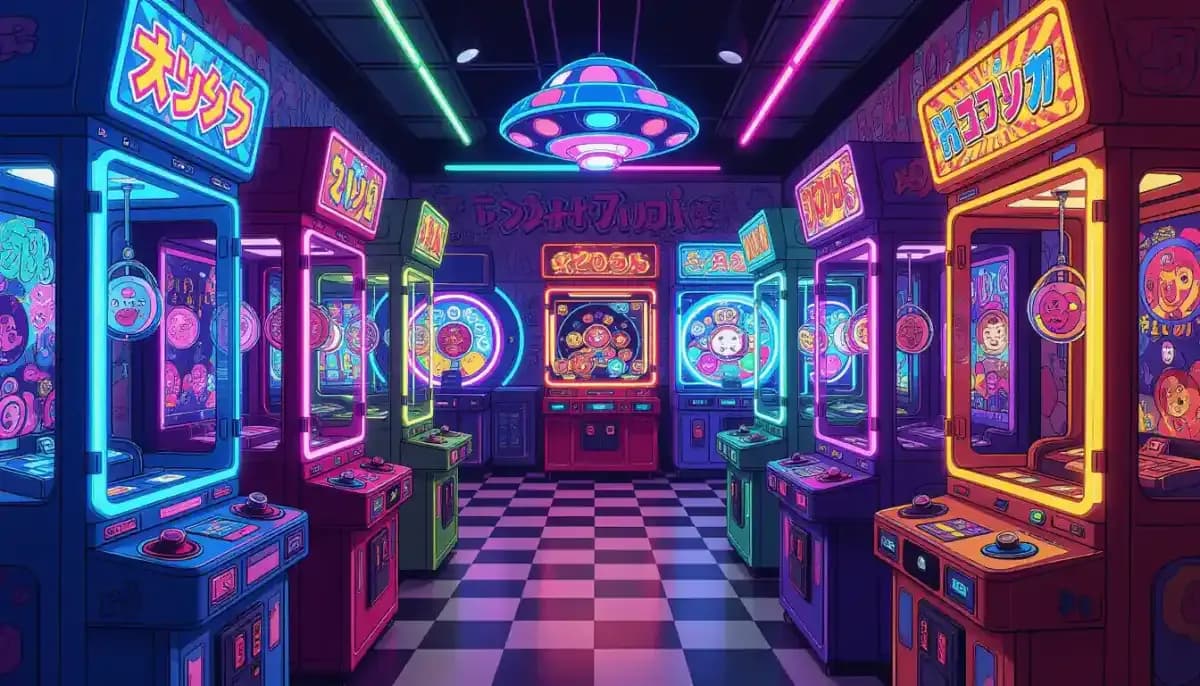
Game centers (arcades) are also open late and offer a uniquely Japanese entertainment experience — from crane games to rhythm games to photo booths (purikura).
Major Nightlife Districts in Japan
Tokyo
Tokyo's nightlife is spread across several distinct districts, each with its own character:
| District | Vibe | Best For |
|---|
| Roppongi | International, upscale, lively clubs | Foreigners, expats, tourists |
| Shinjuku (Kabukicho) | Massive, diverse, Golden Gai alleyways | All types, bar-hopping |
| Shibuya | Young, trendy, high-energy | 20s crowd, dancing |
| Golden Gai | Tiny atmospheric bars, artsy | Intimate conversation, character bars |
| Ginza | Upscale, refined | Fine dining, premium cocktails |
| Shimokitazawa | Alternative, indie music | Live music, bohemian vibes |
Roppongi is the most foreigner-friendly district. Most bars and clubs have English-speaking staff, and the crowd is notably international. Be aware that it can also attract touts and scammers — see the safety section below.
Shinjuku's Golden Gai is a network of tiny alleyways packed with some of Japan's most atmospheric bars, each seating just 5–10 people. It's an extraordinary experience — though some bars may have "regulars only" policies.
Shibuya caters to a younger Japanese crowd but has a vibrant international scene too, with rooftop bars and clubs that stay open until morning.
Osaka
Osaka has a reputation as Japan's most social city — locals say "Osaka-jin" eat and drink enthusiastically. The nightlife is centered around:
- Dotonbori: The iconic entertainment strip with illuminated signs, street food, and packed bars and clubs. Dotonbori is lively every night of the week.
- Shinsaibashi / Amerika-Mura: Trendy shopping and nightlife area popular with young people.
- Namba: Hub for izakayas, clubs, and late-night ramen.
Other Cities
- Kyoto: More subdued than Tokyo or Osaka, but excellent sake bars and jazz clubs in the Gion and Pontocho districts.
- Fukuoka: Hakata's Nakasu entertainment district is one of Japan's largest, with izakayas, clubs, and the famous yatai (open-air food stalls).
- Sapporo: Susukino is Hokkaido's premier nightlife district, with hundreds of bars, clubs, and karaoke venues.
For help understanding costs across Japan's major cities, check out our Cost of Living in Tokyo Complete Breakdown.
Essential Safety Tips for Foreigners
Beware the last train (shuden). Tokyo's train network stops operating around midnight. Missing the last train is a common mistake for newcomers. Your options: expensive taxi home, stay at an all-night karaoke venue, find a manga cafe, or book a capsule hotel. Plan your route home before going out.
Never follow street touts. In districts like Roppongi and Kabukicho, men stand outside bars trying to lure people in. These are almost always "rip-off bars" that charge exorbitant fees, sometimes with aggressive pressure not to leave. Legitimate bars do not recruit from the street.
Watch for cover charges. Some bars charge an entry or "table charge" fee that isn't always obvious upfront. Ask about any charges before sitting down.
Be aware of the "companion bar" scene. Some establishments charge by the minute or have hidden fees. If you're unsure, ask about the pricing model before ordering anything.
Drink responsibly. Japanese trains have zero tolerance for unruly drunk passengers. Public intoxication, while not illegal, can result in being refused service or attracting unwanted police attention.
For more on staying safe and understanding Japanese laws, see our guide to Essential Japanese Manners Every Foreigner Should Know.
Budget Guide: What to Expect to Pay
Entertainment costs in Japan can vary dramatically. Here's a practical budget guide:
| Venue Type | Typical Cost Range | Notes |
|---|
| Convenience store beer | ¥100–200 | 7-Eleven, FamilyMart, Lawson |
| Standing bar (tachinomi) | ¥300–600 per drink | Often cash only |
| Izakaya (per person, 2-3 hours) | ¥2,000–5,000 | Including food and drinks |
| Nomihoudai (all-you-can-drink) | ¥1,500–2,500 flat | 90-120 minutes |
| Karaoke box (per person/hour) | ¥300–1,000 | Cheaper at daytime, varies by chain |
| Club entry (major Tokyo clubs) | ¥2,000–5,000 | Often includes one drink |
| Live music venue (live house) | ¥2,000–4,000 | Usually includes one drink |
| Manga cafe (overnight) | ¥1,500–3,000 | Cubicle, drinks, manga included |
| Capsule hotel | ¥3,000–5,000 | Better sleep than manga cafe |
| Late-night taxi (central Tokyo) | ¥2,000–5,000+ | Surge pricing after midnight |
Pro tip: Convenience stores are your best friend for pre-drinks (known as nijikai). Japan's convenience store drinks are excellent quality and remarkably affordable.
Cultural Events and Traditional Entertainment
Japanese entertainment goes far beyond bars and clubs. As a resident foreigner, you have access to some of the world's most remarkable cultural experiences:
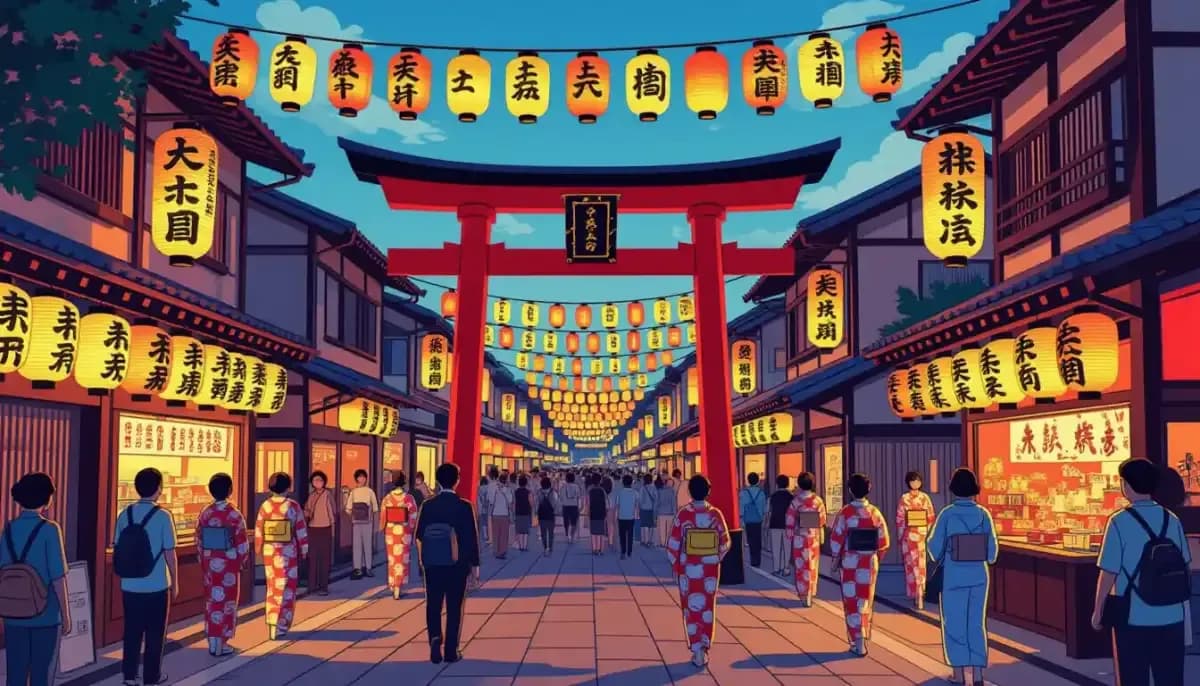
Festivals (Matsuri): Japan's calendar is packed with local festivals featuring food stalls, music, and traditional performances. From the massive Awa Odori dance festival in Tokushima to local shrine festivals (jinja matsuri) throughout the year. See our Best Japanese Festivals to Attend as a Foreign Resident guide for recommendations.
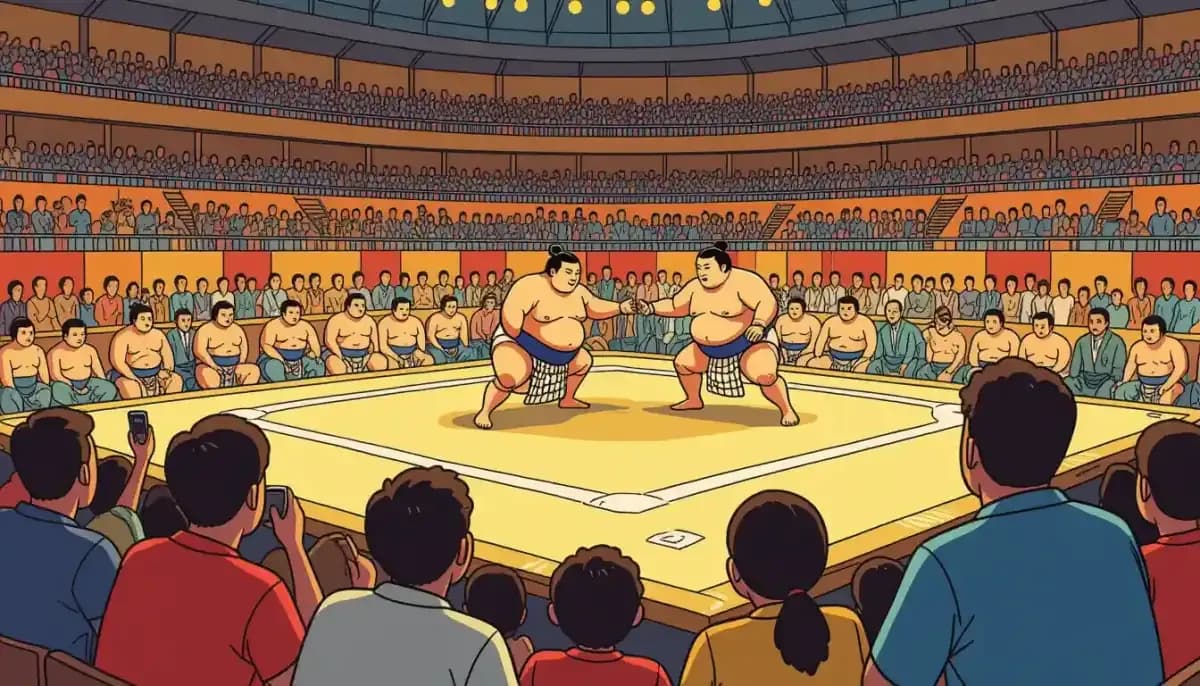
Sumo, Baseball, and Sports: Attending a sumo tournament (basho) is an unforgettable experience. Baseball is Japan's most popular spectator sport — the atmosphere at a Nippon Professional Baseball game, complete with coordinated crowd cheers, is extraordinary.
Traditional Performing Arts: Kabuki theater, Noh, and Bunraku (puppet theater) are UNESCO-recognized art forms with English audio guides available at major venues. Tokyo's National Theater and Kabukiza are excellent starting points.
Seasonal Events: Cherry blossom (hanami) parties in spring, fireworks festivals (hanabi taikai) in summer, and autumn leaf viewing (momiji) are all tied to outdoor social gatherings with food and drink.
Useful Japanese Phrases for Nightlife
Knowing even a few phrases will dramatically improve your experience:
| Situation | Japanese Phrase | Pronunciation |
|---|
| One draft beer please | 生ビール、一つ | Nama biiru, hitotsu |
| What do you recommend? | おすすめは何ですか? | O-susume wa nan desu ka? |
| The bill, please | お会計お願いします | O-kaikei onegaishimasu |
| Cheers! | 乾杯! | Kanpai! |
| All-you-can-drink please | 飲み放題をお願いします | Nomihoudai wo onegaishimasu |
| Is there an English menu? | 英語のメニューはありますか? | Eigo no menyu wa arimasu ka? |
| No ice please | 氷なしでお願いします | Koori nashi de onegaishimasu |
| This is delicious! | おいしい! | Oishii! |
Online Resources and Further Reading
For more in-depth guides on Japan's nightlife and entertainment scene, these resources are invaluable:
Conclusion
Japan's entertainment and nightlife scene rewards those who approach it with curiosity and respect. The culture of going out here — the rituals of the kanpai toast, the communal atmosphere of izakayas, the joy of private karaoke rooms, the discovery of tiny Golden Gai bars — is genuinely unlike anywhere else in the world.
As a foreigner, you have access to all of this. Learn the basic etiquette, know your safety basics (especially the last train schedule), and don't be afraid to dive in. Japan's nightlife is welcoming to internationals who approach it with an open mind.
For more on building your life in Japan, explore our complete guides on Moving to Japan and Essential Japanese Manners Every Foreigner Should Know.