
Art Museums and Gallery Scene in Japan

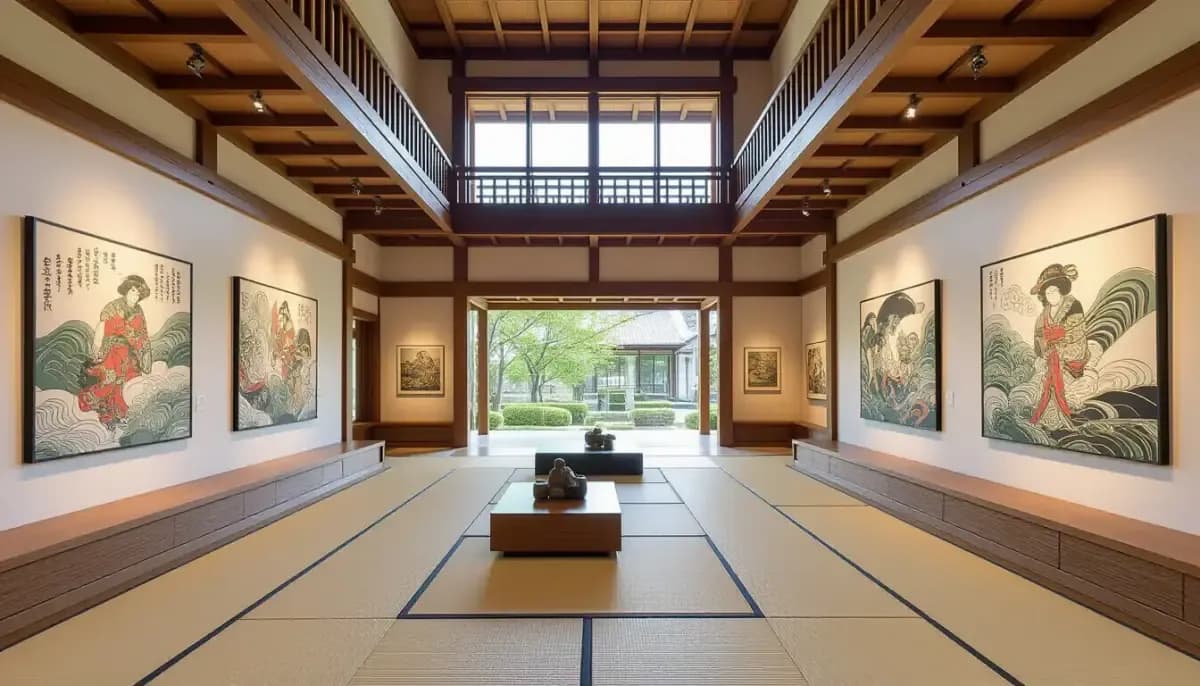
Discover Japan's best art museums and galleries, from Tokyo's teamLab and Mori Art Museum to Naoshima Island. A complete guide for foreigners with tips, admission prices, and must-see destinations.
Art Museums and Gallery Scene in Japan: A Complete Guide for Foreigners
Japan is one of the world's great art destinations. Whether you're drawn to ancient Buddhist sculpture, traditional Nihonga paintings, cutting-edge contemporary art, or immersive digital experiences, Japan's museums and galleries offer something for every kind of art lover. With over 5,700 museums nationwide and roughly 65 million museum visits per year, the country has one of the highest concentrations of art institutions in the world. This guide walks you through everything you need to know as a foreigner exploring Japan's vibrant art scene.
Understanding Japan's Art Museum Landscape
Japan's art world spans thousands of years and hundreds of styles. Museums here are not just repositories—they are carefully curated cultural experiences. You'll find everything from small local museums specializing in a single artist to vast national institutions housing tens of thousands of works.
Types of art venues you'll encounter:
- National Museums – Government-funded institutions that protect and display Japan's cultural heritage (e.g., Tokyo National Museum, Kyoto National Museum)
- Prefectural and Municipal Museums – City and regional art museums, often excellent and less crowded
- Private Art Museums – Often dedicated to a single collector or artist (e.g., Adachi Museum of Art, Bridgestone Museum)
- Contemporary Art Spaces – Cutting-edge galleries and spaces focused on modern and experimental work
- Commercial Galleries – Free or cheap admission; often feature emerging Japanese and international artists
One important thing to know: museum culture in Japan is generally quiet and respectful. Many exhibits prohibit photography, so always check the signage before raising your camera.
Must-Visit Art Museums in Tokyo
Tokyo alone has dozens of world-class art institutions. Here are the standouts:
Tokyo National Museum (Ueno Park)
Japan's oldest and largest museum, the Tokyo National Museum holds over 100,000 works, hundreds of which are designated National Treasures. The collection covers Japanese paintings, sculpture, calligraphy, ceramics, samurai armor, lacquerware, and ukiyo-e woodblock prints. Spread across six buildings in Ueno Park, it's an essential stop for anyone interested in traditional Japanese culture.
- Admission: 1,000 JPY (general)
- Tips: Visit on weekdays to avoid crowds; audio guides available in English
National Art Center, Tokyo (Roppongi)
One of Japan's largest exhibition spaces, the National Art Center has no permanent collection—instead it hosts major rotating exhibitions throughout the year. The building itself, designed by architect Kisho Kurokawa, is a stunning wave-shaped glass structure. It's part of the Roppongi "Art Triangle" alongside the Mori Art Museum and 21_21 Design Sight.
- Admission: Varies by exhibition (typically 1,500–2,000 JPY)
- Tip: Check the website for current exhibitions before visiting
Mori Art Museum
Perched on the 53rd floor of the Mori Tower in Roppongi Hills, the Mori Art Museum combines contemporary art with a spectacular view of Tokyo. It focuses on Asian contemporary art and regularly hosts major international shows.
- Admission: Around 2,000 JPY; includes access to Tokyo City View observation deck
- Tip: Open late (until 10 PM most nights), making it ideal for evening visits
teamLab Planets (Toyosu)
If you only visit one art space in Tokyo, teamLab Planets is a strong contender. This immersive digital art museum spans 10,000 square meters and features walk-through installations where visitors wade barefoot through water filled with glowing digital fish, lie in fields of digital flowers, and enter infinity mirror rooms. It's photogenic, family-friendly, and unlike anything else.
- Admission: 3,800 JPY
- Tip: Book tickets online in advance; it regularly sells out
Museum of Contemporary Art Tokyo (MOT)
Located in Koto Ward, MOT houses a 5,700-piece collection of postwar and contemporary Japanese and international art. The brutalist building itself is architecturally striking, and entry to the permanent collection starts at just 500 JPY. The museum also features a free public Art Library with over 280,000 books on art.
Nezu Museum (Aoyama)
This elegant private museum in the upscale Aoyama neighborhood specializes in pre-modern Asian art and tea ceremony artifacts. The building was designed by Kengo Kuma and the surrounding garden is a tranquil escape from city life. The museum's collection includes several Important Cultural Properties of Japan.
- Admission: 1,300 JPY
Tokyo's Best Art Galleries
Beyond the big museums, Tokyo has a thriving commercial gallery scene. Most galleries are free to enter and change their exhibitions monthly.
Key gallery districts:
- Ginza – Tokyo's traditional art gallery hub, with dozens of established galleries
- Roppongi – Contemporary and international art; galleries cluster around the Roppongi Hills complex
- Yanaka – A more alternative, neighborhood vibe; many indie galleries in old townhouses
- Kiyosumi-Shirakawa – Emerging art district with modern gallery spaces near the water
SCAI the Bathhouse in Yanaka is one of Tokyo's most beloved gallery spaces—a 200-year-old bathhouse converted into a leading contemporary art venue. It has exhibited works by Anish Kapoor, Mariko Mori, and other internationally recognized artists, all free of charge.
For design lovers, 21_21 DESIGN SIGHT in Roppongi (admission 1,400 JPY) is a sleek underground gallery founded by designer Issey Miyake, focusing on everyday objects and industrial design as art.
If you're planning to visit multiple museums and galleries in Tokyo, consider the Tokyo Museum Grutto Pass, which gives you admission or discounts at around 100 facilities for just 2,500 JPY. It's one of the best deals for art enthusiasts in the city. For more ways to navigate Tokyo's cultural scene and daily life, check out our Complete Guide to Daily Life in Japan.
Art Beyond Tokyo: Naoshima, Kanazawa, and More
Some of Japan's most extraordinary art experiences exist well outside of Tokyo.
Naoshima Island (Kagawa Prefecture)
Naoshima is Japan's most celebrated art destination outside of a major city. This small island in the Seto Inland Sea has been transformed into an outdoor and indoor art experience over the past three decades. The centerpiece is the Chichu Art Museum, designed almost entirely underground by architect Ando Tadao. Natural light filters through skylights to illuminate giant works by Claude Monet, Walter De Maria, and James Turrell. The building itself is considered a work of art.
Also on the island: the Benesse House Museum (where you can actually sleep among the artworks), the Lee Ufan Museum, and numerous outdoor sculptures and art installations dotting the island's beaches and neighborhoods.
Getting to Naoshima: Take the Shinkansen to Okayama or Takamatsu, then a ferry to the island (about 20 minutes from Uno Port).
21st Century Museum of Contemporary Art, Kanazawa
Often called "the round museum," this institution in Kanazawa (about 2.5 hours from Tokyo by Shinkansen) is one of Japan's most architecturally striking contemporary art venues. The circular building allows visitors to enter from any direction, and the collection includes interactive and site-specific works by Japanese and international artists. Don't miss the "Swimming Pool" installation by Leandro Erlich, which creates the optical illusion of walking underwater.
- Admission: Free to enter the central zone; fee for permanent collection galleries (usually 360 JPY)
Adachi Museum of Art (Near Matsue, Shimane)
The Adachi Museum is famous for two things: its exceptional collection of modern Japanese paintings (especially works by Yokoyama Taikan) and its extraordinary garden, regularly voted one of Japan's best. The garden is actually viewed as a "living painting" through large windows, with raked gravel, manicured pines, and seasonal flowers composing ever-changing scenes.
- Getting there: About 40 minutes from Matsue Station by free shuttle bus
Practical Tips for Visiting Art Venues in Japan
Visiting Japanese art museums is generally a pleasant and well-organized experience, but here are some key things to know:
| Tip | Details |
|---|---|
| Book tickets in advance | Popular venues like teamLab and Ghibli Museum sell out weeks ahead |
| Check photography rules | Many museums prohibit photos; check signs or ask staff |
| Carry cash | Some smaller museums don't accept cards; ATMs are available at convenience stores |
| Learn basic Japanese phrases | Staff may have limited English; pointing and bowing goes a long way |
| Visit on weekday mornings | Least crowded time; avoid national holidays |
| Check seasonal exhibitions | Japan's museum schedule follows seasons; spring and autumn have the best shows |
| Audio guides | Many major museums offer free or rental English audio guides |
| Restaurant and café | Most major museums have on-site cafés worth visiting |
For context on navigating everyday life in Japan—from transportation to shopping—our Complete Guide to Transportation in Japan and Complete Guide to Shopping in Japan are great companions.
Japanese Art History: A Brief Overview for Context
Understanding a bit of Japanese art history will help you appreciate what you see in museums. Japanese art history is traditionally divided into several major periods:
- Jomon and Yayoi periods (10,000 BCE–300 CE): Pottery, clay figurines (dogu)
- Asuka and Nara periods (538–794): Buddhist sculpture and temple art flourish
- Heian period (794–1185): Court painting (yamato-e), decorated scrolls
- Kamakura and Muromachi periods (1185–1573): Zen-influenced ink painting, samurai culture art
- Edo period (1603–1868): Ukiyo-e woodblock prints, Kabuki theater posters, genre painting
- Meiji to Showa periods (1868–1989): Western influence, Nihonga (Japanese-style painting) vs. Yoga (Western-style painting)
- Contemporary (1989–present): Global influences, street art, digital art, conceptual art
If you're particularly interested in Japanese culture and etiquette, including how to behave respectfully in cultural spaces, check out our Complete Guide to Japanese Culture and Etiquette.
Free and Budget Art Experiences in Japan
Art in Japan doesn't have to be expensive. Here are some free and budget-friendly options:
- SCAI the Bathhouse (Tokyo) – Free
- Commercial galleries in Ginza and Roppongi – Usually free
- Outdoor public art – Naoshima has free outdoor sculptures; many cities have public art installations
- MOT Art Library (Tokyo) – Free access to 280,000+ art books
- 21st Century Museum's public zone (Kanazawa) – Free central courtyard and some installations
- National Art Center Tokyo lobby – The building itself is worth seeing for free
- Museum free days – Many museums offer free entry on specific days or for students; check museum websites
For more budget-friendly living tips in Japan, see our Complete Guide to Cost of Living in Japan.
Further Resources for Art Lovers in Japan
For practical expat living advice that complements your art exploration of Japan, Living in Nihon offers useful guides on settling into daily life in Japan. If you're thinking about working in Japan while pursuing your passion for art, For Work in Japan has resources on finding employment as a foreigner. For more on relocating to Japan, Ittenshoku provides information on job change and relocation support.
Additional recommended resources:
- Japan Guide – Best Museums: Comprehensive overview of Japan's top museums by region
- MATCHA – Tokyo Art Museums: English-language magazine focused on Japan travel and culture
- Roadbook – Tokyo Galleries: Curated guide to the best art galleries in Tokyo
Japan's art scene rewards patience and curiosity. The more time you spend exploring—from a national museum in Ueno to a tiny gallery in a converted machiya townhouse in Kyoto—the more you'll discover just how rich and layered Japanese art culture truly is.

Originally from Vietnam, living in Japan for 16+ years. Graduated from Nagoya University, with 11 years of professional experience at Japanese and international companies. Sharing information about living in Japan for foreigners.
View Profile →Related Articles
Best Seasonal Events and Activities in Japan
Discover Japan's best seasonal events and activities throughout the year. From spring cherry blossoms to summer fireworks, autumn leaves, and winter snow festivals — the ultimate guide for foreigners and expats.
Read more →
Book Stores and Libraries in Japan for English Readers
Complete guide to finding English books in Japan—from major bookstore chains like Kinokuniya to public libraries, second-hand shops, and online resources for expats and foreigners.
Read more →
Best Theme Parks and Amusement Parks in Japan
Discover the best theme parks and amusement parks in Japan — from Tokyo Disneyland and Universal Studios Japan to Ghibli Park, Fuji-Q Highland, and hidden gems. Includes ticket prices, tips, and travel advice for foreigners.
Read more →
Spectator Sports and Events in Japan Guide
Your complete guide to spectator sports in Japan — sumo, baseball, J-League soccer and more. Learn how to buy tickets as a foreigner, what to expect at the stadium, and when to go.
Read more →
Popular Japanese Hobbies and Craft Activities
Discover popular Japanese hobbies and craft activities for foreigners in Japan. From traditional arts like ikebana and shodo to martial arts, ceramics, and taiko drumming — your complete guide to joining Japanese hobby culture.
Read more →
Going to the Movies in Japan Guide for Foreigners
Learn everything about going to the cinema in Japan as a foreigner — ticket prices, how to buy tickets, subtitled vs dubbed films, etiquette, and the best cinema chains.
Read more →