
Best Seasonal Events and Activities in Japan

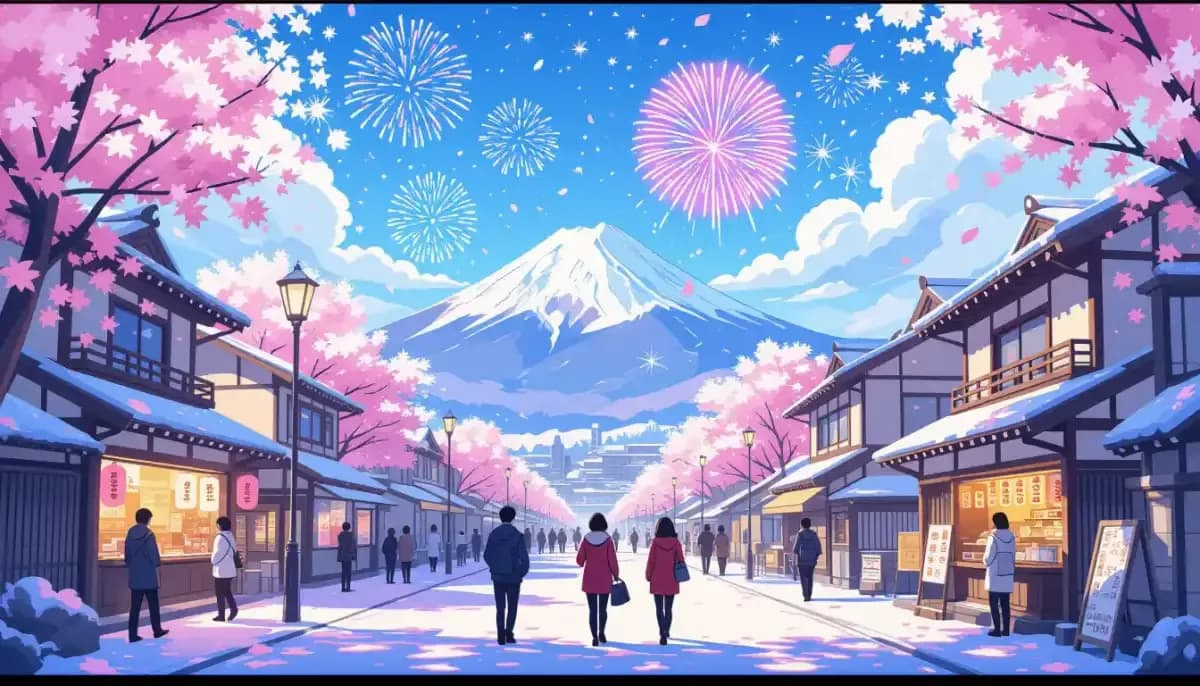
Discover Japan's best seasonal events and activities throughout the year. From spring cherry blossoms to summer fireworks, autumn leaves, and winter snow festivals — the ultimate guide for foreigners and expats.
Best Seasonal Events and Activities in Japan: The Ultimate Foreigner's Guide
Japan is a country that truly transforms with each season, offering a calendar packed with incredible festivals, cultural traditions, and natural wonders. For foreigners living in or visiting Japan, understanding the rhythm of the Japanese year unlocks some of the most memorable experiences available anywhere in the world. From ethereal cherry blossoms in spring to blazing fireworks in summer, breathtaking autumn foliage, and magical snow festivals in winter, Japan's seasonal events offer something extraordinary all year round.
In 2024, over 36.87 million international tourists visited Japan — a 47% increase from 2023 — and many cited cultural festivals and seasonal events as primary motivations for their trip. Whether you're a long-term resident or a first-time visitor, this comprehensive guide will help you navigate Japan's most important seasonal events and activities.
Spring Events: Cherry Blossoms and New Beginnings (March–May)
Spring is arguably Japan's most celebrated season, defined by the arrival of sakura (cherry blossoms). Cherry blossom season typically runs from late March through early May, starting in southern Japan and moving northward.
Hanami (Cherry Blossom Viewing)
Hanami, literally meaning "flower viewing," is one of Japan's most beloved traditions. During peak bloom, parks across Japan fill with locals and visitors enjoying picnic parties under the pink canopy of sakura trees. Famous hanami spots include:
- Ueno Park (Tokyo) — The Ueno Cherry Blossom Festival runs from mid-March to early April, with over 800 cherry trees lining the paths
- Maruyama Park (Kyoto) — Home to a famous weeping cherry tree illuminated at night
- Hirosaki Castle Park (Aomori) — Over 2,600 trees, some more than 300 years old, with stunning castle backdrop
- Philosopher's Path (Kyoto) — A scenic canal walk lined with hundreds of cherry trees
As a foreigner, joining a hanami party is easy — many workplaces and universities organize group outings, and parks welcome everyone. Bring food, drinks, and a picnic mat for the full experience.
Other Spring Highlights
- Takayama Spring Festival (April 14–15) — One of Japan's most beautiful festivals, featuring ornate festival floats called yatai
- Kanda Matsuri (Tokyo, mid-May) — One of Tokyo's three great festivals, held in odd-numbered years near Kanda Myojin shrine
- Golden Week (Late April–Early May) — Japan's longest public holiday period, when many venues run special events
Spring is also when Japan's new school and business year begins (April), giving foreign residents a great chance to join new clubs, classes, and community activities.
| Spring Event | Location | Typical Dates | What to Expect |
|---|---|---|---|
| Ueno Cherry Blossom Festival | Tokyo | Mid-March – Early April | 800+ trees, outdoor stalls, performances |
| Takayama Spring Festival | Gifu | April 14–15 | Ornate floats, traditional music |
| Kanda Matsuri | Tokyo | Mid-May (odd years) | Mikoshi processions, street celebrations |
| Hirosaki Cherry Blossom Festival | Aomori | Late April – Early May | 2,600 trees, night illumination |
Summer Events: Festivals, Fireworks, and Obon (June–August)
Japanese summers are electric, filled with matsuri (festivals), stunning fireworks displays, and the deeply meaningful Obon holiday. Summer is the peak season for traditional festivals across the country.
Gion Matsuri (Kyoto, July)
Gion Matsuri is Kyoto's most famous festival and one of Japan's three greatest festivals, running throughout the entire month of July. The highlight is the grand Yamaboko Junko parade on July 17 and 24, where enormous floats decorated with gold and intricate tapestries are pulled through Kyoto's streets. The evenings before the parade (called Yoiyama) transform downtown Kyoto into a massive open-air festival with food stalls, traditional music, and thousands of people dressed in yukata (summer kimono).
Tanabata (Star Festival, July 7)
Based on the legend of two stars separated by the Milky Way, Tanabata is celebrated on July 7 (or August 7 in some regions). People write wishes on strips of colorful paper and hang them on bamboo branches. Major Tanabata festivals include:
- Sendai Tanabata Festival (August 6–8) — One of the largest in Japan, featuring massive ornate decorations
- Hiratsuka Tanabata Festival (Kanagawa, early July) — Another major celebration with enormous bamboo decorations
Fireworks Festivals (Hanabi Taikai)
Summer evenings across Japan light up with spectacular fireworks displays. Major fireworks events include:
- Sumida River Fireworks (Tokyo, late July) — One of Tokyo's oldest and most popular fireworks shows, with over 20,000 fireworks
- Tenjin Matsuri (Osaka, July 24–25) — A water and fire festival with boats and fireworks on the Okawa River
- Lake Suwa Fireworks (Nagano, August) — One of Japan's largest fireworks shows
Obon Festival (Mid-August)
Obon is a Buddhist festival honoring the spirits of ancestors. Most Japanese people return to their hometowns during mid-August, making this one of the biggest travel periods in Japan. Key activities include Bon Odori (traditional circle dances performed at local events), lantern floating ceremonies, and visiting family graves. For foreign residents, attending a local Bon Odori event is a wonderful way to participate in Japanese community life.
Autumn Events: Foliage, Harvest, and Culture (September–November)
Autumn in Japan is a feast for the eyes, with the landscape transforming into brilliant shades of red, orange, and gold. October saw 3.31 million visitors in 2024, largely drawn by the stunning autumn foliage.
Koyo (Autumn Foliage Viewing)
Koyo, the viewing of autumn leaves, rivals cherry blossoms in its cultural significance. The foliage season typically moves from north to south between October and December.
Best koyo spots include:
- Nikko (Tochigi) — One of Japan's most famous autumn destinations, with historic shrines surrounded by colorful maples
- Kyoto — Temples like Tofukuji, Eikan-do, and Arashiyama bamboo grove offer spectacular autumn colors
- Hokkaido — The northernmost major island sees autumn colors earliest, starting in September
- Rikugien Garden (Tokyo) — A classic Japanese garden with stunning autumn illuminations
Major Autumn Festivals
- Jidai Matsuri (Kyoto, October 22) — A grand historical pageant featuring participants dressed in costumes from different periods of Japanese history
- Kurama no Hi Matsuri (Kyoto, October 22) — An ancient fire festival with dramatic torch processions
- Nihonmatsu Chrysanthemum Festival (Fukushima, October-November) — Famous chrysanthemum displays in traditional doll shapes
Sports Day and Cultural Events
Sports Day (Taiiku no Hi), now celebrated on the second Monday of October, marks an excellent time for outdoor activities. Running events, sports festivals, and cultural exhibitions take place across Japan. The National Sports Festival (Kokutai) is held in different prefectures each year, showcasing athletes from across the country.
| Autumn Event | Location | Typical Dates | Highlight |
|---|---|---|---|
| Jidai Matsuri | Kyoto | October 22 | Historical costume parade |
| Nikko Koyo | Tochigi | Mid-October – November | Brilliant foliage at historic shrines |
| Tofukuji Koyo | Kyoto | Mid-November | 2,000 maple trees in famous garden |
| Sendai Pageant of Starlight | Miyagi | December | 600,000 LED light illuminations |
Winter Events: Snow Festivals and New Year Celebrations (December–February)
December 2024 was Japan's busiest tourist month, with 3.49 million visitors drawn by winter illuminations, New Year events, and the festive atmosphere.
Oshogatsu (Japanese New Year, January 1–3)
Japanese New Year is the most important holiday of the year. Key traditions include:
- Hatsumode — The first shrine or temple visit of the year, where millions pray for good fortune, health, and happiness. Major sites like Meiji Shrine in Tokyo see over 3 million visitors in the first three days
- Osechi Ryori — Traditional New Year foods prepared in special lacquered boxes
- Otoshidama — Money given in envelopes to children as New Year gifts
- Kakizome — The first calligraphy of the year, typically on January 2
For foreign residents, visiting a local shrine for hatsumode is a deeply memorable experience and a wonderful way to connect with Japanese tradition.
Sapporo Snow Festival (February)
The Sapporo Snow Festival in Hokkaido is one of Japan's most spectacular winter events, drawing around 2 million visitors annually. Held in early February, the festival showcases massive snow and ice sculptures, some as large as buildings, created by teams from around the world. The festival takes place across multiple sites including Odori Park, Susukino, and Tsudome community center.
Winter Illuminations
Japanese cities transform with elaborate light displays during winter:
- Nabana no Sato (Mie) — Often ranked Japan's most beautiful illumination display
- Ashikaga Flower Park (Tochigi) — Famous for its winter flower fantasy illuminations
- Tokyo Midtown and Roppongi Hills — Sophisticated urban light installations
Christmas in Japan
While not a national holiday, Christmas (December 25) has become a popular celebration in Japan, especially for couples. Christmas cake (usually a strawberry cream cake) and fried chicken (particularly from KFC) are uniquely Japanese Christmas traditions. Many illumination events reach their peak during the Christmas season.
Practical Tips for Foreigners Participating in Seasonal Events
What to Wear
- Spring/Autumn events: Layer clothing as temperatures vary; kimonos or yukata can be rented for special occasions
- Summer festivals: Wear yukata (light cotton kimono) and geta sandals for an authentic experience; many rental shops operate near festival venues
- Winter events: Dress in warm layers, especially for outdoor events in northern Japan
Booking and Planning
Peak seasons require advance planning. For popular events like Gion Matsuri accommodations or cherry blossom viewing spots in Kyoto, book 3–6 months in advance. Japan's tourism infrastructure is excellent, with English-language information available through:
- Japan National Tourism Organization (JNTO) — Official event listings by season
- Japan Travel Event Guide — Comprehensive event calendar with 1,369+ upcoming events
Etiquette at Events
Japanese events generally have specific customs:
- At shrine events, dress modestly and follow queuing rules
- At fireworks festivals, arrive early as prime viewing spots fill quickly
- During hanami, clean up after yourself — bring garbage bags
- At traditional festivals, ask before photographing participants in costume
Getting Around During Peak Seasons
Public transportation can be extremely crowded during Golden Week, Obon, and New Year. Plan travel outside peak hours, or book reserved seats on shinkansen well in advance. IC cards like Suica or Pasmo work seamlessly across Japan's transit systems.
For comprehensive guidance on daily life and transportation in Japan, see our Complete Guide to Transportation in Japan and Complete Guide to Daily Life in Japan.
Seasonal Food Experiences
Japanese cuisine changes dramatically with the seasons, and food is an essential part of every seasonal event:
| Season | Traditional Foods | Where to Find |
|---|---|---|
| Spring | Sakura mochi, takenoko (bamboo shoots), spring vegetables | Convenience stores, festival stalls |
| Summer | Shaved ice (kakigori), cold somen noodles, grilled corn | Festival stalls, restaurants |
| Autumn | Sanma (Pacific saury), matsutake mushrooms, sweet potatoes | Supermarkets, izakayas |
| Winter | Oden (hot pot), nabe (hot pot dishes), amazake (sweet sake) | Convenience stores, traditional restaurants |
Seasonal eating is deeply embedded in Japanese culture — the concept of shun (the peak season for a food) drives menus and market offerings throughout the year. For more on Japanese food culture, see our Complete Guide to Japanese Food and Cooking.
Connecting with Japanese Culture Through Events
Participating in Japan's seasonal events is one of the most rewarding aspects of living in or visiting the country. These events provide natural opportunities to connect with Japanese culture, make local friends, and create lasting memories.
For foreigners, seasonal events are also great opportunities for social connection. Many international community groups organize group outings to major festivals, cherry blossom viewings, and autumn foliage trips. Check platforms like Meetup, local international clubs, or Facebook groups for organized events in your area. Our Complete Guide to Making Friends and Social Life in Japan has more tips on building your social network.
For deeper understanding of the cultural significance behind these events, Living in Nihon offers practical guides for foreigners navigating Japanese life and traditions. For Work in Japan provides resources for understanding how Japanese workplace culture intersects with national holidays and festivals. Additionally, Ittenshoku offers career-focused perspectives for foreigners building long-term lives in Japan.
Understanding Japan's festival culture also goes hand in hand with learning about Japanese traditions more broadly. Our Complete Guide to Japanese Festivals and Traditions covers the historical and cultural background behind many of the events described in this guide. And for navigating day-to-day Japanese social expectations, our Complete Guide to Japanese Culture and Etiquette is an essential resource.
Japan's seasonal calendar is endlessly rich, and even long-term residents discover new events and traditions every year. Embrace the rhythm of the seasons, step into the festivals, and let Japan's extraordinary cultural heritage become part of your own story.

Originally from Vietnam, living in Japan for 16+ years. Graduated from Nagoya University, with 11 years of professional experience at Japanese and international companies. Sharing information about living in Japan for foreigners.
View Profile →Related Articles
Art Museums and Gallery Scene in Japan
Discover Japan's best art museums and galleries, from Tokyo's teamLab and Mori Art Museum to Naoshima Island. A complete guide for foreigners with tips, admission prices, and must-see destinations.
Read more →
Book Stores and Libraries in Japan for English Readers
Complete guide to finding English books in Japan—from major bookstore chains like Kinokuniya to public libraries, second-hand shops, and online resources for expats and foreigners.
Read more →
Best Theme Parks and Amusement Parks in Japan
Discover the best theme parks and amusement parks in Japan — from Tokyo Disneyland and Universal Studios Japan to Ghibli Park, Fuji-Q Highland, and hidden gems. Includes ticket prices, tips, and travel advice for foreigners.
Read more →
Spectator Sports and Events in Japan Guide
Your complete guide to spectator sports in Japan — sumo, baseball, J-League soccer and more. Learn how to buy tickets as a foreigner, what to expect at the stadium, and when to go.
Read more →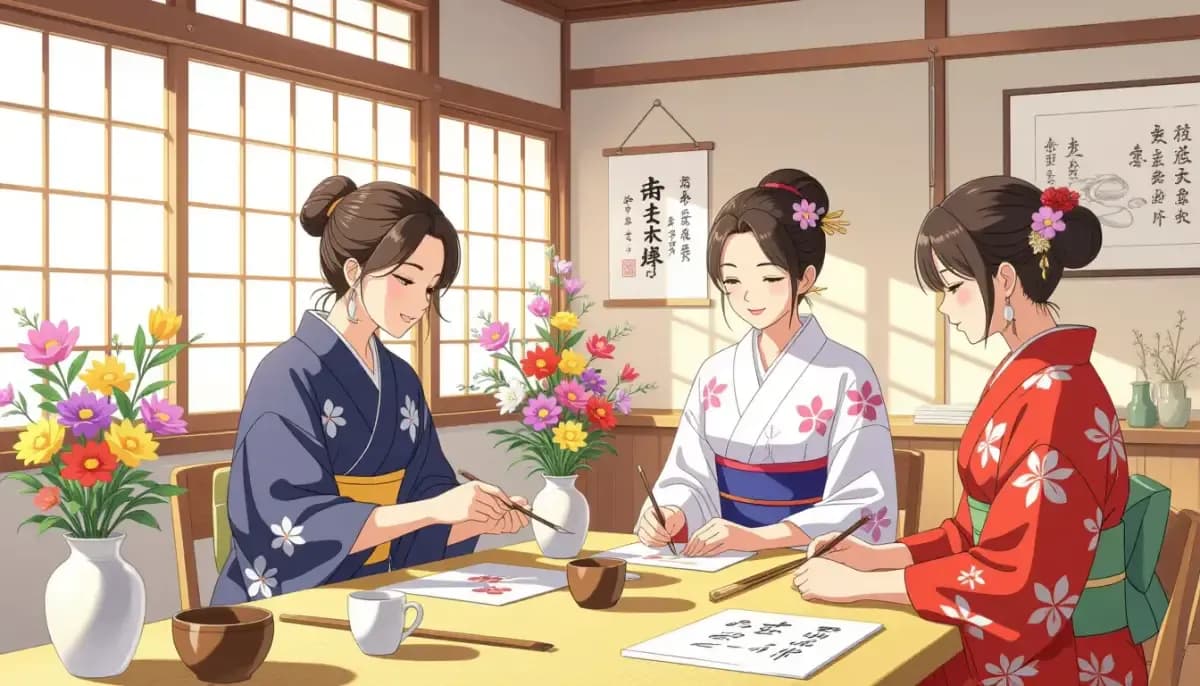
Popular Japanese Hobbies and Craft Activities
Discover popular Japanese hobbies and craft activities for foreigners in Japan. From traditional arts like ikebana and shodo to martial arts, ceramics, and taiko drumming — your complete guide to joining Japanese hobby culture.
Read more →
Going to the Movies in Japan Guide for Foreigners
Learn everything about going to the cinema in Japan as a foreigner — ticket prices, how to buy tickets, subtitled vs dubbed films, etiquette, and the best cinema chains.
Read more →