
Popular Japanese Hobbies and Craft Activities

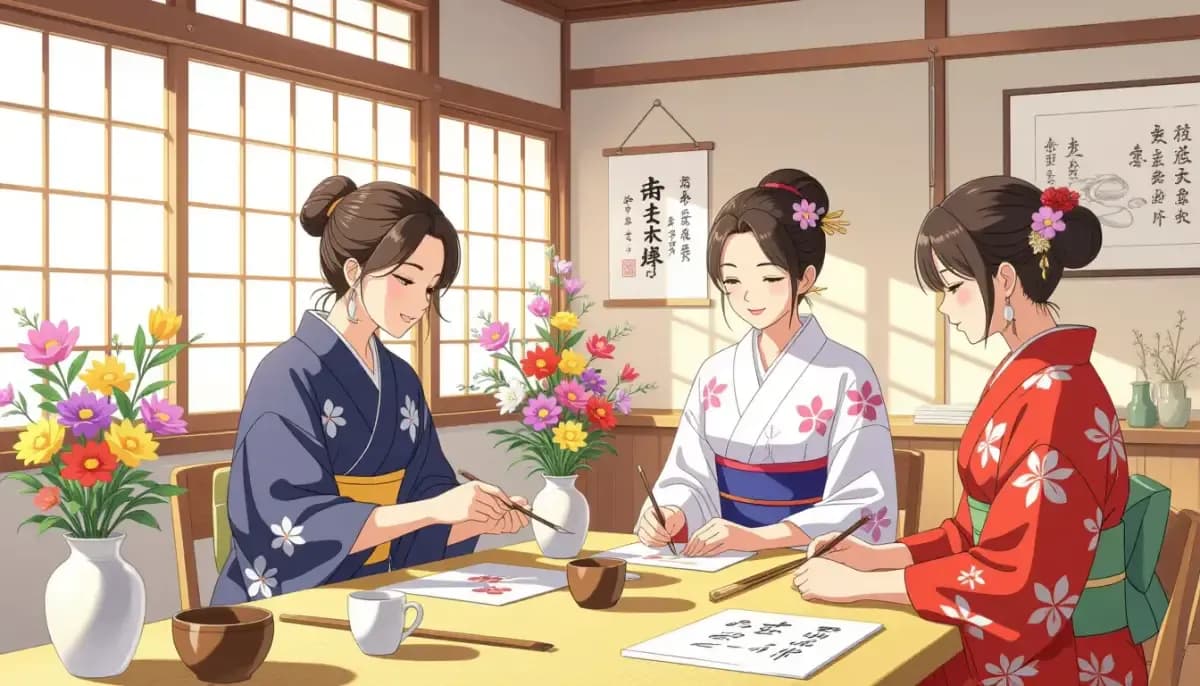
Discover popular Japanese hobbies and craft activities for foreigners in Japan. From traditional arts like ikebana and shodo to martial arts, ceramics, and taiko drumming — your complete guide to joining Japanese hobby culture.
Popular Japanese Hobbies and Craft Activities: A Complete Guide for Foreigners
Japan is a country where ancient traditions and modern culture coexist in fascinating ways. Whether you've just arrived or have been living here for years, exploring Japanese hobbies and craft activities is one of the most rewarding ways to connect with the culture, meet locals, and build a fulfilling life abroad. According to a 2021 survey, 86.3% of Japanese people participate in some kind of hobby — and as a foreigner, there's never been a better time to join them.
This guide covers everything you need to know about popular Japanese hobbies and craft activities, from traditional arts like ikebana and shodo to modern pursuits like bouldering and anime crafting. Whether you're looking for stress relief, cultural immersion, or a way to make new friends, Japan has a hobby for you.
!Traditional Japanese craft workshop with ikebana flower arrangement

Traditional Japanese Arts and Crafts
Japan has a rich tradition of refined artistic practices, many of which have been passed down through centuries. These traditional arts offer not just a creative outlet but a window into Japanese philosophy and aesthetics.
Ikebana (Flower Arranging)
Ikebana is the Japanese art of flower arrangement with over 500 years of history. Unlike Western-style floristry that focuses on colorful abundance, ikebana emphasizes minimalism, with careful attention to the entire plant — flower, stem, and leaf — and the space between them.
There are several major schools of ikebana, including Ikenobo, Ohara, and Sogetsu, each with its own distinctive style. Most cities have ikebana classes at community centers (kominkan) that are open to beginners. Look for classes advertised as "英語対応" (English available) if your Japanese is still developing.
Cost: 3,000–8,000 yen per month for group classes Where to start: Local community centers, cultural schools (cultural centers like Asahi Culture Center in major cities)
Shodo (Japanese Calligraphy)
Shodo is the art of writing Japanese characters with a brush and ink. Originating in ancient China and introduced to Japan around 600 AD, it has evolved into a uniquely Japanese discipline focused on beauty, discipline, and self-expression.
Beyond the artistic value, shodo is also a practical way to improve your kanji reading and writing skills. As you practice strokes, your understanding of character structure deepens naturally. Tokyo's R-Room in Roppongi is known for offering shodo classes suitable for non-Japanese speakers.
Cost: 5,000–12,000 yen per month Where to start: Search "書道教室 初心者" (shodo class beginner) near your location
Ceramics (Pottery)
Japan's ceramic tradition spans centuries, with distinct regional styles that reflect local materials and aesthetics. Bizen-yaki from Okayama is known for its earthy, unglazed beauty; Arita-yaki from Saga features the iconic blue-and-white patterns. Learning to throw pottery on a wheel or build pieces by hand is deeply meditative and satisfying.
Most pottery studios (tougei kyoshitsu) welcome absolute beginners. Many offer single-session workshops for tourists as well as monthly membership courses for residents.
Cost: 1,500–3,000 yen for a single workshop; 10,000–20,000 yen per month for regular classes Where to start: Search "陶芸教室" (ceramics class) in your area
Koto (Traditional Stringed Instrument)
The koto is one of Japan's most iconic traditional instruments — a long, elegant board with 13 strings played with small picks called tsume. Its delicate, resonant sound has accompanied Japanese poetry and court music for over 1,200 years.
Learning koto generally requires one-on-one lessons and a basic level of Japanese communication, though some teachers accept English-speaking students. To find a teacher, search "琴(こと)レッスン" or ask at local community centers.
!A student learning Japanese calligraphy shodo with brush and ink

Martial Arts and Physical Hobbies
Japan is the birthplace of many of the world's most respected martial arts. These disciplines offer far more than physical fitness — they cultivate mental discipline, respect, and a deep sense of tradition.
Kendo (Japanese Sword Fighting)
Kendo simulates sword combat using bamboo swords (shinai) and protective armor (bogu). It's one of Japan's national sports and is practiced at all levels, from elementary school children to elderly adults. Training emphasizes self-control, integrity, stamina, and proper form.
Most dojo (training halls) welcome beginner adults, and equipment can often be rented until you decide to commit. Group lessons are the norm, and practice can be surprisingly intense.
Cost: 3,000–8,000 yen per month Where to start: Search "剣道道場 初心者" (kendo dojo beginner) or check with local municipal sports centers
Kyudo (Japanese Archery)
Kyudo — "the way of the bow" — uses the traditional yumi, a distinctive asymmetric longbow. Often described as "meditation in motion," kyudo emphasizes the mental and spiritual aspects of archery as much as accuracy. The discipline is accessible to a range of fitness levels and ages.
Many kyudo ranges (shajokan) are located within community sports facilities and offer beginner courses. The practice requires patience but rewards it with a profound sense of calm focus.
Cost: 3,000–7,000 yen per month Where to start: Search "弓道場" (kyudo range) in your area; contact your local sports association
Bouldering and Rock Climbing
While not traditionally Japanese, bouldering has exploded in popularity across Japan in recent years and is now considered one of the most accessible urban hobbies. Japanese bouldering gyms are well-maintained and welcoming, and many include yoga studios, training rooms, and even onsen (hot springs).
The culture at climbing gyms emphasizes respectful, encouraging communication — perfect for making new friends across language barriers.
Cost: 1,500–2,000 yen per day pass; monthly memberships available Where to start: Search "ボルダリングジム" (bouldering gym) near you
Japanese Craft and Creative Hobbies
Origami and Paper Crafts
Origami — the art of paper folding — is known worldwide but has much more depth in Japan than most foreigners realize. Beyond simple cranes, advanced origami can take years to master. Related crafts include washi (Japanese paper) making, where you can create beautiful handmade paper from natural fibers.
Many craft stores and cultural centers offer origami workshops, and washi making experiences are popular at traditional craft villages throughout the country.
Cost: Very affordable — basic origami requires only paper; workshops from 1,000 yen
Taiko Drumming
Taiko is the art of Japanese drumming. While traditional taiko has ancient roots, the modern performance style was developed in the 1950s by jazz drummer Daihachi Oguchi, who blended traditional rhythms with new techniques. The result is intensely physical and deeply communal.
The Taiko Center operates studios in Asakusa and Aoyama in Tokyo, and other cities have similar studios. Beginner classes are widely available and require no previous experience.
Cost: 5,000–15,000 yen per month Where to start: Search "太鼓教室" (taiko class) in your city
Anime Art and Manga Drawing
Japan is the home of anime and manga, and learning to draw in these styles is increasingly popular among both Japanese people and foreigners. Art schools, community workshops, and online classes cater to all skill levels.
Some studios specialize in foreigner-friendly manga classes taught in English, particularly in Tokyo and Osaka.
Overview of Popular Japanese Hobbies
| Hobby | Type | Cost per Month | Japanese Skill Needed | Beginner Friendly |
|---|---|---|---|---|
| Ikebana | Traditional Art | 3,000–8,000 yen | Low | Yes |
| Shodo | Traditional Art | 5,000–12,000 yen | Low–Medium | Yes |
| Ceramics | Craft | 10,000–20,000 yen | Low | Yes |
| Kendo | Martial Art | 3,000–8,000 yen | Low | Yes |
| Kyudo | Martial Art | 3,000–7,000 yen | Low | Yes |
| Bouldering | Sport | 5,000–10,000 yen | None | Yes |
| Taiko | Music/Performance | 5,000–15,000 yen | None | Yes |
| Koto | Music | 10,000–20,000 yen | Medium | Moderate |
| Origami | Craft | 0–2,000 yen | None | Yes |
| Manga Drawing | Art | 5,000–15,000 yen | None | Yes |
How to Find Hobby Classes in Japan
Finding the right class or club is often the biggest challenge for newcomers. Here are the most reliable approaches:
Community Centers (*Kominkan*): Every Japanese city and town has at least one community center that offers affordable hobby classes for residents. Many offer discounted rates for locals compared to private studios, and some have English-speaking staff or flyers in multiple languages.
Cultural Centers: Major cities have corporate-run cultural centers such as Asahi Culture Center (Asahi Karuchaa Senta), NHK Cultural Center, and similar venues. These tend to offer well-organized programs with clear curricula, though they're more expensive than community centers.
Meetup and Expat Groups: Platforms like Meetup.com list hobby groups across Japan, including many that are specifically welcoming to foreigners. This is a great way to combine hobby participation with making international and local friends.
Word of Mouth: Once you start attending any class or activity, locals are often happy to recommend other resources. Don't underestimate the power of asking your Japanese neighbors or coworkers.
For more guidance on building a social life through hobbies and activities, see our guide to making friends and social life in Japan.
Seasonal and Festival-Based Activities
Many Japanese hobbies are tied to the seasons. In spring, groups gather for hanami (cherry blossom viewing), which often involves bento preparation, sake appreciation, and traditional games. Summer features fireworks festivals where fans of yukata sewing gather to make traditional garments. Autumn is peak season for momijigari (autumn leaf viewing) hiking groups.
Some craft activities are especially seasonal: kadomatsu (New Year's gate decoration making), Christmas wreath workshops, and summer wind-chime painting are popular workshop offerings throughout the year.
To understand more about how Japan's seasonal calendar shapes cultural activities, check our guide to Japanese festivals and traditions.
Useful Resources for Finding Japanese Hobbies
For comprehensive information on living and thriving in Japan as a foreigner, Living in Nihon offers guides on hobbies, leisure, and entertainment for expats, covering everything from cultural activities to day-to-day recreational pursuits.
If you're connecting your hobbies to professional networking and workplace culture in Japan, For Work in Japan covers how hobby groups and social circles fit into expat life and career development in Japan.
For career-oriented expats exploring Japan's IT and tech industry while also building a fulfilling life outside of work, IT転職 (Ittenshoku) is a valuable resource for navigating Japanese workplace and lifestyle balance.
The GaijinPot blog has an excellent roundup of 5 popular hobbies to try in Japan, covering koto, ceramics, bouldering, kyudo, and kendo in detail.
For those specifically interested in traditional arts in Tokyo, Plaza Homes has a detailed guide covering ikebana, shodo, taiko drumming, and other cultural hobbies with specific class recommendations.
Tips for Getting Started as a Foreigner
Starting a new hobby in Japan can feel daunting when you're still learning the language and culture, but the community is almost always welcoming. Here are some practical tips:
- Start with a trial class: Most studios offer one-time or short-course options before you commit to monthly fees. This lets you assess the instructor's English ability and whether the atmosphere suits you.
- Use Google Maps in Japanese: Searching for classes using Japanese terms (e.g., "陶芸教室" for ceramics) will surface far more results than searching in English.
- Check your local ward office: Ward offices (kuyakusho) often maintain bulletin boards and directories of local hobby groups and classes, including some geared toward foreigners.
- Be patient with language barriers: Most Japanese instructors are patient with foreign students and will do their best to communicate. A pocket dictionary or translation app goes a long way.
- Bring a gift the first time: A small omiyage (souvenir gift) to a new class is a thoughtful gesture that will be warmly appreciated.
For practical daily life tips like these, our complete guide to daily life in Japan for foreigners covers everything from shopping to social customs.
Conclusion
Japan offers an extraordinary range of hobbies and craft activities that can enrich your life as a foreigner in ways that go far beyond tourist experiences. Whether you're drawn to the meditative precision of shodo calligraphy, the physical intensity of kendo, or the creative expression of ceramics, there's something uniquely Japanese waiting to become part of your daily life.
The best way to start is simply to try. Choose one activity from this guide, look up a local class using the Japanese search terms provided, and take the first step. Japan's hobby culture is warm, welcoming, and deeply rewarding for those who engage with it sincerely.
For more on building a rich cultural and social life in Japan, explore our complete guide to Japanese culture and etiquette.

Originally from Vietnam, living in Japan for 16+ years. Graduated from Nagoya University, with 11 years of professional experience at Japanese and international companies. Sharing information about living in Japan for foreigners.
View Profile →Related Articles
Best Seasonal Events and Activities in Japan
Discover Japan's best seasonal events and activities throughout the year. From spring cherry blossoms to summer fireworks, autumn leaves, and winter snow festivals — the ultimate guide for foreigners and expats.
Read more →
Art Museums and Gallery Scene in Japan
Discover Japan's best art museums and galleries, from Tokyo's teamLab and Mori Art Museum to Naoshima Island. A complete guide for foreigners with tips, admission prices, and must-see destinations.
Read more →
Book Stores and Libraries in Japan for English Readers
Complete guide to finding English books in Japan—from major bookstore chains like Kinokuniya to public libraries, second-hand shops, and online resources for expats and foreigners.
Read more →
Best Theme Parks and Amusement Parks in Japan
Discover the best theme parks and amusement parks in Japan — from Tokyo Disneyland and Universal Studios Japan to Ghibli Park, Fuji-Q Highland, and hidden gems. Includes ticket prices, tips, and travel advice for foreigners.
Read more →
Spectator Sports and Events in Japan Guide
Your complete guide to spectator sports in Japan — sumo, baseball, J-League soccer and more. Learn how to buy tickets as a foreigner, what to expect at the stadium, and when to go.
Read more →
Going to the Movies in Japan Guide for Foreigners
Learn everything about going to the cinema in Japan as a foreigner — ticket prices, how to buy tickets, subtitled vs dubbed films, etiquette, and the best cinema chains.
Read more →