
Going to the Movies in Japan Guide for Foreigners

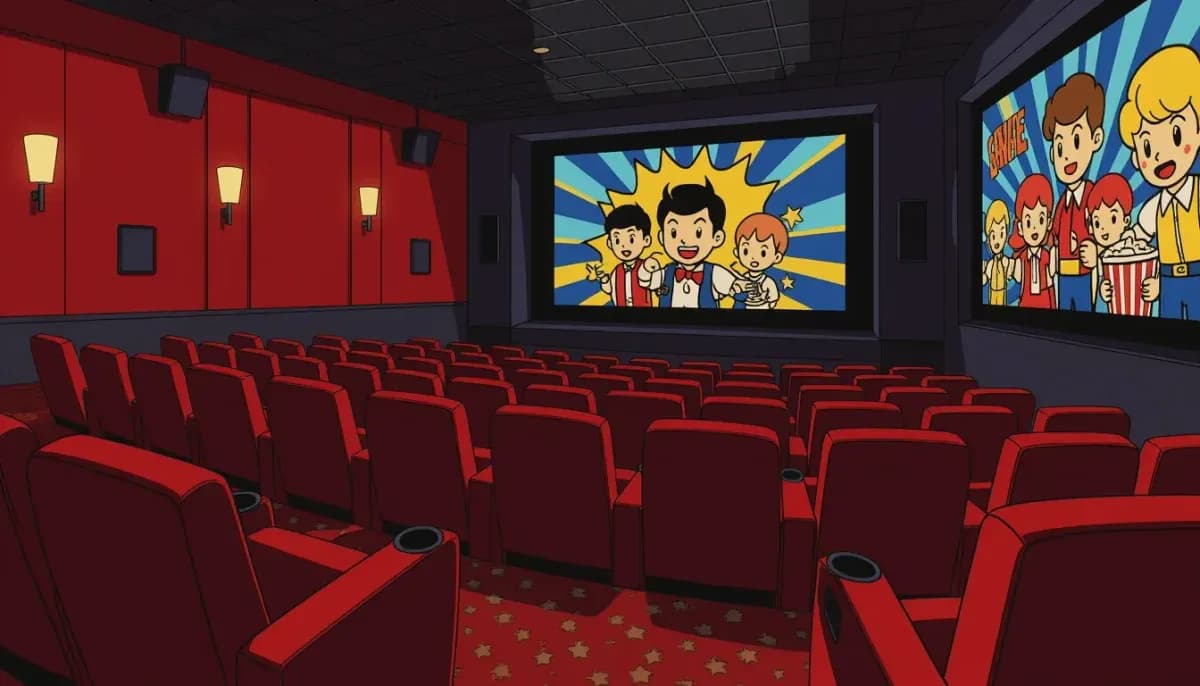
Learn everything about going to the cinema in Japan as a foreigner — ticket prices, how to buy tickets, subtitled vs dubbed films, etiquette, and the best cinema chains.
Going to the Movies in Japan: A Complete Guide for Foreigners
Japan's cinema culture is a unique experience that blends modern technology with distinctly Japanese etiquette and customs. Whether you're an expat settling into life in Japan or a long-term visitor looking for entertainment, heading to the movies is one of the most enjoyable and accessible leisure activities available. This guide walks you through everything you need to know — from buying tickets to understanding what's playing and how to behave in the theater.
!Japanese movie theater with large screen and comfortable seating

Understanding Japanese Cinema Culture
Japan has one of the most vibrant cinema industries in Asia. With the domestic box office projected to generate over $4 billion in revenue in 2025, the country has a deep-rooted love for film — both homegrown Japanese productions and international blockbusters.
One thing that surprises many foreigners is how orderly and respectful Japanese cinema audiences are. Don't expect the chatty, phone-lit atmosphere you might find in cinemas elsewhere. Japanese moviegoers are known for their quiet, focused attention during screenings. This makes for an immersive experience, even if it can feel unusual at first.
Japanese cinemas also tend to be well-maintained, comfortable, and technologically advanced. Expect wide, cushioned seats with cup holders, excellent sound systems, and a wide range of premium screening formats including IMAX, 4DX, and Dolby Atmos.
Choosing the Right Movie Version: Subtitles vs. Dubbed
This is arguably the most important thing for English-speaking foreigners to understand before going to the cinema in Japan.
Most major foreign films are released in two versions:
- 字幕版 (jimakuban) — The original-language version with Japanese subtitles. This is what English speakers want.
- 吹替版 (fukikaeban) — The Japanese dubbed version, where all dialogue has been re-recorded in Japanese.
Always check which version you're booking before you buy your ticket. Most cinema websites, apps, and ticket kiosks display this information clearly. If in doubt, look for the kanji 字幕 (subtitles) next to the film title.
Some cinemas in major cities like Tokyo and Osaka also screen films in their original language with no subtitles at all — particularly art house or independent cinemas. These screenings are labeled with terms like "英語版" (English version) or "原語版" (original language version).
Major Cinema Chains in Japan
Japan has several large cinema chains with locations across the country. Here's a breakdown of the most common:
| Cinema Chain | Notable Features | Locations |
|---|---|---|
| TOHO Cinemas | Largest chain, IMAX screens, English website | Nationwide (600+ screens) |
| 109 Cinemas | Premium experiences, Kabukicho Tower flagship | Major cities |
| Aeon Cinema | Budget-friendly ¥1,800 tickets, family-friendly | Suburban areas |
| United Cinemas | Wide variety of formats, 4DX screens | Major cities |
| T-Joy | TOHO-affiliated, strong lineup | Nationwide |
| Movix | Part of Sony Pictures group, modern facilities | Major cities |
TOHO Cinemas is the most foreigner-friendly chain, with English-language websites and apps that allow you to browse showtimes and book seats in advance. Their Roppongi Hills and Hibiya locations are particularly popular with Tokyo expats.
109 Cinemas has gained attention for its premium flagship location in the Kabukicho Tower in Shinjuku, which offers all-inclusive food and drink packages with your ticket purchase.
Ticket Prices and How to Save Money
Ticket prices in Japan have risen in recent years. In 2023, movie ticket prices increased for the first time in 26 years. As of 2025, a standard adult ticket costs approximately 2,000–2,200 yen at most major chains.
Standard Ticket Prices
| Category | Price (approx.) |
|---|---|
| Adult (standard) | ¥2,000–2,200 |
| Student | ¥1,500–1,800 |
| Senior (60+) | ¥1,300–1,500 |
| Child (under 12) | ¥1,000 |
| IMAX surcharge | +¥600–700 |
| 4DX surcharge (2D) | +¥1,000 |
| 4DX surcharge (3D) | +¥1,400 |
Discount Opportunities
There are several ways to save money on movie tickets in Japan:
- Cinema Day (映画の日): On the 1st of each month, most theaters offer tickets for ¥1,100. December 1st is the biggest cinema day of the year.
- Ladies' Day: Many chains offer discounted tickets for women on Wednesdays.
- Married Couples Day: Some chains offer couple discounts on certain days.
- Early Bird / Late Night Screenings: The first and last screenings of the day are often ¥200–300 cheaper.
- Membership Programs: TOHO Cinema members get a free ticket after 6 visits. Many chains have loyalty apps worth downloading.
- Foreign Exchange Student Discounts: Several chains offer reduced prices for international students with valid ID.
For more on managing your budget as a foreigner in Japan, check out our guide on cost of living in Japan.
!Movie theater ticket window and concession stand in Japan

How to Buy Movie Tickets in Japan
Buying tickets is straightforward, and most major chains have excellent English support.
Option 1: Online / App Booking (Recommended)
Booking online in advance is the best approach, especially for new releases and popular films. Here's how it works:
- Visit the cinema chain's website or download their app (TOHO Cinemas, 109 Cinemas, Aeon Cinema all have English apps/websites)
- Select your movie, date, time, and screening format (字幕版 for subtitles)
- Choose your seats — you'll see a seat map and pick specific seats
- Pay by credit card
- Arrive at the theater and use the self-service kiosk to print your tickets (enter your reservation number or scan your app)
Option 2: Self-Service Kiosk at the Theater
Most Japanese cinemas have automatic ticket machines (自動券売機) at the entrance. These typically offer English-language options and allow you to:
- Browse current showtimes
- Select and pay for tickets
- Print your seat selection confirmation
Option 3: Box Office Counter
You can also buy tickets directly from staff at the counter. Box office staff at major chains in Tokyo and Osaka typically speak some English and can help you navigate the options.
Tip: Always book in advance for weekends, public holidays, and the opening week of big releases. Japanese audiences are enthusiastic moviegoers, and popular screenings sell out fast.
Cinema Etiquette: What to Expect
Japanese cinema etiquette is strict by international standards, but it creates a genuinely pleasant viewing experience. Here's what you should know:
- Silence is golden: Don't talk during the film. Even whispering is considered rude.
- No phone use: Turn your phone completely off or to silent. Using your phone screen during a film is highly frowned upon.
- Stay for the credits: Many Japanese audiences remain seated until the credits finish rolling — a sign of respect for the filmmakers.
- Clean up after yourself: After the film ends, collect your trash. Staff wait outside the auditorium doors with bins. Leaving a mess is considered very impolite.
- Assigned seating: You'll be assigned a specific seat when you buy your ticket. Don't sit in someone else's seat.
- Arrive on time: Latecomers are not common in Japan, and arriving after the film starts can be disruptive.
For more on Japanese social customs, see our guide on Japanese culture and etiquette.
What's Playing: Finding English-Language Films
As a foreigner, one of your biggest concerns is likely whether you'll be able to find films in English. The good news is that major international releases almost always get a subtitled (字幕版) screening alongside the dubbed version in large cities.
However, the release schedule in Japan can differ from your home country. Many international films arrive in Japan several weeks or even months after their initial release elsewhere. On the flip side, Japan sometimes gets anime and Studio Ghibli releases months before international markets.
How to find English-language screenings:
- Use the TOHO Cinemas website or app (available in English) to search for 字幕版 screenings
- Check gogonihon.com for expat guides to current screenings
- The website tokyofilmgoer.com has curated information specifically for English-speaking film fans in Japan
- Major international films usually have English subtitled screenings at least a few times per day in Tokyo, Osaka, Kyoto, and Nagoya
Art house and independent cinema: Cities like Tokyo and Osaka have dedicated art house cinemas that regularly screen foreign films in their original language. These venues cater to international audiences and film enthusiasts.
Concessions: The Japanese Movie Snack Experience
Japanese cinema concessions offer a mix of familiar and uniquely Japanese options:
- Popcorn: Available in standard butter flavor, but also unique Japanese flavors like curry, caramel, and pizza
- Hot dogs and churros: Common at many chains
- Beer and other alcoholic beverages: Yes, many Japanese cinemas sell alcohol at the concession stand — even for morning screenings
- Karaage (fried chicken): Available at some chains
- Soft drinks: Standard range of sodas, teas, and juices
Prices are on the higher side, as you'd expect at a cinema. A large popcorn and drink combo typically runs ¥1,000–1,500.
Premium Cinema Experiences in Japan
If you want to take your movie experience to the next level, Japan offers some impressive premium format options:
- IMAX: Available at select TOHO Cinemas and a few other chains. Add ¥600–700 to the standard ticket price.
- 4DX: Motion seats, wind, water spray, and scent effects synchronized to the film. Popular for action films. Add ¥1,000–1,400.
- Dolby Atmos: Premium surround sound format available at select theaters.
- ScreenX: 270-degree panoramic screens, available at some 109 Cinemas locations.
- Premium class seating: Some cinemas (like 109 Cinemas Premium) offer all-inclusive experiences with reclining seats and food service.
Finding Cinemas Near You
If you're living in Japan and looking for the nearest cinema, here are some practical resources:
- TOHO Cinemas app/website: English-friendly, searchable by location
- Google Maps: Search "映画館" (eiga-kan = cinema) or "cinema near me" in English
- HotPepper: Japanese entertainment booking site with cinema listings
For expats in suburban areas, Aeon Cinemas are often the most accessible option, as they're located inside Aeon shopping malls which are spread throughout residential areas nationwide.
For more on daily life and entertainment options in Japan, visit Living in Nihon for practical guides for foreigners, For Work in Japan for lifestyle resources for working expats, and Ittenshoku for tips on settling into life in Japan.
Tips for Foreigners: Making the Most of Japanese Cinema
Here are some final practical tips to help you enjoy the movie-going experience in Japan:
- Download the cinema app: TOHO Cinemas, 109 Cinemas, and Aeon Cinema all have apps with English support. Register for membership to earn points and access discounts.
- Go on Cinema Day: The 1st of every month offers the best discount — ¥1,100 per ticket at most chains.
- Check the screening format: Always confirm you're booking 字幕版 (subtitled) and not 吹替版 (dubbed) if you want to watch in English.
- Book popular releases in advance: New releases on opening weekend sell out quickly at popular theaters.
- Bring a jacket: Japanese cinemas tend to keep air conditioning very cold, especially in summer. A light layer is recommended.
- Enjoy the full credits: Sitting through the credits is customary and sometimes rewarded with post-credits scenes.
Going to the movies is a wonderful way to integrate into Japanese life, practice listening to Japanese, and simply relax and enjoy world-class entertainment. Whether you're watching the latest Hollywood blockbuster in English with Japanese subtitles or diving into a Studio Ghibli classic, Japan's cinemas offer a genuinely memorable experience.
For more ways to enjoy your time in Japan, check out our guides on Japanese festivals and traditions, making friends and social life in Japan, and daily life in Japan for foreigners.

Originally from Vietnam, living in Japan for 16+ years. Graduated from Nagoya University, with 11 years of professional experience at Japanese and international companies. Sharing information about living in Japan for foreigners.
View Profile →Related Articles
Best Seasonal Events and Activities in Japan
Discover Japan's best seasonal events and activities throughout the year. From spring cherry blossoms to summer fireworks, autumn leaves, and winter snow festivals — the ultimate guide for foreigners and expats.
Read more →
Art Museums and Gallery Scene in Japan
Discover Japan's best art museums and galleries, from Tokyo's teamLab and Mori Art Museum to Naoshima Island. A complete guide for foreigners with tips, admission prices, and must-see destinations.
Read more →
Book Stores and Libraries in Japan for English Readers
Complete guide to finding English books in Japan—from major bookstore chains like Kinokuniya to public libraries, second-hand shops, and online resources for expats and foreigners.
Read more →
Best Theme Parks and Amusement Parks in Japan
Discover the best theme parks and amusement parks in Japan — from Tokyo Disneyland and Universal Studios Japan to Ghibli Park, Fuji-Q Highland, and hidden gems. Includes ticket prices, tips, and travel advice for foreigners.
Read more →
Spectator Sports and Events in Japan Guide
Your complete guide to spectator sports in Japan — sumo, baseball, J-League soccer and more. Learn how to buy tickets as a foreigner, what to expect at the stadium, and when to go.
Read more →
Popular Japanese Hobbies and Craft Activities
Discover popular Japanese hobbies and craft activities for foreigners in Japan. From traditional arts like ikebana and shodo to martial arts, ceramics, and taiko drumming — your complete guide to joining Japanese hobby culture.
Read more →