
Spectator Sports and Events in Japan Guide

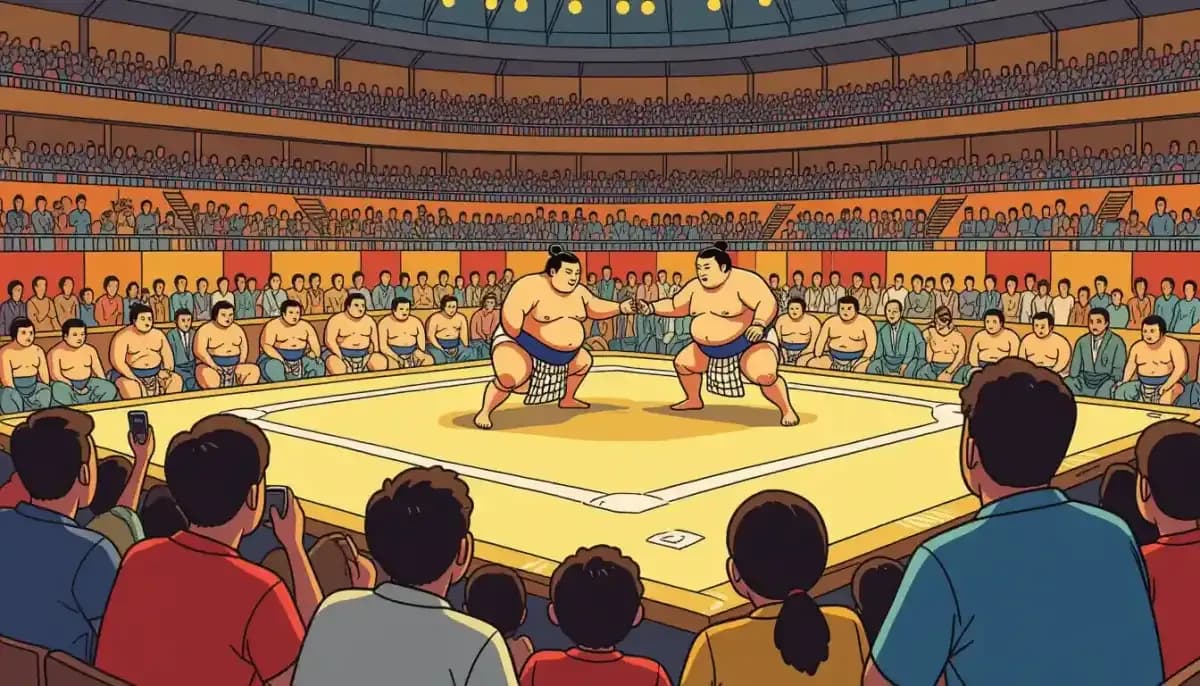
Your complete guide to spectator sports in Japan — sumo, baseball, J-League soccer and more. Learn how to buy tickets as a foreigner, what to expect at the stadium, and when to go.
Spectator Sports and Events in Japan: The Complete Guide for Foreigners
Japan is a sports-mad nation where the roar of the crowd, the crack of the bat, and the thunderous clash of sumo wrestlers create experiences unlike anywhere else in the world. Whether you're an expat settling into Japanese life or a visitor looking to experience local culture at its most vibrant, attending a live sporting event in Japan is one of the most memorable things you can do.
From the coordinated chants and fight songs at baseball games to the ancient ceremony of sumo tournaments, spectator sports in Japan offer a window into Japanese culture that no museum or guidebook can replicate. This guide will walk you through everything you need to know — which sports to watch, how to buy tickets as a foreigner, what to expect at the stadium, and how to enjoy every moment.
!Sumo wrestling tournament in Japan with packed stadium and colorful atmosphere

Why Spectator Sports Are Essential to Life in Japan
Sports are deeply woven into Japanese social fabric. According to surveys, baseball is Japan's most watched sport with 32.6% of respondents choosing it as their favorite spectator sport — representing roughly 22.1 million dedicated fans. Soccer (J-League) is a close second at 23.2% viewership, with approximately 10 million fans.
Live attendance figures tell the same story. The NPB (Nippon Professional Baseball) recorded the highest stadium attendance rates in Japan, with 11.6% of male respondents and 5.8% of female respondents having attended a game in person. This makes Japanese baseball not just a sport but a cultural institution.
For foreigners, attending these events is more than entertainment — it's a genuine way to connect with Japanese colleagues, neighbors, and friends. Inviting someone to a baseball game or watching sumo together is a widely accepted form of social bonding in Japan.
Baseball (NPB): Japan's National Passion
Baseball arrived in Japan in 1872 and quickly became the country's most beloved sport. The Nippon Professional Baseball (NPB) league features 12 teams split across the Central League and Pacific League, with famous clubs including the Yomiuri Giants, Hanshin Tigers, and Hiroshima Carp.
What Makes Japanese Baseball Unique
Japanese baseball games are a full sensory experience. Every player has their own unique fight song that fans sing in unison when that player comes to bat. The synchronized chanting, drum beats, trumpets, and coordinated motions create an electric atmosphere that even non-baseball fans find thrilling.
At the end of innings, balloon releases fill the stadium with color. After a victory, thousands of fans simultaneously release balloons into the air — a sight that has to be seen to be believed.
Baseball Ticket Prices and Buying Tips
| Seat Type | Price Range | Notes |
|---|---|---|
| Outfield Bleachers | ¥2,000 – ¥3,000 | Cheapest option, lively fan sections |
| Infield Reserved | ¥3,500 – ¥6,000 | Good view, more relaxed atmosphere |
| Premium/VIP Seats | ¥7,000 – ¥10,000+ | Padded seats, better amenities |
| Same-Day Tickets | ¥2,000 – ¥4,000 | Available at stadium, limited quantity |
Most games are not sold out, so you can often buy tickets on the day — but for rivalry matches and playoff games, advance purchase is essential. Tickets are available online through japansportsticket.com, Ticket Pia, E Plus, and Lawson Ticket.
At the stadium, you're allowed to bring your own food and snacks (no glass bottles or cans — staff will pour drinks into paper cups). Roaming beer vendors called uriko carry kegs on their backs and pour fresh draft beer right at your seat.
Popular NPB stadiums include:
- Tokyo Dome (Yomiuri Giants) — central Tokyo, easy subway access
- Jingu Stadium (Yakult Swallows) — outdoor stadium with great atmosphere
- Koshien Stadium (Hanshin Tigers) — legendary ballpark in Hyogo
For more on finding social and sporting activities in Japan, check out the sports and hobby groups guide on For Work in Japan.
Sumo: Japan's Most Ancient Sport
Sumo wrestling is Japan's oldest and most ceremonially rich sport, with roots dating back over 1,500 years. Watching a sumo tournament (honbasho) is one of the most uniquely Japanese experiences available to anyone living in or visiting Japan.
The Six Grand Tournaments (Honbasho)
There are six official grand tournaments per year, each lasting 15 days. These are the only events that affect wrestlers' rankings (banzuke), making them highly significant.
| Tournament | Month | Location | Venue |
|---|---|---|---|
| Hatsu Basho | January | Tokyo | Ryogoku Kokugikan |
| Haru Basho | March | Osaka | Edion Arena Osaka |
| Natsu Basho | May | Tokyo | Ryogoku Kokugikan |
| Nagoya Basho | July | Nagoya | Dolphins Arena |
| Aki Basho | September | Tokyo | Ryogoku Kokugikan |
| Kyushu Basho | November | Fukuoka | Marine Messe Fukuoka |
Sumo Ticket Prices and Tips
Sumo tickets range from ¥3,800 for upper-level box seats to ¥14,800 for premium ringside tamari seats. One insider tip: the least expensive tickets are often sold on the day of the tournament, making last-minute attendance affordable. However, ringside seats (tamari) sell out months in advance.
The tournament day runs from morning to evening, with lower-ranked wrestlers competing earlier. Top-ranked yokozuna and ozeki bouts happen in the late afternoon and evening, which is prime time for spectators. You can arrive in the afternoon and still catch all the best action.
!Sumo tournament atmosphere at Ryogoku Kokugikan stadium

Bring your own food — sumo venues sell chanko nabe (the traditional stew eaten by wrestlers) and other Japanese dishes. The atmosphere inside Ryogoku Kokugikan is intimate and ceremonial, quite different from a modern sports arena.
J-League Soccer: Modern Japan's Sporting Passion
The J.League has grown dramatically since its founding in 1993 and now rivals baseball as Japan's top spectator sport. With three divisions (J1, J2, J3) and a European-style promotion and relegation system, the J-League creates dramatic narratives throughout its February-to-December season.
How Foreigners Can Buy J-League Tickets
The J-League has made significant efforts to welcome international fans. The official J-League ticketing portal is available in English and accepts foreign credit cards without requiring a Japanese phone number. QR code tickets are sent directly to your smartphone — no printing required.
J-League ticket prices are generally accessible:
- Standing areas: ¥1,500 – ¥2,500
- Reserved seating: ¥2,500 – ¥4,000
- Premium/VIP: ¥4,000 – ¥5,000+
Major J1 clubs and their stadiums include the Urawa Red Diamonds (埼玉スタジアム), Gamba Osaka (パナソニックスタジアム), and Kashima Antlers (カシマスタジアム). Each club has a passionate local following and supporter culture.
For broader context on leisure and entertainment options in Japan for foreigners, the Living in Nihon hobbies and entertainment guide is an excellent resource.
Other Spectator Sports Worth Watching
B.League (Basketball)
Japan's professional basketball league (B.League) has grown rapidly in popularity, especially following Rui Hachimura's and Yuta Watanabe's success in the NBA. Games are high-energy events with excellent English-friendly information on the official website. Tickets range from ¥1,500 to ¥5,000.
Rugby
Japan's rugby scene exploded in popularity after the 2019 Rugby World Cup hosted in Japan. The Japan Rugby League One features strong domestic competition. Games are accessible and family-friendly.
Grand Prix Motorsport
The Japanese Grand Prix at Suzuka Circuit is one of the most beloved events on the Formula 1 calendar. Tickets sell out quickly — often within hours of release — so advance planning is essential. The atmosphere at Suzuka is legendary among F1 fans worldwide.
Tennis Tournaments
Major tournaments such as the Japan Open (men's) and Pan Pacific Open (women's) draw top international players to Tokyo each October. Tickets are available through the standard Japanese ticketing platforms.
Stadium Etiquette in Japan
Japanese sports events have their own etiquette norms that differ significantly from many Western countries:
Do:
- Follow the chanting sections — join in if you can, it's welcomed
- Clean up after yourself; Japanese stadium culture emphasizes leaving your area clean
- Arrive early to soak in the pre-match atmosphere (30-60 minutes before start)
- Enjoy stadium food — it's part of the experience
Don't:
- Stand in non-standing sections without crowd consensus
- Use flash photography during events
- Bring glass bottles or cans into the stadium
- Bring large musical instruments (many venues prohibit them)
The clean, organized nature of Japanese stadiums is one aspect that consistently impresses foreign visitors. After major events, fans often stay to help clean the seating area — a tradition that has drawn international admiration.
Practical Guide: How to Buy Sports Tickets in Japan as a Foreigner
Buying tickets in Japan used to be challenging for foreigners, but it has become much easier:
English-Friendly Platforms:
- Japan Sports Ticket — covers baseball, soccer, sumo, volleyball, basketball
- J-League official site (English version)
- Matcha Japan — cultural guides and ticket information
Japanese Platforms (with translation help):
- Ticket Pia (チケットぴあ)
- E Plus (イープラス)
- Lawson Ticket (ローソンチケット)
For convenience store pickup, you can purchase tickets at Lawson or 7-Eleven using the terminal machines. Some tickets can be printed at 7-Eleven stores using a booking code received via email.
Useful tips:
- For sumo and popular baseball games, book 2-4 weeks in advance
- Same-day tickets exist for most games and are cheaper
- The MATCHA Japan guide to watching sports has excellent stadium-by-stadium breakdowns
For seasonal scheduling of which sports to watch month by month, check out the comprehensive sports-by-season guide at Refer Japan.
Sports Events Calendar: What to Watch Each Season
| Month | Sport/Event | Notes |
|---|---|---|
| January | Sumo (Tokyo) | Hatsu Basho — first tournament of the year |
| February | J-League starts | Season opener, great atmosphere |
| March | Sumo (Osaka) | Haru Basho |
| March–April | High school baseball | Koshien Spring Tournament |
| May | Sumo (Tokyo) | Natsu Basho |
| April–October | NPB baseball season | Peak season, great weather |
| July | Sumo (Nagoya) | Natsu Basho |
| September | Sumo (Tokyo) | Aki Basho |
| October | Japan Open Tennis | Top international players |
| November | Sumo (Fukuoka) | Kyushu Basho |
| November–December | J-League playoffs | High-stakes end-of-season action |
Making Sports Part of Your Life in Japan
One of the best things about living in Japan is how accessible sports culture is — both as a spectator and as a participant. Many foreigners find that attending local J-League matches or cheering on their neighborhood team at a baseball game becomes a beloved weekend ritual.
Sports also open doors socially. Japanese colleagues who may seem reserved in a work context become enthusiastic and welcoming at sporting events. Showing genuine interest in NPB or sumo is a reliable way to build connections and deepen your integration into Japanese life.
For ideas on joining sports clubs and hobby groups where you can both watch and participate in sports, the Ittenshoku community guide offers resources for foreigners navigating social and professional life in Japan.
If you're also exploring the broader entertainment landscape, check out our guides on Japanese festivals and traditions and making friends and social life in Japan — both offer complementary ways to build a rich, connected life as a foreigner in Japan.
Conclusion
Japan's spectator sports scene is one of the most vibrant, welcoming, and culturally rich in the world. Whether you're watching sumo wrestlers clash in ancient ceremony, joining 50,000 fans in synchronized baseball chants, or cheering on your local J-League club, these experiences are among the most authentic ways to connect with Japanese culture.
The barriers to entry are lower than ever — English ticketing options exist, stadiums are safe and clean, and the crowd atmosphere is famously welcoming. Don't wait for a special occasion. Buy a ticket, bring some snacks, and prepare to be amazed by Japan's incredible sporting culture.

Originally from Vietnam, living in Japan for 16+ years. Graduated from Nagoya University, with 11 years of professional experience at Japanese and international companies. Sharing information about living in Japan for foreigners.
View Profile →Related Articles
Best Seasonal Events and Activities in Japan
Discover Japan's best seasonal events and activities throughout the year. From spring cherry blossoms to summer fireworks, autumn leaves, and winter snow festivals — the ultimate guide for foreigners and expats.
Read more →
Art Museums and Gallery Scene in Japan
Discover Japan's best art museums and galleries, from Tokyo's teamLab and Mori Art Museum to Naoshima Island. A complete guide for foreigners with tips, admission prices, and must-see destinations.
Read more →
Book Stores and Libraries in Japan for English Readers
Complete guide to finding English books in Japan—from major bookstore chains like Kinokuniya to public libraries, second-hand shops, and online resources for expats and foreigners.
Read more →
Best Theme Parks and Amusement Parks in Japan
Discover the best theme parks and amusement parks in Japan — from Tokyo Disneyland and Universal Studios Japan to Ghibli Park, Fuji-Q Highland, and hidden gems. Includes ticket prices, tips, and travel advice for foreigners.
Read more →
Popular Japanese Hobbies and Craft Activities
Discover popular Japanese hobbies and craft activities for foreigners in Japan. From traditional arts like ikebana and shodo to martial arts, ceramics, and taiko drumming — your complete guide to joining Japanese hobby culture.
Read more →
Going to the Movies in Japan Guide for Foreigners
Learn everything about going to the cinema in Japan as a foreigner — ticket prices, how to buy tickets, subtitled vs dubbed films, etiquette, and the best cinema chains.
Read more →