
Gaming Arcades and Entertainment Centers in Japan

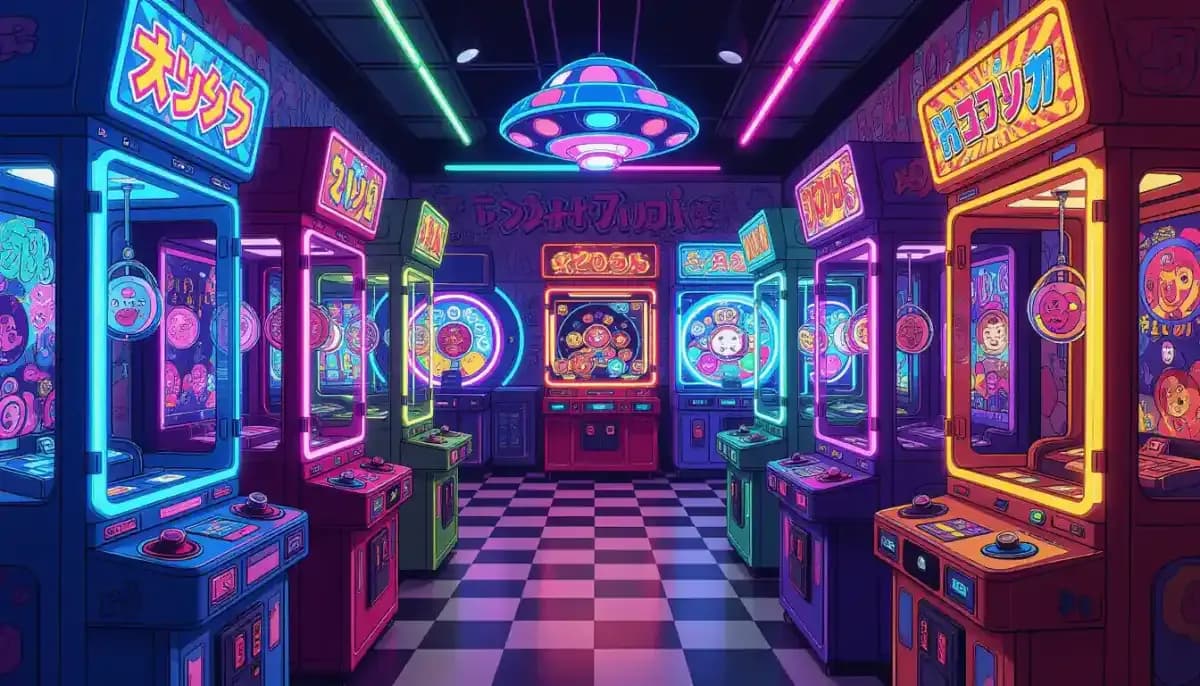
Discover everything about gaming arcades and entertainment centers in Japan: UFO catchers, rhythm games, costs, top locations in Tokyo and Osaka, etiquette rules, and tips for foreigners living in Japan.
Gaming Arcades and Entertainment Centers in Japan: The Complete Guide for Foreigners
If you've ever walked through Akihabara at night, you've seen them — multi-story buildings blazing with neon light, filled with the sound of electronic chimes, button mashing, and delighted shouts. Japanese game centers (ゲームセンター, geemu sentaa) are unlike anything you'll find elsewhere in the world. For foreigners living in or visiting Japan, they offer a unique, affordable, and genuinely fun window into modern Japanese pop culture.
This guide covers everything you need to know about gaming arcades and entertainment centers in Japan: the types of games, how much it costs, where to go, etiquette rules, and how the experience differs from arcades back home.
What Is a Japanese Game Center?
A game center (commonly called a "gee-sen" by locals) is Japan's version of an arcade — but far more expansive. Where Western arcades largely faded away in the 1990s with the rise of home consoles, Japan's kept going and evolving. At their peak in 1989, Japan had roughly 24,000 arcades nationwide. While that number has since declined to around 4,000–4,800 venues (partly due to COVID-19 closures that shuttered iconic spots like Sega Akihabara and Taito Station Nishi-Shinjuku), game centers remain an active, beloved part of Japanese social life.
Japanese arcades aren't just for kids or hardcore gamers. You'll find salarymen killing time after work, couples on dates at claw machines, elderly players on medal game floors, and competitive college students grinding rhythm games. It's genuinely multigenerational entertainment.
Most game centers are organized across multiple floors, each dedicated to a different type of game or experience. The building's layout typically works like this: lower floors host claw machines and casual games, middle floors feature rhythm and fighting games, and upper floors may have more niche offerings like VR, print clubs, or medal games.
Types of Games and Entertainment at Japanese Arcades
UFO Catchers (Claw Machines)
The UFO catcher (UFOキャッチャー) is perhaps the most iconic element of any Japanese arcade. These are claw machines where you try to grab prizes — plushies, figurines, keychains, snacks, and limited-edition items — using a crane arm. Each attempt costs ¥100, and prizes are often valued at ¥2,000–¥6,000. The machines are designed to be challenging, requiring multiple attempts.
A key tip: arcade staff are allowed to reposition prizes if you've been trying for a while. Don't be shy about politely asking for help — staff will often approach you proactively. Never shake or hit the machine, as this is against the rules.
Rhythm Games
Rhythm games are a massive draw for serious players. Titles like Taiko no Tatsujin (drumming), maimai (spinning wheel touch panels), SOUND VOLTEX, and beatmania IIDX have dedicated communities of players who visit arcades specifically to practice and rank up. These aren't casual party games — the skill ceiling is extremely high, and watching top-level players is genuinely impressive.
Many rhythm games use a data card system, allowing players to save scores, unlock songs, and track progress across visits. Cards can be purchased from vending machines at the arcade for a small fee.
Fighting Games
Japan remains the spiritual home of competitive fighting games. Titles like Street Fighter 6, Tekken 8, and Guilty Gear Strive can be found in arcade cabinets long before or alongside their console releases. Many arcades have specific evenings or spots where competitive players gather, making it a social experience as much as a competitive one.
Print Club (Purikura)
Purikura (プリクラ) photo booths are a staple of Japanese arcade culture, especially popular among teenage girls and couples. You step inside, choose a background and layout, pose for a series of photos, then decorate them digitally with stickers, effects, and text. A session costs around ¥400–¥500 and accommodates up to 8 people. You receive a sheet of wallet-sized prints to keep.
Note: many purikura booths in Japan require at least one female participant to enter, or are female-only sections. This varies by location.
Medal Games
Medal games occupy a quiet corner of most arcades — usually an upper floor filled with older players using large stashes of metal tokens. These are coin-pusher style games and pachinko-adjacent machines where you buy a batch of medals and try to win more. Medals cannot be exchanged for cash (this is strictly regulated), but some venues let you store your medals for future visits.
VR and New Attractions
Tokyo Joypolis in Odaiba is Japan's premier indoor theme park for digital entertainment, with VR rides and immersive experiences starting from around ¥400 per attraction. Standalone VR booths are also appearing in some larger urban arcades. Escape room experiences have also become popular add-ons at entertainment complexes.
How Much Does It Cost?
Japanese arcades are generally affordable entertainment. Here's a quick breakdown:
| Activity | Typical Cost | Notes |
|---|---|---|
| UFO Catcher (claw machine) | ¥100 per attempt | Multiple attempts usually needed |
| Rhythm games | ¥100–¥200 per credit | Card saves progress |
| Fighting games | ¥100 per match | Challenge or vs. CPU |
| Purikura photo booth | ¥400–¥500 per session | Up to 8 people |
| Medal games | ¥200–¥500 for starter pack | Medals can't be cashed out |
| VR at Joypolis | ¥400+ per attraction | Full day passes available |
| Karaoke (adjacent) | ¥300–¥1,000/hour | Varies by time of day |
You can easily spend an entertaining hour at a game center for ¥500–¥1,000. However, committed players or competitive gamers may spend significantly more.
Payment tip: Modern arcade machines increasingly accept IC cards (like Suica or Pasmo) in addition to coins, but many older machines still require ¥100 coins only. Bring a coin purse and load up at a nearby ATM before heading in.
Where to Find the Best Arcades in Japan
Tokyo
Akihabara is the undisputed center of Tokyo's gaming culture. Multiple large venues are packed into just a few blocks:
- GiGO Akihabara (formerly Sega) — 6 floors of claw machines, rhythm games, and crane collectibles
- HEY — Famous for retro and classic arcade cabinets in a smaller, enthusiast-focused space
- Super Potato — Multi-floor retro game shop and museum with playable vintage machines
Ikebukuro and Shinjuku also have major game center complexes. For retro and competitive gaming specifically, Mikado in Takadanobaba is legendary among fighting game communities.
Osaka
Umeda and Namba are the main hubs for arcades in Osaka. The Round1 chain has large venues in both areas, featuring a huge variety of games plus bowling, billiards, and karaoke. Osaka is also a strong scene for competitive fighting games.
Nationwide Chains
Several arcade chains operate across Japan:
| Chain | Notes |
|---|---|
| GiGO (formerly Sega) | High-quality machines, multiple floors |
| Round1 | Huge venues, family-friendly, extra amenities |
| Taito Station | Wide range of machines, coin exchange counters |
| Namco (Bandai Namco) | Strong rhythm game and crane machine selection |
| Joypolis | VR and digital theme park experiences |
Arcade Etiquette for Foreigners
Game centers have their own unwritten (and sometimes written) rules. As a foreigner, following them will ensure a smooth experience:
- Don't hog machines. For popular games, some venues have a one-play-then-rotate policy. Wait your turn and be mindful of queues.
- No filming without permission. Many arcades restrict or ban filming inside. Always check signage or ask staff before taking out your camera.
- No touching other players' equipment. Never interfere with someone else's game or preset card setup.
- Minors under 16 need adult supervision after 6pm and are not permitted inside after 10pm. This is enforced by most venues.
- Don't shake claw machines. It's not allowed, and staff will intervene.
- Be quiet near cabinets in use. Particularly in competitive settings, distracting a player is considered rude.
- Eating and drinking rules vary. Some floors prohibit food; others have vending machines or snack areas nearby.
SEGA officially released a Japanese Game Centers Guide specifically to help foreign tourists navigate the rules and culture of Japanese arcades.
Beyond Arcades: Other Entertainment Centers in Japan
Game centers are just one piece of Japan's indoor entertainment ecosystem. Here are other venues worth exploring:
Karaoke Boxes
Karaoke in Japan means booking a private soundproof room with your group — not performing on a public stage. You order food and drinks, flip through a massive catalog of songs, and sing as long as you like. Prices typically range from ¥300–¥1,000 per person per hour depending on the time of day and venue. Chains like Joysound, Big Echo, and Karaoke Kan are widespread.
Round1 Sports & Entertainment
Round1 is a hybrid entertainment complex offering bowling, billiards, table tennis, batting cages, karaoke, and arcade machines all under one roof. It's an excellent option for groups or expats looking for variety beyond a traditional arcade.
Escape Rooms
Escape rooms (脱出ゲーム, dasshutsu geemu) have exploded in popularity in Japan. Tokyo in particular has a huge variety, from story-driven mystery scenarios to themed experiences tied to anime or video game IPs. Many venues offer English-language versions or bilingual clue sheets for non-Japanese speakers.
VR Experiences
Beyond Tokyo Joypolis, standalone VR centers have been opening in urban areas offering full-body immersive experiences. Check local listings for venues in your city.
Tips for Expats Living in Japan
If you're living in Japan long-term, game centers become a genuinely fun and affordable way to socialize. Here are a few practical tips:
- Get a data card at your local arcade if you play rhythm games regularly. It saves progress, unlocks songs, and tracks scores.
- Learn the arcade's coin exchange setup. Larger venues have change machines in the lobby that break ¥1,000 bills into coins.
- Game centers are great for solo socializing. Unlike restaurants or karaoke, you don't need a group. Many regulars go alone, and competitive gaming areas foster natural community.
- Watch out for crane machine "hot items." Popular limited-edition prizes (from anime collaborations, for example) will attract lines and high competition.
- Check event schedules. Many arcades host tournaments, especially for fighting games and rhythm titles. These are open to all skill levels and a great way to meet people.
For more on building a social life in Japan as a foreigner, see our guide on Making Friends and Social Life in Japan. And if you're new to Japan's broader entertainment culture and festivals, check out The Complete Guide to Japanese Festivals and Traditions.
For additional lifestyle resources for expats, Living in Nihon has a comprehensive guide to hobbies, leisure, and entertainment for foreigners in Japan. If you're also navigating work life, For Work in Japan covers how to find sports clubs and hobby groups to connect with people outside work. Career-focused expats may also find useful resources at Ittenshoku, a site dedicated to IT career transitions in Japan.
Frequently Asked Questions
Can foreigners use Japanese arcades? Yes, absolutely. Game centers are open to anyone. Language barriers are minimal since most machines use icons and visual interfaces. Staff are generally helpful even without shared language.
Do I need to speak Japanese to enjoy an arcade? Not at all for most games. Claw machines, rhythm games, and fighting games are intuitive visually. Purikura interfaces can be more text-heavy; look for English or just tap through the options.
Are arcades family-friendly? Generally yes, though some areas (medal games, certain upper floors) are adult-focused. The main floors with UFO catchers are perfectly family-friendly during daytime hours.
What should I bring to a game center? Mostly ¥100 coins and a bit of cash. An IC card (Suica/Pasmo) is useful if the machines support it. A small bag or backpack is handy for any prizes you win.
Conclusion
Japanese game centers are a living piece of entertainment culture — affordable, social, and endlessly varied. Whether you're a casual tourist hunting for a plushie from a UFO catcher or a dedicated gamer grinding ranked rhythm game scores, there's something for you in Japan's arcades.
The experience is different from anything you'll find at home. The machines are newer or more niche, the community is more serious, and the atmosphere is distinctly Japanese. For expats building a life in Japan, discovering your local game center is part of settling in — and often one of the unexpected highlights of everyday life here.
Explore the full Japan Daily Life Guide for Foreigners to discover more ways to enjoy life in Japan beyond tourism. For official information, the Japan National Tourism Organization's game center guide is an excellent resource for first-time visitors.

Originally from Vietnam, living in Japan for 16+ years. Graduated from Nagoya University, with 11 years of professional experience at Japanese and international companies. Sharing information about living in Japan for foreigners.
View Profile →Related Articles
Best Seasonal Events and Activities in Japan
Discover Japan's best seasonal events and activities throughout the year. From spring cherry blossoms to summer fireworks, autumn leaves, and winter snow festivals — the ultimate guide for foreigners and expats.
Read more →
Art Museums and Gallery Scene in Japan
Discover Japan's best art museums and galleries, from Tokyo's teamLab and Mori Art Museum to Naoshima Island. A complete guide for foreigners with tips, admission prices, and must-see destinations.
Read more →
Book Stores and Libraries in Japan for English Readers
Complete guide to finding English books in Japan—from major bookstore chains like Kinokuniya to public libraries, second-hand shops, and online resources for expats and foreigners.
Read more →
Best Theme Parks and Amusement Parks in Japan
Discover the best theme parks and amusement parks in Japan — from Tokyo Disneyland and Universal Studios Japan to Ghibli Park, Fuji-Q Highland, and hidden gems. Includes ticket prices, tips, and travel advice for foreigners.
Read more →
Spectator Sports and Events in Japan Guide
Your complete guide to spectator sports in Japan — sumo, baseball, J-League soccer and more. Learn how to buy tickets as a foreigner, what to expect at the stadium, and when to go.
Read more →
Popular Japanese Hobbies and Craft Activities
Discover popular Japanese hobbies and craft activities for foreigners in Japan. From traditional arts like ikebana and shodo to martial arts, ceramics, and taiko drumming — your complete guide to joining Japanese hobby culture.
Read more →