
Best Nightlife Areas in Japan for Foreign Residents

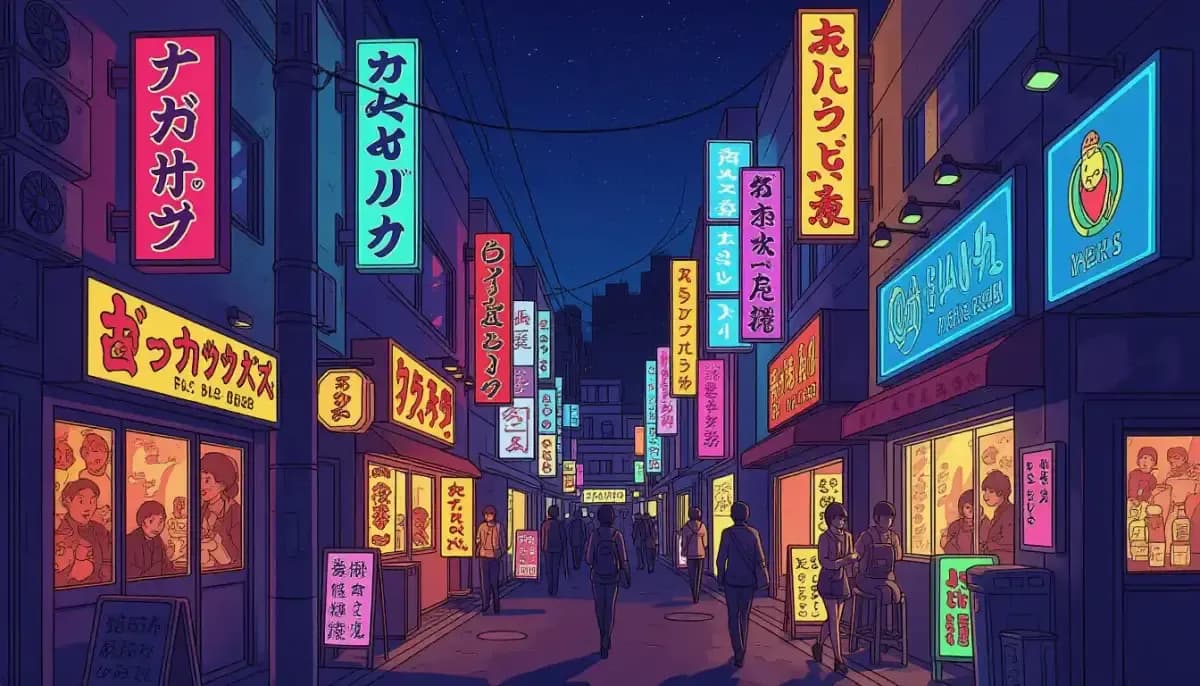
Discover the best nightlife areas in Japan for foreign residents and expats. From Roppongi to Dotonbori, explore Tokyo, Osaka, and Kyoto after dark with our complete guide.
Best Nightlife Areas in Japan for Foreign Residents
Japan's nightlife is a world unto itself — a dazzling, neon-lit universe of izakayas, rooftop bars, underground clubs, karaoke boxes, and late-night ramen stops. For foreign residents and expats, navigating this world can feel both thrilling and overwhelming. Where do you go if you want to meet other internationals? Where can you find English-speaking staff? Which areas are truly foreigner-friendly, and which ones might leave you feeling lost?
This guide breaks down the best nightlife areas in Japan for foreign residents, covering Tokyo, Osaka, Kyoto, and beyond. Whether you are a long-term expat settling into local life or a newcomer exploring the city after dark, you will find everything you need to make the most of Japan's legendary night scene.
![Neon-lit entertainment district in Japan at night with people enjoying the nightlife]()
Why Japan's Nightlife Stands Out for Expats
Japan has one of the safest and most vibrant nightlife cultures in the world. The streets are clean, crime rates are extremely low, and you can walk home alone at 3 AM in most major cities without fear. For foreign residents, this is a revelation compared to nightlife in many Western countries.
What makes Japan's nightlife especially appealing for expats:
- Safety: Japan consistently ranks as one of the safest countries, and this extends to night hours
- Variety: From quiet whiskey bars to massive multi-floor clubs, every taste is catered for
- Value: Izakayas offer affordable food and drinks, and all-you-can-drink (nomihoudai) deals make budgeting easy
- Community: Expat-heavy districts like Roppongi and Namba are natural gathering points for the international community
- Cultural experience: Joining locals at an izakaya or karaoke bar is one of the best ways to connect with Japanese culture
That said, knowing where to go makes all the difference. Some areas cater heavily to tourists and charge accordingly; others are beloved by long-term expats who know the local secrets.
For a deeper understanding of how social life works in Japan for foreigners, check out the Complete Guide to Making Friends and Social Life in Japan.
Tokyo: The Best Nightlife Districts for Foreigners
Tokyo is arguably the nightlife capital of Asia, and for good reason. With millions of residents, an international population, and a subway system that runs until midnight (with some lines operating later on weekends), the city offers virtually endless options after dark.
Roppongi: The International Hub
Roppongi is the district most closely associated with Tokyo's expat nightlife scene. For decades, this area in Minato has been the go-to destination for foreigners living in and visiting Tokyo. You will find a high concentration of foreign-friendly nightclubs, international restaurants, and bars where English is spoken almost as frequently as Japanese.
What to expect in Roppongi:
- Large international nightclubs with DJs and dancing
- Upscale cocktail bars and hotel rooftop lounges
- Izakayas and casual dining that welcome non-Japanese speakers
- A visible expat community from the US, Europe, Africa, and Southeast Asia
A word of caution: Roppongi has a reputation for aggressive street touts and some establishments that charge hidden fees. Stick to well-reviewed venues, avoid anyone aggressively recruiting you from the street, and always check the menu and pricing before you order. Legitimate establishments do not recruit from sidewalks.
Recommended experience: Explore the side streets beyond the main strip, where you will find smaller, more authentic bars frequented by both locals and long-term expats.
Shinjuku: Diversity in Every Direction
Shinjuku is one of Tokyo's most dynamic nightlife areas, combining the historic and the ultramodern in ways that never get old. This district is divided into several distinct zones, each with its own character.
Golden Gai is one of Tokyo's most iconic nightlife spots — a dense maze of over 200 tiny bars, each with its own theme, regulars, and personality. Many bars seat fewer than ten people, creating intimate conversations with strangers. Some have cover charges (typically 500–1,000 yen) and welcome foreigners warmly. Golden Gai is a must for expats who want to experience an authentic slice of Tokyo bar culture.
Omoide Yokocho (Memory Lane) is a narrow alleyway packed with tiny yakitori restaurants and bars, most of them open until the early hours. The atmosphere is atmospheric and unpretentious — smoke-filled, loud, and full of character.
Kabukicho, Shinjuku's famous entertainment district, is the largest red-light and entertainment area in Japan. While parts of it are not for everyone, it also contains perfectly respectable restaurants, arcades, themed bars, and clubs. Karaoke parlors here operate around the clock.
Ni-chome, Shinjuku's LGBTQ+ district, is one of the most welcoming nightlife areas in all of Japan. The bars here are small, friendly, and inclusive — and many welcome all visitors regardless of identity.
Shibuya: Young, Trendy, and Energetic
Shibuya is the heartbeat of Tokyo's youth culture, and its nightlife reflects this energy. This is the neighborhood for trendy bars, live music venues, and clubs where DJs play until sunrise.
The area around Shibuya Crossing comes alive at night, with the iconic scramble crossing serving as a backdrop for bar-hopping adventures through a district packed with options. Shibuya is also home to some of Tokyo's best live music venues, making it essential for music lovers.
Compared to Roppongi, Shibuya skews younger and more local, though its international reputation means English-language support is widely available.
Ginza: Sophisticated Nights Out
For expats looking for a more refined evening, Ginza offers upscale bars, jazz clubs, and high-end restaurants in Tokyo's most polished district. This is where business dinners stretch late into the night and where Japan's corporate culture reveals itself over premium whisky and craft cocktails. Less rowdy, more refined — Ginza is ideal for expats in their 30s and above who prefer conversation to dancing.
![Interior of a cozy Japanese izakaya bar with wooden decor and lanterns]()
Osaka: Japan's Most Energetic Night Scene
Osaka has a deserved reputation as Japan's most lively and welcoming city, and its nightlife fully reflects the city's gregarious spirit. Osakans are famously outgoing and friendly — the local saying "kuidaore" (eat until you drop) extends naturally to drinking until you can drink no more.
Dotonbori: The Heart of Osaka After Dark
Dotonbori is Osaka's entertainment epicenter, a stretch of canal-side streets that transforms at night into one of the most visually spectacular nightlife destinations in Asia. Neon signs, giant moving crabs, and the smells of takoyaki and ramen fill the air as crowds spill in and out of hundreds of bars, restaurants, and clubs.
For foreign residents, Dotonbori is one of the most welcoming areas in Japan. Many establishments have English menus, and the general atmosphere is inclusive and fun. The area is compact and walkable, making bar-hopping easy.
Must-visit in Dotonbori:
- Canal-side bars with views of the famous Glico Man sign
- Comedy clubs offering a window into Japanese manzai humor
- Craft beer bars mixing local and imported options
- Izakayas where you can eat and drink for under 3,000 yen
Shinsaibashi and Namba: The Clubbing District
Adjacent to Dotonbori, the Shinsaibashi and Namba area hosts many of Osaka's larger dance clubs. This is where foreign residents go when they want to dance — the clubs here are international-friendly, with many hosting themed events and playing a global mix of music.
The shopping arcade of Shinsaibashi is also worth exploring at night, when the fashion boutiques close but the bars and restaurants stay open, attracting a sophisticated crowd.
Kyoto: Nightlife with a Historical Soul
Kyoto's nightlife operates at a different frequency from Tokyo and Osaka. This is a city that cherishes its ancient heritage, and the nightlife here reflects that — more subdued, more intimate, and deeply atmospheric.
Pontocho Alley: An Unmissable Experience
Pontocho is a narrow alley running parallel to the Kamo River, lined with traditional machiya townhouses converted into bars and restaurants. At night, with paper lanterns illuminating the path and the sound of the river in the background, it is one of the most beautiful places in Japan to have a drink.
Many establishments in Pontocho have private dining rooms with views over the river — perfect for impressing guests or for a romantic evening. Prices tend to be on the higher side, but the atmosphere is unmatched.
Kiyamachi Street: Kyoto's Bar District
Running alongside a canal, Kiyamachi Street is home to a concentration of bars, clubs, and restaurants that attract both locals and international visitors. This is more approachable than Pontocho, with casual bars and izakayas that welcome foreigners comfortably.
Essential Tips for Expats Navigating Japan's Nightlife
Understanding Japanese nightlife culture will make your experiences far more enjoyable. Here are the key things every foreign resident should know.
Izakaya Culture and Etiquette
The izakaya is the cornerstone of Japanese social drinking life. Think of it as a combination of a pub and a casual restaurant — you order multiple small dishes to share while drinking, conversations flow freely, and the atmosphere is relaxed and communal.
Key izakaya rules:
- Otoshi charge: Expect to pay 300–500 yen per person as a table charge. This comes with a small complimentary appetizer and is completely normal.
- Pour for others first: Never pour your own drink. Pour for your companions and wait for someone to pour for you. When receiving, hold your glass with both hands and take a sip immediately.
- Kanpai etiquette: Wait until everyone has their drink before toasting. Say "Kanpai!" (乾杯) and raise your glass.
- Nomihoudai: All-you-can-drink packages typically cost 1,500–2,500 yen for 90–120 minutes. You must finish your current drink before ordering the next one.
The Last Train Problem
Japan's train system is efficient but stops running around midnight. Missing the last train is a rite of passage for expats — and a situation worth planning for.
Options if you miss the last train:
- Karaoke box (open 24 hours, relatively affordable)
- Manga cafe (all-night packages from around 1,500 yen)
- Capsule hotel (typically 3,000–5,000 yen)
- Taxi home (expensive, but sometimes the only option for distant neighborhoods)
- Walking (only viable for short distances)
Many experienced expats in Tokyo simply plan their nights around the train schedule, leaving before midnight or committing to an all-night adventure from the start.
Safety in Japanese Nightlife
Japan is exceptionally safe by global standards, but a few things are worth noting:
- Avoid street touts: People who aggressively approach you on the street to invite you into bars or clubs are often connected to overpriced or problematic establishments
- Watch your belongings: Pickpocketing is rare but not unheard of in busy nightlife areas
- Drink responsibly: Japan has zero tolerance for drunk driving, and public drunkenness, while not illegal, can attract attention
- Know your limits in Kabukicho: Parts of Shinjuku's entertainment district cater to adult entertainment — know what you are getting into before entering
For more on staying safe in Japan, read our Complete Guide to Safety and Emergency Preparedness in Japan.
Nightlife Area Comparison: Quick Reference
| Area | City | Best For | Foreigner Rating | Avg Spend |
|---|---|---|---|---|
| Roppongi | Tokyo | International crowd, dancing | ★★★★★ | ¥3,000–8,000 |
| Golden Gai | Tokyo | Intimate bars, local experience | ★★★★☆ | ¥2,000–5,000 |
| Shibuya | Tokyo | Young crowd, live music | ★★★★☆ | ¥2,500–6,000 |
| Ginza | Tokyo | Upscale, sophisticated | ★★★☆☆ | ¥5,000–15,000+ |
| Dotonbori | Osaka | Casual fun, food and drinks | ★★★★★ | ¥2,000–5,000 |
| Shinsaibashi | Osaka | Clubbing, dancing | ★★★★☆ | ¥3,000–7,000 |
| Pontocho | Kyoto | Atmosphere, traditional | ★★★☆☆ | ¥4,000–10,000 |
| Kiyamachi | Kyoto | Casual bars, mixed crowd | ★★★★☆ | ¥2,500–5,000 |
Beyond the Big Cities: Hidden Nightlife Gems
While Tokyo and Osaka dominate Japan's nightlife conversation, several other cities offer excellent after-dark scenes for expats living outside the major metros.
Fukuoka (Tenjin and Nakasu): Fukuoka has a vibrant nightlife scene centered around Tenjin and the Nakasu entertainment district. The city's proximity to Korea and China gives its nightlife an international flavor, and the local expat community is tight-knit and welcoming.
Nagoya (Sakae): Nagoya's Sakae district is the city's entertainment hub, with a dense concentration of bars, clubs, and izakayas. The expat community here is smaller than in Tokyo or Osaka, which means the international crowd tends to stick together — great for making connections quickly.
Sapporo (Susukino): Japan's northernmost major city has one of the country's liveliest nightlife districts in Susukino. The cold winters drive people indoors and into bars, creating a particularly cozy and sociable atmosphere.
For comprehensive guidance on daily life as a foreign resident, the Complete Guide to Daily Life in Japan for Foreigners covers everything from shopping to social norms.
Resources and Further Reading
For more guides to nightlife and entertainment for foreign residents in Japan:
- Living in Nihon: Comprehensive guide to hobbies, leisure and entertainment in Japan
- For Work in Japan: Career and lifestyle resources for foreign residents at forworkinjapan.com
- Ittenshoku: Career support and expat resources at ittenshoku.com
- Flip Japan Guide: Detailed Tokyo Nightlife for Foreigners Guide with area breakdowns
- Japan Handbook: In-depth nightlife etiquette guide for expats covering izakaya culture, karaoke, and bar etiquette
Final Thoughts
Japan's nightlife is one of the great joys of living here as a foreign resident. From the neon-lit intensity of Roppongi to the atmospheric lantern-glow of Pontocho, there is a version of Japanese after-dark life for every mood and personality. The key is to approach it with curiosity, respect for local customs, and a willingness to step beyond the obvious tourist zones.
Once you have mastered the art of the izakaya toast and figured out the last train schedule, Japan's nightlife becomes one of the most rewarding parts of expat life. Kanpai!
For more on navigating Japanese culture and social life, explore our Complete Guide to Japanese Culture and Etiquette.

Originally from Vietnam, living in Japan for 16+ years. Graduated from Nagoya University, with 11 years of professional experience at Japanese and international companies. Sharing information about living in Japan for foreigners.
View Profile →Related Articles
Best Seasonal Events and Activities in Japan
Discover Japan's best seasonal events and activities throughout the year. From spring cherry blossoms to summer fireworks, autumn leaves, and winter snow festivals — the ultimate guide for foreigners and expats.
Read more →
Art Museums and Gallery Scene in Japan
Discover Japan's best art museums and galleries, from Tokyo's teamLab and Mori Art Museum to Naoshima Island. A complete guide for foreigners with tips, admission prices, and must-see destinations.
Read more →
Book Stores and Libraries in Japan for English Readers
Complete guide to finding English books in Japan—from major bookstore chains like Kinokuniya to public libraries, second-hand shops, and online resources for expats and foreigners.
Read more →
Best Theme Parks and Amusement Parks in Japan
Discover the best theme parks and amusement parks in Japan — from Tokyo Disneyland and Universal Studios Japan to Ghibli Park, Fuji-Q Highland, and hidden gems. Includes ticket prices, tips, and travel advice for foreigners.
Read more →
Spectator Sports and Events in Japan Guide
Your complete guide to spectator sports in Japan — sumo, baseball, J-League soccer and more. Learn how to buy tickets as a foreigner, what to expect at the stadium, and when to go.
Read more →
Popular Japanese Hobbies and Craft Activities
Discover popular Japanese hobbies and craft activities for foreigners in Japan. From traditional arts like ikebana and shodo to martial arts, ceramics, and taiko drumming — your complete guide to joining Japanese hobby culture.
Read more →