
Izakaya Japanese Pub Dining and Drinking Guide

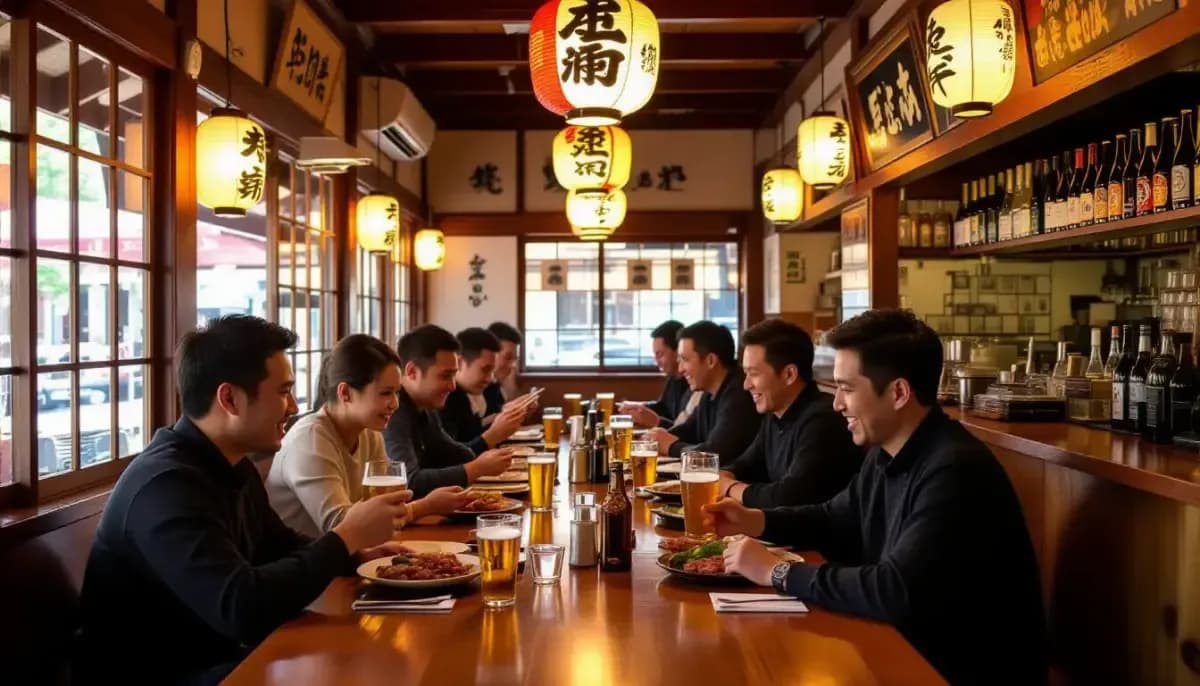
Your complete guide to izakaya dining in Japan. Learn what to eat, what to drink, key etiquette rules, how to order, and how to experience Japan's beloved pub culture like a local.
Izakaya Japanese Pub Dining and Drinking Guide
If you've ever walked past a warmly lit doorway in Japan with red lanterns hanging and the sound of laughter and clinking glasses drifting out, you've encountered an izakaya. These beloved Japanese pub-restaurants are an essential part of everyday social life in Japan — and as a foreigner, visiting one is one of the most authentic cultural experiences you can have. This guide will walk you through everything you need to know: what an izakaya is, how to order, what to eat and drink, etiquette rules, and how to enjoy it like a local.

What Is an Izakaya?
The word izakaya (居酒屋) literally translates to "stay-drink-place" — a combination of i (to stay), sake (alcohol), and ya (shop). Dating back to Japan's Edo period (1603–1868), izakayas began as sake shops that allowed customers to drink on the premises. Over time, they evolved into full-service establishments serving food alongside drinks.
Today, an izakaya is best described as a cross between a pub, a tapas bar, and a casual restaurant. Groups of friends, colleagues after work, and families all gather at izakayas to share small plates of food, drink together, and enjoy each other's company. Unlike a Western bar, the emphasis is on dining together, not just drinking.
Izakayas come in many styles: from cozy hole-in-the-wall spots with just a few seats at a counter, to massive multi-story chains with private dining rooms for large groups. The common thread is an atmosphere of relaxed conviviality and affordable, shareable food.
For a broader understanding of Japanese food culture, check out our Complete Guide to Japanese Food and Cooking.
Understanding the Basics: What to Expect When You Arrive
Walking into an izakaya for the first time can feel overwhelming if you don't know what to expect. Here's what typically happens from the moment you step through the door.
Irasshaimase! — Staff will greet you loudly with this welcome phrase. Don't feel pressured to respond; a nod and a smile are fine.
Seating: You'll either be shown to a table or a counter seat. Many izakayas offer zashiki (座敷) seating — low tables on tatami floor where you sit on cushions. Remove your shoes before stepping onto the tatami.
Oshibori: A moist hand towel (oshibori) will be provided. Use it to clean your hands, then set it aside — don't use it to wipe your face, which is considered impolite in formal settings (though more casual in izakayas).
Otoshi (お通し): This is an important one. Shortly after sitting down, the staff will bring a small appetizer dish called otoshi. You did not order it, and you will be charged for it — typically ¥200–¥1,000 per person. Think of it as a table charge (similar to the pane e coperto in Italian restaurants). It can come as edamame, a small salad, pickles, or any small snack. Don't be surprised or try to refuse it — it's a normal part of the izakaya experience.
Menus: Some izakayas, particularly chain restaurants and those in tourist areas, have English menus. However, only about 4.2% of izakayas nationwide have English menus. Pointing at pictures or using a translation app is perfectly acceptable. Don't hesitate to ask — many staff can understand basic food-related English.
What to Eat: Must-Try Izakaya Dishes
Izakaya food is designed to be shared and to complement drinks. Dishes come out gradually rather than all at once, and the emphasis is on variety over quantity. Here are the essential dishes to order:
Yakitori (焼き鳥): Skewered chicken pieces grilled over charcoal, seasoned with either tare (sweet soy sauce) or shio (salt). This is perhaps the most iconic izakaya dish. Every part of the chicken is used — from thigh meat (momo) to chicken skin (kawa) to liver (rebā). Prices typically start at ¥100–¥200 per skewer.
Edamame (枝豆): Boiled and salted green soybeans served in the pod. A classic starter and the perfect snack to nibble on between drinks.
Karaage (唐揚げ): Japanese-style fried chicken, marinated in soy sauce and ginger, then deep-fried until crispy. Usually served with lemon and mayonnaise.
Gyoza (餃子): Pan-fried dumplings with a crispy bottom. Usually filled with pork and cabbage, served with a dipping sauce of soy sauce and vinegar.
Sashimi (刺身): Fresh sliced raw fish or seafood. Common choices include tuna (maguro), salmon (sake), yellowtail (hamachi), and squid (ika).
Tamagoyaki (玉子焼き): A rolled omelet, often slightly sweet. A simple dish that showcases the chef's skill. Pairs beautifully with sake.
Agedashi Tofu (揚げ出し豆腐): Lightly battered and fried tofu served in a savory dashi broth. A classic izakaya staple.
Grilled Fish (焼き魚): Whole grilled mackerel (saba) or hokke (atka mackerel) are izakaya staples — smoky, flaky, and delicious.
Oden (おでん): A hearty winter stew of daikon radish, eggs, fish cakes, and konjac simmered in dashi broth. Perfect for cold evenings.
締め (Shime) — Finishing Dishes: It's traditional to end your izakaya meal with a carbohydrate-heavy "finishing dish" — ramen, rice, udon, or onigiri. This signals the end of the meal and helps soak up the alcohol.

What to Drink: Izakaya Beverages Guide
Izakayas pride themselves on a wide selection of drinks. Here's what you'll typically find:
| Drink | Japanese Name | Description | Typical Price |
|---|---|---|---|
| Draft Beer | 生ビール (Nama Bīru) | Asahi, Kirin, Sapporo, or Suntory on tap | ¥400–¥700 |
| Chuhai | チューハイ | Shochu highball mixed with fruit juice or soda | ¥300–¥500 |
| Sake | 日本酒 (Nihonshu) | Fermented rice wine; served hot (atsukan) or cold (reishu) | ¥400–¥800/glass |
| Shochu | 焼酎 | Distilled spirit from sweet potato, barley, or rice | ¥300–¥600 |
| Umeshu | 梅酒 | Plum wine; sweet and fruity, good for beginners | ¥400–¥600 |
| Highball | ハイボール | Whisky and soda; currently very popular in Japan | ¥400–¥600 |
| Non-alcoholic | ウーロン茶/ジュース | Oolong tea, juice, or zero-alcohol beer | ¥200–¥400 |
Nomihōdai (飲み放題): Many izakayas offer an all-you-can-drink option for a set time period (usually 1–2 hours). Prices typically range from ¥1,500 to ¥3,000 per person. The selection is usually limited to standard beers, chuhai, and soft drinks, with premium drinks excluded. This can be excellent value if you plan to drink several rounds.
Starting with Beer: If you're unsure what to order, start with a draft beer (nama biru kudasai). It's the default "first drink" at most izakayas and a safe, universally enjoyed choice.
Izakaya Etiquette: Rules to Follow
Understanding Japanese drinking and dining etiquette will help you enjoy izakayas more naturally and show respect for the culture. Here are the key rules:
1. Wait for Kanpai (Cheers) Before anyone drinks, wait until everyone at the table has their drink. Then raise your glasses together and say "Kanpai!" (乾杯) — make eye contact with people around you and gently clink glasses. Don't cross arms when clinking — it's considered bad luck.
2. Pour for Others, Not Yourself In Japanese drinking culture, it's polite to pour drinks for the people around you rather than topping up your own glass. Keep an eye on your companions' glasses and refill them when they're running low. Let others pour for you.
3. Use Serving Chopsticks for Shared Dishes When taking food from shared plates, use the provided serving chopsticks (tori-bashi), or flip your own chopsticks around and use the clean end. Never pass food chopstick-to-chopstick — this mimics a funeral custom and is considered taboo.
4. Don't Leave Food Uneaten Leaving large amounts of food or drink unfinished is considered wasteful. Order gradually and only what you can consume.
5. Call Staff Appropriately To get a server's attention, press the call button on the table (most izakayas have this), or say "Sumimasen!" (Excuse me). Don't shout or wave dramatically — a raised hand is fine if no button is available.
6. Pay as a Group The bill (okanjō) is presented as a single total for the table. It's common for one person to pay and then split costs informally among the group afterward. Asking for completely separate bills can sometimes be accommodated, but it's not the default. Split equally (warikan, 割り勘) unless your group prefers to calculate individual consumption.
7. Time Limits During peak hours (Friday and Saturday evenings), izakayas may enforce a 2-hour seating limit. Staff will usually let you know in advance. If you want to stay longer, ask if you can extend or move to a different table.
For more on Japanese cultural etiquette, read our Complete Guide to Japanese Culture and Etiquette.
How to Navigate the Menu and Order
Walking into an izakaya without knowing Japanese can feel daunting, but there are several strategies that make it easy:
Use Picture Menus: Most izakayas — especially chains — have laminated picture menus. Simply point at what you want.
Touch Screen Ordering: Many modern chain izakayas use tablet-based ordering systems at the table, sometimes available in English, Chinese, and Korean.
Basic Ordering Phrases:
- "Sumimasen" — Excuse me (to call staff)
- "Kore wo kudasai" — I'll have this (pointing at menu)
- "Eigo no menyu arimasu ka?" — Do you have an English menu?
- "Osusume wa nan desu ka?" — What do you recommend?
- "Okanjō onegaishimasu" — Can I have the bill please?
- "Koshitsu arimasuka?" — Do you have a private room?
Order Gradually: Don't try to order everything at once. Start with drinks and a few appetizers, then add more food as you go. This keeps dishes arriving fresh and hot.
Ask for Recommendations: Staff are usually happy to suggest popular dishes. Simply asking "osusume" (recommendation) while pointing at a section of the menu often works well.
Types of Izakayas: From Chains to Local Gems
Not all izakayas are alike. Understanding the types can help you choose the right experience:
Chain Izakayas: Major chains like Torikizoku (where every item is ¥370), Watami, Shirokiya, and Tsukiji Gindaco offer consistent quality, English-friendly menus, and reliable service. Great for first-timers and large groups. Many have nomihōdai options and private rooms.
Independent Neighborhood Izakayas (Shotengai Izakayas): Tucked into shopping arcades or down side streets, these family-run establishments often have no English menu but offer the most authentic experience. The mama-san or taisho (owner) often becomes a regular fixture if you return enough times.
Tachinomi Bars: Standing-only izakayas (tachinomi, literally "stand-drink") where drinks and snacks are consumed at a counter. Very casual, very affordable, and great for a quick drink after work.
Specialty Izakayas: Some izakayas specialize in a single type of food — yakitori bars, sashimi-focused seafood izakayas, regional cuisine izakayas featuring Okinawan, Hokkaido, or Osaka specialties.
Themed Izakayas: In tourist areas, you'll find ninja-themed izakayas, samurai settings, and other novelty concepts designed for visitors. Fun, but usually more expensive.
For tips on getting around to find these places, see our Complete Guide to Transportation in Japan.
Budget and Pricing: What to Expect
Izakayas are generally affordable, but prices vary widely:
A typical izakaya evening costs ¥2,000–¥5,000 per person, including food and drinks. Here's a rough budget breakdown:
- Otoshi (table charge): ¥200–¥1,000/person
- 2–3 food dishes per person: ¥800–¥2,000
- 3–4 drinks per person: ¥1,200–¥2,800
- Total per person: ¥2,200–¥5,800
Budget Tips:
- Choose chain izakayas for the best value (Torikizoku, Isomaru Suisan, etc.)
- Take advantage of happy hour deals — many izakayas offer discounts between 5–7 PM
- Nomihōdai can save money if you plan to drink 3+ rounds
- Lunch deals at some izakayas offer remarkably cheap set meals (¥500–¥1,000)
For more on managing your finances in Japan, check our Complete Guide to Banking and Finance in Japan.
Making the Most of Your Izakaya Experience
Visiting an izakaya is more than just eating and drinking — it's a window into Japanese social culture. Here's how to make the most of it:
Go with Friends: Izakayas are designed for groups. The more people you go with, the more dishes you can sample. Going alone is possible (especially at counter seats), but the experience is richer in a group.
Go on a Weeknight: Friday and Saturday evenings are packed. Weeknight visits are calmer, often cheaper, and more intimate.
Explore Regional Specialties: Japan has incredible regional food diversity. An izakaya in Osaka might feature kushikatsu (deep-fried skewers), while one in Fukuoka might focus on motsu nabe (offal hot pot) or mentaiko (spicy cod roe).
Learn a Few Japanese Words: Even basic phrases show respect and often result in warmer service. See our Complete Guide to Learning Japanese for beginner tips.
Return to the Same Place: Regulars (jōren) are highly valued in Japan. If you find an izakaya you love, become a regular. The owner will remember your preferences, recommend seasonal specials, and the experience becomes deeply personal.
For further reading on izakaya dining culture, check out this Expat's Guide to Dining at Japanese Izakayas from Savor Japan, and this comprehensive Beginner's Guide to Japanese Izakaya from Tokyo Cheapo.
For foreigners navigating daily life in Japan, Living in Nihon offers practical guides on food culture and daily routines. If you're working in Japan and wondering about work culture around after-work drinking, For Work in Japan has resources on navigating workplace social dynamics. And for career development while living in Japan, Ittenshoku provides helpful career guidance for foreign residents.
Conclusion
The izakaya is one of Japan's great social institutions — a place where barriers come down, laughter rings out, and strangers become friends over shared dishes and cold beer. As a foreigner in Japan, embracing the izakaya culture isn't just about eating and drinking; it's about participating in an age-old Japanese tradition of communal enjoyment.
Don't be intimidated by the language barrier or the unfamiliar customs. Izakayas are welcoming places, and a little effort to follow the etiquette — waiting for kanpai, pouring for others, ordering gradually — will be noticed and appreciated. Find a place you love, become a regular, and let the izakaya become a home away from home.
For a comprehensive look at navigating daily social life in Japan, see our Complete Guide to Making Friends and Social Life in Japan.

Originally from Vietnam, living in Japan for 16+ years. Graduated from Nagoya University, with 11 years of professional experience at Japanese and international companies. Sharing information about living in Japan for foreigners.
View Profile →Related Articles
Best Seasonal Events and Activities in Japan
Discover Japan's best seasonal events and activities throughout the year. From spring cherry blossoms to summer fireworks, autumn leaves, and winter snow festivals — the ultimate guide for foreigners and expats.
Read more →
Art Museums and Gallery Scene in Japan
Discover Japan's best art museums and galleries, from Tokyo's teamLab and Mori Art Museum to Naoshima Island. A complete guide for foreigners with tips, admission prices, and must-see destinations.
Read more →
Book Stores and Libraries in Japan for English Readers
Complete guide to finding English books in Japan—from major bookstore chains like Kinokuniya to public libraries, second-hand shops, and online resources for expats and foreigners.
Read more →
Best Theme Parks and Amusement Parks in Japan
Discover the best theme parks and amusement parks in Japan — from Tokyo Disneyland and Universal Studios Japan to Ghibli Park, Fuji-Q Highland, and hidden gems. Includes ticket prices, tips, and travel advice for foreigners.
Read more →
Spectator Sports and Events in Japan Guide
Your complete guide to spectator sports in Japan — sumo, baseball, J-League soccer and more. Learn how to buy tickets as a foreigner, what to expect at the stadium, and when to go.
Read more →
Popular Japanese Hobbies and Craft Activities
Discover popular Japanese hobbies and craft activities for foreigners in Japan. From traditional arts like ikebana and shodo to martial arts, ceramics, and taiko drumming — your complete guide to joining Japanese hobby culture.
Read more →