
Japanese Festivals and Matsuri Entertainment Guide

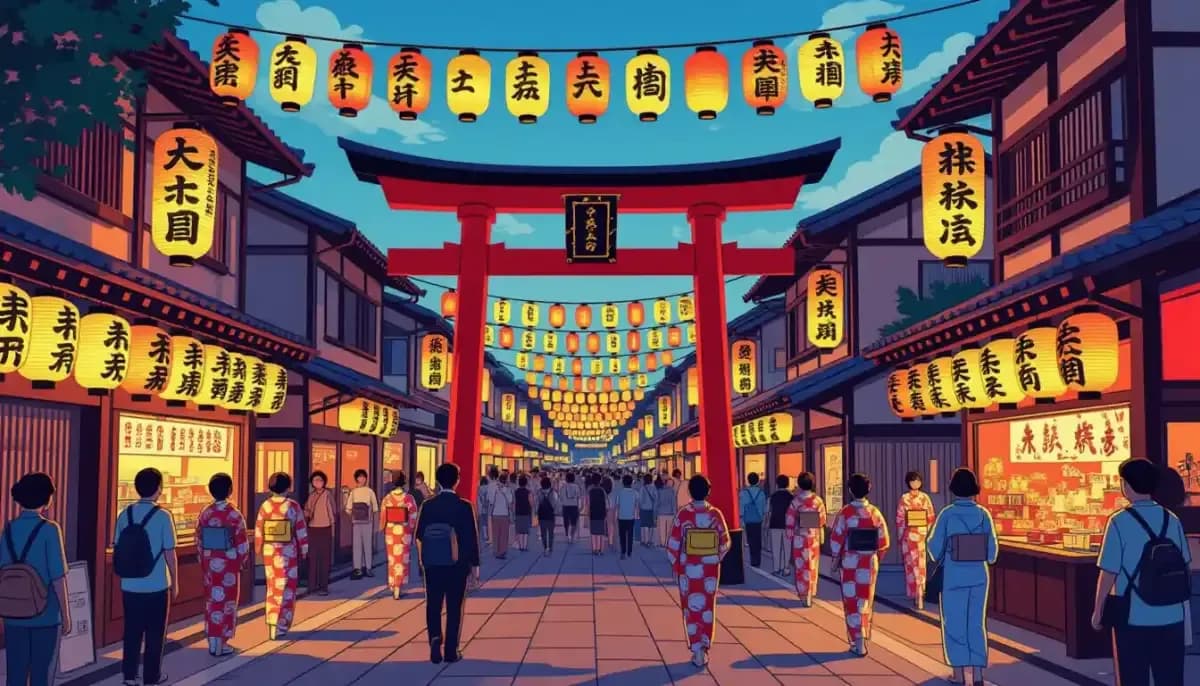
Everything foreigners need to know about Japanese festivals (matsuri): top festivals by season, what to wear and eat, etiquette tips, and how to find festivals near you in Japan.
Japanese Festivals and Matsuri Entertainment Guide
Japan is home to one of the world's most vibrant festival cultures. With an estimated 100,000 to 300,000 matsuri (festivals) held across the country every year, there is almost always a celebration happening somewhere nearby. For foreigners living in or visiting Japan, attending a matsuri is one of the most authentic and memorable experiences you can have. From the thundering taiko drums of summer fireworks festivals to the ethereal lantern floats of Nebuta in Aomori, Japanese festivals offer a window into centuries of tradition, community spirit, and artistry that simply cannot be replicated anywhere else.
This guide covers everything you need to know about Japanese festivals: what they are, the major ones to attend by season, what to wear and eat, etiquette tips, and how to fully enjoy matsuri as a foreigner in Japan. Whether you are a new expat or a long-term resident, this guide will help you make the most of Japan's incredible festival scene.
What Is a Matsuri? Understanding Japanese Festivals
The word matsuri (祭り) comes from the verb matsurau (奉う), meaning "to serve or obey the kami (Shinto deities)." At their core, most traditional Japanese festivals are religious events connected to Shinto shrines or Buddhist temples. They serve as a way for communities to honor local deities, give thanks for harvests, pray for protection, or mark important seasonal transitions.
Almost every shrine in Japan holds its own matsuri at least once a year. These range from small neighborhood celebrations attended by a few hundred locals to massive national events that draw millions of visitors. As of 2024, 33 Japanese float festivals have been recognized on the UNESCO Intangible Cultural Heritage list, testament to their cultural significance.
The Four Pillars of Any Matsuri
- Mikoshi (portable shrines): The highlight of most matsuri is the carrying of a mikoshi through the streets. This ornate, palanquin-style portable shrine temporarily houses the kami (deity), allowing it to travel through the neighborhood. It is often carried by teams of enthusiastic participants who chant "wasshoi! wasshoi!" as they move.
- Dashi, yatai, and floats: Elaborately decorated festival floats parade through the streets, sometimes reaching heights of several stories. These can take months or years to construct and represent extraordinary craftsmanship.
- Yatai (food stalls): Festival streets are lined with colorful food stalls selling traditional snacks. This is one of the most beloved parts of any matsuri experience.
- Music and dance: Taiko drums, flutes, and shamisen performances fill the air, and many festivals feature traditional dance performances such as bon odori.
Japanese festival culture generates a staggering economic impact — an estimated 530 billion yen annually (2019 data) — underlining just how central matsuri are to Japanese society.
For more on Japanese culture and how to engage with local traditions as a foreigner, see our guide to Japanese Culture and Etiquette.
Major Japanese Festivals by Season
Japan's festival calendar follows the rhythms of the agricultural year. Spring festivals pray for a good harvest, summer festivals ward off disasters and pests, autumn festivals give thanks for the harvest, and winter festivals pray for prosperity in the new year.
| Season | Purpose | Key Festivals | Locations |
|---|---|---|---|
| Spring | Pray for good harvest | Takayama Matsuri, Aoi Matsuri, Sanja Matsuri | Gifu, Kyoto, Tokyo |
| Summer | Ward off pests and disaster | Gion Matsuri, Nebuta Matsuri, Awa Odori | Kyoto, Aomori, Tokushima |
| Autumn | Give thanks for harvest | Takayama Matsuri (fall), Jidai Matsuri | Gifu, Kyoto |
| Winter | Pray for new year blessings | Sapporo Snow Festival, Chichibu Yomatsuri | Hokkaido, Saitama |
Top Summer Festivals
Gion Matsuri (Kyoto, July): Dating back to 869 AD, the Gion Matsuri is arguably Japan's most famous festival. Originating as a prayer to stop a deadly plague, it has evolved into a month-long celebration in Kyoto. The highlight is the Yamahoko parade on July 17 and 24, in which towering wooden floats — described as "moving galleries" for their ornate decorations — are pulled through the city streets to the sound of music and fanfare. Book accommodation months in advance.
Nebuta Matsuri (Aomori, August 2–7): One of Japan's most visually spectacular festivals, the Nebuta features massive lantern floats up to 9 meters wide and 5 meters tall, depicting mythological and historical figures. Over 2 million visitors attend each year. Foreigners can rent a haneto costume (the traditional dancer's outfit) and participate in the procession — making it one of the most participatory festivals for visitors.
Awa Odori (Tokushima, August 12–15): The Awa Odori is Japan's largest dance festival, attracting over 1 million visitors annually. The festival's famous philosophy captures its spirit perfectly: "The dancers are fools, and the people watching are fools. Since everyone is a fool, why not dance!" Foreigners are welcome to join the dancing groups for a truly memorable experience.
Hakata Gion Yamakasa (Fukuoka, July 1–15): Teams of men race through the streets carrying massive floats weighing over a ton. Even if you cannot participate, the race is a breathtaking spectacle.
Top Spring and Autumn Festivals
Takayama Matsuri (Gifu, April 14–15 and October 9–10): Held twice a year in the historic mountain town of Takayama, this festival is renowned for its beautifully crafted floats and intimate atmosphere. Regularly ranked among Japan's three greatest festivals.
Aoi Matsuri (Kyoto, May 15): One of Kyoto's three major festivals, the Aoi Matsuri features a grand procession of over 500 participants dressed in Heian period costumes, recreating an imperial ceremony from over 1,000 years ago.
Jidai Matsuri (Kyoto, October 22): The "Festival of Ages" features a two-kilometer-long procession through Kyoto representing 12 centuries of Japanese history, with participants dressed in period costumes.
Top Winter Festivals
Sapporo Snow Festival (Hokkaido, early February): The world-famous snow and ice sculpture festival transforms Sapporo's Odori Park into a winter wonderland. Intricate sculptures — some as large as buildings — draw millions of visitors from around the world. Dress in warm, waterproof layers.
Yokote Kamakura Festival (Akita, February 15–16): Hundreds of igloo-like snow huts are built throughout the town, with small altars and children inviting passersby inside for warm amazake (sweet rice wine).
What to Wear to a Japanese Festival
Choosing the right outfit enhances your matsuri experience and shows respect for the cultural occasion.
Yukata (浴衣): For summer festivals, a yukata — a casual, lightweight cotton kimono — is the most popular choice among both Japanese locals and foreigners. Yukata are widely available for purchase or rental near popular festival sites. Wearing one instantly immerses you in the festival atmosphere and makes for wonderful photographs.
Happi coat (法被): A happi is a short, straight-sleeved jacket often worn by participants in mikoshi-carrying teams. If you are participating in a local neighborhood festival, you may be given a happi coat by the organizing group.
Practical clothing: If you prefer Western clothing, opt for comfortable, breathable layers appropriate for the season. Comfortable shoes are essential — festivals involve hours of standing and walking on various surfaces including cobblestones and gravel.
Winter festivals: For winter events like the Sapporo Snow Festival, bring your warmest gear — insulated jackets, waterproof boots, gloves, and hats are essential.
Yukata rental shops often include hair styling and accessories in their packages, and many shops near major festival sites cater to foreigners with staff who speak English.
For tips on dressing appropriately for Japanese cultural occasions more broadly, check our Daily Life in Japan guide.
What to Eat at a Japanese Festival
Festival food is one of the greatest joys of matsuri culture. Yatai (food stalls) line festival streets with colorful displays of Japan's most beloved street foods. Here are the must-try items:
| Food | Japanese | Description |
|---|---|---|
| Takoyaki | たこ焼き | Octopus balls — crispy outside, molten inside, topped with bonito flakes and sauce |
| Yakitori | 焼き鳥 | Grilled chicken skewers, available in dozens of flavor variations |
| Kakigori | かき氷 | Shaved ice dessert with flavored syrups — perfect for hot summer festivals |
| Okonomiyaki | お好み焼き | Savory Japanese pancakes with vegetables, meat, and toppings |
| Mitarashi dango | みたらし団子 | Chewy rice dumplings on a skewer, coated in sweet soy glaze |
| Jagabutter | じゃがバター | A simple but iconic baked potato with butter, beloved at festivals |
| Taiyaki | たい焼き | Fish-shaped pastries filled with red bean paste or custard |
| Ramune | ラムネ | Classic Japanese lemonade in a marble-sealed glass bottle |
Practical tip: Many smaller yatai are cash-only. Bring sufficient yen in small denominations before heading to a matsuri.
For a broader guide to Japanese food, see our Japanese Food and Cooking guide.
Matsuri Etiquette for Foreigners
Attending a matsuri as a foreigner is generally a very welcoming experience — Japanese festival-goers tend to be delighted when they see foreigners participating and enjoying local traditions. However, there are a few etiquette points to keep in mind:
Respect sacred elements: Mikoshi and the floats are often considered sacred objects. Observe, photograph, and cheer — but follow local cues before touching anything. During ceremonial rituals, maintain a respectful distance and keep noise levels appropriate.
Ask before photographing: While photographing festival scenes is generally welcome, always ask permission before taking close-up photos of individuals, especially participants in traditional costumes or religious roles.
Shrine and temple areas: If the festival is centered around a shrine or temple, follow the standard etiquette for these spaces — shoes off if required, no loud conversations, and bow respectfully at the main altar.
Queuing: Japanese queue culture extends to festivals. Maintain orderly lines at food stalls and popular viewing spots.
Waste disposal: Festivals often have limited trash bins, in line with Japan's community-responsibility approach to cleanliness. Pack a small bag to carry your waste.
Joining in: If you are invited to participate — whether in carrying a mikoshi, dancing in a bon odori circle, or joining a festival group — the invitation is genuine and warmly meant. Participating is one of the best ways to connect with local communities.
For a comprehensive overview of Japanese social etiquette, visit Living in Nihon's guide to life in Japan or our article on Japanese Culture and Etiquette.
How to Find Festivals Near You
With tens of thousands of festivals taking place each year across Japan, there is almost always one happening within easy travel distance — you just need to know where to look.
Online resources:
- Japan Guide's festival calendar lists major national festivals with dates and locations
- Local government websites (city and prefecture tourism pages) list regional festivals
- Boutique Japan's festival guide provides in-depth coverage of the most celebrated matsuri
Local community boards: Convenience stores, train stations, and community centers in your area often post flyers for upcoming local festivals. Even small neighborhood matsuri are worth attending for an authentic, crowd-free experience.
Social media and expat groups: Expat Facebook groups, Meetup groups, and Reddit communities for foreigners in Japan (such as r/japanlife) frequently share festival announcements and meetup opportunities. This is a great way to attend festivals with others and get tips from experienced Japan residents.
Neighborhood associations (chōkai): If you are a long-term resident, connecting with your local chōkai (neighborhood association) is one of the best ways to find out about and participate in hyper-local festivals. Many smaller matsuri are organized by the chōkai and welcome resident participation.
For more on building your social life and community connections in Japan, see our Making Friends and Social Life guide.
Planning Your Festival Trip: Practical Tips
Book early for major festivals: For nationally famous festivals — Gion Matsuri, the Sapporo Snow Festival, Takayama Matsuri — accommodation sells out months in advance. Plan your trip at least three to six months ahead, especially if traveling from abroad or from another city in Japan.
Arrive early: Popular festivals draw enormous crowds. Arriving early secures better viewing spots, shorter food stall queues, and a calmer experience before the main events begin.
Use public transport: Major festivals often restrict vehicle access to central areas. Public transport — trains and buses — is almost always the best option. Check for special festival-day train schedules and extended service hours.
Weather preparation: Summer festivals can be intensely hot and humid. Stay hydrated, wear sunscreen, and consider bringing a small folding fan (uchiwa), which are often distributed for free at summer events. For winter festivals, layers are essential.
Language: English signage at major tourist-oriented festivals has improved significantly, but at smaller regional events you may need basic Japanese phrases or a translation app. Learning a few simple festival phrases (like "arigatou gozaimasu" when receiving something from a stall) goes a long way.
For advice on getting around Japan efficiently, see our Transportation guide. For information about working and living legally in Japan as a foreigner, the team at For Work in Japan provides helpful resources on visas and employment. Additionally, Ittenshoku offers guidance for those considering career transitions in Japan's IT sector.
The Cultural Significance of Matsuri for Residents
Living in Japan and participating in local festivals is one of the most powerful ways to integrate into your community. Matsuri are not merely tourist attractions — they are living expressions of neighborhood identity, spiritual belief, and communal pride that have been passed down through generations.
When you attend your local chōkai festival, help carry the mikoshi, or simply cheer from the roadside with your neighbors, you become part of that tradition. For many long-term foreign residents of Japan, their first participation in a neighborhood matsuri was a turning point in feeling truly at home in the country.
Japan's festival culture is also evolving. Many communities facing population decline actively welcome and recruit foreign residents to participate in carrying on matsuri traditions. In some rural areas, foreign residents have become core members of festival organizing committees, helping to preserve traditions that might otherwise fade away.
For a broader exploration of Japanese traditions and seasonal celebrations, check out Motenas Japan's comprehensive matsuri guide and our pillar article on Japanese Festivals and Traditions.
Conclusion
Japanese matsuri are among the world's greatest celebrations — a blend of ancient spirituality, community togetherness, dazzling artistry, and sheer fun. With between 100,000 and 300,000 festivals held across Japan every year, and 33 float festivals recognized by UNESCO, there is no shortage of opportunities to experience this incredible culture firsthand.
As a foreigner in Japan, attending matsuri is one of the most rewarding things you can do. Wear a yukata, try the takoyaki, cheer for the mikoshi carriers, and if you get the chance — join in the dance. Japan's festival culture is open to everyone who approaches it with curiosity and respect.
Start planning your first (or next) matsuri adventure today, and discover why this ancient tradition continues to captivate millions of people every year.

Originally from Vietnam, living in Japan for 16+ years. Graduated from Nagoya University, with 11 years of professional experience at Japanese and international companies. Sharing information about living in Japan for foreigners.
View Profile →Related Articles
Best Seasonal Events and Activities in Japan
Discover Japan's best seasonal events and activities throughout the year. From spring cherry blossoms to summer fireworks, autumn leaves, and winter snow festivals — the ultimate guide for foreigners and expats.
Read more →
Art Museums and Gallery Scene in Japan
Discover Japan's best art museums and galleries, from Tokyo's teamLab and Mori Art Museum to Naoshima Island. A complete guide for foreigners with tips, admission prices, and must-see destinations.
Read more →
Book Stores and Libraries in Japan for English Readers
Complete guide to finding English books in Japan—from major bookstore chains like Kinokuniya to public libraries, second-hand shops, and online resources for expats and foreigners.
Read more →
Best Theme Parks and Amusement Parks in Japan
Discover the best theme parks and amusement parks in Japan — from Tokyo Disneyland and Universal Studios Japan to Ghibli Park, Fuji-Q Highland, and hidden gems. Includes ticket prices, tips, and travel advice for foreigners.
Read more →
Spectator Sports and Events in Japan Guide
Your complete guide to spectator sports in Japan — sumo, baseball, J-League soccer and more. Learn how to buy tickets as a foreigner, what to expect at the stadium, and when to go.
Read more →
Popular Japanese Hobbies and Craft Activities
Discover popular Japanese hobbies and craft activities for foreigners in Japan. From traditional arts like ikebana and shodo to martial arts, ceramics, and taiko drumming — your complete guide to joining Japanese hobby culture.
Read more →