
Live Music and Concert Scene in Japan

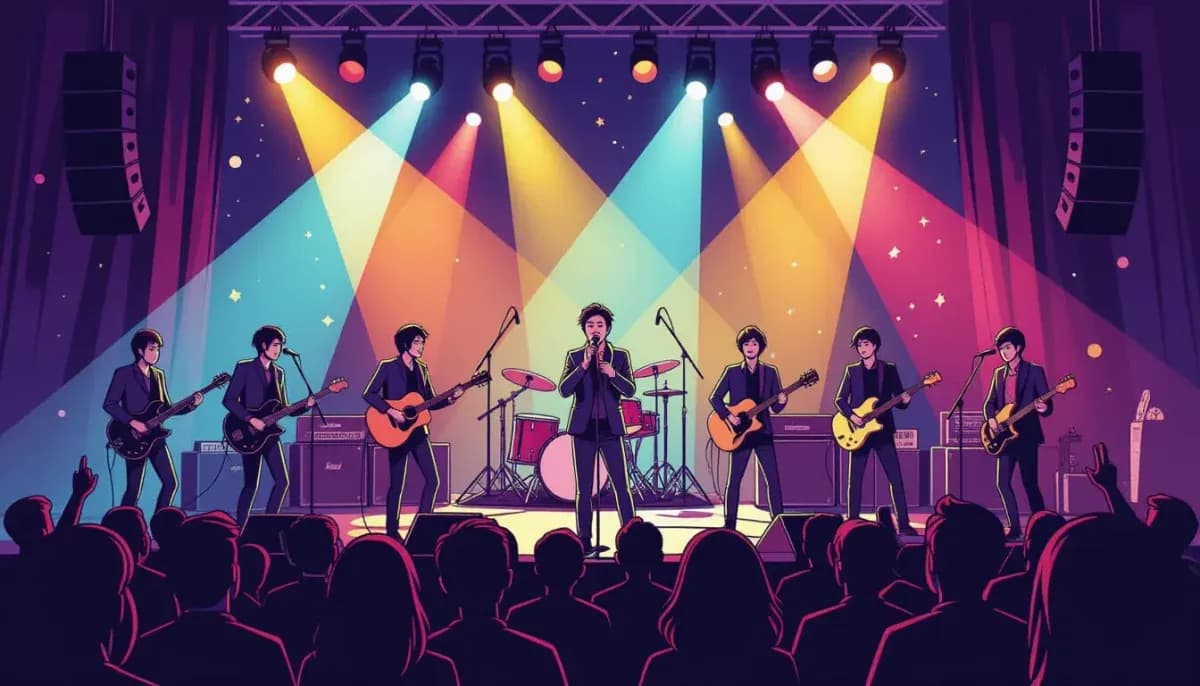
Complete guide to Japan's live music and concert scene for foreigners. Learn how to buy tickets, navigate livehouses, understand etiquette, and find the best venues in Tokyo, Osaka, and beyond.
Live Music and Concert Scene in Japan: A Complete Guide for Foreigners
Japan's live music scene is one of the most vibrant and diverse in the world. From intimate livehouses tucked into the back streets of Shimokitazawa to massive stadium concerts at Tokyo Dome, Japan offers an extraordinary range of musical experiences for every taste and budget. Whether you're a resident expat or a short-term visitor, navigating Japan's concert culture is well worth the effort — and this guide will help you do it with confidence.
With over 56.3 million concert visitors in 2023 and a live music market valued at approximately 394.6 billion yen in 2022, Japan is one of the world's most passionate concert-going nations. The country boasts 2,134 major theaters and concert halls, providing infrastructure for everything from underground punk shows to J-pop mega-events.
Understanding Japan's Live Music Venues
Japan's music venues fall into several distinct categories, each offering a different kind of experience:
Small Livehouses (100–300 capacity)
These intimate venues are the heart and soul of Japan's independent music scene. You'll find them scattered throughout neighborhoods like Shimokitazawa and Koenji in Tokyo, Amerikamura in Osaka, and Susukino in Sapporo. Many charge a small entry fee (typically ¥1,500–¥3,500) plus a mandatory drink ticket (¥500–¥1,000).
Famous small livehouses include:
- SHIBUYA La.mama (Tokyo) — operating since the 1980s, launching countless artists
- Shimokitazawa Club 251 (Tokyo) — a legendary indie rock venue
- Shimokitazawa ERA (Tokyo) — known for experimental and alt-rock acts
- Kyoto MOJO (Kyoto) — a beloved indie music hub outside Tokyo
- CLUB UPSET (Nagoya) — a must-visit for rock and metal fans
At these small venues, same-day tickets are often available at the door, making them incredibly accessible even without advance planning.
Mid-Size Venues (500–2,000 capacity)
Mid-size halls host a blend of emerging artists and established acts. Notable examples include Shibuya WWW and LIQUIDROOM in Tokyo's Ebisu neighborhood. These venues typically require advance ticket purchase through ticketing platforms.
Large Venues and Arenas (2,000+ capacity)
Major concerts by top J-pop, rock, and international artists take place at:
- ZEPP venues (Tokyo, Osaka, Nagoya, Fukuoka, and more)
- Tokyo Garden Theatre
- Makuhari Messe
- Osaka Jo Hall
- Budokan (Tokyo) — iconic and prestigious
For mega-acts, stadiums like Tokyo Dome, Saitama Super Arena, and Kyocera Dome Osaka are used.
Music Genres and What to Expect
Japan's live music scene covers virtually every genre imaginable. While J-pop and idol culture dominate the mainstream, you'll find thriving scenes for:
| Genre | Key Areas | Notes |
|---|---|---|
| J-Pop / Idol | Akihabara, Shibuya | Fan culture is strong; bring glow sticks |
| Rock / Punk | Shimokitazawa, Koenji | Highly active indie scene |
| Jazz | Roppongi, Shinjuku | Many dedicated jazz bars with live music |
| Electronic / Techno | Shibuya, Roppongi | Club scene overlaps with concert events |
| Metal | Shibuya, Osaka Amerikamura | International acts tour Japan regularly |
| Folk / Acoustic | Nationwide | Café-style live events common |
| Classical | Major concert halls | World-class orchestras and performers |
| International Pop/Rock | Tokyo, Osaka, Nagoya | International tours regularly include Japan |
Japan is one of the most important markets for international touring artists — many Western and Korean acts include multiple Japanese dates in their tours, often with special Japan-only setlists or merchandise.
How to Buy Concert Tickets in Japan as a Foreigner
Ticket purchasing is one of the biggest challenges for foreigners, but it's very manageable once you understand the system.
Major Japanese Ticketing Platforms
The main platforms used in Japan are:
- eplus (e+) — one of the largest platforms, covers most major events
- Ticket Pia — long-established, covers concerts, theater, and sports
- Lawson Ticket (L-Code) — integrated with Lawson convenience stores
- Rakuten Ticket — integrated with Rakuten ecosystem
These platforms primarily operate in Japanese and may require a Japanese phone number for SMS verification — a common hurdle for new expats and tourists.
Foreigner-Friendly Options
If the standard platforms are too difficult, these alternatives are popular with the international community:
- Jasumo Tickets — English-language site designed specifically for foreigners, accepts international credit cards (jasumotickets.com)
- TIGET — offers an English interface for some events
- Voyapon / GetYourGuide / Klook — cover major festivals and select concerts
For more guidance on navigating Japanese systems, the expat community resources at Living in Nihon offer practical advice for daily life in Japan. Those working in Japan can also find helpful cultural insights at For Work in Japan, which covers workplace and lifestyle topics for foreign residents.
Buying at Convenience Stores
One of the most convenient methods in Japan is buying tickets at convenience store terminal machines:
- Go to Lawson and find the red Loppi machine
- Select "Lawson Ticket" and search by L-Code (a 5-digit event code)
- Print the application slip at the machine
- Take it to the cashier within 30 minutes to pay and receive your ticket
FamilyMart uses the Famiport machine with a similar process, and 7-Eleven also offers ticket kiosks.
Lottery Ticketing System
Many popular events in Japan use a lottery system (抽選) rather than first-come, first-served sales. This means:
- Applications open for a set period
- Everyone who applies is entered in a lottery
- Winners are notified and then pay for their tickets
This system is fairer but requires you to register on the platform in advance. For English guidance on how Japan's ticket lottery works, MATCHA's Japan travel guide has an excellent breakdown at matcha-jp.com.
Concert Etiquette: What You Need to Know
Japan's concert culture has specific unwritten rules. Foreigners who follow them will have a much better experience and fit right in.
Before the Show
- Arrive early — merchandise lines can be long and popular items sell out quickly
- Use coin lockers — many venues are standing-room, and traveling light is advised
- Prepare cash — many smaller venues and merchandise booths are cash-only
- Check the venue's photo policy — rules vary widely; some events allow photos during specific songs, others prohibit all photography
At the Venue
- Purchase your drink ticket — most livehouses require a drink purchase (¥500–¥1,000) separately from entry; you'll receive a ticket to exchange at the bar
- Return empty cups — etiquette requires returning cups to the bar after use
- Follow crowd behavior — Japanese concert crowds tend to be more orderly than Western ones; loud cheering between songs is common, but moshing and crowd-surfing are uncommon except at specific rock/metal events
- Applaud, don't shout during performances — at jazz and classical events especially, maintain quiet respect during songs
At Idol Events
Idol concerts (including both J-pop and K-pop events) have their own unique culture:
- Glow sticks (penlight) — matching the artist's color is appreciated
- Call and response chants — learning the "chants" (calls) for your favorite group's songs adds to the experience
- Fan clubs — joining an official fan club often gives you early or priority ticket access
For more on integrating into Japanese social and cultural life, check out our guide on making friends and social life in Japan, and our overview of Japanese culture and etiquette.
Best Neighborhoods for Live Music
Tokyo
Shimokitazawa is Tokyo's unofficial indie music capital. On any given night, dozens of small livehouses are hosting bands across multiple genres. The area has a bohemian, counter-culture vibe that stands in contrast to the commercial polish of nearby Shibuya.
Shibuya offers a dense concentration of mid-size venues and clubs, many within walking distance of each other. It's the best area for catching both domestic and international acts.
Shinjuku is home to Jazz bars and smaller rock venues, especially around the Kabukicho and Golden Gai areas.
Koenji is beloved for alternative and underground music, with a strong community of local artists.
Osaka
Amerikamura (America Village) is Osaka's equivalent of Shimokitazawa — packed with livehouses, record stores, and street performers. It's the beating heart of Osaka's youth music culture.
Other Cities
- Nagoya: Strong rock and metal scene centered around Sakae district
- Fukuoka: Active music scene with strong connections to Korean music culture
- Sapporo: Vibrant electronic and indie music scene, especially active in winter months
- Kyoto: More folk and acoustic-oriented, with café-style live events
Major Music Festivals in Japan
Japan's festival circuit is world-class. Many international fans travel specifically to attend:
| Festival | Location | Season | Genre |
|---|---|---|---|
| Fuji Rock Festival | Naeba, Niigata | July | Rock, Pop, Electronic |
| Summer Sonic | Tokyo & Osaka | August | Rock, Pop, Electronic |
| Rising Sun Rock Festival | Hokkaido | August | Rock, J-Pop |
| Tokyo Jazz Festival | Tokyo | September | Jazz |
| Countdown Japan | Chiba | December/January | Rock, J-Pop |
Fuji Rock and Summer Sonic are particularly foreigner-friendly, with English ticketing options and international headliners. Tickets for these festivals often sell out months in advance, so plan early.
For more information on Japanese festivals and seasonal events, see our guide to Japanese festivals and traditions.
Costs and Budgeting for Live Music in Japan
| Venue Type | Entry Fee (Advance) | Door Fee | Drink Ticket |
|---|---|---|---|
| Small livehouse | ¥1,500–¥3,500 | ¥2,000–¥4,000 | ¥500–¥1,000 |
| Mid-size venue | ¥3,500–¥6,000 | ¥4,000–¥7,000 | Usually not required |
| Large arena | ¥6,000–¥12,000 | Rarely available | Not applicable |
| Major festival (1 day) | ¥8,000–¥15,000 | — | Purchased inside |
| Stadium concert | ¥8,000–¥20,000 | — | Not applicable |
Overall, Japan's live music scene is very affordable compared to similar venues in Europe or North America. A great night out at a livehouse with 2–3 bands can cost as little as ¥3,000–¥4,000 all-in. For more on managing your finances in Japan, check out our cost of living guide and banking and finance guide.
Tips for Finding What's On
Staying informed about upcoming events is key to enjoying Japan's music scene:
- Tokyo Gig Guide (tokyogigguide.com) — excellent English-language listing of upcoming Tokyo shows
- Songkick — tracks international touring artists and their Japan dates
- RA (Resident Advisor) — for electronic music and club events
- Artist official social media (Twitter/X and Instagram) — many Japan-based artists announce shows through social media
- Venue social media pages — following your favorite livehouses on Instagram gives you early notice of shows
The job-matching platform Ittenshoku also provides resources for foreigners integrating into Japan's social and professional life, which includes understanding leisure culture.
Language Barrier: How to Handle It
One concern many foreigners have is the language barrier when attending events in Japan. In practice:
- Small livehouse shows: Staff are usually friendly and experienced with occasional foreign guests. A smile and pointing at the ticket machine goes a long way.
- Large concerts: Ticketing and announcements are in Japanese, but the music transcends language.
- English support: Some venues in tourist-heavy areas like Shibuya have English-speaking staff.
Learning a few key Japanese phrases can help enormously. Check out our guide to learning Japanese as a foreigner for practical starting points.
Conclusion
Japan's live music and concert scene is a treasure waiting to be discovered by foreigners living in or visiting the country. Whether you're catching an underground indie band in Shimokitazawa for ¥2,000, queuing for lottery tickets to see your favorite J-pop group at Tokyo Dome, or dancing to techno in Shibuya until sunrise — Japan has it all.
The key is to embrace the unique culture around concerts here: the etiquette, the ticketing systems, the drink tickets, and the extraordinary passion of Japanese music fans. Once you do, you'll find that live music becomes one of the most rewarding parts of life in Japan.
For more on enjoying life in Japan as a foreigner, explore our complete guide to daily life in Japan for foreigners and our transportation guide to help you get to venues easily.

Originally from Vietnam, living in Japan for 16+ years. Graduated from Nagoya University, with 11 years of professional experience at Japanese and international companies. Sharing information about living in Japan for foreigners.
View Profile →Related Articles
Best Seasonal Events and Activities in Japan
Discover Japan's best seasonal events and activities throughout the year. From spring cherry blossoms to summer fireworks, autumn leaves, and winter snow festivals — the ultimate guide for foreigners and expats.
Read more →
Art Museums and Gallery Scene in Japan
Discover Japan's best art museums and galleries, from Tokyo's teamLab and Mori Art Museum to Naoshima Island. A complete guide for foreigners with tips, admission prices, and must-see destinations.
Read more →
Book Stores and Libraries in Japan for English Readers
Complete guide to finding English books in Japan—from major bookstore chains like Kinokuniya to public libraries, second-hand shops, and online resources for expats and foreigners.
Read more →
Best Theme Parks and Amusement Parks in Japan
Discover the best theme parks and amusement parks in Japan — from Tokyo Disneyland and Universal Studios Japan to Ghibli Park, Fuji-Q Highland, and hidden gems. Includes ticket prices, tips, and travel advice for foreigners.
Read more →
Spectator Sports and Events in Japan Guide
Your complete guide to spectator sports in Japan — sumo, baseball, J-League soccer and more. Learn how to buy tickets as a foreigner, what to expect at the stadium, and when to go.
Read more →
Popular Japanese Hobbies and Craft Activities
Discover popular Japanese hobbies and craft activities for foreigners in Japan. From traditional arts like ikebana and shodo to martial arts, ceramics, and taiko drumming — your complete guide to joining Japanese hobby culture.
Read more →