
Karaoke in Japan Complete Guide for Foreigners

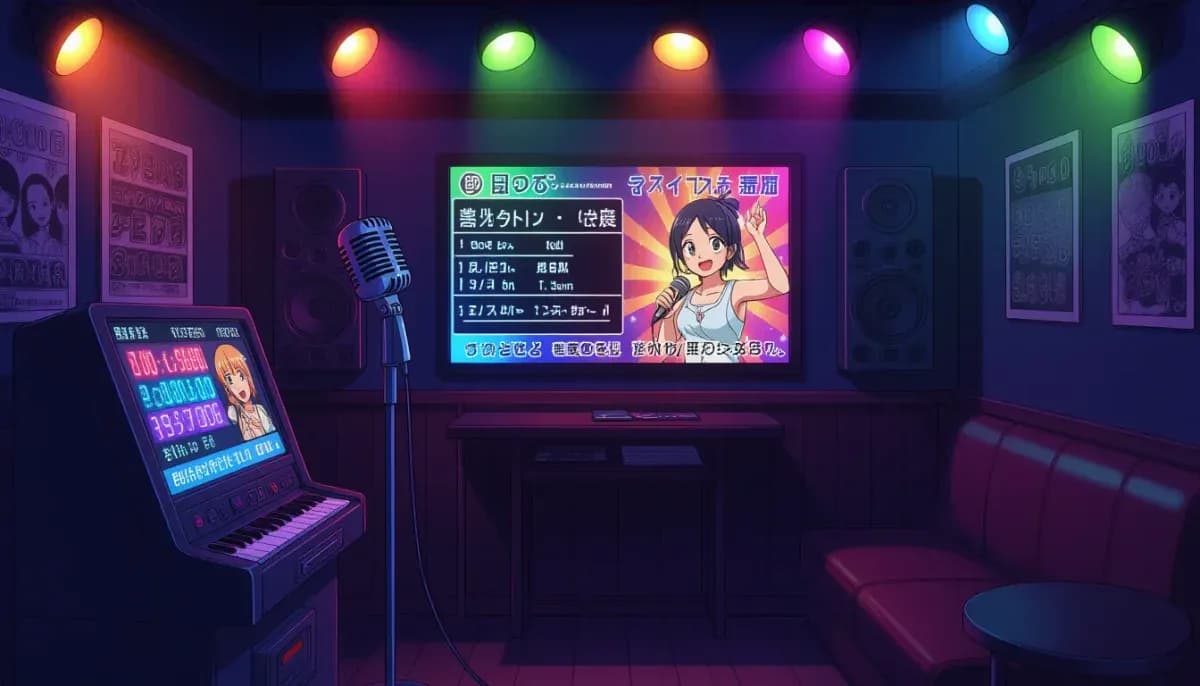
Your complete guide to karaoke in Japan as a foreigner. Learn how private karaoke rooms work, the best chains, pricing, etiquette tips, and how to find English songs.
Karaoke in Japan: The Complete Guide for Foreigners
Karaoke is one of Japan's greatest cultural exports and one of the most fun things you can do as a foreigner living in or visiting Japan. Unlike the Western version where you nervously perform in front of a packed bar, Japanese karaoke is a completely different experience — private rooms, unlimited song choices, food delivery, and hours of singing with friends. Whether you've never done it before or just want to understand the system better, this guide covers everything you need to know about karaoke in Japan.
!Japanese karaoke private room with colorful lighting and microphones

The History of Karaoke in Japan
Karaoke is a Japanese invention that changed the world. The word itself is a combination of "kara" (空, meaning empty) and "oke" (a shortened version of "ōkesutora," or orchestra), translating literally to "empty orchestra."
The first karaoke machine is widely credited to Daisuke Inoue, a Japanese musician from Kobe, who created it around 1971. He built a device that played recordings of songs so that bar patrons could sing along — originally conceived as a way to provide backing music when live musicians weren't available.
Karaoke spread rapidly across Japan throughout the 1970s and early 1980s, initially in bars and nightclubs. A key turning point came in the 1990s when karaoke boxes (private room facilities) became mainstream, transforming karaoke from a public performance activity into an intimate group experience. This format remains the dominant form in Japan today.
By pre-COVID figures, Japan's karaoke industry was worth nearly 1 trillion yen per year, with venue revenue alone exceeding ¥576 billion. Around 30–45% of the Japanese population participates in karaoke at least once per year, including 83% of teenage girls and 63% of teenage boys.
For more context on Japanese entertainment culture and how locals spend their free time, check out resources on Living in Nihon for expat-focused guides to daily life in Japan.
How Japanese Karaoke Works: Private Rooms vs. Bars
The biggest difference between Japanese karaoke and karaoke in most other countries is the private room format. In Japan, you rent a soundproofed (or semi-soundproofed) room for your group and sing among yourselves — no strangers watching, no public stage fright.
Karaoke Boxes (カラオケボックス)
This is the standard format in Japan. You rent a room by the hour or half-hour, per person, and have access to:
- A large touchscreen or tablet for selecting songs
- Two or more microphones
- A monitor or TV screen with song lyrics
- In-room telephone for ordering food and drinks
- Echo and pitch adjustment controls on the remote
Most establishments also offer a nomihoudai (飲み放題) — all-you-can-drink — option bundled with your room fee. You choose your plan at check-in.
Solo Karaoke (一人カラオケ / Hitokara)
Going alone is completely normal in Japan. Many chains have booths or small rooms designed specifically for solo singers. This is especially popular for practice or just unwinding after work. If you're interested in solo activities and social life as a foreigner, see our guide on making friends and building a social life in Japan.
Bar Karaoke
Some bars and izakayas have karaoke available, usually on a communal TV. This is less common in big cities but still found in local neighborhoods. Standards are generally lower and song selections more limited.
The Major Karaoke Chains in Japan
Japan has several large karaoke chains, each with its own strengths. Here's a comparison of the most popular options:
| Chain | Locations | Strengths | English Interface | Food/Drinks |
|---|---|---|---|---|
| Big Echo (ビッグエコー) | 300+ | Foreigner-friendly, multilingual menus | ✅ Yes | ✅ Yes |
| Joysound (ジョイサウンド) | 700+ | Huge song catalog, smartphone linking | ✅ Yes | ✅ Yes |
| Karaoke Manekineko (まねきねこ) | 500+ | Budget-friendly, outside food allowed | ✅ Yes | ✅ Yes |
| Karaoke Kan (カラオケ館) | 200+ | Central locations (Shinjuku, Shibuya) | ✅ Yes | ✅ Yes |
| Pasela Resort (パセラリゾーツ) | 10+ | Upscale experience, honey toast famous | ✅ Yes | ✅ Yes |
Big Echo is one of the most foreigner-friendly options, with multilingual interfaces and menus. Joysound has one of the largest song catalogs in Japan, including a strong English song selection. Karaoke Manekineko is a great budget option — many locations are open 24 hours and allow you to bring in outside food and drinks, which is unusual in Japan.
For social and leisure activities in Japan as an expat or foreign resident, For Work in Japan has useful resources on finding hobby groups and activity communities.
Karaoke Pricing in Japan
Karaoke prices in Japan are calculated per person, per 30-minute block, with rates varying significantly based on the time of day and day of the week.
| Time Period | Typical Rate (per person/30min) |
|---|---|
| Weekday Daytime (Mon–Thu, before 7pm) | ¥146–200 |
| Weekday Evening (Mon–Thu, after 7pm) | ¥400–600 |
| Weekend Daytime (Fri–Sun, before 7pm) | ¥300–400 |
| Weekend Evening (Fri–Sun, after 7pm) | ¥600–900 |
| Midnight/Late Night | Often discounted (flat rate) |
Money-Saving Tips
- Go on weekday afternoons for the cheapest rates
- "Free time" (フリータイム) plans offer unlimited time for a flat fee — great for long sessions
- Student discounts are widely available with a valid student ID
- All-you-can-drink packages can be cost-effective if you plan to stay for several hours
- Join loyalty programs — most chains offer point cards that earn free room time
For a deeper look at managing your budget in Japan, our cost of living guide for foreigners covers entertainment expenses alongside housing, food, and transport.
!Karaoke pricing display and song selection tablet in Japan

How to Use a Karaoke Box: Step-by-Step
The check-in process can feel intimidating the first time, especially if your Japanese is limited. Here's exactly what to expect:
Step 1: Choose Your Chain and Find a Location
Use Google Maps to find a karaoke chain near you. Most are located near major train stations. Reservations are possible but usually not necessary except on Friday and Saturday evenings.
Step 2: Check In at the Front Desk
Go to the reception counter and tell the staff:
- Number of people in your group
- How long you want to stay (or choose "free time")
- Drink plan — whether you want all-you-can-drink or not
You'll fill out a simple form. First-time visitors may be asked to show ID. The staff will assign you a room.
Step 3: Find Your Room
Follow the room number to your private karaoke room. Inside you'll find microphones, a remote control, and a touchscreen or tablet for song selection.
Step 4: Select Your Songs
Use the tablet or remote to search for songs by:
- Artist name (English or romaji supported)
- Song title
- Language (filter by English, Japanese, Korean, Chinese, etc.)
- Genre
You can queue up multiple songs in advance. The system will display lyrics on screen as the song plays — pitch and tempo adjustments are usually available.
Step 5: Order Food and Drinks
Use the in-room telephone to call the front desk and place your order. Staff will bring it to your room within a few minutes. If you're on an all-you-can-drink plan, you can order as many refills as you want within the plan.
Step 6: Pay and Leave
At the end of your session, go to the front desk to pay. Most chains accept cash, credit cards, and IC cards (like Suica). If you want to extend your time, you can usually request this from the room — subject to availability.
English Songs at Japanese Karaoke
As a foreigner, you'll be pleased to know that most major karaoke chains have an extensive English song library. You can typically search the catalog in English and find a wide selection of:
- Western pop and rock (Taylor Swift, Ed Sheeran, The Beatles, Queen, etc.)
- Classic hits (ABBA, Michael Jackson, Elton John)
- Anime openings in English (English dubs of popular anime themes)
- K-pop with English lyrics (BTS, BLACKPINK, etc.)
The song catalog is updated regularly. Joysound in particular is known for its rapidly updated database that includes recent chart hits.
Some chains also support smartphone apps where you can browse and queue songs from your phone, making it even easier to navigate without Japanese language skills.
Karaoke Etiquette in Japan
While karaoke rooms are private and casual, there are some cultural norms worth knowing:
- Take turns — If you're in a group, rotate the microphone. Don't sing song after song without letting others participate.
- Cheer for others — Use the maracas or tambourines provided in the room, clap along, and encourage others when they sing. This is a big part of the fun.
- Don't skip others' songs — Once someone has queued a song, don't delete it from the list without asking.
- Volume awareness — Don't scream or be excessively loud in a way that disturbs adjacent rooms.
- Stay in the room — When it's not your turn, stay in the room and be an active audience member rather than stepping out.
- Respect the equipment — Treat microphones and room furnishings with care.
For a broader understanding of social customs in Japan, our Japanese culture and etiquette guide is an excellent companion resource.
Tips Specifically for Foreigners
If this is your first time doing karaoke in Japan, here are some practical tips:
Language isn't a barrier: The main karaoke systems (especially Joysound and DAM) have English-language interfaces. You don't need to read Japanese to use the machines. Google Translate's camera function can also help with any paper menus.
Bring your IC card: Most chains accept Suica, Pasmo, and other IC cards for payment — convenient if you're not carrying cash.
Try solo karaoke first: If you feel nervous about singing in front of others, visit a solo karaoke booth first. It's a completely normal and popular activity in Japan.
Night rates can be good deals: Some chains offer discounted overnight "free time" packages starting after midnight, running until morning. These are popular with students.
Alcohol isn't mandatory: You can absolutely do karaoke without drinking. Many plans include soft drink options, and you can always decline the all-you-can-drink package.
Learn a few Japanese songs: Even phonetically — it's a huge crowd pleaser and will earn you major points with Japanese friends. Popular foreigner-friendly picks include EXILE songs, SMAP classics, and AKB48.
For more guidance on navigating daily life in Japan as a foreigner, see our comprehensive daily life guide for foreigners in Japan.
Karaoke and Japanese Social Culture
Karaoke plays a surprisingly important role in Japanese social and professional life. It's commonly used as a team-building activity after work dinners (nomikai), and being able to participate enthusiastically — even if you're not a great singer — is considered socially valuable.
For foreigners working in Japanese companies, being invited to karaoke is a sign of inclusion. It's worth participating even if singing isn't your thing — the social bonding aspect is more important than vocal ability.
Karaoke has also been credited with helping Japanese people learn English pronunciation and helping cross-cultural groups communicate and bond across language barriers.
For more on navigating Japanese workplace culture, see Ittenshoku for career and work-life resources in Japan.
For more on Japanese nightlife, bars, and social etiquette for expats, Japan Handbook's nightlife guide is a solid resource. The Japan Guide karaoke overview also provides excellent background information.
Recommended Karaoke Areas in Major Cities
Japan's biggest cities have dedicated karaoke districts with multiple chains clustered together:
- Tokyo: Shinjuku (especially the Kabukicho area), Shibuya, Ikebukuro, Akihabara
- Osaka: Namba, Shinsaibashi, Umeda
- Kyoto: Kawaramachi, near Gion area
- Nagoya: Sakae district
- Fukuoka: Tenjin, Nakasu
In smaller cities and towns, karaoke chains are often located near the main train station or in shopping mall complexes.
Frequently Asked Questions
Do I need to speak Japanese to do karaoke in Japan? No. Major chains support English-language interfaces for song search and machine operation. Staff at popular chains are often accustomed to foreign guests.
Can I do karaoke alone? Yes — solo karaoke (hitokara) is popular and completely normal in Japan. Many venues have booths sized for one person.
Is there a minimum drink order? Some venues require at least one drink order per person. Others simply charge for the room time. Check the policy when you check in.
What if I don't like any of the songs? The catalogs at major chains are enormous — tens of thousands of Japanese and foreign songs. You will almost certainly find something you know. If you want to search for obscure tracks, Joysound's catalog is particularly comprehensive.
Can I bring my own food and drinks? Generally no — most karaoke venues require you to order from their in-house menu. Karaoke Manekineko is a notable exception that allows outside food at many locations.
Karaoke in Japan is one of those experiences that genuinely delights almost everyone who tries it. It's fun, surprisingly affordable if you go at the right time, and a fantastic way to bond with friends, colleagues, and new acquaintances. Don't be shy — grab a microphone and enjoy one of Japan's most beloved pastimes.

Originally from Vietnam, living in Japan for 16+ years. Graduated from Nagoya University, with 11 years of professional experience at Japanese and international companies. Sharing information about living in Japan for foreigners.
View Profile →Related Articles
Best Seasonal Events and Activities in Japan
Discover Japan's best seasonal events and activities throughout the year. From spring cherry blossoms to summer fireworks, autumn leaves, and winter snow festivals — the ultimate guide for foreigners and expats.
Read more →
Art Museums and Gallery Scene in Japan
Discover Japan's best art museums and galleries, from Tokyo's teamLab and Mori Art Museum to Naoshima Island. A complete guide for foreigners with tips, admission prices, and must-see destinations.
Read more →
Book Stores and Libraries in Japan for English Readers
Complete guide to finding English books in Japan—from major bookstore chains like Kinokuniya to public libraries, second-hand shops, and online resources for expats and foreigners.
Read more →
Best Theme Parks and Amusement Parks in Japan
Discover the best theme parks and amusement parks in Japan — from Tokyo Disneyland and Universal Studios Japan to Ghibli Park, Fuji-Q Highland, and hidden gems. Includes ticket prices, tips, and travel advice for foreigners.
Read more →
Spectator Sports and Events in Japan Guide
Your complete guide to spectator sports in Japan — sumo, baseball, J-League soccer and more. Learn how to buy tickets as a foreigner, what to expect at the stadium, and when to go.
Read more →
Popular Japanese Hobbies and Craft Activities
Discover popular Japanese hobbies and craft activities for foreigners in Japan. From traditional arts like ikebana and shodo to martial arts, ceramics, and taiko drumming — your complete guide to joining Japanese hobby culture.
Read more →