
Anime and Manga Culture in Japan Guide for Fans

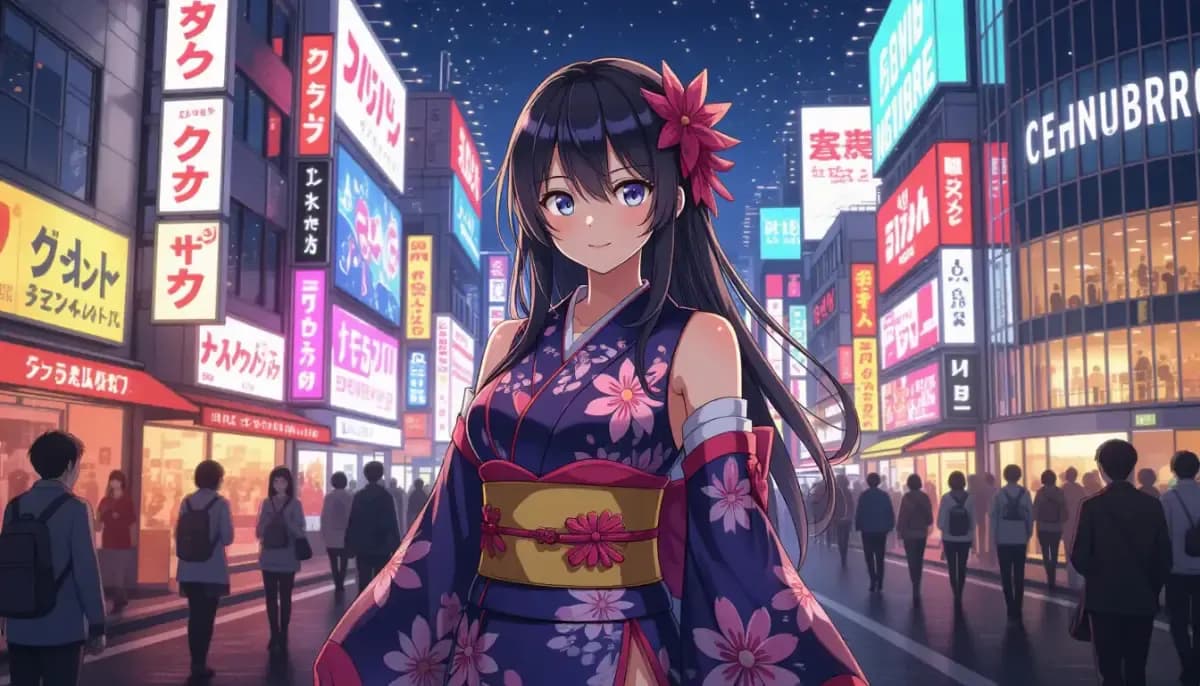
Discover anime and manga culture in Japan as a foreigner or fan. From Akihabara to Comic Market, manga cafés, Studio Ghibli, and anime pilgrimage sites — your complete guide to Japan's otaku world.
Anime and Manga Culture in Japan: The Ultimate Guide for Fans
Japan is the birthplace of anime and manga — two art forms that have captured the hearts of hundreds of millions of fans worldwide. Whether you're a lifelong otaku or a curious newcomer, living in or visiting Japan puts you at the center of this vibrant cultural universe. From the neon-lit streets of Akihabara to iconic studios, world-famous conventions, and dedicated manga cafés, the anime and manga experience in Japan is unlike anything you can find elsewhere.
This guide covers everything fans need to know: the cultural roots of anime and manga, the best places to explore, major events, etiquette tips, and practical advice for making the most of Japan's legendary pop culture scene.
!Akihabara anime manga culture in Japan

Understanding Anime and Manga Culture in Japan
Anime and manga are deeply woven into Japanese daily life. According to a 2019 Nippon Research Center survey, around 33% of people in Japan regularly read manga or watch anime — making it one of the country's most popular leisure activities. These aren't niche hobbies; they're mainstream entertainment enjoyed by people of all ages.
Manga (漫画) refers to Japanese comics, published in dedicated manga magazines or collected volumes called tankobon. Walk into any convenience store, bookstore, or train station kiosk and you'll find shelves packed with manga. It's normal to see salarymen, students, and retirees alike reading manga on the subway.
Anime (アニメ) is animated film and television, much of which is adapted from manga. With 60% of anime based on manga source material, the two forms are deeply intertwined. The anime industry is massive — in 2023, total anime industry revenue reached a record-setting 3.35 trillion Japanese yen, making it one of Japan's most valuable cultural exports.
The manga market is equally impressive, worth more than 700 billion Japanese yen in 2024. Digital manga overtook print sales in 2019, reflecting rapid modernization while keeping traditional artforms alive.
For expats and foreign residents, understanding this culture goes beyond entertainment — it's a way to connect with Japanese colleagues, neighbors, and friends who grew up with these stories.
For broader context on adjusting to everyday Japanese life, see our guide on daily life in Japan for foreigners.
The History and Cultural Roots of Anime and Manga
Modern manga traces its roots to post-World War II Japan. Osamu Tezuka — often called the "God of Manga" — pioneered the medium with works like Astro Boy (Tetsuwan Atom), which premiered on Fuji TV in 1963 as one of Japan's first animated TV series. His cinematic storytelling style, borrowing from Disney animation, shaped the visual language of both manga and anime for decades.
Key milestones in anime and manga history:
- 1952: Astro Boy manga begins serialization by Osamu Tezuka
- 1963: Astro Boy becomes Japan's first weekly animated TV series
- 1969: Doraemon, the beloved time-traveling robot cat, debuts in manga
- 1984: Dragon Ball begins in Weekly Shonen Jump
- 1985: Studio Ghibli is founded by Hayao Miyazaki and Isao Takahata
- 2001: Spirited Away wins the Academy Award for Best Animated Feature
- 2003: Death Note and Fullmetal Alchemist begin serialization
- 2019: Digital manga sales overtake print for the first time
Today, iconic series like One Piece — with over 523 million copies sold worldwide — demonstrate how these stories transcend cultural and language barriers. Understanding this history gives foreigners a deeper appreciation for why anime and manga occupy such a revered place in Japanese culture.
For tips on Japanese culture more broadly, visit our guide on Japanese culture and etiquette for foreigners.
Must-Visit Anime and Manga Destinations in Japan
Japan offers dedicated neighborhoods, stores, museums, and cafés for fans at every level. Here are the essential destinations:
Akihabara (Tokyo) — Electric Town for Otaku
Akihabara is the undisputed capital of otaku culture in Tokyo. The district is packed with multi-story electronics shops, anime merchandise stores, game centers, and maid cafés. Key highlights include:
- Yodobashi-Akiba: Multi-floor megastore with electronics, figures, and games
- Animate Akihabara: Japan's largest anime merchandise chain flagship store
- Mandarake: Used manga, figures, vintage merchandise across multiple stores
- AKB48 Theater: Home of Japan's famous idol group
Nakano Broadway (Tokyo) — Hidden Gem
A short train ride from Shinjuku, Nakano Broadway is a maze-like shopping center filled with vintage anime merchandise, rare figures, and retrogaming shops. It's less touristy than Akihabara, making it a favorite among serious collectors.
Nihonbashi (Osaka) — Kansai's Otaku Hub
Osaka's version of Akihabara, Nihonbashi (also called Den Den Town), stretches along Sakaisuji and Nipponbashi streets. It features merchandise shops, doujinshi stores, cosplay outlets, and maid cafés. The nearby Nipponbashi Street Festa is one of Osaka's biggest cosplay events.
Studio Ghibli Museum (Mitaka, Tokyo)
A must for fans of Hayao Miyazaki's films, the Ghibli Museum in Mitaka features original art, hand-drawn animation cells, themed rooms, and a rooftop garden with the iconic Castle in the Sky robot soldier. Tickets must be purchased in advance (often months ahead) through the official website or authorized agents — walk-up tickets are not available.
teamLab and Immersive Art Spaces
While not strictly anime-focused, Tokyo's teamLab venues offer stunning digital art experiences that feel inspired by anime aesthetics. The teamLab Planets in Toyosu and teamLab Borderless in Azabudai Hills are popular with both locals and visitors.
For shopping tips including where to find anime merchandise deals, check our guide on shopping in Japan for foreigners.
!Studio Ghibli Museum and anime destinations in Japan

Major Anime and Manga Events in Japan
Japan hosts some of the world's largest and most celebrated anime and manga conventions throughout the year:
| Event | Time | Location | What to Expect |
|---|---|---|---|
| AnimeJapan | Late March | Tokyo Big Sight | Industry announcements, stage shows, merchandise |
| Tokyo Anime Awards Festival | Mid-March | Ikebukuro, Tokyo | International anime film screenings |
| Comic Market (Summer) | August | Tokyo Big Sight | 100,000+ daily visitors, doujinshi marketplace |
| Tokyo Game Show | Late September | Makuhari Messe | Gaming, anime tie-ins, cosplay |
| Ikebukuro Halloween Cosplay Fest | Late October | Ikebukuro, Tokyo | Cosplay parade and performances |
| Jump Festa | Late December | Makuhari Messe | Shonen Jump manga/anime showcase |
| Comic Market (Winter) | Late December | Tokyo Big Sight | Year's biggest doujinshi event |
Comic Market (Comiket) deserves special mention. Held twice yearly at Tokyo Big Sight, it attracts over 100,000 visitors per day and features tens of thousands of artist circles selling original (doujinshi) and derivative works. The event has grown increasingly accessible to international visitors in recent years, with English signage and foreign artist circles becoming more common.
AnimeJapan is the premier industry event, where major studios announce new series, theatrical releases, and merchandise lines. Voice actor (seiyuu) appearances and panel discussions are highlights for fans.
For more information on Japanese festivals and cultural events, see our guide on Japanese festivals and traditions.
Manga Cafés and Reading Experiences
One uniquely Japanese experience is the manga café (manga kissa or manga kissaten). These are 24-hour establishments where you can:
- Read from a library of thousands of manga volumes
- Use a computer or gaming console
- Rest in a private booth (some even have flat beds)
- Shower if you've been traveling
Prices typically range from ¥400–¥600 per hour, with flat overnight packages from ¥1,500–¥2,500. Chains like Manboo!, Gera Gera, and Comdot are common throughout Japan.
Manga cafés are particularly popular with budget travelers as an affordable overnight stay option in cities where hotel prices spike. They're also a great way to explore the sheer variety of manga genres — from shonen action to josei romance to horror.
Tips for first-time manga café visitors:
- Bring your passport or residence card for ID
- Drinks (including unlimited soft drinks) are usually included
- Smoking sections exist; request a non-smoking booth
- English manga selections exist but are limited — this is a great language learning opportunity
Anime Pilgrimages (Seichi Junrei) — Visiting Real Locations
A growing trend among anime fans worldwide is seichi junrei (聖地巡礼) — "sacred site pilgrimage" — visiting real-world locations that inspired or appeared in anime series.
Popular pilgrimage destinations include:
- Washinomiya Shrine (Saitama): Setting for Lucky Star, now a major fan destination
- Chichibu (Saitama): Setting for Anohana and Ano Hi Mita Hana
- Kamakura (Kanagawa): Featured in Slam Dunk and many classic anime
- Shirakawa-go (Gifu): Inspired Hinamizawa village in Higurashi
- Ōarai (Ibaraki): Setting for Girls und Panzer
- Ikebukuro (Tokyo): Key location in Durarara!!
These pilgrimages have become significant drivers of rural tourism in Japan. Local governments and tourist boards often embrace the connection, creating stamp rally events and merchandise tied to popular series.
For those exploring Japan by rail, our guide on transportation in Japan covers how to navigate the rail system efficiently for these kinds of day trips.
Understanding Otaku Culture and Etiquette
The term otaku (オタク) originally carried negative connotations in Japan, implying obsessive, socially isolated fans. However, global fan culture has rehabilitated the term, and many Japanese fans now embrace it proudly. That said, context matters — be thoughtful about using the word in Japan.
Oshikatsu (推し活) is a related and very positive concept — the active, enthusiastic support of a favorite character, voice actor, idol, or creator. It involves buying merchandise, attending events, posting online, and generally celebrating your "oshi" (推し, favorite). Oshikatsu culture drives enormous economic activity and fosters tight-knit fan communities both online and offline.
Cultural etiquette tips for anime/manga fans in Japan:
- Don't photograph people in cosplay without permission — always ask first
- Respect quiet zones at conventions and in shops; many otaku prefer minimal intrusion
- Don't open merchandise packages in stores — opened items cannot be returned
- Be mindful of queues at events — Japanese event lines are famously orderly, and cutting is deeply frowned upon
- Comiket has strict rules: No photography of doujinshi contents, respect artist circles' rules on samples
For more on Japanese social customs and respect culture, our guide on making friends and social life in Japan provides useful context.
Learning Japanese Through Anime and Manga
Many expats and foreign residents use anime and manga as a language learning tool — and it works. Manga is excellent for reading practice because panels provide visual context clues for unfamiliar vocabulary. Anime listening practice helps with natural speech patterns, slang, and casual Japanese that textbooks often skip.
Tips for using anime/manga to learn Japanese:
- Start with simpler series (Doraemon, Shirokuma Cafe) before tackling dense narratives
- Use manga with furigana (hiragana above kanji) for beginner reading practice
- Shadow (repeat aloud) anime dialogue to practice pronunciation and intonation
- Apps like Anki combined with manga vocabulary extraction are highly effective
- The Kudan Institute of Japanese Language and Culture offers specialized manga courses for foreigners
Be aware that anime/manga Japanese is often stylized — characters may use archaic samurai speech, extreme slang, or over-the-top expressions that aren't appropriate in daily conversation. Balance entertainment with structured study.
For comprehensive Japanese language learning strategies, see our guide on learning Japanese as a foreigner.
External Resources for Anime and Manga Fans in Japan
- Living in Nihon: Manga, Anime & Otaku Culture Guide — Comprehensive guide to enjoying otaku culture, including Akihabara tips and event recommendations for residents
- For Work in Japan — Practical resources for foreigners building their life in Japan, including cultural adjustment guides
- Ittenshoku IT Career Japan — Resources for foreign professionals in Japan navigating work and lifestyle
- InsideJapan Tours: Manga & Anime Culture — In-depth overview of anime and manga history and culture for international visitors
- MagicalTrip: Tokyo Anime Events Guide — Comprehensive guide to Tokyo anime conventions and events

Originally from Vietnam, living in Japan for 16+ years. Graduated from Nagoya University, with 11 years of professional experience at Japanese and international companies. Sharing information about living in Japan for foreigners.
View Profile →Related Articles
Best Seasonal Events and Activities in Japan
Discover Japan's best seasonal events and activities throughout the year. From spring cherry blossoms to summer fireworks, autumn leaves, and winter snow festivals — the ultimate guide for foreigners and expats.
Read more →
Art Museums and Gallery Scene in Japan
Discover Japan's best art museums and galleries, from Tokyo's teamLab and Mori Art Museum to Naoshima Island. A complete guide for foreigners with tips, admission prices, and must-see destinations.
Read more →
Book Stores and Libraries in Japan for English Readers
Complete guide to finding English books in Japan—from major bookstore chains like Kinokuniya to public libraries, second-hand shops, and online resources for expats and foreigners.
Read more →
Best Theme Parks and Amusement Parks in Japan
Discover the best theme parks and amusement parks in Japan — from Tokyo Disneyland and Universal Studios Japan to Ghibli Park, Fuji-Q Highland, and hidden gems. Includes ticket prices, tips, and travel advice for foreigners.
Read more →
Spectator Sports and Events in Japan Guide
Your complete guide to spectator sports in Japan — sumo, baseball, J-League soccer and more. Learn how to buy tickets as a foreigner, what to expect at the stadium, and when to go.
Read more →
Popular Japanese Hobbies and Craft Activities
Discover popular Japanese hobbies and craft activities for foreigners in Japan. From traditional arts like ikebana and shodo to martial arts, ceramics, and taiko drumming — your complete guide to joining Japanese hobby culture.
Read more →