



Izakaya Guide How to Order and Enjoy Like a Local
Complete izakaya guide for foreigners in Japan: how to order food and drinks, understand etiquette, decode the menu, and enjoy Japan's iconic pub culture like a local.
Read more →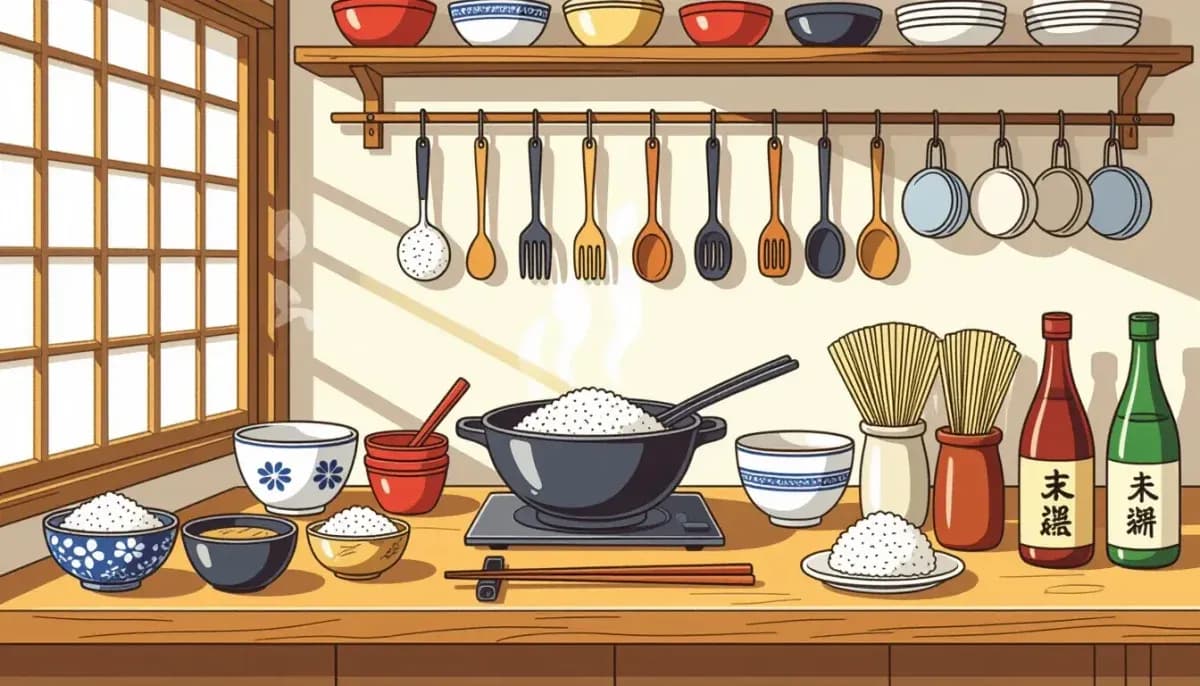
Everything foreigners need to know about Japanese food and cooking: essential ingredients, supermarket tips, beginner recipes, dining etiquette, dietary restrictions, and regional cuisine. Your complete guide to eating and cooking in Japan.
Japan is renowned worldwide for its extraordinary cuisine — from delicate sushi and hearty ramen to elegant kaiseki multi-course dinners. But living in Japan as a foreigner means going beyond just enjoying food at restaurants. It means navigating supermarkets with Japanese-only labels, understanding food culture and etiquette, and perhaps learning to cook Japanese dishes at home. This comprehensive guide covers everything foreigners need to know about Japanese food and cooking, whether you're a newly arrived expat or planning a long-term stay.
!Japanese kitchen with traditional ingredients including miso, soy sauce, and rice
Japanese food culture runs deep — it is not just about taste, but about presentation, seasonality, balance, and respect for ingredients. The concept of mottainai (もったいない) — a feeling of regret at wasting something — is central to Japanese attitudes toward food. Leaving food on your plate is considered rude, as it shows disrespect for the effort that went into preparing it.
Unlike Western cooking, which often relies on complex sauces and heavy spices, Japanese cuisine emphasizes bringing out the natural flavors of ingredients. Minimalism is key — the goal is to enhance, not overpower.
The foundational meal structure in Japanese homes is called Ichiju Sansai (一汁三菜): one soup, three side dishes, and a bowl of rice. This framework naturally creates balanced nutrition, combining protein, vegetables, and carbohydrates in every meal.
Seasonality also plays a huge role. Japanese cooking celebrates shun (旬) — the peak season for each ingredient. You'll notice this in supermarkets where bamboo shoots dominate in spring, fresh corn in summer, matsutake mushrooms in autumn, and winter daikon radish in colder months.
Understanding food etiquette will help you integrate better into Japanese society:
For a deeper dive into Japanese cultural customs, see our guide on Japanese culture and etiquette for foreigners.
The backbone of Japanese cooking lies in a small set of core ingredients. Once you stock these, you'll be able to make the vast majority of traditional Japanese dishes. Mastering the "Sashisuseso" (さしすせそ) — the five fundamental seasonings — is your first step.
| Seasoning | Japanese | Purpose | Typical Price |
|---|---|---|---|
| Sugar (砂糖 satō) | さとう | Simmered dishes, teriyaki | ¥150–300 |
| Salt (塩 shio) | しお | Base seasoning | ¥100–200 |
| Vinegar (酢 su) | す | Pickles, sushi rice | ¥200–400 |
| Soy sauce (醤油 shōyu) | しょうゆ | Universal flavoring | ¥200–500 |
| Miso (味噌) | みそ | Soups, marinades | ¥200–600 |
Beyond the Sashisuseso, you'll also want:
For more information on budgeting for groceries and everyday expenses in Japan, check our cost of living guide.
Japanese supermarkets (スーパー, sūpā) can be overwhelming at first with their Japanese-only labels. Here's what to look for:
Major Supermarket Chains:
Smart Shopping Tips:
!Colorful Japanese supermarket fresh produce section
Japan has over 160,000 convenience stores (コンビニ, konbini) — more per capita than almost anywhere in the world. Major chains include 7-Eleven, FamilyMart, and Lawson. These stores serve hot food, fresh onigiri (rice balls), sandwiches, noodles, and even full bento meals 24 hours a day.
For foreigners new to Japan, konbini are a lifesaver — they're cheap, quick, and the food quality is surprisingly high. Many also carry basic cooking ingredients.
For comprehensive tips on daily life essentials, visit our daily life in Japan guide for foreigners.
The financial incentive alone is compelling. Monthly food costs in Japan range from approximately:
Cooking at home saves significant money while also allowing you to eat healthier and explore Japanese culinary traditions. According to surveys, around 41% of Japanese consumers cook at home almost every day, reflecting the strong home-cooking culture.
Start with these approachable dishes before moving to more complex recipes:
Japanese apartments often have small kitchens. Most come equipped with a gas stove (2 burners in smaller apartments), and some have a built-in fish grill. You may want to purchase:
For more on setting up your home in Japan, visit our housing guide for foreigners.
Japan's dining landscape is incredibly diverse. Here are the main categories:
| Restaurant Type | What It Serves | Typical Cost per Person |
|---|---|---|
| Izakaya (居酒屋) | Japanese pub food, small plates | ¥2,000–5,000 |
| Ramen shop (ラーメン屋) | Noodle soups | ¥800–1,500 |
| Sushi restaurant | Raw fish, nigiri, rolls | ¥1,000–50,000+ |
| Family restaurant (ファミレス) | Western-Japanese fusion | ¥700–1,500 |
| Teishoku restaurant | Set meals with rice and sides | ¥600–1,200 |
| Kaiseki restaurant | Multi-course fine dining | ¥10,000–30,000+ |
| Yakiniku (焼肉) | Korean-style BBQ | ¥2,000–6,000 |
For help navigating Japan's systems and services, our daily life guide covers useful language basics.
Living in Japan with dietary restrictions requires awareness and preparation. Japan's food labeling system requires seven mandatory allergen labels:
Additionally, 20 more ingredients are recommended to be labeled voluntarily.
Japan can be challenging for vegetarians and vegans because dashi (fish broth) is often used as a base even in seemingly vegetarian dishes. However, options exist:
Japan's halal-friendly dining options have expanded significantly:
For comprehensive guidance on living and navigating daily life as a foreigner in Japan, visit Living in Nihon's food culture guide for more practical tips.
Japan's regional cuisines (郷土料理, kyōdo ryōri) are among the world's most diverse. Each prefecture has its own signature dishes:
| Region | Signature Dish | Description |
|---|---|---|
| Hokkaido | Soup curry, crab, dairy | Rich dairy products, fresh seafood |
| Tokyo | Monjayaki, Edomae sushi | Downtown working-class street food |
| Osaka | Takoyaki, okonomiyaki | "Kitchen of Japan" — bold flavors |
| Kyoto | Kaiseki, yudōfu | Refined, seasonal, elegant cuisine |
| Fukuoka | Hakata ramen, mentaiko | Rich tonkotsu pork bone broth |
| Okinawa | Champuru, goya | Unique Ryukyuan flavors, bitter melon |
Exploring regional cuisines is one of the greatest pleasures of living in Japan. When traveling domestically, always seek out local specialties — this is what Japanese call "tabi no hanashi" (旅の話), the stories of travel told through food.
For tips on traveling around Japan, see our transportation guide.
Whether you're looking to improve your cooking skills or navigate Japanese food culture more confidently, these resources are invaluable:
Japanese food culture offers one of the richest culinary experiences in the world. As a foreigner living in Japan, embracing this culture — from cooking ichiju sansai at home to exploring regional specialties during weekend trips — will dramatically enrich your experience.
The key is to approach Japanese food with curiosity and respect. Learn the basics of the five seasonings, shop smart at supermarkets, take advantage of konbini convenience, and don't be afraid to try new ingredients. Before long, you'll find yourself naturally adapting to Japan's food rhythms — eating with the seasons, avoiding waste, and appreciating the simple elegance of a perfectly made bowl of miso soup.
For a complete picture of life in Japan as a foreigner, explore our other comprehensive guides on working in Japan, banking and finance in Japan, and Japanese culture and etiquette.
Complete izakaya guide for foreigners in Japan: how to order food and drinks, understand etiquette, decode the menu, and enjoy Japan's iconic pub culture like a local.
Read more →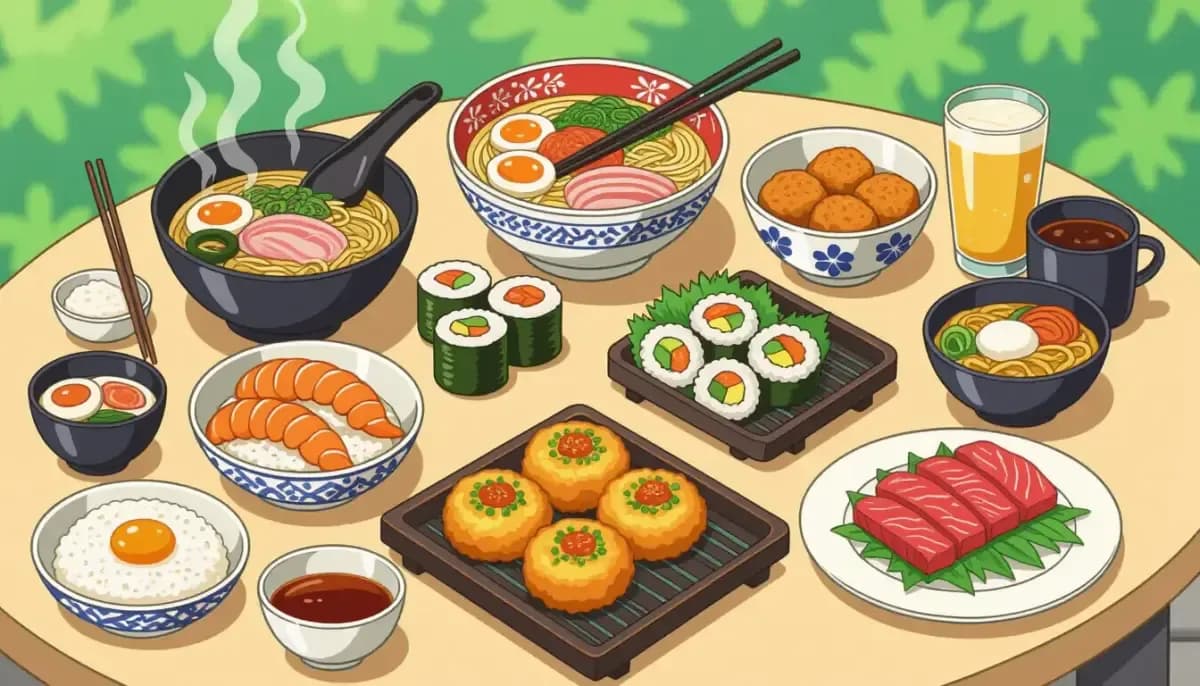
Discover the essential Japanese dishes every foreign resident should try — from ramen and sushi to takoyaki, izakaya staples, and surprising regional specialties across Japan.
Read more →
Find halal food restaurants, grocery stores, and tips for Muslim foreigners living in or visiting Japan. Covers Tokyo, Osaka, Kyoto, food labels, apps, and more.
Read more →
Everything foreigners need to know about Japanese convenience store food (konbini): must-try items, chain comparisons, prices, tips for ordering, and budget meal planning.
Read more →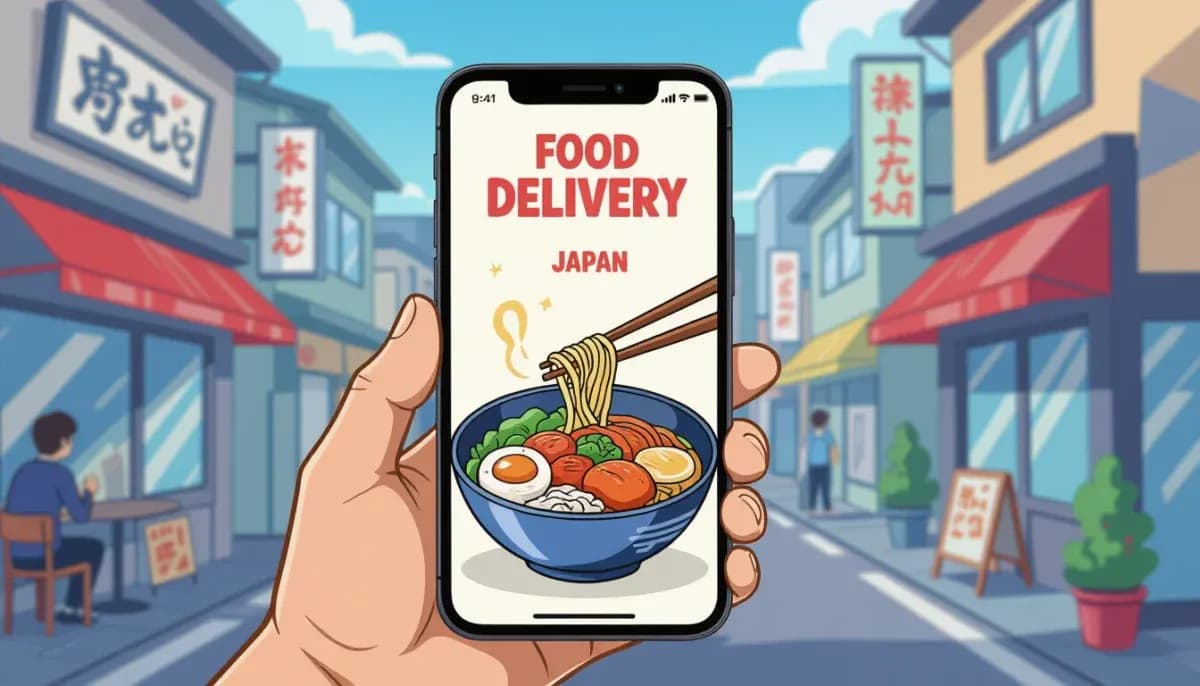
Complete guide to meal delivery services in Japan for expats and foreigners. Compare Uber Eats, Wolt, Demaecan, Menu, and meal kit options with English support, pricing, and tips.
Read more →
Complete guide to Japanese kitchen equipment and tools for foreigners living in Japan. Covers rice cookers, santoku knives, donabe pots, where to buy, and how to build your kitchen step-by-step.
Read more →
Complete guide for foreigners managing food allergies in Japan. Learn essential Japanese phrases, how to read food labels, use allergy cards, and navigate restaurants safely as an expat.
Read more →
Learn to read Japanese food labels with our complete guide. Covers expiration dates, nutrition facts, allergens, ingredient lists, and key kanji terms for foreigners living in Japan.
Read more →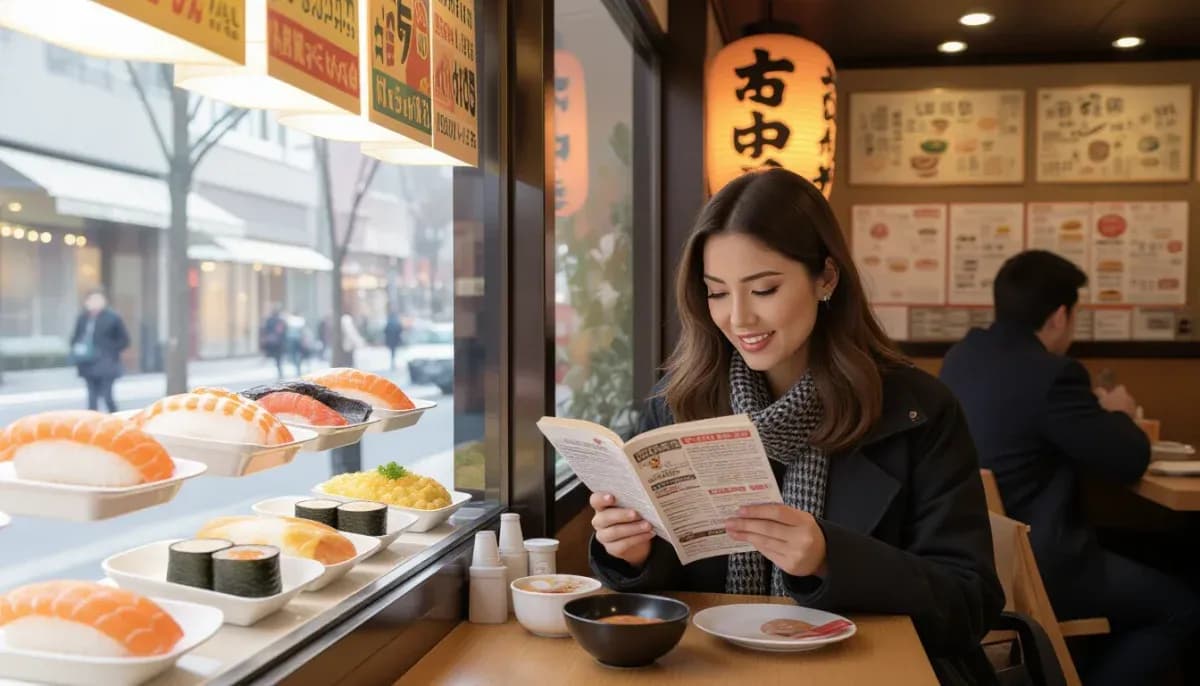
A complete guide to ordering at Japanese restaurants for foreigners—entry etiquette, phrases, menu tips, payment customs, izakaya rules, and vending machine ordering explained.
Read more →
Looking for imported and international food in Japan? This complete guide covers the best stores, online shops, ethnic food districts, and money-saving tips for foreigners living in Japan.
Read more →
Learn how to cook Japanese food at home as a beginner. Discover essential pantry ingredients, kitchen equipment, beginner-friendly recipes, and money-saving tips for foreigners living in Japan.
Read more →
Complete guide to the best supermarkets in Japan for foreigners and expats. Compare AEON, Seiyu, Gyomu Super, Seijo Ishii and more — with tips on shopping, prices, and finding international food.
Read more →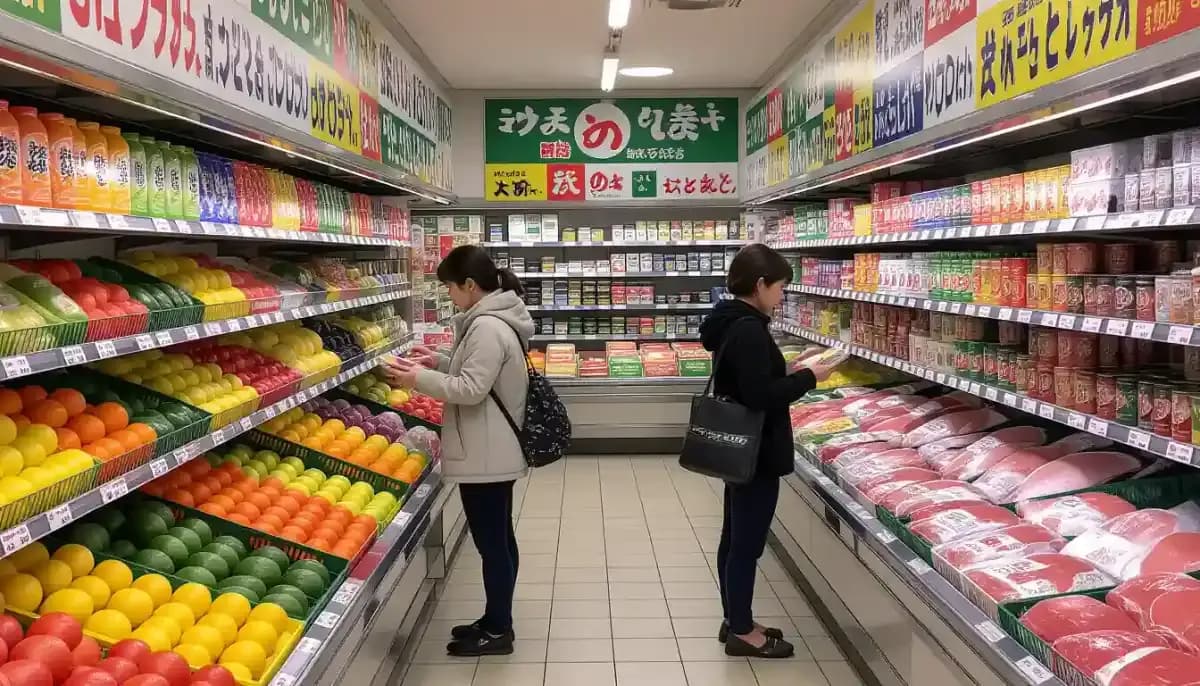
Complete guide to grocery shopping in Japan for foreigners: supermarket chains, reading food labels, money-saving tips, fish grades, checkout etiquette, and building your Japanese pantry.
Read more →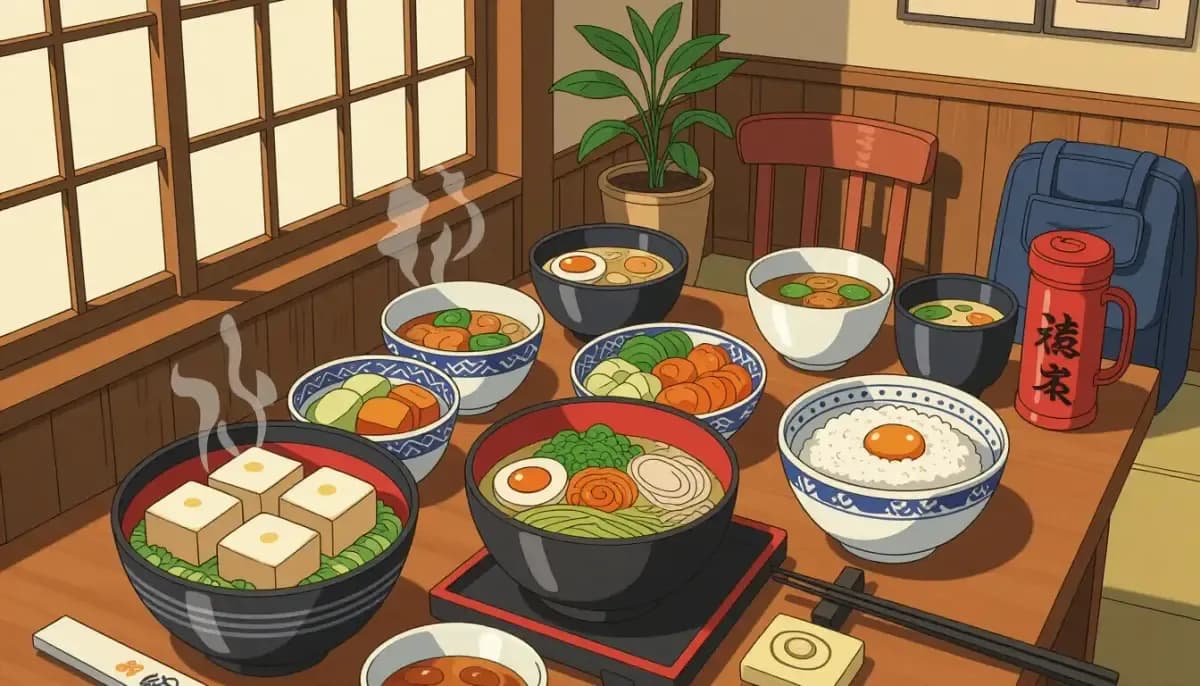
Complete guide to vegetarian and vegan living in Japan for foreigners. Learn to navigate hidden ingredients, find plant-based restaurants, stock your kitchen, and communicate dietary needs in Japanese.
Read more →