
Japanese Restaurant Ordering Guide for Foreigners

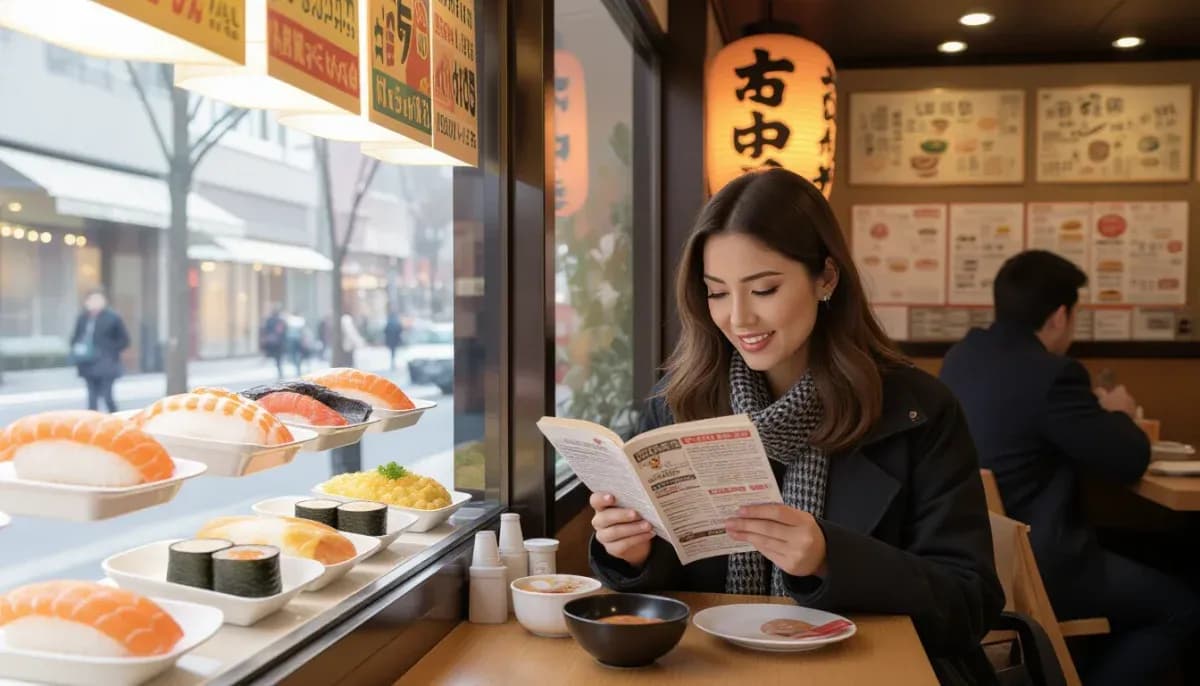
A complete guide to ordering at Japanese restaurants for foreigners—entry etiquette, phrases, menu tips, payment customs, izakaya rules, and vending machine ordering explained.
Japanese Restaurant Ordering Guide for Foreigners
Eating out in Japan is one of the great pleasures of living or traveling in this country—but for newcomers, even a simple lunch can feel intimidating. The staff may not speak English, the menu may be entirely in Japanese, and the etiquette is different from what most foreigners are used to. This guide walks you through every step of the restaurant experience, from walking in the door to paying the bill, so you can dine with confidence.
Japan has an extraordinary restaurant culture. Before the pandemic, the country had over one million operating restaurants—more per capita than almost anywhere else in the world—and more than one billion dinners are served annually in metropolitan areas alone. The sheer variety is staggering: from Michelin-starred temples of kaiseki cuisine to 500-yen ramen shops where you order from a vending machine. Whatever your budget or taste, Japan's dining scene has something for you.
Understanding Japanese Restaurant Types
Before you can order confidently, it helps to know what kind of restaurant you're walking into. Different establishments have different procedures.
| Restaurant Type | Description | Typical Price Range | Ordering Method |
|---|---|---|---|
| Ramen / Soba / Udon shop | Noodle-focused, quick service | ¥600–¥1,500 | Ticket machine or counter |
| Gyudon chain (Yoshinoya, Sukiya) | Beef bowl fast food | ¥400–¥900 | Ticket machine or app |
| Izakaya | Japanese pub with food and drinks | ¥2,000–¥5,000 | Table ordering with staff |
| Sushi restaurant (kaiten) | Conveyor belt sushi | ¥100–¥500 per plate | Grab from belt or tablet |
| Sushi restaurant (counter) | Chef-prepared omakase | ¥5,000–¥30,000+ | Chef's selection |
| Family restaurant (famiresu) | Casual chain (Denny's JP, Gusto) | ¥700–¥1,500 | Tablet or staff |
| Yakiniku | Grilled meat (DIY at table) | ¥2,000–¥6,000 | Table ordering |
| Okonomiyaki | Savory pancake, sometimes DIY | ¥800–¥1,500 | Staff or DIY |
Plastic food displays (called sampuru) outside many restaurants are a huge help for foreigners—you can see exactly what the dishes look like and what they cost before you even enter.
For a deeper dive into Japanese food culture and traditional dishes, check out our guide to Japanese Food and Cooking.
Walking In: Entry Etiquette
When you enter a Japanese restaurant, staff will almost always greet you with "Irasshaimase!" (いらっしゃいませ) — this means "Welcome!" You don't need to respond; just smile and acknowledge them.
The host or staff member will then ask how many people are in your party. The easiest response:
- 1 person: "Hitori desu" (一人です)
- 2 people: "Futari desu" (二人です)
- 3 people: "Sannin desu" (三人です)
- 4 people: "Yonin desu" (四人です)
You may also be asked "Kinen desu ka?" (禁煙ですか?)—"Non-smoking?" Say "Hai" (yes) for non-smoking, or "Kitsuen" (喫煙) if you want a smoking section (less common now).
Traditional seating: Some restaurants—particularly those serving Japanese cuisine—have tatami mat seating where you sit on cushions on the floor. Remove your shoes before stepping onto the tatami. Slippers are usually provided for trips to the bathroom.
Once seated, you'll typically receive:
- A glass of water or cold/hot tea (free of charge)
- An oshibori — a small damp towel for cleaning your hands. Use it on your hands only, not your face or the table.
Decoding the Menu and How to Order
This is where many foreigners feel stuck. Here's how to navigate it:
Option 1: Use the picture menu. Many restaurants—especially family restaurants and chains—have photo menus or digital tablet menus in English or with pictures. Tap or point at what you want.
Option 2: Point to the plastic display. If the restaurant has sampuru (plastic food models) outside, remember what caught your eye and point to the corresponding item on the menu or say "Soto no are" (それ, the one outside).
Option 3: Ask for recommendations. Say "Osusume wa nan desu ka?" (おすすめは何ですか?) — "What do you recommend?" Staff will usually point to popular items.
Option 4: Omakase. At higher-end restaurants, especially sushi counters, you can say "Omakase de onegaishimasu" (おまかせでお願いします) — "I'll leave it to the chef." This means you trust the chef to choose for you.
Getting Staff Attention
Unlike in Western restaurants, there is no assigned "server" in most Japanese restaurants. You call staff over when you're ready. The standard way:
- Say "Sumimasen!" (すみません) — "Excuse me!" — loudly enough to be heard, while raising your hand slightly.
- Or press the call button at the table if one is available (very common in izakayas and family restaurants since the pandemic).
Placing Your Order
Once you have staff attention:
- Point to the menu item and say: "Kore o kudasai" (これをください) — "This one, please."
- For multiples: "[Dish name] o futatsu kudasai" — "Two [dish name], please."
- When you've finished ordering: "Ijou desu" (以上です) — "That's all."
For drinks: "O-mizu kudasai" (お水ください) — "Water, please." Water is free and always available.
For more general dining and lifestyle tips, explore our guide to Daily Life in Japan for Foreigners.
Essential Japanese Phrases for Dining Out
Knowing a handful of phrases will make your restaurant experience dramatically smoother. Here are the most important ones:
| Situation | Japanese | Romaji | Meaning |
|---|---|---|---|
| Calling staff | すみません | Sumimasen | Excuse me |
| How many people | ふたりです | Futari desu | Two people |
| Ordering | これをください | Kore o kudasai | This one, please |
| Recommendation | おすすめは? | Osusume wa? | What's recommended? |
| That's all | 以上です | Ijou desu | That's all |
| Water please | お水ください | O-mizu kudasai | Water, please |
| Bill please | お会計お願いします | O-kaikei onegai shimasu | Check, please |
| Thank you for meal | ごちそうさまでした | Gochisousama deshita | Thank you for the meal |
| Where's the bathroom | お手洗いはどこですか | O-tearai wa doko desu ka | Where is the bathroom? |
| Allergy | アレルギーがあります | Arerugii ga arimasu | I have an allergy |
For more language learning resources to help you navigate daily life in Japan, see our Complete Guide to Learning Japanese.
Paying the Bill: How It Works in Japan
Payment customs in Japan differ significantly from many Western countries.
Where to pay: In most Japanese restaurants, you do NOT pay at the table. When you're ready to leave, pick up your bill (which is usually placed on the table face-down during the meal) and bring it to the cashier near the exit. This is standard practice.
How to ask for the bill: Say "O-kaikei onegai shimasu" (お会計お願いします) or simply say "Okaikei." The staff will bring the total to the table or direct you to the register.
Splitting the bill: If dining with others, you can either pay as a group ("Issho de onegaishimasu" — together, please) or split it ("Betsu betsu de onegaishimasu" — separately, please). Note that splitting is not always possible at busy restaurants, so it's easier to handle it among yourselves.
Tipping: Do NOT tip in Japan. It is not part of the culture and can actually be seen as rude or confusing. Instead, show your appreciation by saying "Gochisousama deshita" (ごちそうさまでした) as you leave—this is the polite phrase meaning "thank you for the meal" and is always appreciated.
Payment methods:
- Cash is king at many smaller and traditional restaurants
- IC cards (Suica, Pasmo) are accepted at some chain restaurants
- Credit cards are increasingly accepted, but always check before ordering at smaller spots
- Average meal cost: ¥1,000–¥3,000 for most sit-down restaurants; ramen ¥800–¥1,500; beef bowls under ¥1,000
For more on managing money in Japan, see our Banking and Finance Guide for Foreigners.
Special Situations: Vending Machines, Izakayas, and Dietary Needs
Ticket Vending Machines (Shokken-ki)
Many ramen shops, gyudon chains, and some soba restaurants use a ticket vending machine at the entrance. Here's the process:
- Look at the buttons (many now have photos or English)
- Insert coins or bills
- Press the button for your chosen item
- Take the ticket(s) that print out
- Hand the ticket to the staff when you sit down (or at the counter)
This system is actually very foreigner-friendly once you understand it—no need to speak Japanese at all.
Izakaya Dining
Izakayas are Japanese pubs that serve food alongside drinks—great for groups and socializing. Be aware:
- Otooshi (お通し): When you sit down, you'll receive a small appetizer dish automatically. This is not free—it's essentially a table/cover charge of ¥300–¥600 per person. You cannot refuse it.
- Orders are placed throughout the evening (not all at once)
- Most izakayas have all-you-can-drink (飲み放題, nomihoudai) courses—great value if you plan to drink
- Many have time limits (typically 2–3 hours)
Dietary Restrictions
Japan can be challenging for vegetarians and vegans, as fish stock (dashi) is used in many dishes that appear vegetarian. Being clear about allergies is important:
- Carry an allergen card in Japanese listing your restrictions (widely available online)
- Say: "[Food] arerugii ga arimasu" — "I have a [food] allergy"
- Tokyo, Osaka, and Kyoto have the most vegan/vegetarian-friendly options
For more on navigating Japanese culture and social situations, see our Japanese Culture and Etiquette Guide.
Making Reservations and Finding Restaurants
For popular or high-end restaurants, reservations are strongly recommended—and sometimes required.
Useful reservation and discovery platforms:
- Tabelog (tabelog.com) — Japan's most popular restaurant review site, with some English
- Gurunavi — English-friendly restaurant search and reservation tool
- Hot Pepper Gourmet — Popular for casual and izakaya dining with coupons
- Google Maps — Works well in Japan; reviews often include English comments
For more tips on navigating Japanese dining culture and food traditions, Living in Nihon's Japanese food culture guide is an excellent resource.
If you're interested in working in Japan's food service industry, For Work in Japan's hospitality guide covers the industry from an employment perspective.
For career resources and practical Japan life guides, Ittenshoku provides useful tools for foreigners building their lives in Japan.
For detailed restaurant recommendations and practical food guides in English, check out Japan Guide's dining section and Matcha's dining out guide.
Quick Reference: Your Complete Japanese Restaurant Cheat Sheet
Here's everything you need in one place for your next restaurant visit:
| Step | What to Do | Useful Phrase |
|---|---|---|
| 1. Enter | Smile when greeted with "Irasshaimase" | — |
| 2. Party size | Hold up fingers or say number + "desu" | "Futari desu" (2 people) |
| 3. Seating | Follow staff; remove shoes for tatami | — |
| 4. Receiving towel | Use oshibori on hands only | — |
| 5. Studying menu | Use photos, plastic displays, or point | "Osusume wa?" |
| 6. Calling staff | Raise hand and speak up | "Sumimasen!" |
| 7. Ordering | Point and confirm | "Kore o kudasai" |
| 8. Finishing order | Signal you're done | "Ijou desu" |
| 9. During meal | Enjoy; say "itadakimasu" before eating | "Itadakimasu" |
| 10. Paying | Take bill to register at exit | "O-kaikei onegai shimasu" |
| 11. Leaving | Thank staff | "Gochisousama deshita" |
Dining in Japan doesn't require fluency in Japanese or deep knowledge of local customs—most restaurant staff are accustomed to foreign guests and are patient and helpful. With these basics in hand, you're ready to explore one of the world's most exciting food cultures. Enjoy your meal!

Originally from Vietnam, living in Japan for 16+ years. Graduated from Nagoya University, with 11 years of professional experience at Japanese and international companies. Sharing information about living in Japan for foreigners.
View Profile →Related Articles
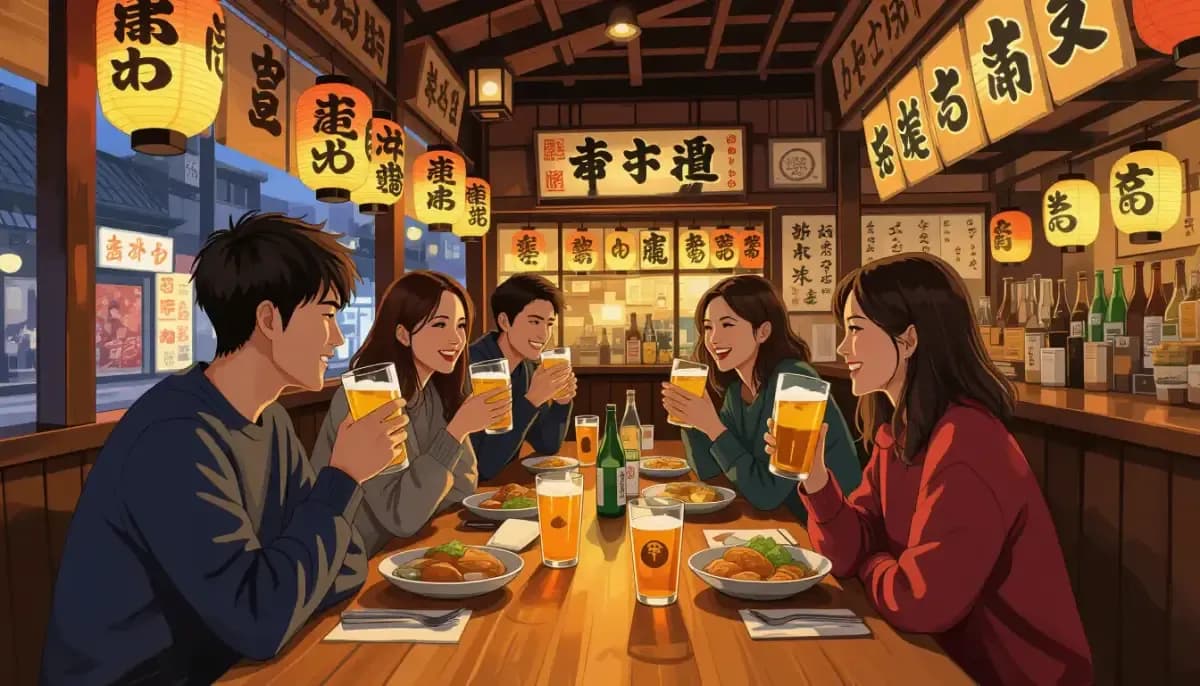
Izakaya Guide How to Order and Enjoy Like a Local
Complete izakaya guide for foreigners in Japan: how to order food and drinks, understand etiquette, decode the menu, and enjoy Japan's iconic pub culture like a local.
Read more →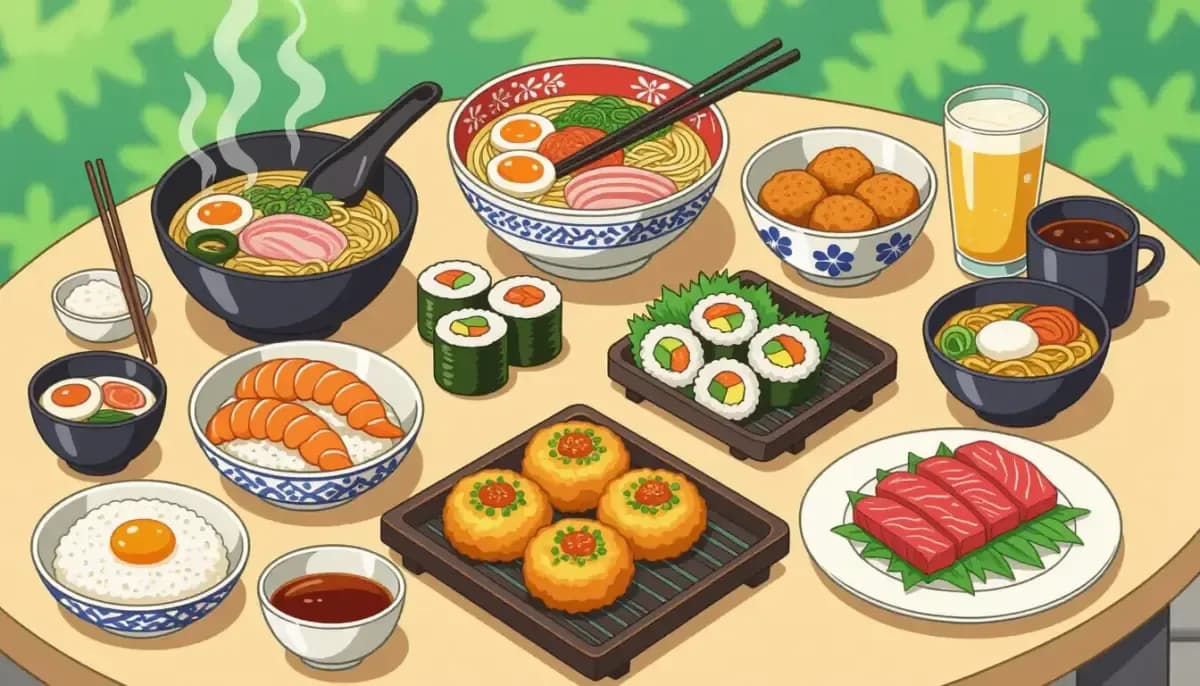
Must Try Japanese Dishes for Every Foreign Resident
Discover the essential Japanese dishes every foreign resident should try — from ramen and sushi to takoyaki, izakaya staples, and surprising regional specialties across Japan.
Read more →
Halal Food Options and Restaurants in Japan
Find halal food restaurants, grocery stores, and tips for Muslim foreigners living in or visiting Japan. Covers Tokyo, Osaka, Kyoto, food labels, apps, and more.
Read more →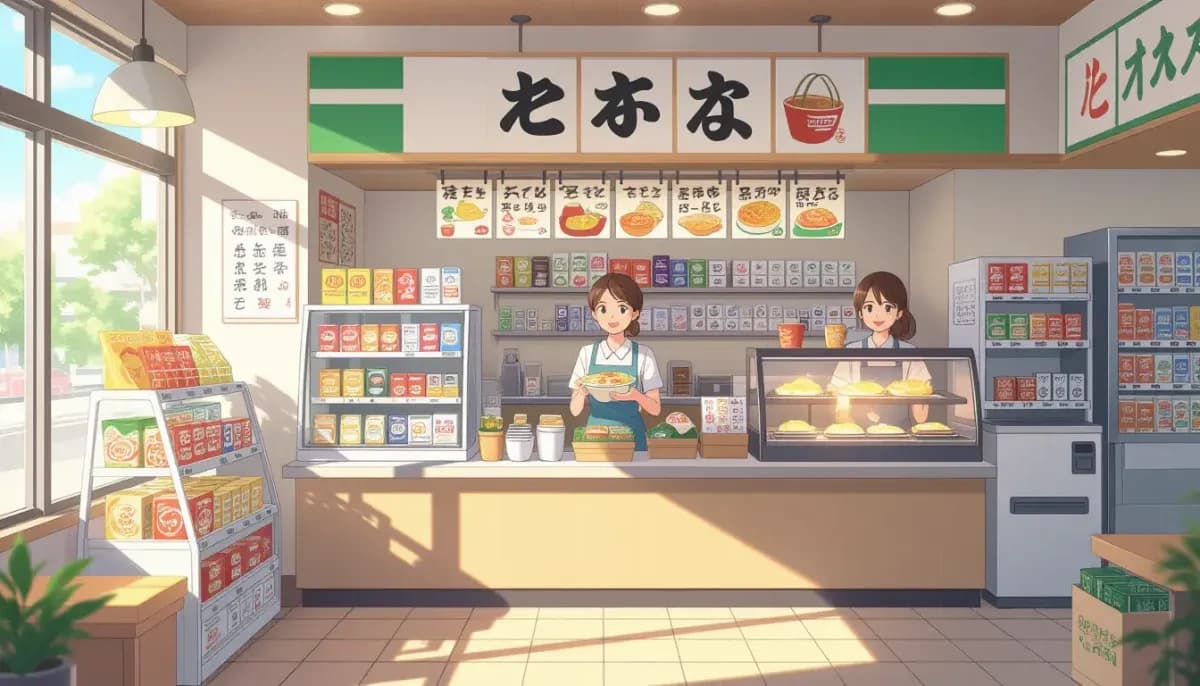
Japanese Convenience Store Food Complete Guide
Everything foreigners need to know about Japanese convenience store food (konbini): must-try items, chain comparisons, prices, tips for ordering, and budget meal planning.
Read more →
Best Meal Delivery Services Available in Japan
Complete guide to meal delivery services in Japan for expats and foreigners. Compare Uber Eats, Wolt, Demaecan, Menu, and meal kit options with English support, pricing, and tips.
Read more →
Essential Japanese Kitchen Equipment and Tools
Complete guide to Japanese kitchen equipment and tools for foreigners living in Japan. Covers rice cookers, santoku knives, donabe pots, where to buy, and how to build your kitchen step-by-step.
Read more →