
Japanese Grocery Shopping Guide for Foreign Residents

Complete guide to grocery shopping in Japan for foreigners: supermarket chains, reading food labels, money-saving tips, fish grades, checkout etiquette, and building your Japanese pantry.
Japanese Grocery Shopping Guide for Foreign Residents
Moving to Japan means discovering an entirely new world of food shopping. Japanese supermarkets (スーパー, suupaa) are well-organized, clean, and packed with high-quality products — but navigating them as a foreigner can feel overwhelming at first. From decoding food labels in Japanese to understanding which fish is safe to eat raw, this guide covers everything you need to shop confidently and save money at Japanese supermarkets.
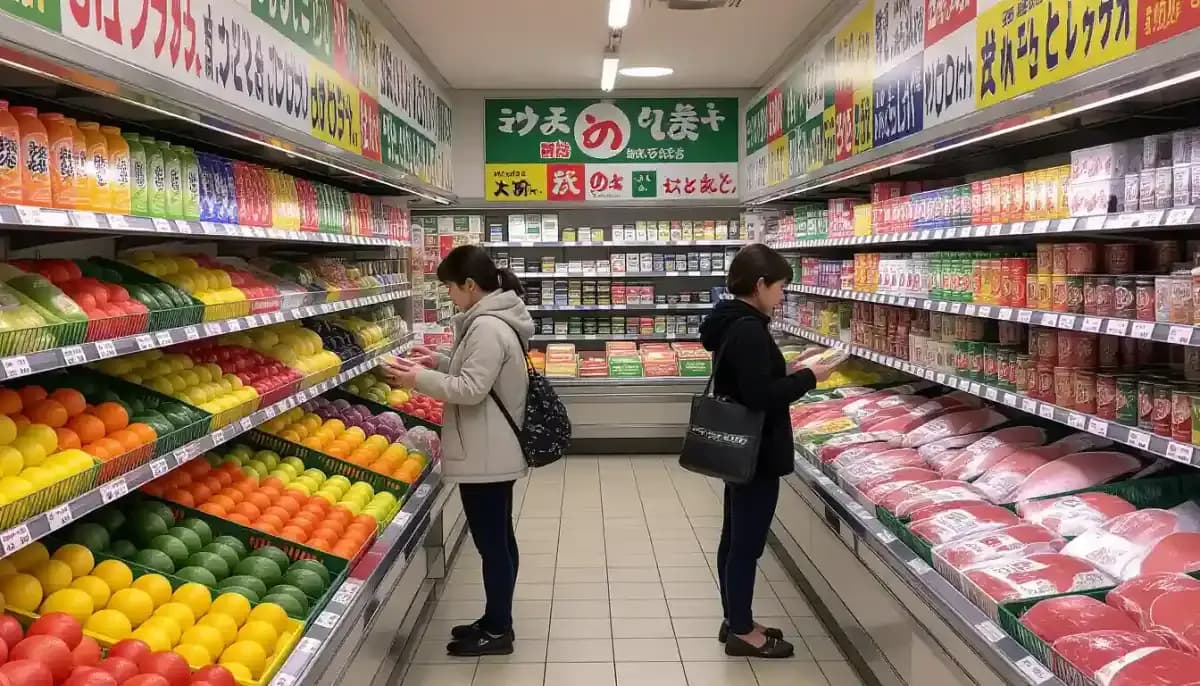
!Japanese supermarket produce section with colorful fresh vegetables

Major Supermarket Chains in Japan
Japan has dozens of supermarket chains operating nationwide and regionally. Knowing the differences helps you choose the right store for your needs and budget.
| Chain | Best For | Price Level | Notes |
|---|---|---|---|
| Aeon / MaxValu | All-purpose shopping | Mid-range | National coverage; private "Top Value" brand |
| Seiyu | Budget & convenience | Budget | Many 24-hour locations |
| Life | Urban residents | Mid-range | Good selection in city areas |
| Gyomu Super | Bulk buying | Very cheap | Large packages, ideal for cooking at home |
| OK Store | Daily bargains | Very cheap | Consistently low everyday prices |
| Don Quijote (Donki) | Late-night shopping | Varies | Open 24hrs; extensive food section |
| Seijo Ishii | Imported/gourmet foods | Premium | International products, wines, cheeses |
| National Azabu | Expat essentials | Premium | Gold standard for foreign products |
Gyomu Super and OK Store are the go-to choices for foreigners cooking on a budget. For imported Western products — from pasta sauces to European cheeses — Seijo Ishii and Kaldi Coffee Farm (found in malls nationwide) are expat favorites. Aeon stands out for its multilingual signage (in up to 10 languages) and ATMs that accept foreign cards.
For a broader look at your daily living costs, check out our guide to the cost of living in Japan.
How to Read Japanese Food Labels
Japanese food labels can be intimidating, but once you know the key terms, shopping becomes much easier. Here are the most important ones:
Dates and Freshness
- 賞味期限 (shoumikigen) — Best-by date: The product is at peak quality until this date but is often still safe to eat after.
- 消費期限 (shouhikigen) — Use-by date: A safety deadline. Do NOT eat after this date, especially for meat, fish, and prepared foods.
Ingredients and Allergens
- 原材料名 (genzairyoumei) — Ingredients list
- Japan mandates labeling for 7 major allergens: eggs (卵), dairy (乳), wheat (小麦), shrimp (えび), crab (かに), buckwheat (そば), and peanuts (落花生)
- オーガニック or 有機 (yuuki) — Organic; look for the JAS認定 (JAS certified) green leaf logo
Origin and Grade
- 産地 (sandi) — Place of origin. All products display the prefecture where they were grown or produced.
- 国産 (kokusan) — Domestically produced in Japan
- 刺身用 (sashimi-yo) — Sashimi grade: safe to eat raw
- 生 (nama) — Fresh, never frozen
- 解凍 (kaitou) — Previously frozen (defrosted)
For more tips on navigating Japanese language in daily life, see our guide to learning Japanese as a foreigner.
Shopping for Fresh Food: Produce, Fish, and Meat
Vegetables and Fruit
Most produce in Japan is pre-packaged with a fixed price (not sold loose by weight as in some countries). Japanese produce is typically grown domestically, which means:
- Freshness and quality are consistently high
- Seasonal availability is strictly observed — you'll only find certain items during their natural season
- Prices can be higher than in your home country, especially for fruit
Look for the prefecture of origin label on all fresh produce. This helps you know where your food comes from and is especially relevant if you have concerns about specific regions.
Fish and Seafood
Japan has a sophisticated fish-grading system that's essential to understand:
- 刺身用 (sashimi-yo) — Highest grade, safe for raw consumption
- 生 (nama) — Fresh fish, never frozen; must still be cooked unless labeled sashimi-yo
- 解凍 (kaitou) — Previously frozen; always cook before eating
Fish sections are usually the most extensive part of any Japanese supermarket, with whole fish, fillets, and prepared sashimi. The variety can be astonishing. If you're unsure about a product, the staff (though often English-limited) can usually help with gestures.
Meat
Beef (牛肉 gyu niku), pork (豚肉 buta niku), and chicken (鶏肉 tori niku) are available everywhere. Some supermarkets also carry New Zealand lamb (ラム ramu). Key things to know:
- Portions are typically smaller than in Western countries
- Japanese beef (especially Wagyu, 和牛) is significantly more expensive but of exceptional quality
- Look for 特売 (tokubai) stickers for special discounted items
For cooking ideas using Japanese ingredients, visit our Japanese food and cooking guide.
Money-Saving Strategies at Japanese Supermarkets
One of the best things about living in Japan is the variety of ways to save money on groceries. Here's how to shop smart:
Evening Discount Stickers
Japanese supermarkets reduce prices on perishable items — prepared foods, meat, fish, and bread — typically 1–3 hours before closing time. Look for these discount indicators:
- 半額 (hangaku) — 50% off
- 〇〇円引き — X yen off (e.g., 100円引き = 100 yen discount)
- 見切り品 (mikiri-hin) — Clearance/markdowns
Shopping in the late afternoon or evening can dramatically reduce your grocery bill.
Point Cards and Loyalty Programs
Almost every major supermarket chain offers a loyalty point card. These points accumulate and can be redeemed for discounts. The major systems include:
- WAON Points — Aeon group stores
- Rakuten Points — Seiyu and many online stores
- dPoint — Docomo-affiliated stores
- T-Point — Various participating chains
Signing up is usually free and requires minimal Japanese. Bring your point card to every shop.
Budget Planning
According to household spending data, the average Japanese single-person household spends approximately ¥27,700 per month on groceries when cooking at home, while a household of three averages ¥58,592 per month. Compared to eating out entirely (which can cost ¥60,000–¥100,000 per month for a single person), cooking at home offers enormous savings.
A weekly budget of ¥6,000–¥7,000 typically covers:
- Protein (meat/fish/tofu): ¥2,500
- Vegetables and fruit: ¥1,500
- Grains (rice, noodles, bread): ¥1,000
- Dairy and other items: ¥1,000
See our complete cost of living guide for detailed monthly budget breakdowns by city.
!Japanese supermarket discount stickers on evening sale items

Japanese Supermarket Etiquette and Checkout Process
Shopping in Japan comes with its own set of unwritten rules. Following them will make your experience smoother and avoid awkward moments.
At the Checkout
- Place items on the belt — Standard practice, same as most countries
- Cashier scans and places items in a basket — They will NOT bag your groceries
- Pay at the register — Cash, credit card, or IC card (Suica, Pasmo, etc.) are widely accepted
- Take your basket to the bagging station — A separate counter near the exit where you bag your own items
- Small plastic bags are available free at the bagging station to wrap raw meat, fish, or wet items
Bringing Your Own Bag
Since Japan introduced a mandatory plastic bag fee in 2020, most shoppers bring reusable bags. If you don't need a bag, say: 「袋はけっこうです」 (fukuro wa kekko desu) — "I don't need a bag."
Useful Phrases for Supermarket Shopping
- 「〇〇はありますか?」 (〇〇 wa arimasu ka?) — Do you have 〇〇?
- 「カードで大丈夫ですか?」 (kaado de daijoubu desu ka?) — Can I pay by card?
- 「いくらですか?」 (ikura desu ka?) — How much is this?
- 「これはなんですか?」 (kore wa nan desu ka?) — What is this?
For more tips on Japanese etiquette in daily situations, see our guide to Japanese culture and etiquette.
Building Your Japanese Pantry: Essential Ingredients
Starting your Japanese kitchen from scratch? Here are the foundational ingredients — the five seasonings known as さしすせそ (sa-shi-su-se-so):
| Kanji | Reading | Meaning | Approximate Price |
|---|---|---|---|
| 砂糖 | satou | Sugar | ¥200–350 |
| 塩 | shio | Salt | ¥100–200 |
| 酢 | su | Vinegar | ¥200–400 |
| 醤油 | shouyu | Soy sauce | ¥200–500 |
| 味噌 | miso | Miso paste | ¥300–600 |
Beyond these basics, stock up on:
- みりん (mirin) — Sweet rice wine for cooking
- だし (dashi) — Japanese soup stock (instant granules are fine for beginners)
- ごま油 (goma abura) — Sesame oil
- 片栗粉 (katakuriko) — Potato starch (used like cornstarch)
- 酒 (sake) — Cooking sake
Most of these pantry staples cost ¥150–600 each and will last for months, making home cooking very economical.
Finding International and Halal Foods
Japan has become increasingly accommodating to international residents, with more options for specific dietary needs.
International Supermarkets
- Kaldi Coffee Farm — Import chain found in malls nationwide; carries European goods, Latin American products, Southeast Asian staples
- Seijo Ishii — Upscale imports, particularly European
- National Azabu / Hiroo — Premium expat store in Tokyo
- Costco — Available in suburban areas; membership required; great for bulk Western goods
Halal Options
Halal-certified products are increasingly available at specialty stores in major cities. Look for the ハラール (hararu) label. Several international supermarkets stock halal meat, and dedicated halal stores exist in areas with large Muslim populations (such as Tokyo's Shin-Okubo district).
Finding Familiar Products
If you're missing ingredients from home, try:
- Large Aeon malls (international food sections)
- Amazon Japan for imported pantry staples
- Don Quijote for surprising variety of international snacks
For comprehensive daily life guidance, Living in Nihon offers excellent resources at livinginnihon.com, including detailed food culture and self-catering guides.
Online Grocery Shopping and Delivery
Japan has excellent grocery delivery services — a huge convenience for foreigners who may struggle with heavy rice bags or large orders:
Major Delivery Services
- Aeon Online (イオンネットスーパー) — Wide selection, reliable delivery
- Oisix — Premium organic and seasonal produce subscription service
- Amazon Fresh — Available in major urban areas; fast delivery
- Co-op (生協) — Weekly delivery service; community cooperative model
Delivery fees are typically ¥300–600 per order, but free delivery thresholds or subscriptions make regular delivery economical. This is especially useful for heavy staples like rice (お米), cooking oil, and beverages.
For more practical guidance on daily living logistics in Japan, check out the helpful resources at For Work in Japan and Ittenshoku.
Additional useful references:
- Tokyo Cheapo's Grocery Shopping Guide — Essential Japanese grocery vocabulary
- E-Housing's Supermarket Guide 2025 — Comprehensive Tokyo supermarket breakdown
Summary: Your Japanese Grocery Shopping Checklist
Getting comfortable with Japanese supermarkets takes a few visits, but you'll quickly find a routine that works for you. Here's a quick reference:
- Download your store's app or sign up for their point card on your first visit
- Go in the evening (7–9pm) to catch discount stickers on perishables
- Learn the key date labels: 賞味期限 (best-by) and 消費期限 (use-by)
- Check fish grades: only eat raw fish labeled 刺身用 (sashimi-yo)
- Bring a reusable bag and budget ¥27,000–¥35,000/month for single-person groceries
- Explore Gyomu Super or OK Store for the best everyday prices
For related topics, read our complete guide to daily life in Japan for foreigners and our guide to shopping in Japan.

Originally from Vietnam, living in Japan for 16+ years. Graduated from Nagoya University, with 11 years of professional experience at Japanese and international companies. Sharing information about living in Japan for foreigners.
View Profile →Related Articles

Izakaya Guide How to Order and Enjoy Like a Local
Complete izakaya guide for foreigners in Japan: how to order food and drinks, understand etiquette, decode the menu, and enjoy Japan's iconic pub culture like a local.
Read more →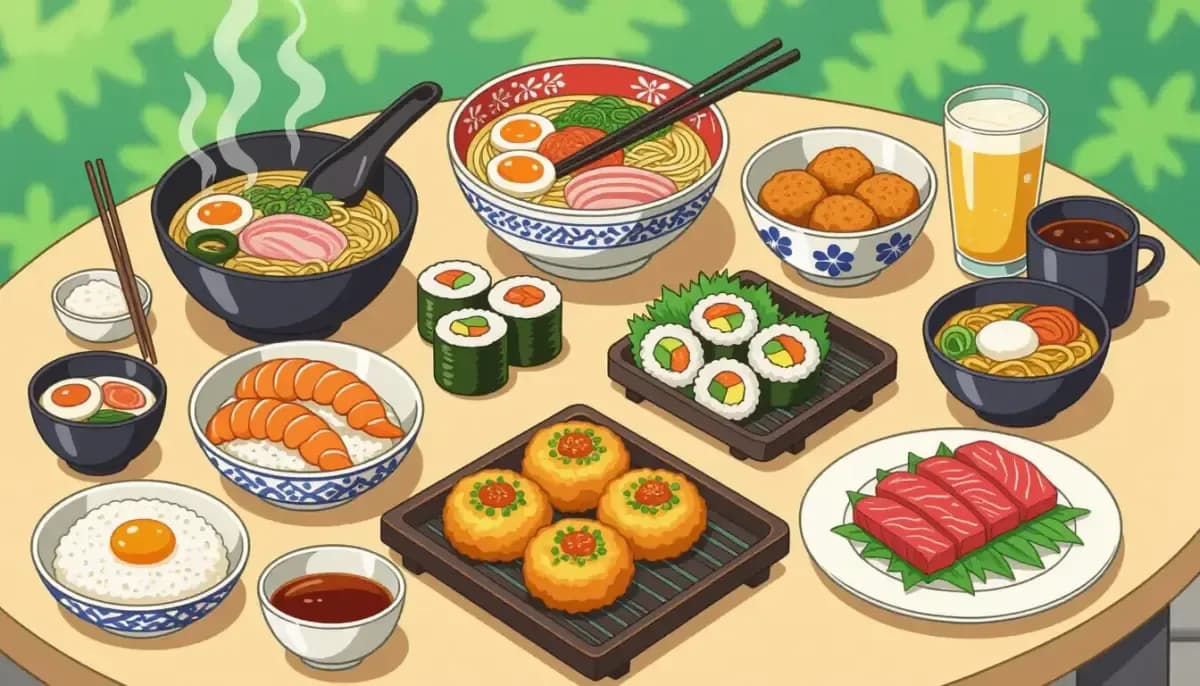
Must Try Japanese Dishes for Every Foreign Resident
Discover the essential Japanese dishes every foreign resident should try — from ramen and sushi to takoyaki, izakaya staples, and surprising regional specialties across Japan.
Read more →
Halal Food Options and Restaurants in Japan
Find halal food restaurants, grocery stores, and tips for Muslim foreigners living in or visiting Japan. Covers Tokyo, Osaka, Kyoto, food labels, apps, and more.
Read more →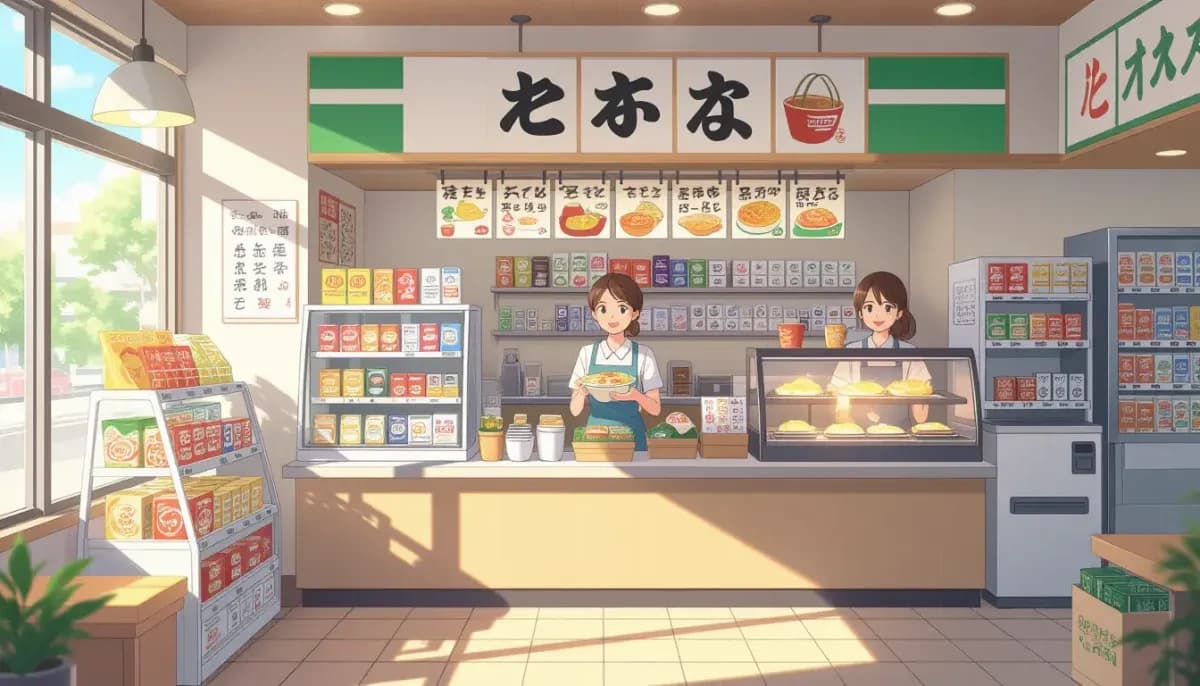
Japanese Convenience Store Food Complete Guide
Everything foreigners need to know about Japanese convenience store food (konbini): must-try items, chain comparisons, prices, tips for ordering, and budget meal planning.
Read more →
Best Meal Delivery Services Available in Japan
Complete guide to meal delivery services in Japan for expats and foreigners. Compare Uber Eats, Wolt, Demaecan, Menu, and meal kit options with English support, pricing, and tips.
Read more →
Essential Japanese Kitchen Equipment and Tools
Complete guide to Japanese kitchen equipment and tools for foreigners living in Japan. Covers rice cookers, santoku knives, donabe pots, where to buy, and how to build your kitchen step-by-step.
Read more →