
How to Read Japanese Food Labels and Packaging

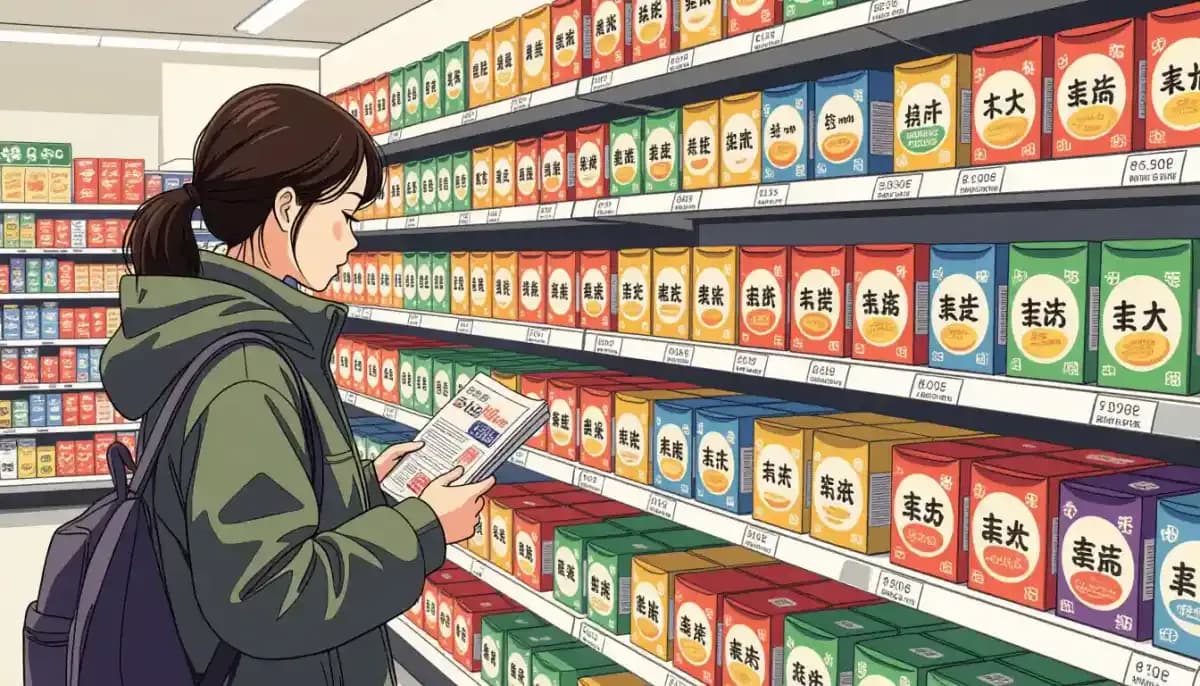
Learn to read Japanese food labels with our complete guide. Covers expiration dates, nutrition facts, allergens, ingredient lists, and key kanji terms for foreigners living in Japan.
How to Read Japanese Food Labels and Packaging: A Complete Guide for Foreigners
Walking through a Japanese supermarket for the first time can be an overwhelming experience. Rows of colorful packaging covered entirely in Japanese characters, with no English translations in sight. Whether you're doing your weekly grocery shopping or just trying to pick up a snack, understanding what's on those labels is essential — especially if you have dietary restrictions or food allergies.
This guide will walk you through everything you need to know about reading Japanese food labels, from expiration dates and ingredient lists to nutrition facts and allergen warnings. By the time you finish reading, you'll be navigating Japanese supermarkets with confidence.
![Japanese supermarket aisle with packaged food products featuring Japanese labels]
Understanding the Two Types of Expiration Dates
One of the first things you'll notice on Japanese food packaging is dates. Japan uses two distinct types of expiration dates, and knowing the difference is crucial for food safety:
賞味期限 (Shōmikigen) — Best Before Date
This is the date until which the manufacturer guarantees the product's optimal taste and quality. After this date, the food may still be safe to eat, but the quality may have declined. You'll typically see this on shelf-stable items like chips, cookies, canned goods, instant noodles, and beverages.
消費期限 (Shōhikigen) — Use By / Expiry Date
This is a strict safety deadline. Food products with this label should not be consumed after this date, period. You'll find this on perishable items like raw meat, fresh sushi, pre-made salads, dairy products, and fresh bread.
Date Format in Japan
Japanese dates follow the year-month-day format. You may see:
- Western calendar: 2025.03.15 or 25.03.15
- Japanese era calendar: 令和7年3月15日 (Reiwa 7, March 15)
For products with a best-before date longer than three months, manufacturers may indicate only the year and month (e.g., 2025.03).
Key Japanese Food Label Terms: The Essential Vocabulary
Japanese food labels are highly standardized by law, which means you'll see the same kanji repeated across products. Here's your reference guide:
| Japanese | Romaji | English Meaning |
|---|---|---|
| 品名 | Hinmei | Product name |
| 原材料名 | Genzairyō-mei | Ingredients list |
| 内容量 | Naiyōryō | Net quantity / weight |
| 賞味期限 | Shōmikigen | Best before date |
| 消費期限 | Shōhikigen | Use by date |
| 保存方法 | Hozon hōhō | Storage instructions |
| 販売者 | Hanbaisha | Seller / distributor |
| 製造者 | Seizōsha | Manufacturer |
| 栄養成分表示 | Eiyō seibun hyōji | Nutrition facts |
| アレルギー | Arerugī | Allergens |
| 原産地 | Gensanchi | Country/region of origin |
Memorizing these terms will help you quickly locate the information you need without having to translate the entire label.
Reading Nutrition Labels in Japan
Japanese nutrition labels (栄養成分表示, eiyō seibun hyōji) follow a consistent format mandated by the Consumer Affairs Agency. The five mandatory items are:
The Big 5 Mandatory Nutrients
| Japanese | Romaji | English |
|---|---|---|
| エネルギー | Enerugī | Calories / Energy (kcal) |
| たんぱく質 | Tanpakushitsu | Protein |
| 脂質 | Shishitsu | Fat |
| 炭水化物 | Tansuikabutsu | Carbohydrates |
| 食塩相当量 | Shokuen sōtōryō | Salt equivalent (Sodium) |
You may also see additional nutrients listed, especially on health-focused products:
| Japanese | English |
|---|---|
| カルシウム (Karushiumu) | Calcium |
| 食物繊維 (Shokumotsu sen'i) | Dietary fiber |
| ナトリウム (Natoriumu) | Sodium |
| コレステロール (Korestorōru) | Cholesterol |
| 鉄 (Tetsu) | Iron |
| ビタミンC (Bitamin C) | Vitamin C |
Nutrition facts are typically listed per serving (一食分, ichi shoku bun) or per 100g. Look for the 100g column when comparing products — it makes comparison shopping much easier.
For a comprehensive resource on Japanese food culture and cooking as a foreigner, check out Living in Nihon's Japanese Food Culture Guide.
Allergen Information on Japanese Food Labels
Japan has strict allergen labeling laws, and understanding them is critical if you or someone in your household has food allergies.
The 8 Mandatory Allergens (特定原材料)
Since April 2025, Japan mandates clear labeling for eight allergens:
- 卵 (Tamago) — Egg
- 乳 / 牛乳 (Nyū / Gyūnyū) — Milk / Dairy
- 小麦 (Komugi) — Wheat
- 落花生 (Rakkasei) — Peanuts
- 蕎麦 / そば (Soba) — Buckwheat
- えび (Ebi) — Shrimp
- かに (Kani) — Crab
- くるみ (Kurumi) — Walnuts (became mandatory in March 2023)
- カシューナッツ (Kashū nattsu) — Cashew nuts (added April 2025)
The 20 Recommended Allergens (特定原材料に準ずるもの)
In addition to the mandatory list, Japan recommends labeling for 20 more allergens. These are not legally required but many manufacturers include them:
- アーモンド (Almonds), あわび (Abalone), いか (Squid), いくら (Salmon roe), オレンジ (Orange), キウイフルーツ (Kiwi), 牛肉 (Beef), ごま (Sesame), さけ (Salmon), さば (Mackerel), 大豆 (Soy), 鶏肉 (Chicken), バナナ (Banana), 豚肉 (Pork), まつたけ (Matsutake), もも (Peach), やまいも (Yam), りんご (Apple), ゼラチン (Gelatin)
Important Warning: If you have a severe allergy, do not rely solely on the label. Some manufacturers may process products in facilities that also handle allergens. Look for warnings like:
- 「〇〇を含む製品と同じ製造ラインで製造しています」— "Made in the same facility as products containing X"
For in-depth information about navigating work and daily life in Japan as a foreigner, For Work in Japan's Daily Life Infrastructure Guide is an excellent resource.
Common Ingredient Labels and Meat Types
When checking ingredients (原材料名), here are the most common items you'll encounter:
Meats (肉類)
| Japanese | Romaji | English |
|---|---|---|
| 牛肉 | Gyūniku | Beef |
| 豚肉 | Butaniku | Pork |
| 鶏肉 | Toriniku | Chicken |
| 羊肉 | Hitsujiniku | Lamb |
| 馬肉 | Baniku | Horse meat |
Common Seasonings (調味料)
| Japanese | English |
|---|---|
| 醤油 (Shōyu) | Soy sauce |
| 味噌 (Miso) | Miso paste |
| 塩 (Shio) | Salt |
| 砂糖 (Satō) | Sugar |
| 酢 (Su) | Vinegar |
| みりん (Mirin) | Sweet rice wine |
Additives and Preservatives
Japan regulates food additives through the Food Sanitation Act. Common additives you'll see:
- 保存料 (Hozonryō) — Preservatives
- 着色料 (Chakushokuryō) — Food coloring / dyes
- 増粘剤 (Zōnenzai) — Thickeners
- 乳化剤 (Nyūkazai) — Emulsifiers
- 香料 (Kōryō) — Flavorings / fragrances
If you prefer additive-free products, look for 無添加 (mutenka, meaning "no additives") on the packaging.
Understanding Health and Dietary Claims
Japanese food packaging often features health claims and dietary labels. Here's how to decode them:
Health-Focused Labels
| Label | Japanese | Meaning |
|---|---|---|
| Low calorie | 低カロリー / カロリーオフ | Reduced calorie content |
| Low sugar | 低糖質 / 糖質オフ | Low carbohydrate/sugar |
| Low fat | 脂質オフ / 低脂質 | Reduced fat content |
| Low salt | 塩分オフ / 減塩 | Reduced sodium |
| Sugar-free | 砂糖不使用 | No added sugar |
| Zero calorie | カロリーゼロ | Very low calorie (under 5kcal/100ml) |
| Organic | 有機 / オーガニック | JAS certified organic |
| No additives | 無添加 | Free from listed additives |
Government-Certified Health Labels
Japan has a special system for health foods:
- トクホ (Tokuho) — Foods for Specified Health Uses (FOSHU): These are regulated by the government and scientifically proven to have health benefits
- 栄養機能食品 — Nutrient function foods with verified nutritional claims
- 機能性表示食品 — Foods with functional claims (company-submitted data)
![Japanese food label close-up showing nutrition facts and allergen information]
Reading Country of Origin Labels
Japanese consumers are particular about food origins, and labeling laws reflect this. The kanji 産 (san or 産) tells you where a product comes from:
- 国産 (Kokusan) — Made in Japan (most prestigious for Japanese consumers)
- 〇〇産 — From a specific region (e.g., 北海道産 = from Hokkaido)
- 中国産 (Chūgokusan) — Made in China
- アメリカ産 (Amerika-san) — Made in America
- オーストラリア産 (Ōsutoraria-san) — Made in Australia
For fresh produce, origin is always listed. For processed foods, manufacturers list the origin of the main ingredient.
Navigating the Supermarket with These Label Skills
Now that you understand Japanese food labels, here's how to put your knowledge to work in the supermarket. Japanese supermarkets are organized with helpful category signs:
- 青果 (Seika) — Fresh produce
- 鮮魚 (Sengyo) — Raw fish and seafood
- 食肉 (Shokuniku) — Meat
- 乳製品 (Nyūseihin) — Dairy products
- 冷凍食品 (Reitō shokuhin) — Frozen foods
- 菓子 (Kashi) — Snacks and sweets
- 飲料 (Inryō) — Beverages
- 惣菜 (Sōzai) — Ready-made foods / deli
Pro Tips for Smart Shopping
- Download a translation app: Google Translate's camera function can scan Japanese text in real-time. Point it at a label and get an instant translation.
- Look for evening discounts: Many supermarkets apply mark-down stickers (値引き, nebiki) to perishable items in the evening hours.
- Check loyalty points: Most supermarket chains in Japan offer point cards (ポイントカード) — ask at the register.
- Budget expectations: A single person can expect to spend ¥20,000–¥35,000 per month on groceries if cooking at home regularly.
For more tips on navigating daily life in Japan, see our guides on daily life in Japan for foreigners and shopping in Japan as a foreigner.
Special Dietary Needs: Vegan, Halal, and Gluten-Free
Finding food that meets specific dietary requirements can be challenging in Japan. Here's what to look for:
Vegan and Vegetarian
Japan doesn't have a widely standardized vegan label, but look for:
- ベジタリアン対応 (Bejitarian taiō) — Vegetarian-friendly
- ヴィーガン (Vīgan) — Vegan
- 植物性 (Shokubutsusei) — Plant-based
- Be aware: many Japanese stocks and broths (だし, dashi) contain fish (かつお, katsuobushi) — check ingredients
Halal
Halal certification (ハラール, harāru) is becoming more common in Japan but is not yet widespread. Look for the ハラール認証 (harāru ninshō) mark. When in doubt, ask staff or check the manufacturer's website.
Gluten-Free
Gluten-free labeling (グルテンフリー, guruten furī) is slowly growing in Japan. People with celiac disease should be particularly careful — soy sauce (醤油) almost always contains wheat. Look for tamari (たまり醤油), which is traditionally gluten-free.
For more information on food and cooking as a foreigner in Japan, explore the Savvy Tokyo Guide to Decoding Japanese Food Labels and Gaijin Pot's Food Label Guide.
Quick Reference: Japanese Food Label Cheat Sheet
Print or save this cheat sheet for your next grocery run:
| What You Need | Look For | Japanese |
|---|---|---|
| Expiry date (strict) | Use by | 消費期限 |
| Best before date | Quality guarantee | 賞味期限 |
| Ingredients | What's in it | 原材料名 |
| Allergens | Allergy warnings | アレルギー |
| Nutrition facts | Nutritional info | 栄養成分表示 |
| Calories | Energy content | エネルギー |
| Protein | Protein content | たんぱく質 |
| Fat | Fat content | 脂質 |
| Carbohydrates | Carbs | 炭水化物 |
| Sodium | Salt level | 食塩相当量 |
| Storage method | How to store | 保存方法 |
| Made in Japan | Origin | 国産 |
| No additives | Clean label | 無添加 |
| Organic | Certified organic | 有機 / オーガニック |
Learning to read Japanese food labels takes time and practice, but the vocabulary is consistent across products. Once you memorize the key kanji, you'll find grocery shopping becomes much less stressful. Consider downloading the Ittenshoku guide for foreigners for additional resources on navigating daily life in Japan.
If you're adjusting to life in Japan more broadly, check out our complete guides on Japanese food and cooking, healthcare in Japan, and learning Japanese to help you feel at home faster.
Understanding food labels is just one part of the adjustment — but it's a practical skill that will serve you every single day. With the reference tables and vocabulary in this guide, you're now equipped to shop confidently in any Japanese supermarket.

Originally from Vietnam, living in Japan for 16+ years. Graduated from Nagoya University, with 11 years of professional experience at Japanese and international companies. Sharing information about living in Japan for foreigners.
View Profile →Related Articles

Izakaya Guide How to Order and Enjoy Like a Local
Complete izakaya guide for foreigners in Japan: how to order food and drinks, understand etiquette, decode the menu, and enjoy Japan's iconic pub culture like a local.
Read more →
Must Try Japanese Dishes for Every Foreign Resident
Discover the essential Japanese dishes every foreign resident should try — from ramen and sushi to takoyaki, izakaya staples, and surprising regional specialties across Japan.
Read more →
Halal Food Options and Restaurants in Japan
Find halal food restaurants, grocery stores, and tips for Muslim foreigners living in or visiting Japan. Covers Tokyo, Osaka, Kyoto, food labels, apps, and more.
Read more →
Japanese Convenience Store Food Complete Guide
Everything foreigners need to know about Japanese convenience store food (konbini): must-try items, chain comparisons, prices, tips for ordering, and budget meal planning.
Read more →
Best Meal Delivery Services Available in Japan
Complete guide to meal delivery services in Japan for expats and foreigners. Compare Uber Eats, Wolt, Demaecan, Menu, and meal kit options with English support, pricing, and tips.
Read more →
Essential Japanese Kitchen Equipment and Tools
Complete guide to Japanese kitchen equipment and tools for foreigners living in Japan. Covers rice cookers, santoku knives, donabe pots, where to buy, and how to build your kitchen step-by-step.
Read more →