
Where to Find International and Imported Food in Japan

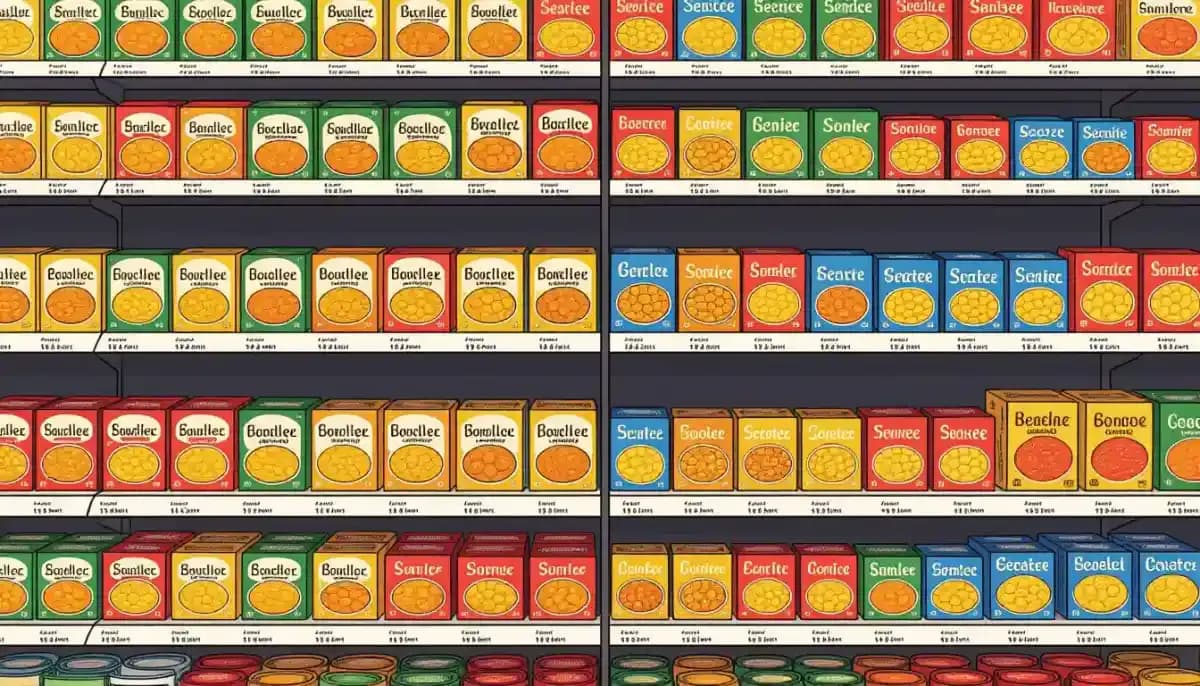
Looking for imported and international food in Japan? This complete guide covers the best stores, online shops, ethnic food districts, and money-saving tips for foreigners living in Japan.
Where to Find International and Imported Food in Japan: The Complete Expat Guide
Moving to Japan is an exciting adventure, but one of the first challenges many foreigners face is finding the foods they love from back home. Whether you're craving a block of aged cheddar, a jar of peanut butter, or authentic tortillas for taco night, Japan has more options than you might expect. The country imports around $50 billion worth of food annually and is the world's third-largest packaged food market—which means the international food scene is thriving.
This guide will walk you through every avenue for sourcing international and imported food in Japan, from nationwide chain stores to specialty online shops and hidden ethnic enclaves in major cities.
!International food products on shelves in a Japanese import store

The Big Chain Import Stores: Your First Stop for Foreign Food
The easiest starting point for most expats in Japan is the handful of import-focused chain stores that have expanded nationwide. These are accessible, well-stocked, and available even outside major cities.
Kaldi Coffee Farm (カルディコーヒーファーム)
Kaldi is arguably the most beloved import store among foreigners in Japan. You'll find a Kaldi in almost every major shopping mall and train station complex across the country. The name is slightly misleading—while coffee is their specialty, they carry a tremendous variety of international pantry goods: pasta sauces, flour tortillas, canned goods, European chocolates, Mexican snacks, baking supplies, specialty cheeses, and seasonal items like Christmas stollen or Halloween candy.
Kaldi's stock rotates seasonally, which makes every visit a mini-adventure. Prices are reasonable for an import store, and they regularly offer sample tastings near the entrance. If you're new to Japan, Kaldi should be your very first stop.
Seijo Ishii (成城石井)
Seijo Ishii positions itself as a premium "food lifestyle supermarket" and caters to a more upscale clientele. Located primarily near major train stations in urban areas, Seijo Ishii carries an impressive selection of high-end global products: imported cheeses (think brie, gouda, and aged cheddar), jamón ibérico, smoked salmon, craft wines, specialty olive oils, and artisan chocolates.
Their deli section is particularly popular, with Western-style salads, cold cuts, and ready-to-eat meals. The quality is excellent, but be prepared to pay a premium—Seijo Ishii is not the place to stock up on everyday staples if you're budget-conscious.
Yamaya (ヤマヤ)
Yamaya is primarily marketed as a liquor store, but its "World Foods" section is a hidden gem for expats. Because Yamaya deals heavily in imported beverages, they also carry a solid range of international pantry items at very competitive prices—pasta, pasta sauces, canned beans, olive oil, and snacks from Europe and the Americas. If you're near a Yamaya, it's worth stopping in for pantry restocking.
Gyomu Super (業務スーパー)
Gyomu Super is a wholesale-style supermarket open to the general public. With hundreds of locations nationwide, it's highly accessible and offers some of the best prices on imported goods in Japan. They import directly from dozens of countries, with a particularly strong Southeast Asian section. Gyomu Super also carries a dedicated halal product lineup, making it a go-to for Muslim residents. Look for their Thai curry pastes, coconut milk, fish sauce, and frozen foods from Europe and Asia.
Specialty International Supermarkets
For a more curated selection of foreign foods—especially if you need items specific to a certain cuisine—Japan's specialty international supermarkets are unmatched.
| Store | Location | Specialty | Price Range |
|---|---|---|---|
| National Azabu | Minato, Tokyo | Western/American | High |
| Nissin World Delicatessen | Minato, Tokyo | European meats & cheese | High |
| Eataly | Tokyo, Osaka | Italian products | High |
| Nasco Halal | Multiple Tokyo locations | South Asian / Halal | Mid |
| Darvish | Chuo, Tokyo | Iranian / Middle Eastern | Mid |
| Jupiter | Hokkaido & select cities | Coffee & imports | Mid |
National Azabu is a long-standing institution in Tokyo's expat community, located in the Minami-Azabu area near many embassies and international schools. It stocks a wide range of American and European products and is especially known for imported meats, dairy, and breakfast items that are hard to find elsewhere. Staff are accustomed to helping English-speaking customers.
Nissin World Delicatessen (also in Minato) is famed for its imported meat counter—including seasonal whole turkeys around Thanksgiving—as well as a solid selection of European cheeses, pasta varieties, and halal-certified options. English-speaking staff make navigation straightforward.
Eataly brings the full Italian market experience to Japan, with everything from San Marzano tomatoes and 00 flour to artisanal gelato and imported prosciutto. There are Eataly locations in Tokyo and Osaka, and they also offer online ordering.
Ethnic Food Districts: Finding Authentic Ingredients
Japan has vibrant ethnic communities in its major cities, and these neighborhoods are goldmines for authentic, often affordable international ingredients.
!Ethnic food district in Japan with colorful storefronts

Shin-Okubo, Tokyo (Korean)
Tokyo's Koreatown is centered in Shin-Okubo and stretches into neighboring Okubo. Here you'll find dozens of Korean supermarkets stocked with gochujang, kimchi, tteok, soju, Korean instant noodles, and K-beauty snacks. Prices are generally very good, and the atmosphere is lively. Korean food is one of the easiest international cuisines to source in Japan due to the large Korean resident population.
Yokohama Chinatown (Chinese)
Yokohama's Chinatown (中華街) is one of the largest in Asia and a must-visit for anyone needing Chinese pantry staples: dried mushrooms, oyster sauce, five-spice powder, Chinese sausages, preserved vegetables, and much more. For everyday Chinese cooking ingredients, many regular Japanese supermarkets also carry the basics, but Yokohama Chinatown offers the broadest specialty selection.
Kobe Nankinmachi (Chinese)
Kobe's Nankinmachi is another historic Chinatown, smaller than Yokohama's but equally charming. Good for authentic dim sum ingredients, preserved meats, and traditional Chinese sweets.
Tokyo's Southeast Asian Stores
Around Ikebukuro and parts of Shinjuku, you'll find Filipino, Vietnamese, and Thai grocery stores. Life and Aeon supermarkets in neighborhoods with large Vietnamese populations often stock fish sauce, dried fruits, and Asian noodles. Mega Don Quijote stores typically carry Filipino staples like soy sauce (toyo), vinegar (suka), and pancit canton noodles.
Costco Japan: Bulk Buying for Big Families
Costco has 33 warehouse locations across Japan, mostly in suburban areas. A membership is required (from ¥4,400/year) and you'll need a car for a proper haul, but Costco is unbeatable for:
- Large blocks of cheese (cheddar, parmesan, brie)
- Bulk meats (beef, pork, chicken in family packs)
- American-style breakfast items (bagels, muffins, bacon)
- Imported snacks and beverages
- Olive oil and other pantry staples in large sizes
A popular money-saving strategy among expats is to split Costco runs with friends—organize a carpool and divide the bulk purchases. It's also worth noting that Costco's food court serves American-style hot dogs, pizza, and smoothies, which is a treat in itself.
Online Shopping for Imported Food in Japan
Online shopping has expanded enormously in Japan, and there are excellent dedicated services for international food delivery:
The Meat Guy is the most famous foreign-food online service in Japan, specializing in imported meats that are hard to find in regular stores: whole turkeys, lamb chops, chorizo, and quality beef cuts. They ship nationwide with cool-chain delivery.
iHerb ships directly to Japan and is beloved for health foods, supplements, specialty dietary items (gluten-free, organic), and snacks from the US. Prices are competitive and shipping is reliable.
Foreign Buyers' Club (FBC) based in Kobe is a long-standing online co-op that imports food and household items not available locally. Membership is free and they carry a wide range of Western goods.
Amazon Japan operates an "Online Supermarket" hub aggregating Amazon Fresh, LIFE, Seijo Ishii, and other retailers. Coverage varies by postal code, but in major cities the selection is excellent.
Rakuten Seiyu Netsuper and Aeon Net Super are mainstream Japanese supermarket delivery services that include limited international sections.
For more comprehensive guidance on daily life in Japan, check out our Complete Guide to Daily Life in Japan for Foreigners and the Complete Guide to Shopping in Japan.
Tips for Special Dietary Requirements
Japan can be challenging for people with specific dietary needs, but it's very manageable with the right knowledge:
Halal food: The halal food scene in Japan has grown dramatically. Tokyo Camii Halal Market in Yoyogi-Uehara is a well-stocked halal supermarket. Gyomu Super carries a halal section in many branches. Nasco Halal has multiple Tokyo locations serving South Asian and Middle Eastern communities.
Vegan and plant-based: Look for products marked with VegeProject Japan certification. Import stores like Kaldi and iHerb carry vegan specialty products. Natural food stores (自然食品店) in larger cities often stock international vegan items.
Gluten-free: This is more challenging in Japan. Import chains are your best bet—Kaldi, Seijo Ishii, and iHerb carry gluten-free pasta, bread mixes, and sauces. Read labels carefully as many Japanese soy sauces contain wheat.
Kosher: Tokyo has a small but growing kosher food scene. The Chabad house in Tokyo and some online importers can help source kosher-certified products.
For broader context on navigating Japanese food and cooking, see our guide on Japanese Food and Cooking for Foreigners.
Money-Saving Strategies for Expat Food Shopping
International food in Japan carries a price premium, but there are smart ways to manage costs:
- Build your store repertoire: Use budget stores (Gyomu Super, Yamaya) for staples and premium stores (Seijo Ishii) only for special items.
- Shop Costco with friends: Carpool and split bulk purchases to reduce per-unit costs.
- Time your imports: Buy seasonal items (cheese, specialty meats) when they're on promotion.
- Use iHerb for health specialty items: Often cheaper than local import stores for US health foods.
- Learn what Japan does well: Japanese versions of Western staples (butter, cream, yogurt) are excellent and much cheaper than imports.
- Check supermarket import sections: Mainstream chains like Aeon, Life, and Ito-Yokado often have small import sections with decent prices.
For more detailed guidance on managing your finances as an expat, see our Complete Guide to Cost of Living in Japan.
Regional Differences: Outside of Tokyo
While Tokyo has the best selection of international food, you can find imported goods throughout Japan:
- Osaka/Kansai: Excellent selection, particularly for Korean and Chinese ingredients. Namba and Tsuruhashi (Osaka's Koreatown) are great resources.
- Nagoya: Kaldi and Seijo Ishii are present; smaller selection than Tokyo but manageable.
- Sapporo/Hokkaido: Jupiter Coffee is a regional import chain. Costco has Hokkaido locations.
- Fukuoka: Good access to Korean ingredients due to proximity to Korea. Regular ferry connections mean fresh Korean imports.
- Rural areas: Rely more heavily on online shopping (The Meat Guy, iHerb, FBC) and plan ahead for specialty items.
Summary: Where to Start Your International Food Shopping Journey
If you're just arriving in Japan and wondering where to begin, here's a practical starting sequence:
- Start with Kaldi Coffee Farm for general imports and pantry staples
- Visit your nearest Gyomu Super for budget-friendly Asian ingredients
- Sign up for iHerb for health foods and specialty dietary items
- Explore local ethnic neighborhoods for authentic cuisine-specific ingredients
- Consider a Costco membership if you have a car or can organize group trips
The international food scene in Japan is far richer than many newcomers expect. With a little exploration, you'll be able to recreate your favorite dishes from home and discover new favorites along the way.
For further reading on living comfortably in Japan, visit Living in Nihon for practical expat tips, For Work in Japan for employment and daily life guidance, and Ittenshoku for additional resources on relocating to Japan. For grocery store comparisons, Japan Handbook's international grocery guide and the Tokyo Room Finder blog are excellent supplementary resources.

Originally from Vietnam, living in Japan for 16+ years. Graduated from Nagoya University, with 11 years of professional experience at Japanese and international companies. Sharing information about living in Japan for foreigners.
View Profile →Related Articles

Izakaya Guide How to Order and Enjoy Like a Local
Complete izakaya guide for foreigners in Japan: how to order food and drinks, understand etiquette, decode the menu, and enjoy Japan's iconic pub culture like a local.
Read more →
Must Try Japanese Dishes for Every Foreign Resident
Discover the essential Japanese dishes every foreign resident should try — from ramen and sushi to takoyaki, izakaya staples, and surprising regional specialties across Japan.
Read more →
Halal Food Options and Restaurants in Japan
Find halal food restaurants, grocery stores, and tips for Muslim foreigners living in or visiting Japan. Covers Tokyo, Osaka, Kyoto, food labels, apps, and more.
Read more →
Japanese Convenience Store Food Complete Guide
Everything foreigners need to know about Japanese convenience store food (konbini): must-try items, chain comparisons, prices, tips for ordering, and budget meal planning.
Read more →
Best Meal Delivery Services Available in Japan
Complete guide to meal delivery services in Japan for expats and foreigners. Compare Uber Eats, Wolt, Demaecan, Menu, and meal kit options with English support, pricing, and tips.
Read more →
Essential Japanese Kitchen Equipment and Tools
Complete guide to Japanese kitchen equipment and tools for foreigners living in Japan. Covers rice cookers, santoku knives, donabe pots, where to buy, and how to build your kitchen step-by-step.
Read more →