
Japan Real Estate Market Overview for Foreign Investors

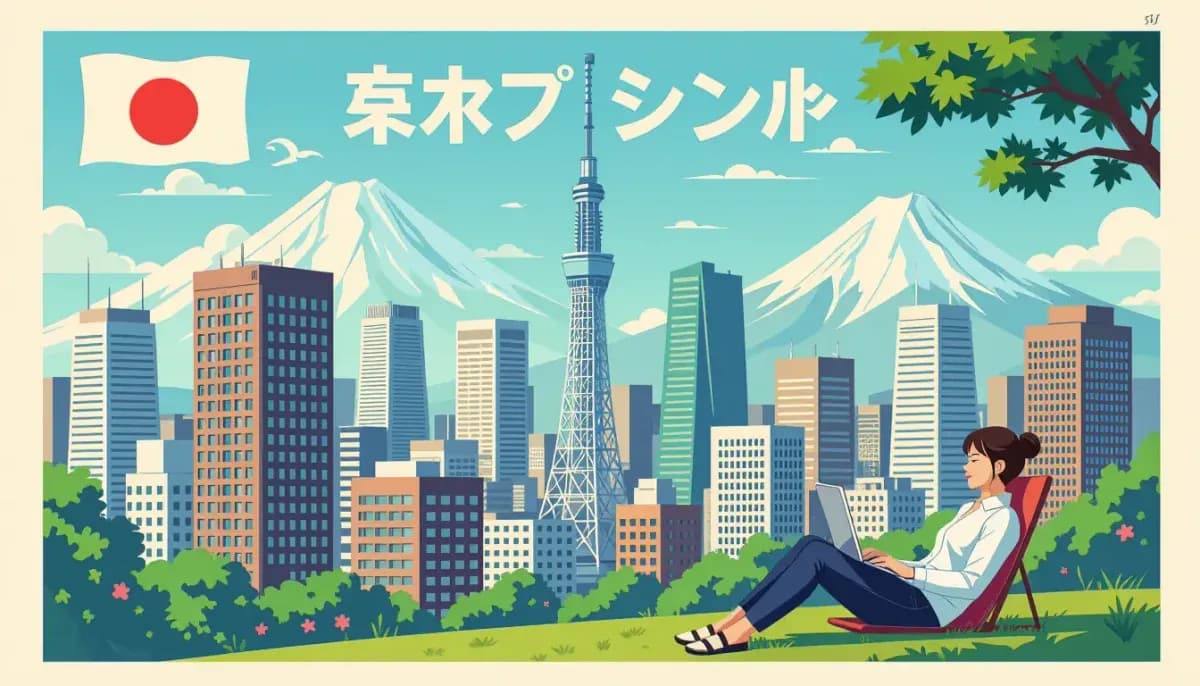
Comprehensive overview of Japan's real estate market for foreign investors: market size, top cities, yields, legal framework, financing, and investment strategies. Updated 2025.
Japan Real Estate Market Overview for Foreign Investors
Japan's real estate market has emerged as one of the most compelling investment destinations in Asia, attracting record levels of foreign capital in recent years. With no restrictions on foreign property ownership, a weakened yen providing a significant purchasing advantage, and stable rental markets in major cities, Japan offers a unique combination of accessibility and opportunity that few other developed markets can match. Whether you're looking to buy a home, generate rental income, or build a diversified investment portfolio, understanding the Japanese real estate landscape is essential before making your move.
This guide provides a comprehensive overview of Japan's property market, key investment metrics, regional differences, and what you need to know as a foreign investor navigating this dynamic sector.
Market Size and Recent Growth
Japan's real estate market is one of the largest in Asia. In 2024, the market reached approximately USD 436 billion in total transactions, with projections suggesting growth to USD 557 billion by 2033. Foreign investment has played an increasingly significant role in this expansion, with overseas buyers now accounting for around 27% of all property transactions nationwide — and up to 40% of new apartment sales in central Tokyo wards like Chiyoda, Shibuya, and Minato.
Total foreign real estate investment in Japan reached JPY 2.3 trillion (approximately $15.7 billion USD) in 2024, representing a 12% year-over-year increase. The momentum has accelerated further in 2025, with purchases of office buildings and commercial properties from January to June 2025 reaching a record high of over ¥1 trillion — double the amount from the same period the previous year.
This surge is driven by several factors: the weakened Japanese yen providing foreign buyers with a 20-30% purchasing advantage compared to five years ago, historically low interest rates, strong rental demand in urban centers, and Japan's reputation as a politically stable, transparent market with robust legal protections.
For a broader perspective on managing your finances as a foreign resident, see our guide to Banking and Finance in Japan.
Key Investment Markets: Tokyo, Osaka, and Beyond
Japan's property market is far from uniform. Urban centers dominate investment activity, while rural and regional areas tell a very different story.
Tokyo
Tokyo remains the undisputed center of Japan's real estate market. As of 2025, average condominium prices in Tokyo's 23 wards have climbed approximately 64% from 2021 levels, with the average new condo now priced around ¥110 million (approximately $800,000 USD). Despite elevated prices, the market shows no signs of cooling — residential property prices in the Tokyo Metropolitan Area rose 8.14% year-over-year as of early 2025.
Rental yields in central Tokyo hover around 3.4%, which while modest by some global standards, reflects the city's extreme stability and low vacancy rates (below 5% in central areas). Grade A office spaces in prime Tokyo locations command rents of around JPY 32,400 per sqm per month, with vacancy rates at just 3.4%.
Osaka
Osaka is increasingly popular with foreign investors, particularly those seeking higher yields. Rental yields in Osaka reach around 4.5%, making it more attractive for income-focused investors. The Umeda and Namba districts are seeing robust office market expansion, with Grade A rents at approximately JPY 25,000 per sqm per month.
Osaka's tourism boom — driven by the 2025 World Expo and strong inbound visitor numbers — has also fueled demand for short-term rental properties and hospitality assets.
Fukuoka, Sapporo, and Emerging Cities
Beyond the major metros, cities like Fukuoka and Sapporo are emerging as attractive alternatives. Rental yields in these markets can reach 5% or higher, with lower entry prices than Tokyo or Osaka. Fukuoka City's residential land values jumped 9.0% year-on-year — the highest growth of any major Japanese city for the second consecutive year. These regional markets suit investors seeking better cash flow with reasonable growth prospects.
For more on the experience of living in different parts of Japan, check our Regional Living in Japan Guide.
Property Types and Investment Strategies
| Property Type | Typical Yield | Foreign Investment Share | Key Drivers |
|---|---|---|---|
| Residential (Tokyo) | 3.0–4.0% | ~27% of transactions | Urban demand, yen advantage |
| Residential (Osaka/Fukuoka) | 4.0–5.5% | Growing rapidly | Tourism, regional growth |
| Commercial/Office | 3.5–4.5% | Significant | Corporate demand, prime locations |
| Logistics/Industrial | 4.0–6.0% | 40% of foreign investment | E-commerce boom |
| Hotels/Hospitality | Variable | 47% of foreign transactions in 2024 | Tourism surge (33M+ visitors) |
| Rural/Akiya (Old Houses) | Varies widely | Niche but growing | Low entry cost, renovation potential |
Industrial and logistics properties attract the largest share of foreign real estate investment — 40% of all overseas capital flows into this sector, driven by Japan's surging e-commerce demand. Major institutional investors like Blackstone, GIC, and ESR have collectively poured over JPY 900 billion ($6.2 billion USD) into Japanese logistics assets.
Hotels and hospitality assets also attract enormous foreign interest, representing 47% of foreign transactions in 2024, fueled by Japan's tourism boom with over 33 million annual visitors projected.
Legal Framework: What Foreign Investors Need to Know
One of Japan's most attractive features for international buyers is its open and transparent legal framework for foreign property ownership.
Foreigners can purchase any type of property in Japan with the same legal rights as Japanese citizens. There are no nationality-based restrictions, no foreign ownership quotas, and no additional taxes levied specifically on non-resident buyers — a stark contrast to markets like Canada or Australia, which have imposed foreign buyer taxes and restrictions in recent years.
Key legal points to understand:
- No residency requirement: You do not need to live in Japan or hold a visa to purchase property
- Ministry of Finance filing: You must file a report within 20 days of signing a purchase contract (a formality, not a restriction)
- Land disclosure: Since July 1, 2025, large land transactions require disclosure of the buyer's nationality for national security purposes
- Ownership registration: All property ownership is registered through the Legal Affairs Bureau, providing clear title protection
For comprehensive guidance on your legal rights as a foreigner in Japan, visit our Legal Rights for Foreigners in Japan Guide.
You can also find detailed information about the property purchase and mortgage process at Living in Nihon's Property Purchase Guide, which covers everything from documents required to the step-by-step buying process.
Financing Options for Foreign Buyers
Securing a mortgage in Japan as a non-resident is challenging, but not impossible.
For non-residents: Most Japanese banks do not offer mortgage products to overseas buyers. Cash purchases are the most straightforward route, and many foreign investors opt for this approach. Some international banks with Japanese operations may offer financing.
For foreign residents: If you live and work in Japan, mortgage access improves significantly, especially if you hold permanent residency or have been employed in Japan for three or more years. Current mortgage rates are extremely favorable:
- Variable rate: approximately 0.7%
- 35-year fixed rate: approximately 1.9%
Non-permanent resident applicants typically need a Japanese or permanent resident spouse, 3+ years of employment history in Japan, stable income, and a down payment of at least 30%.
Annual Ownership Costs to Budget For:
- Property tax: 1.4% of assessed value annually
- City planning tax: 0.3% of assessed value annually
- Purchase transaction costs: approximately 10% of the purchase price (brokerage fees of 3% + ¥60,000 + tax, registration taxes, notary fees of ¥100,000–¥150,000, fire insurance)
For resources on managing money and taxes in Japan as a foreigner, see our guides on Taxes in Japan for Foreigners and Sending Money from Japan.
For work-related housing information, For Work in Japan's Housing Guide provides useful context on the residential landscape from an employment perspective.
Market Trends and Outlook
Several macro trends are shaping Japan's real estate market heading into the second half of this decade:
Rising Prices in Urban Centers: Condominium prices in Tokyo's central wards continue their multi-year ascent, supported by limited new supply, strong demand from both domestic buyers and foreign investors, and rising construction costs driven by labor shortages and supply chain challenges.
Tourism-Driven Hospitality Demand: Japan's tourism industry has recovered dramatically post-pandemic. With over 33 million annual visitors projected, demand for hotels, serviced apartments, and short-term rental properties remains exceptionally strong, particularly in Kyoto, Osaka, Tokyo, and Hokkaido ski resort areas.
E-Commerce Fueling Logistics Investment: The growth of online retail has made industrial and logistics properties among the most sought-after asset classes. Foreign institutional capital continues to flow into large-scale logistics facilities near major transport hubs.
Regional Bifurcation: While urban markets thrive, rural Japan faces a different reality. Population decline and housing oversupply in many rural areas have led to falling prices and a large stock of abandoned homes (known as akiya). Some investors are beginning to explore these markets for their extremely low entry costs, though they come with unique challenges around renovation, management, and resale.
Interest Rate Normalization: After decades of near-zero rates, the Bank of Japan has begun gradually raising interest rates. This is worth monitoring, as it could affect borrowing costs and cap rate expectations over time, though the impact has been modest so far.
For more on Japan's overall investment and finance landscape for foreigners, our Real Estate Investment in Japan Guide goes into deeper detail on specific strategies and due diligence.
Working With Professionals: Building Your Japan Real Estate Team
Successfully navigating the Japanese property market requires assembling the right team of professionals. The purchase process involves multiple parties and is conducted almost entirely in Japanese, making expert guidance essential.
Key professionals you'll need:
- Real estate agent (fudosan-ya): Licensed agents must explain the property disclosure document (juyo jiko setsumei-sho) to you before you sign. Look for agents with experience working with foreign buyers.
- Judicial scrivener (shihoshoshi): Handles property registration at the Legal Affairs Bureau. Essential for completing ownership transfer.
- Tax advisor: Particularly important for non-residents to understand implications for rental income, capital gains, and inheritance tax.
- Mortgage broker: Can help navigate financing options if you're eligible for a loan.
- Property manager: If you're purchasing as an investment and won't be in Japan full-time, a property management company is crucial for tenant relations, maintenance, and legal compliance.
Building relationships with these professionals early makes the process significantly smoother. Many foreign investors also find it valuable to connect with communities of expat property owners in Japan.
For broader context on life as a foreigner in Japan, including financial planning considerations, see our Moving to Japan Guide and Cost of Living in Japan Guide.
Additional research insights and market data are available at IQI Global's Japan Real Estate Market Analysis and Tokyo Portfolio's Market Trends Report.
For IT professionals specifically considering a Japan move and property investment, Ittenshoku is a valuable resource for career-related aspects of relocating to Japan.
Is Japan Real Estate Right for You?
Japan's property market offers a compelling mix of stability, legal transparency, favorable exchange rates (for USD and EUR holders), and genuine upside potential in select markets. However, it's not without challenges: language barriers, bureaucratic complexity, limited financing for non-residents, and significant depreciation of building structures (as opposed to land) all require careful consideration.
For investors who do their homework, build the right team, and focus on quality locations — particularly in Tokyo's central wards, Osaka, or emerging regional cities — Japan real estate can be a rewarding long-term addition to an international portfolio. For those planning to live in Japan, owning property can also provide stability and a long-term financial anchor in one of the world's most livable countries.
The key is to approach the market with clear goals, solid professional support, and a realistic understanding of both the opportunities and the unique characteristics of investing in Japan.

Originally from Vietnam, living in Japan for 16+ years. Graduated from Nagoya University, with 11 years of professional experience at Japanese and international companies. Sharing information about living in Japan for foreigners.
View Profile →Related Articles

Japan Real Estate Scams to Watch Out For
Learn how to spot and avoid Japan real estate scams. From fake listings and key money fraud to unlicensed agents — protect yourself with our complete guide for foreigners renting or buying in Japan.
Read more →
Airbnb and Minpaku Investment in Japan Legal Guide
A complete guide to Airbnb and minpaku investment in Japan for foreigners. Learn about licensing types, registration steps, regional restrictions, investment returns, and legal requirements under Japan's Private Lodging Business Act.
Read more →
Japan Property Buying Process Step by Step Explained
Complete step-by-step guide to buying property in Japan as a foreigner. Covers the 7 stages from property search to ownership transfer, costs, timelines, and legal requirements.
Read more →
Japan Condo Mansion vs House Which to Buy
Comparing Japan mansion (condo) vs detached house for foreign buyers. Full breakdown of costs, monthly fees, value retention, earthquake safety, mortgages, and which option fits your lifestyle.
Read more →
Best Areas to Buy Property in Japan for Investment
Discover the best areas to buy property in Japan for investment. Compare Tokyo, Osaka, Fukuoka, Kyoto and more with rental yields, price trends, and tips for foreign investors.
Read more →
Rental Income Tax in Japan for Foreign Property Owners
Complete guide to rental income tax in Japan for foreigners. Learn about the 20.42% withholding tax for non-residents, deductible expenses, tax agent requirements, and how to file your Japanese tax return.
Read more →