
Best Areas to Buy Property in Japan for Investment

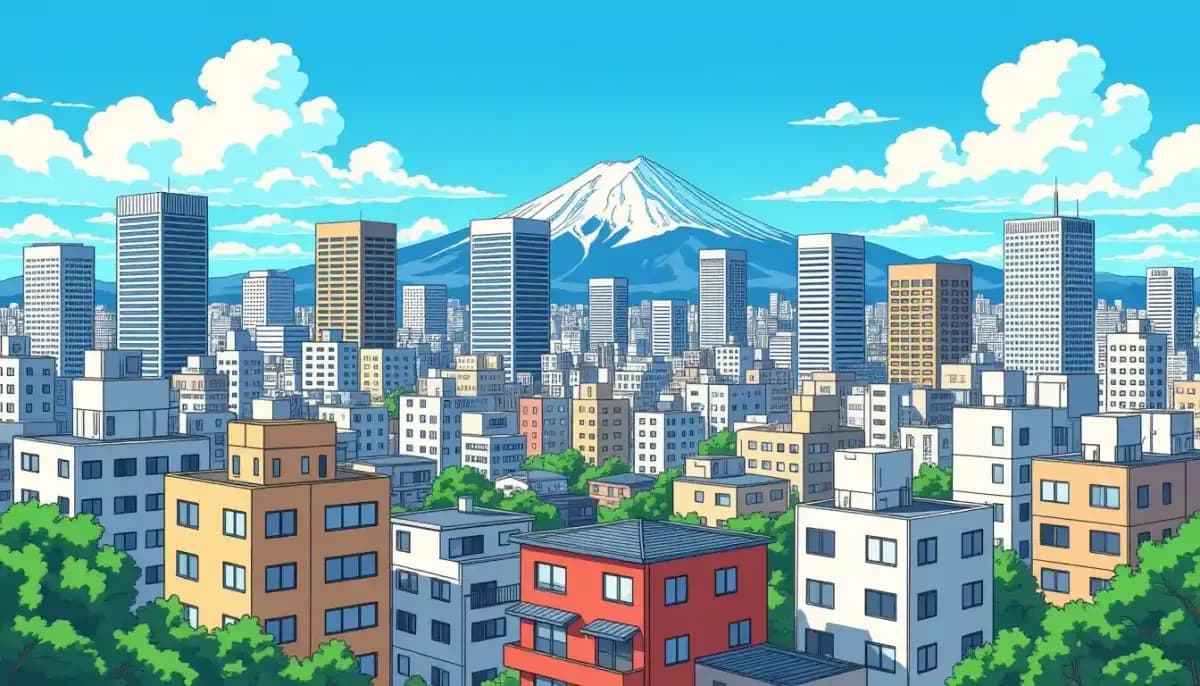
Discover the best areas to buy property in Japan for investment. Compare Tokyo, Osaka, Fukuoka, Kyoto and more with rental yields, price trends, and tips for foreign investors.
Best Areas to Buy Property in Japan for Investment
Japan's real estate market has become one of the most attractive destinations for foreign investors worldwide. With no legal restrictions on foreign ownership, a stable legal framework, historically low interest rates, and a weakened yen that makes properties relatively affordable in global terms, buying property in Japan has never been more appealing. Whether you're looking for steady rental income, long-term capital appreciation, or a personal home in this fascinating country, choosing the right location is the key to a successful investment.
This guide breaks down the best areas to buy property in Japan for investment purposes, covering major cities, emerging markets, and niche opportunities like the famous "akiya" (vacant home) market.
Why Japan Is a Strong Property Investment Market
Before diving into specific locations, it's worth understanding what makes Japan such a compelling investment destination in the first place.
No Restrictions on Foreign Ownership — Unlike many Asian markets such as Thailand or Indonesia, Japan allows foreigners to purchase land and buildings with the same rights as Japanese citizens. There are no nationality-based restrictions. Since July 2025, large land transactions require nationality disclosure for security purposes, but this doesn't affect ownership rights.
Weak Yen = Strong Entry Point — The weakened yen has made Japanese properties significantly cheaper for foreign buyers holding USD, EUR, or other major currencies. Foreign investment in Japan's real estate surpassed $10 billion in recent years, with a 45% increase driven largely by currency advantages.
Strong Rental Demand — Occupancy rates in Tokyo's 23 wards reached 96.6%, and foreign investors now account for approximately 27% of property transactions nationwide, with up to 40% of new apartment sales in central Tokyo going to international buyers.
Stable Legal Framework — Japan has a transparent, well-established legal system for property transactions with clear title registration. The purchase process is straightforward, though it requires specific documentation for foreign buyers.
For a comprehensive overview of finances and banking as a foreign resident in Japan, see our guide to banking and finance in Japan.
Tokyo: The Anchor of Japanese Real Estate
Tokyo is, without question, the most liquid and stable property market in Japan. As the world's most populous metropolitan area, demand for rental and residential properties remains consistently strong.
Best Wards for Investment:
- Minato, Chiyoda, and Chuo — Central premium wards with high land values and strong capital appreciation. Expect to pay well above ¥1,000,000 per square meter for prime properties. Rental yields average 3.44% in central districts (ranging from 2.54% to 5.22%).
- Shinjuku and Shibuya — High foot traffic, international appeal, and strong short-term and long-term rental demand.
- Western Wards (Setagaya, Nerima, Suginami) — More affordable at around ¥500,000 per square meter, combining reasonable prices with good transport access to the center.
Tokyo Investment Profile:
- Rental yield: 3-4% in central wards, up to 5%+ in outer areas
- Annual price growth: 5-6% expected for 2025
- Risk level: Low — the most liquid market with strong exit options
Tokyo suits investors who prioritize capital preservation and long-term appreciation over maximizing rental yield. The stable occupancy and exit liquidity make it the safest choice, even if returns are somewhat lower than regional cities.
Osaka: High Yields and Major Redevelopment
Osaka is Japan's second-largest metropolitan area and arguably the best city outside of Tokyo for property investment. Properties are 30-40% cheaper than comparable Tokyo properties, while rental yields are notably higher at approximately 4.5%.
Key Investment Areas in Osaka:
- Namba and Shinsaibashi — Central entertainment and shopping districts with strong demand for short-term rentals from tourists and long-term rentals from young professionals.
- Umeda (Kita district) — Osaka's business hub and major transport node; ongoing large-scale redevelopment is expected to boost property values significantly over the coming decade.
- Yodogawa Ward — Contains Shin-Osaka Station, the western terminus of the Shinkansen high-speed rail, making it a strategic location for commuters and travelers.
The Osaka IR Project — The Integrated Resort project planned for Yumeshima island (Osaka Bay area) represents one of Japan's largest urban development initiatives. Properties in surrounding areas are positioned for significant appreciation as the project progresses.
Osaka Investment Profile:
- Rental yield: ~4.5%
- Property prices: 30-40% below Tokyo equivalent
- Risk level: Moderate — strong growth potential but slightly less liquidity than Tokyo
Fukuoka: Japan's Fastest-Growing Property Market
Fukuoka has emerged as the star performer of Japan's regional property markets. Located on the northern tip of Kyushu island, this city combines affordable prices with exceptional growth fundamentals.
Why Fukuoka Stands Out:
- 13 consecutive years of rising property prices, with 9% growth recorded in 2025
- Housing costs 30-40% below Tokyo, with one-bedroom apartments starting around ¥65,000/month
- One of Japan's fastest-growing expat communities, with the highest increase in foreign-born residents among major cities
- A thriving tech sector and startup ecosystem, attracting young professionals
Best Areas in Fukuoka:
- Hakata and Tenjin — City center areas with excellent transport links and high rental demand from young professionals and students.
- Momochi and Nishi Ward — Waterfront development areas with modern residential complexes and improving infrastructure.
Fukuoka Investment Profile:
- Rental yield: 5-6%
- Annual price growth: 9% (2025)
- Risk level: Moderate — high growth but requires understanding of local tenant market
If you're considering relocating to Fukuoka for work, our guide to working in Japan as a foreigner covers the employment landscape in detail.
Kyoto: Cultural Capital With Premium Appeal
Kyoto attracts a unique investor profile — those seeking properties with cultural significance, tourism appeal, and long-term value linked to Japan's heritage. It consistently ranks as a top destination for foreign buyers seeking homes outside of Tokyo.
Top Areas in Kyoto:
- Sakyo Ward — Features iconic landmarks like Ginkaku-ji (Silver Pavilion) and the Philosopher's Walk. Appeals strongly to those seeking traditional aesthetics and tourist rental income.
- Higashiyama Ward — A UNESCO World Heritage area (home to Kiyomizu-dera Temple) with preserved traditional architecture. Premium properties here command significant premiums.
- Fushimi Ward — More affordable, with good transport access and a different character suited to long-term residential tenants.
Kyoto's strict building regulations protect the city's character but also limit new supply, supporting long-term property values. Short-term rental regulations have tightened in recent years, so investors should understand local rules before purchasing with Airbnb-type income in mind.
For insights into Japanese cultural norms that will help you understand what tenants and buyers value in properties, see our Japanese culture and etiquette guide.
Sapporo and Hokkaido: High Yields and Winter Tourism
Sapporo, the capital of Hokkaido, offers some of the highest rental yields among Japan's major cities at approximately 5%, with the added appeal of a booming winter tourism market.
Key Facts:
- Sapporo's ski resorts (Niseko, Furano) attract international visitors willing to pay premium rates for short-term rentals during ski season.
- Property prices in Sapporo are significantly lower than Tokyo or Osaka, offering strong entry-point value.
- The city has a large student population (multiple universities) providing stable year-round long-term rental demand.
- Regional cities like Sapporo offer 4.4-5.1% rental yields with 2-5% annual appreciation.
Niseko (Rural Hokkaido): For luxury ski resort investment, Niseko has become one of Asia's premier ski destinations. International demand from Australian, Chinese, and Southeast Asian investors has pushed up prices, but yields on quality chalets and apartments during ski season remain attractive for those willing to manage seasonal vacancy.
Yokohama: Tokyo Proximity at Lower Prices
Yokohama is Japan's second-largest city by population and sits immediately adjacent to Tokyo, making it a natural spillover market for buyers priced out of the capital.
- Land values average approximately ¥250,000 (~$1,600) per square meter, compared to ¥500,000+ in many Tokyo suburbs
- Excellent transportation links — 30-40 minute commute to central Tokyo via multiple train lines
- Strong local economy with major port infrastructure, international corporations, and a sizable expat community
- Kanagawa Ward in Yokohama borders Tokyo Bay and is particularly popular with foreign buyers
Yokohama suits investors who want Tokyo-adjacent exposure with a lower entry price point and slightly better yields.
The Akiya Opportunity: Japan's Vacant Home Market
One of Japan's most unique investment opportunities is the "akiya" market — vacant homes that are increasingly common as Japan's population ages and rural areas depopulate.
As of October 2023, Japan has 8.99 million vacant homes, representing 13.8% of all homes in the country. Many of these properties are available at extremely low prices — sometimes under ¥1 million ($6,000-7,000) — through akiya banks (databases maintained by local governments).
Key Considerations for Akiya Investment:
- Rural akiya can be extremely cheap but require significant renovation costs
- Some municipalities offer subsidies and grants to buyers who renovate akiya
- Long-distance property management is challenging for overseas investors
- Rental demand in depopulating rural areas is limited — best suited for personal use or short-term tourist rental in scenic areas
- Urban akiya (in smaller cities) can offer better fundamentals with more manageable renovation scope
For more information on the housing landscape in Japan, see our complete guide to finding housing in Japan.
Understanding Costs and Taxes
Buying property in Japan comes with significant transaction costs — typically around 10% of the purchase price — that investors must factor into ROI calculations.
| Cost Item | Rate/Amount |
|---|---|
| Brokerage commission | 3% + ¥60,000 + consumption tax |
| Registration tax | 2% of assessed value |
| Acquisition tax | 3-4% of assessed value |
| Stamp duty | ¥10,000-60,000 |
| Attorney/judicial scrivener fees | ¥100,000-150,000 |
| Annual property tax | 1.4% of assessed value |
| Annual city planning tax | 0.3% of assessed value |
| Capital gains tax (under 5 years) | 39% |
| Capital gains tax (over 5 years) | 20% |
Mortgage Considerations: Foreigners with permanent residency (PR) have access to standard mortgage terms. Without PR, requirements are stricter: you typically need a Japanese spouse or PR partner, 3+ years of employment history, and a 30%+ down payment. Current mortgage rates are approximately 0.7% variable and 1.9% fixed (35-year term), which are exceptionally low by global standards.
For detailed guidance on taxes including rental income reporting, see our complete taxes guide for foreigners in Japan.
Area Comparison: Investment Snapshot
| City/Area | Rental Yield | Annual Appreciation | Entry Price (vs Tokyo) | Best For |
|---|---|---|---|---|
| Central Tokyo | 3-4% | 5-6% | Baseline | Capital preservation, liquidity |
| Outer Tokyo | 4-5% | 4-5% | -20% | Balanced yield/growth |
| Yokohama | 4-5% | 3-4% | -30% | Tokyo proximity, value |
| Osaka | ~4.5% | 3-5% | -35% | Yield + redevelopment upside |
| Fukuoka | 5-6% | 9% (2025) | -40% | Growth, expat market |
| Kyoto | 3-5% | 2-4% | -20% | Cultural, tourism appeal |
| Sapporo | ~5% | 2-4% | -50% | Yield, ski tourism |
| Rural/Akiya | Varies | Varies | -80%+ | Bargain hunting, renovation |
How to Get Started: Practical Steps for Foreign Buyers
- Define your investment goal — Capital growth, rental yield, personal use, or a mix? Your goal determines the best location and property type.
- Research visa and residency status — Your residency status significantly affects mortgage access. PR holders have the most options. See our Japan visa and immigration guide.
- Engage a bilingual real estate agent — A licensed agent familiar with working with foreign clients is essential. Many agencies in Tokyo, Osaka, and Fukuoka specialize in international buyers.
- Understand the purchase process — The typical process takes 3-6 months from search to settlement. You must file a Financial Minister notice within 20 days of signing a contract under Japan's Foreign Exchange Law.
- Plan for property management — If you're not living in Japan, you'll need a property management company to handle tenant relations, maintenance, and rent collection.
For broader context on living costs to help calibrate your property budget, our cost of living guide for Japan provides comprehensive data.
Additional Resources for Property Investors
For detailed guidance on the full buying process, mortgages, and legal requirements as a foreign buyer, Living in Nihon's comprehensive property and mortgage guide is an excellent starting point covering everything from documentation requirements to loan approval timelines.
If you're relocating to Japan for work and considering buying a home, For Work in Japan's housing infrastructure guide covers the practical aspects of establishing yourself in the Japanese housing market.
For a broader view of regional property opportunities, Hay Insights' analysis of Japan real estate investment for 2025 provides excellent market intelligence covering current trends and forecasts.
The realestate.co.jp guide to where foreigners buy homes outside Tokyo offers detailed, current data on which specific wards and neighborhoods are most popular with international buyers.
For broader investment perspectives, Bamboo Routes' reasons to buy property in Japan makes a compelling data-driven case for Japan as an investment destination in the current global market environment.
Finally, for IT professionals considering Japan — a key demographic for Fukuoka and tech-hub areas — Ittenshoku's career transition resources are useful for understanding the professional landscape that drives rental demand in those markets.
Conclusion
Japan offers a rare combination of a stable legal environment, open foreign ownership rules, low financing costs, and genuine geographic diversification across investment profiles. Whether you're drawn to the liquidity and stability of central Tokyo, the high yields of Fukuoka and Sapporo, the redevelopment potential of Osaka, the cultural premium of Kyoto, or the contrarian appeal of akiya properties, there is a compelling Japan property investment case for almost every strategy.
The key is matching your investment goals, risk tolerance, and practical capacity (for property management, renovations, etc.) to the right location. With foreign investors already accounting for over a quarter of transactions and the yen remaining favorable, the window to enter the Japanese market at current conditions remains open — but windows don't stay open forever.
Start by clarifying your goals, get professional local advice, and dive deep into the specific areas that align with your investment thesis. Japan's property market rewards informed, patient investors generously.

Originally from Vietnam, living in Japan for 16+ years. Graduated from Nagoya University, with 11 years of professional experience at Japanese and international companies. Sharing information about living in Japan for foreigners.
View Profile →Related Articles

Japan Real Estate Scams to Watch Out For
Learn how to spot and avoid Japan real estate scams. From fake listings and key money fraud to unlicensed agents — protect yourself with our complete guide for foreigners renting or buying in Japan.
Read more →
Airbnb and Minpaku Investment in Japan Legal Guide
A complete guide to Airbnb and minpaku investment in Japan for foreigners. Learn about licensing types, registration steps, regional restrictions, investment returns, and legal requirements under Japan's Private Lodging Business Act.
Read more →
Japan Property Buying Process Step by Step Explained
Complete step-by-step guide to buying property in Japan as a foreigner. Covers the 7 stages from property search to ownership transfer, costs, timelines, and legal requirements.
Read more →
Japan Condo Mansion vs House Which to Buy
Comparing Japan mansion (condo) vs detached house for foreign buyers. Full breakdown of costs, monthly fees, value retention, earthquake safety, mortgages, and which option fits your lifestyle.
Read more →
Rental Income Tax in Japan for Foreign Property Owners
Complete guide to rental income tax in Japan for foreigners. Learn about the 20.42% withholding tax for non-residents, deductible expenses, tax agent requirements, and how to file your Japanese tax return.
Read more →
Property Management in Japan Guide for Foreign Owners
Everything foreign owners need to know about property management in Japan: management fees, bilingual companies, tax obligations, legal requirements, and tips for managing rental property from overseas.
Read more →