
Property Management in Japan Guide for Foreign Owners

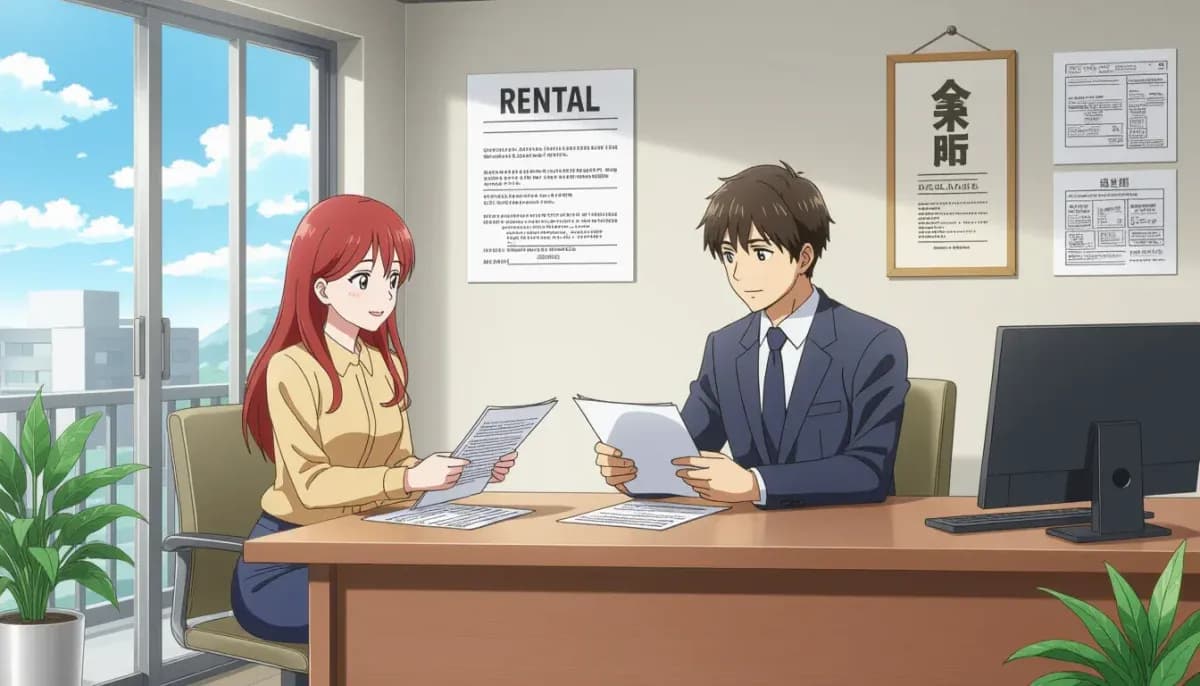
Everything foreign owners need to know about property management in Japan: management fees, bilingual companies, tax obligations, legal requirements, and tips for managing rental property from overseas.
Property Management in Japan: A Complete Guide for Foreign Owners
Owning property in Japan as a foreigner is a smart investment — but managing it from overseas introduces a set of challenges that many first-time international investors underestimate. From language barriers and tax obligations to strict tenant protection laws and overseas remittance rules, successful property management in Japan requires careful planning and the right local partners.
This guide walks you through everything you need to know about property management in Japan as a foreign owner: how to choose a management company, what fees to expect, your tax obligations, and the key legal requirements that changed in recent years.
Why Property Management in Japan Is Different for Foreigners
Japan's real estate market is famously stable and foreigner-friendly in terms of ownership rights. However, managing rental property as an overseas owner is significantly more complex than it is for Japanese residents.
The most immediate challenge is language. Nearly all administrative processes — lease agreements, tenant communications, property tax notices, maintenance contracts — are conducted entirely in Japanese. A single miscommunication can lead to legal disputes, unhappy tenants, or missed tax deadlines.
Beyond language, foreign owners face a structural problem: many Japanese property management companies simply refuse to take on overseas clients. The reason is straightforward — managing properties for non-residents requires handling overseas remittances, which have become subject to stringent anti-money laundering checks by Japanese financial institutions. These extra compliance steps are a burden many companies prefer to avoid.
For insight on the broader experience of living in and owning property in Japan, see the Complete Guide to Moving to Japan as a Foreigner and the comprehensive overview at Living in Nihon's Property Purchase Guide.
Key Legal Requirements for Foreign Property Owners
April 2024: New Registration Law
As of April 2024, Japan's amended Real Estate Registration Law requires all foreign property owners without a Japanese residential address to register a domestic emergency contact. This contact's name and address become part of the public real estate registry — a requirement that can be difficult to fulfill since few individuals voluntarily take on this legal responsibility.
Your property management company can often serve as this registered domestic contact, making this one of the most practical reasons to engage professional management early.
July 2025: Nationality Disclosure for Large Transactions
Since July 1, 2025, large land transactions in Japan require the buyer to disclose their nationality. This is a national security measure and does not restrict foreign ownership, but it is an additional administrative step to be aware of when expanding your portfolio.
Tax Agent Requirement for Non-Residents
If you are not a resident of Japan, you are legally required to appoint a tax agent (納税管理人) to:
- Receive property tax notices on your behalf
- Handle annual property tax payments
- File income tax returns for rental income
- Manage any tax correspondence with Japanese authorities
Failure to appoint a tax agent can result in penalties and tax notices going unresponded to. Most bilingual property management companies can serve as your tax agent — or can refer you to a qualified tax accountant.
For more on Japan's tax system for foreigners, read the Japan Income Tax Guide for Foreign Residents.
Understanding Property Management Fees in Japan
Property management in Japan operates on fee structures similar to those in other developed markets, though overseas owner requirements can add extra costs.
| Fee Type | Standard Rate |
|---|---|
| Monthly management fee | 5% of gross rental income (range: 4–8%) |
| Flat monthly fee option | ¥20,000–¥80,000 per property |
| Tenant placement fee | 1 month's rent per new tenant |
| Lease renewal fee | ¥30,000–¥100,000 per renewal |
| Maintenance markup | 10–20% on contractor labor |
| Major renovation management | 5–15% of project cost |
| Setup fee (overseas owners) | ¥50,000–¥200,000 |
| Annual tax preparation | ¥100,000–¥300,000 |
Most management companies charge the standard 5% monthly management fee. For overseas owners, expect to pay a setup fee at the start of the relationship, plus ongoing fees for tax filing and remittance services. Budget an additional ¥150,000–¥300,000 per year above standard fees if you require tax representation and overseas bank transfers.
Top Bilingual Property Management Companies in Japan
Not every property management company in Japan can serve foreign owners — but several have built their business around this niche. Here are the leading options:
PLAZA HOMES is one of the most internationally recognized companies, with English-speaking staff and comprehensive services covering property acquisition, management, and tenant relations across Tokyo and major cities.
wagaya Japan PM&L manages over 16,000 units and specifically targets foreign owners of rental properties. Their multilingual staff includes English, Chinese, and Vietnamese speakers — making them one of the most accessible options for non-Japanese investors.
Nihon Zaitaku Management Service has over 30 years of experience in rental property management and offers Chinese and English support for overseas property owners.
Axios Management focuses on the Greater Tokyo luxury market and is known for advanced online reporting platforms that allow overseas owners to monitor their properties remotely.
MailMate provides an all-in-one property management solution designed specifically for overseas investors, with bilingual staff serving as a communication bridge between owners, tenants, and Japanese institutions.
For a broader list of companies and a comparison of their services, the Top Property Management Companies in Japan overview at MailMate is an excellent resource.
For advice specifically on navigating work and housing logistics in Japan, check out For Work in Japan's Housing and Living Guide.
Rental Income Tax for Non-Resident Foreign Owners
If you live outside Japan and earn rental income from a property in Japan, you are subject to Japanese tax law as a non-resident. The key tax rules are:
Withholding Tax: Non-residents are subject to a 20.42% withholding tax on Japanese rental income. Your tenant (or their agent) is legally obligated to withhold this amount before paying you. This applies unless your country has a tax treaty with Japan that provides an exemption.
Japan–US Tax Treaty: US residents benefit from the Japan–US tax treaty, which exempts them from the 20.42% withholding tax on Japanese rental income. If you're a US resident, confirm this treaty benefit with a tax accountant before assuming automatic exemption.
Annual Tax Returns: Even with withholding, non-resident owners must file an annual income tax return in Japan. You can deduct legitimate expenses including:
- Property taxes paid (1.4% annual + 0.3% city planning tax)
- Management fees
- Repair and maintenance costs
- Insurance premiums
- Depreciation of the building structure
Overseas Remittance: When your management company remits your net rental income to your foreign bank account, Japanese financial institutions apply anti-money laundering checks. This can involve multiple document requests and verifications. Budget 2–4 weeks for each remittance, and notify your bank in advance for large transfers.
For more details on important considerations for foreign property owners in Japan, see the wagaya Japan guide for foreign rental property owners.
How to Choose the Right Property Management Company
Selecting the wrong management company can cost you significantly — not just in fees, but in tenant turnover, maintenance problems, and tax compliance issues. Evaluate potential companies on these criteria:
Language capability: Verify that the company has native English (or your language) speakers, not just basic translation services. Key documents — lease agreements, maintenance reports, tax filings — must be explained clearly.
Experience with overseas owners: Ask specifically how many overseas clients they currently manage and what their process is for overseas remittances. Companies with few overseas clients will have less efficient compliance procedures.
Technology for remote monitoring: The best companies offer online portals where you can view rental income, maintenance reports, and financial summaries in English without having to request reports manually.
Tax and legal services: Confirm whether the company can serve as your tax agent, and whether they include tax preparation in their fees or charge separately.
Emergency protocols: Japan experiences earthquakes, typhoons, and floods. Your management company needs a clear emergency response protocol and 24/7 contact availability.
Geographic coverage: If you own properties in multiple cities, a national company like PLAZA HOMES or wagaya Japan will provide more consistent service than local specialists.
Setting Up Your Property for Rental Success
Before your management company lists the property, make sure it meets the practical expectations of Japanese tenants:
Furnished vs. Unfurnished: In Japan, most long-term rentals are unfurnished. Furnished rentals targeting expats and short-term tenants can achieve higher rents but have higher turnover.
Air Conditioning: Air conditioning is expected in every main room. If your property lacks AC units, install them before listing — this is a non-negotiable for most tenants.
Internet Infrastructure: High-speed fiber internet is standard in most Japanese apartments. If your building does not have fiber capability, consult with your management company about available options.
Appliances: Most Japanese long-term rentals include a washing machine hookup but not a washing machine itself. A refrigerator and microwave are borderline — check what comparable properties offer in your area.
Renovation: Older Japanese properties (築古) can command significantly lower rents. Even minor cosmetic renovations — new flooring, fresh paint, updated fixtures — can meaningfully increase your rental yield and reduce vacancy periods.
For tips on the practical aspects of living and managing a property in Japan, also see the guide to Setting Up Utilities in Your Japan Apartment.
Conclusion: Succeed as a Foreign Property Owner in Japan
Property management in Japan for foreign owners is manageable — but it requires the right professional infrastructure. The key steps are:
- Engage a bilingual property management company experienced with overseas clients before you purchase
- Appoint a tax agent to handle your Japanese tax obligations
- Understand the withholding tax rules and any treaty benefits that apply to your country
- Budget for setup fees, tax preparation, and remittance costs on top of standard management fees
- Choose a company with strong technology for remote monitoring and transparent English-language reporting
Japan's property market offers solid long-term returns, stable tenancy, and strong legal protections for landlords — as long as you navigate the administrative requirements correctly. With the right management company in place, you can own and operate rental property in Japan successfully from anywhere in the world.
If you are considering relocating to Japan as part of your investment strategy, Ittenshoku offers comprehensive resources on working and living in Japan for international professionals.
For a deeper dive into the property buying process itself, visit the Complete Guide to Buying Property in Japan for Foreigners at Living in Nihon, and explore the full overview of Japan property management for overseas investors at Tokyo Luxury Towers.

Originally from Vietnam, living in Japan for 16+ years. Graduated from Nagoya University, with 11 years of professional experience at Japanese and international companies. Sharing information about living in Japan for foreigners.
View Profile →Related Articles

Japan Real Estate Scams to Watch Out For
Learn how to spot and avoid Japan real estate scams. From fake listings and key money fraud to unlicensed agents — protect yourself with our complete guide for foreigners renting or buying in Japan.
Read more →
Airbnb and Minpaku Investment in Japan Legal Guide
A complete guide to Airbnb and minpaku investment in Japan for foreigners. Learn about licensing types, registration steps, regional restrictions, investment returns, and legal requirements under Japan's Private Lodging Business Act.
Read more →
Japan Property Buying Process Step by Step Explained
Complete step-by-step guide to buying property in Japan as a foreigner. Covers the 7 stages from property search to ownership transfer, costs, timelines, and legal requirements.
Read more →
Japan Condo Mansion vs House Which to Buy
Comparing Japan mansion (condo) vs detached house for foreign buyers. Full breakdown of costs, monthly fees, value retention, earthquake safety, mortgages, and which option fits your lifestyle.
Read more →
Best Areas to Buy Property in Japan for Investment
Discover the best areas to buy property in Japan for investment. Compare Tokyo, Osaka, Fukuoka, Kyoto and more with rental yields, price trends, and tips for foreign investors.
Read more →
Rental Income Tax in Japan for Foreign Property Owners
Complete guide to rental income tax in Japan for foreigners. Learn about the 20.42% withholding tax for non-residents, deductible expenses, tax agent requirements, and how to file your Japanese tax return.
Read more →