
How to Sell a Car in Japan Complete Guide

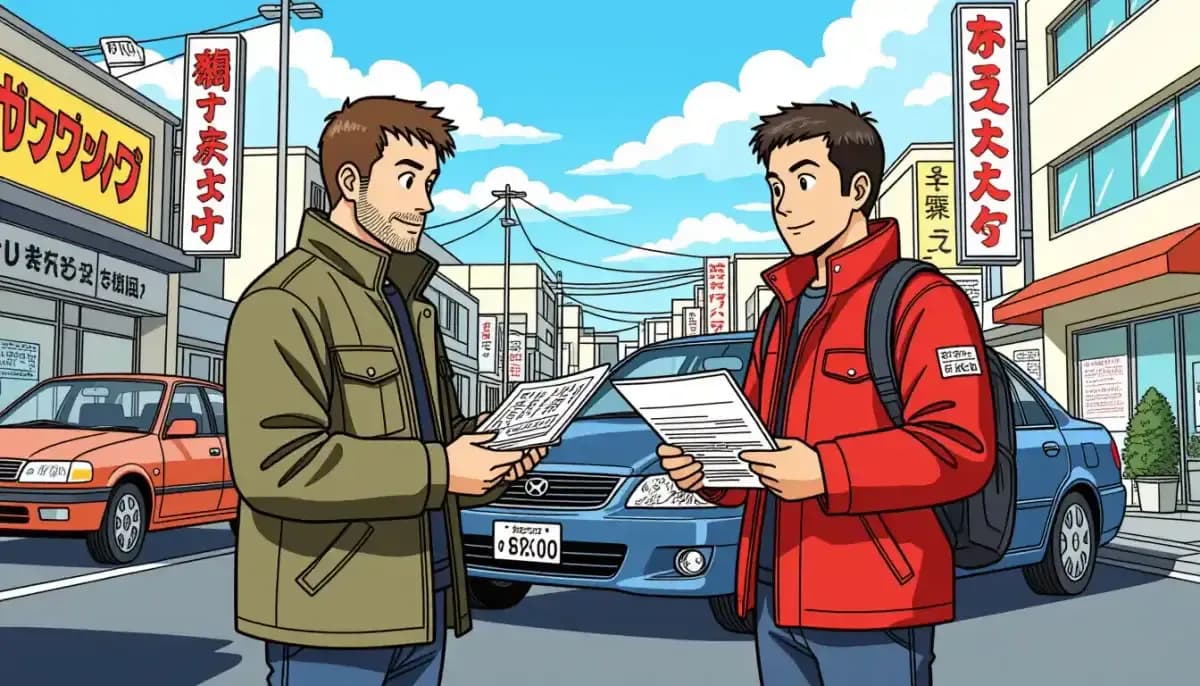
Step-by-step guide to selling your car in Japan as a foreigner. Covers required documents, 4 selling methods, shaken tips, tax refunds, and how to get the best price.
How to Sell a Car in Japan: A Complete Guide for Foreigners
Selling a car in Japan can be a surprisingly straightforward process — if you know the rules. Whether you're leaving the country, upgrading to a new vehicle, or simply no longer need a car, this guide walks you through every step of selling your car in Japan as a foreigner.
From gathering the right paperwork to choosing the best sales channel, we cover everything you need to know to get the best price and avoid common pitfalls.
Why Selling a Car in Japan Is Different for Foreigners
Japan has a highly regulated vehicle ownership system, and selling a car involves more paperwork than most expats expect. The process requires specific documentation that is tied to your residency status, your registered personal seal (inkan), and the official vehicle inspection system known as shaken (車検).
The good news: Japan has a thriving used car market. Japanese cars are known for being well-maintained, so used vehicles hold their value relatively well. Even older vehicles can fetch reasonable prices if they're in good condition and have valid shaken.
Key differences for foreigners include:
- You generally need permanent residency to sell a vehicle through formal channels (though long-term visa holders can also sell in many cases)
- You need a registered inkan (personal seal) and its certificate
- You must handle vehicle deregistration properly to avoid ongoing tax liability
For a broader understanding of transportation in Japan, see our guide on transportation in Japan for foreigners.
The 4 Main Methods to Sell Your Car in Japan
There are four primary ways to sell a car in Japan, each with distinct advantages and trade-offs.
| Method | Best For | Price Outcome | Speed |
|---|---|---|---|
| Trade-in at Dealer | Convenience, buying new car | Low | Fast (1–3 days) |
| Used Car Buyers (買取業者) | Quick cash, no hassle | Moderate | Fast (1–5 days) |
| Auction | Maximum price | High | Medium (1–2 weeks) |
| Private Sale | Best price, flexible | Highest | Slow (2–4+ weeks) |
1. Trade-In at a Dealership
If you're buying a new or used car at the same time, a trade-in is the most convenient option. The dealer handles all paperwork and deducts the trade-in value from your new purchase price. However, you'll typically receive a lower price than other methods.
2. Used Car Buying Specialists (買取業者)
Companies like Gulliver, BIGMOTOR, Mitsui Fudosan, and Car One specialize in buying used cars directly from individuals. You bring your car in (or request a home visit), they assess it, and make an offer on the spot. Getting multiple quotes (at least 3–5) is strongly recommended, as prices can vary significantly.
3. Car Auctions
In Japan, car auctions are highly efficient and often yield the highest prices. Many used car buyers access auction networks, but you can also use auction services directly. The car is assessed and listed, and dealers bid on it. This method consistently delivers better returns than direct dealer sales, though it requires waiting 1–2 weeks for the auction to complete.
4. Private Sale
Private sales allow you to keep the full sale price without a middleman. As of 2022, Facebook Groups are the top platform for private car sales in Japan, particularly among the expat community. Search for English-language neighborhood groups in your area. Yahoo! Auctions (ヤフオク) and Goo-net Exchange are also popular platforms.
The downside: you're responsible for all paperwork and the transfer takes at least 2 weeks from agreement to completion.
Required Documents for Selling a Car in Japan
Before you sell your car, gather all required documents. Missing even one can delay or invalidate the transaction.
| Document | Japanese Name | Notes |
|---|---|---|
| Vehicle inspection certificate | 車検証 (shakenshōmeisho) | Original required |
| Transfer certificate | 譲渡証明書 (jotoshomeisho) | Seller must create |
| Power of attorney | 委任状 (ininjō) | If using an agent |
| Certificate of registered seal | 印鑑証明書 (inkanshōmeisho) | Issued by city hall |
| Registered inkan | 印鑑 (inkan) | Must be officially registered |
| Residence certificate | 住民票 (jūminhyō) | Required if address differs from registration |
| Vehicle recycling certificate | 自動車リサイクル券 | Recommended |
| Vehicle tax payment receipt | 自動車納税証明書 | Recommended |
How to Get Your Certificate of Registered Seal
Visit your local city hall (市役所) or ward office (区役所) with your residence card (在留カード). The certificate is typically issued same-day and costs around ¥300–¥500.
Step-by-Step: How to Sell Your Car in Japan
Here is the complete process for selling your car privately or through a used car buyer:
Step 1: Gather all documents Collect all documents listed above. Check that your shaken (vehicle inspection) is current — it significantly affects your sale price.
Step 2: Get multiple quotes Visit at least 3–5 used car buying specialists to get competing offers. Online estimate services like Shakahari or Mitsui Carmarche let you compare quotes without visiting each dealer.
Step 3: Choose a method and agree on price Once you've selected a buyer or platform, agree on the final sale price in writing.
Step 4: Complete the transfer paperwork The buyer (or their agent) typically handles filing at the Transport Bureau (運輸局). As the seller, you sign the transfer certificate and power of attorney. If selling privately, both parties must visit the Transport Bureau together.
Step 5: Cancel your insurance After the sale is complete, contact your insurance provider immediately to cancel your auto insurance policy. You may receive a partial refund for unused months.
Step 6: Cancel your car registration (if deregistering) If the vehicle is being scrapped, you'll need to submit an Application for Permanent Deregistration at the Road Transportation Bureau. This also makes you eligible for vehicle tax refunds.
For more on managing your finances in Japan, see our banking and finance guide.
Understanding Shaken and Its Impact on Your Sale Price
Shaken (車検) is Japan's mandatory vehicle inspection system, required every two years (three years for new vehicles). The cost varies but typically ranges from ¥60,000–¥150,000 for a standard passenger car.
The remaining shaken validity directly impacts your resale value:
- 12+ months remaining: Significant premium on sale price
- 6–12 months remaining: Slight premium
- Under 6 months: Buyers will factor in shaken costs and offer less
- Expired shaken: Much lower offers; some dealers won't purchase
If your shaken expires soon, it's worth calculating whether renewing before selling makes financial sense. In many cases, a new shaken increases your sale price by more than the renewal cost.
Tax Considerations When Selling a Car
Vehicle Tax Refund
If you cancel your vehicle registration (e.g., when scrapping the car), you may be eligible for a refund of the vehicle classification tax and vehicle weight tax.
If you dispose of your vehicle after April 1st and cancel registration, you're entitled to a refund corresponding to the amount paid from the following month of cancellation through the end of the fiscal year (March 31). Apply at a Road Transportation Bureau branch office.
Note: Tax refunds do not apply when transferring ownership to another person — only when the vehicle is scrapped and permanently deregistered.
Consumption Tax
For most individual sellers, no consumption tax applies to private sales. However, if you operate a business, different rules may apply. Consult a tax professional if unsure. See our taxes guide for foreigners in Japan for more information.
Tips for Getting the Best Price
- Get quotes from multiple buyers: Prices vary widely — sometimes by ¥100,000 or more for the same vehicle
- Clean and detail the car: First impressions matter; a clean car signals good maintenance
- Gather all maintenance records: A full service history increases buyer confidence and price
- Time your sale carefully: Avoid selling in January–February when market activity is lower; spring and fall are peak used car buying seasons
- Check your shaken status: Valid shaken (especially 12+ months) is one of the biggest price factors
- Don't rush: Taking 2–3 weeks to compare offers can yield significantly better results
Resources and English-Language Support
Many foreigners are surprised to find that selling a car in Japan can be done with minimal Japanese if you use the right services. Several companies cater specifically to foreign residents:
- Lease Japan and Asahi Motors offer English-language buying and selling support
- Facebook Groups (search your city + "expat" or "foreigner") are the best places for private English-language sales
- Yahoo! Auctions and Goo-net Exchange are the major online platforms
For further guidance on car ownership and transportation in Japan, check out:
- Living in Nihon — Transportation Guide
- For Work in Japan — Living in Japan
- Ittenshoku — Living and Working in Japan
- Tokyo Cheapo — Buying and Selling a Used Car Privately in Japan
- Expatica — Buying, Selling, and Importing a Car in Japan
Related guides: Moving to Japan Guide | Daily Life in Japan | Cost of Living in Japan

Originally from Vietnam, living in Japan for 16+ years. Graduated from Nagoya University, with 11 years of professional experience at Japanese and international companies. Sharing information about living in Japan for foreigners.
View Profile →Related Articles
Best Cars for Foreigners Living in Japan
Discover the best cars for foreigners living in Japan, from kei cars like the Honda N-Box to electric options. Complete guide to buying, costs, and requirements for expats.
Read more →
Car Maintenance and Repair in Japan Guide
A complete guide to car maintenance and repair in Japan for foreigners. Learn about shaken inspections, costs, finding mechanics, seasonal care, and JAF membership.
Read more →
Getting a Motorcycle License in Japan as a Foreigner
Step-by-step guide for foreigners getting a motorcycle license in Japan. Learn about license types, driving camps, license conversion, costs, and requirements for expats.
Read more →
Japan Highway and Toll System Complete Guide
Everything foreigners need to know about Japan's highway toll system: ETC cards, toll rates, discounts, expressway passes, speed limits, and practical driving tips for expats and visitors.
Read more →
Renting a Car in Japan as a Foreign Driver
Everything foreigners need to know about renting a car in Japan: IDP requirements, which countries can drive, major rental companies, costs, road rules, and tips for first-time drivers.
Read more →
Japan Parking Rules Costs and Tips for Drivers
Complete guide to parking in Japan for foreigners and expats. Learn how coin parking works, what things cost (¥100–¥500 per 30 min), parking rules, fines up to ¥18,000, and tips to avoid violations.
Read more →