
Car Maintenance and Repair in Japan Guide

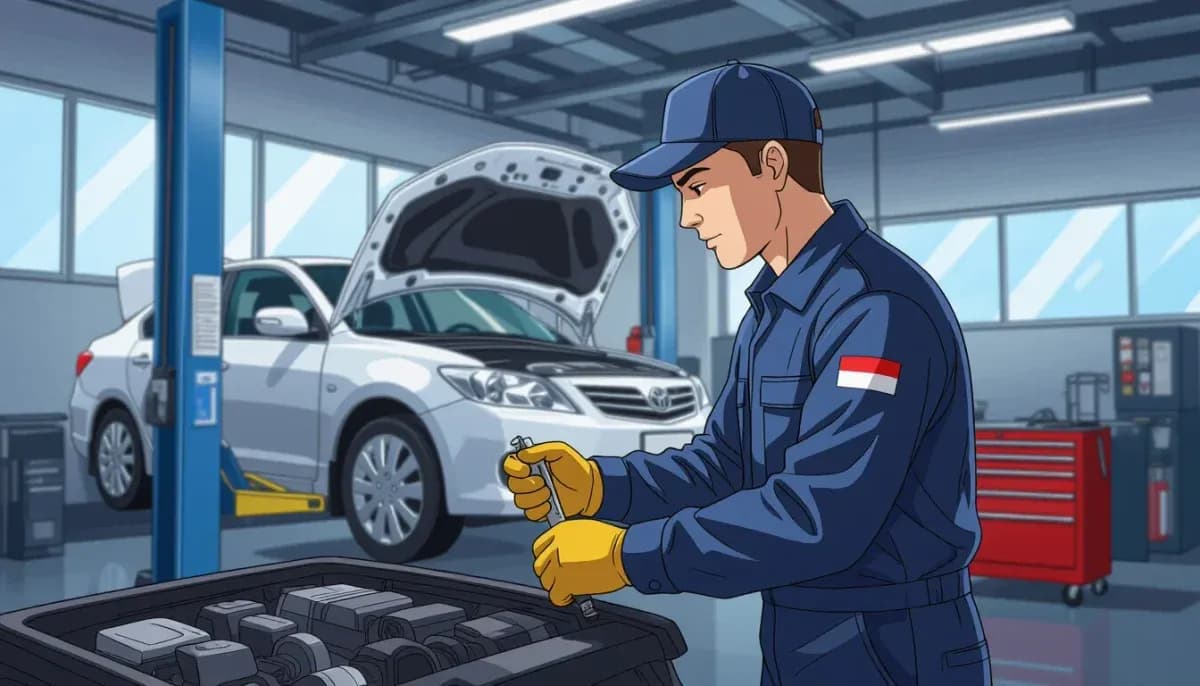
A complete guide to car maintenance and repair in Japan for foreigners. Learn about shaken inspections, costs, finding mechanics, seasonal care, and JAF membership.
Car Maintenance and Repair in Japan: The Complete Guide for Foreigners
Owning a car in Japan comes with a unique set of responsibilities that differ significantly from what you may be used to back home. Japan's vehicle maintenance culture is thorough, rigorous, and legally mandated — which means keeping your car in good shape isn't just good practice, it's the law. For foreigners navigating the Japanese automotive system, understanding the rules, costs, and processes involved can save you time, money, and a lot of confusion.
This guide covers everything you need to know about car maintenance and repair in Japan, from the infamous shaken inspection to finding an English-friendly mechanic and handling seasonal upkeep.
!Car maintenance Japan - mechanic inspecting vehicle in Japanese auto repair shop

Understanding Shaken: Japan's Mandatory Vehicle Inspection
The most important concept in Japanese car maintenance is shaken (車検), the mandatory vehicle safety inspection required by law. Unlike basic annual checks in many other countries, shaken is a comprehensive, expensive, and legally binding requirement.
How Often Is Shaken Required?
- New cars: First inspection 3 years after initial registration
- All other vehicles: Every 2 years
This means if you buy a used car, you'll typically face shaken sooner rather than later. Always check when the current shaken expires before purchasing a used vehicle.
What Does Shaken Cover?
Shaken inspects a wide range of systems including:
- Brakes and brake pads
- Tire tread depth and condition
- Headlights, turn signals, and hazard lights
- Exhaust emissions
- Seat belts
- Steering system
- Windshield and windows
If any part fails inspection, you must pay for repairs before the shaken is certified — meaning the cost of shaken can vary dramatically depending on your vehicle's condition.
Required Documents for Shaken
You need three key documents:
- Vehicle Inspection Certificate (車検証, shakken-sho)
- Compulsory Automobile Liability Insurance Certificate (CALI / 自賠責保険)
- Automobile Tax Payment Certificate (自動車税納税証明書)
Important from April 2025: Shaken can now be renewed up to 2 months before expiration without affecting your renewal cycle. This is a recent change that gives you more flexibility in scheduling.
Consequences of Expired Shaken
Driving with an expired shaken is a violation of the Road Transport Vehicle Act. Penalties include:
- Fines and potential imprisonment (up to 6 months)
- Your car insurance becomes invalid — leaving you fully liable in any accident
Always keep track of your shaken expiration date. It's printed on the certificate kept inside your car.
Shaken Costs: What to Expect
Shaken costs are one of the biggest surprises for new car owners in Japan. The total amount combines legal fees, mandatory insurance premiums (for the next two years), and any required repairs.
| Vehicle Type | Typical Shaken Cost Range |
|---|---|
| Kei car (軽自動車) | ¥60,000 – ¥80,000 |
| Standard passenger car | ¥100,000 – ¥150,000 |
| Luxury / import vehicles | ¥200,000+ |
| DIY user shaken (Kei car) | Under ¥28,000 |
| DIY user shaken (standard car) | Approx. ¥46,000 |
The "user shaken" (ユーザー車検) option allows vehicle owners to bring their car directly to an official inspection center and handle most of the process themselves, significantly reducing costs. However, this requires some Japanese language ability and comfort navigating government procedures.
Where to Get Shaken Done
- Dealerships: Most convenient, English sometimes available, but most expensive
- Designated Garages (Shitei Kojo / 指定工場): Authorized private shops that can conduct inspections in-house — often a good balance of convenience and cost
- Specialized Shaken Centers: Quick service at competitive prices
- Autobacs / Yellow Hat: Large automotive chains that offer shaken services
- DIY at official inspection stations: Cheapest option; requires Japanese language skills
For foreigners who are unfamiliar with the process, using a dealership or a Shitei Kojo is often the most practical option, even if it costs more.
Annual Vehicle Taxes and Recurring Costs
Beyond shaken, car ownership in Japan involves several annual costs that foreigners should budget for.
Automobile Tax (自動車税)
This tax is paid every May and is based on engine displacement:
| Engine Displacement | Annual Tax |
|---|---|
| Under 1,000 cc (Kei cars) | ¥10,800 |
| 1,001 – 1,500 cc | ¥30,500 |
| 1,501 – 2,000 cc | ¥36,000 |
| 2,001 – 2,500 cc | ¥43,500 |
| 2,501 – 3,000 cc | ¥50,000 |
| Over 3,000 cc | ¥66,500+ |
Electric vehicles typically pay ¥25,000 with potential government subsidies available.
Weight Tax (重量税)
This is assessed during the shaken inspection and is based on your vehicle's weight. Eco-friendly and older vehicles may receive discounts.
Insurance Costs
- Compulsory Liability Insurance (CALI / 自賠責保険): Legally mandatory, covers injuries to others. Included in shaken costs.
- Voluntary Insurance: Highly recommended. Costs range from ¥3,000 to ¥10,000 per month depending on coverage, vehicle type, and your driving history.
If you're new to Japan, expect higher premiums initially. A clean driving record in Japan over time will help reduce costs. Learn more about financial planning in Japan at Living in Nihon.
Routine Car Maintenance in Japan
Regular maintenance keeps your car running well and prevents costly repairs at shaken time. Here's what to keep on top of:
Oil Changes
Japan recommends oil changes every 3,000–5,000 km for conventional oil or 7,500–10,000 km for synthetic oil. Dealerships typically charge more; places like Autobacs or Yellow Hat (major automotive chains) offer more affordable service.
Tire Maintenance and Rotation
Tires should be rotated every 5,000–10,000 km. Shaken inspectors check tire tread depth carefully — worn tires will fail the inspection.
Winter tires: In areas with snow (Hokkaido, Tohoku, Japanese Alps, Nagano, etc.), winter tires are practically essential from November through March. Many gas stations offer "Tire Hotel" storage services — they'll store your off-season tires for a monthly fee, which is useful if you live in an apartment without storage space.
Battery, Brakes, and Filters
- Battery: Replace every 3–5 years; check before each shaken
- Brake pads: Inspect every 20,000 km; noisy brakes are a red flag
- Air filter: Replace every 15,000–30,000 km
- Coolant: Check fluid levels seasonally, especially before summer
Maintaining these components proactively helps avoid expensive surprise repairs at shaken time.
Finding a Repair Shop as a Foreigner
The language barrier is one of the biggest challenges for foreign car owners in Japan. Most mechanics do not speak English, and technical automotive language is difficult even for Japanese learners.
Tips for Finding a Mechanic
- Buy from a dealership: If you purchase from an authorized dealer, building a relationship with their service department is the most convenient long-term solution.
- Ask your community: Expat forums, Facebook groups for foreigners in Japan, and sites like For Work in Japan can help you find recommendations from others who've been in your situation.
- Look for English-friendly shops: Some shops in major cities, particularly Tokyo and Osaka, cater to expats. Euro Japan and services like Asahi Motors offer English-language support.
- Bring a Japanese-speaking friend: If you can't find an English-speaking mechanic, having a Japanese-speaking friend or colleague with you can make a huge difference.
- Use Google Translate: The camera translation feature works well for reading repair estimates and forms.
Understanding Repair Estimates
Japanese repair shops are generally honest and reliable — the reputation of a garage matters greatly in Japanese culture. However, always ask for a detailed written estimate (見積もり, mitsumori) before approving any work. You're entitled to ask questions and decline unnecessary repairs.
For relocation and lifestyle guidance including finding automotive services in your area, check out Ittenshoku for career and living resources.
Seasonal Car Care in Japan
Japan's climate varies dramatically by region and season, requiring car owners to adjust their maintenance accordingly.
Summer (June – September)
- Check and top up coolant / antifreeze
- Inspect air conditioning (A/C recharge if needed)
- Check tire pressure (heat increases pressure)
- Replace worn wiper blades before rainy season (梅雨, tsuyu)
Winter (December – March)
- Switch to winter tires in snow-prone regions
- Check battery (cold weather drains batteries faster)
- Keep washer fluid topped up (use freeze-resistant fluid)
- Keep an emergency kit: blanket, shovel, chains
Rainy Season Tips
- Ensure windshield wiper blades are in good condition
- Check for rust around door frames and undercarriage
- Keep interior ventilated to prevent mold and mildew
Key Resources and Emergency Services
Japan Automobile Federation (JAF)
JAF (日本自動車連盟) is Japan's equivalent of AAA or the AA. Membership costs approximately ¥4,000/year for individuals and provides:
- 24-hour roadside assistance
- Towing services
- Battery jump-starts
- Flat tire changes
- Emergency fuel delivery
JAF membership is strongly recommended for all car owners in Japan, especially foreigners. They have English support available and operate nationwide. You can learn more at Japan Automobile Federation.
What to Do in Case of an Accident
- Stop immediately and ensure safety
- Call 110 (police) if injuries or property damage occurred
- Call 119 if anyone is injured and requires an ambulance
- Call your insurance company as soon as possible
- Exchange details with the other party: name, address, license plate, and insurance information
- Do not admit fault at the scene
For comprehensive guidance on living and driving safely in Japan, see our Complete Guide to Transportation in Japan and our overview of Daily Life in Japan for Foreigners.
!Japan roadside assistance - JAF emergency vehicle helping a car owner on the road

Frequently Asked Questions
Can I drive in Japan with a foreign driver's license? International Driving Permits (IDP) based on the Geneva Convention are valid in Japan for up to 1 year from your date of arrival. After that, you must obtain a Japanese license. See our related guide on moving to Japan for more information.
Can I use my car for shaken at any shop? Yes, you can use any licensed repair shop, Shitei Kojo, or official inspection station. You are not required to use the shop where you bought your car.
What happens if my car fails shaken? Your car won't receive a new certificate. You'll need to fix the failed items and return for re-inspection. Many shops allow a re-inspection within a set time window at reduced cost.
Is it worth buying a car in Japan as a foreigner? It depends on where you live. In rural areas, a car is practically essential. In major cities with excellent public transport, it may not be worth the cost. See our guide on Cost of Living in Japan for a full financial breakdown.
Final Tips for Foreign Car Owners in Japan
Car maintenance in Japan is thorough and non-negotiable. The system is designed to keep vehicles safe, reduce emissions, and ensure road safety — and it largely succeeds. For foreigners, the key is to:
- Track your shaken expiration date and schedule it early
- Budget for shaken costs well in advance (¥100,000+ for standard cars)
- Build a relationship with a trusted mechanic or dealership
- Join JAF for roadside peace of mind
- Understand your insurance coverage before you need to use it
Japan's roads are well-maintained and accident rates are relatively low. By staying on top of your vehicle's maintenance, you'll enjoy a safer, more reliable, and less stressful driving experience — whether you're commuting in the suburbs or road-tripping through the countryside.
For more expat resources and practical guides on living in Japan, explore Living in Nihon and For Work in Japan.

Originally from Vietnam, living in Japan for 16+ years. Graduated from Nagoya University, with 11 years of professional experience at Japanese and international companies. Sharing information about living in Japan for foreigners.
View Profile →Related Articles
Best Cars for Foreigners Living in Japan
Discover the best cars for foreigners living in Japan, from kei cars like the Honda N-Box to electric options. Complete guide to buying, costs, and requirements for expats.
Read more →
Getting a Motorcycle License in Japan as a Foreigner
Step-by-step guide for foreigners getting a motorcycle license in Japan. Learn about license types, driving camps, license conversion, costs, and requirements for expats.
Read more →
Japan Highway and Toll System Complete Guide
Everything foreigners need to know about Japan's highway toll system: ETC cards, toll rates, discounts, expressway passes, speed limits, and practical driving tips for expats and visitors.
Read more →
How to Sell a Car in Japan Complete Guide
Step-by-step guide to selling your car in Japan as a foreigner. Covers required documents, 4 selling methods, shaken tips, tax refunds, and how to get the best price.
Read more →
Renting a Car in Japan as a Foreign Driver
Everything foreigners need to know about renting a car in Japan: IDP requirements, which countries can drive, major rental companies, costs, road rules, and tips for first-time drivers.
Read more →
Japan Parking Rules Costs and Tips for Drivers
Complete guide to parking in Japan for foreigners and expats. Learn how coin parking works, what things cost (¥100–¥500 per 30 min), parking rules, fines up to ¥18,000, and tips to avoid violations.
Read more →