
Best Cars for Foreigners Living in Japan

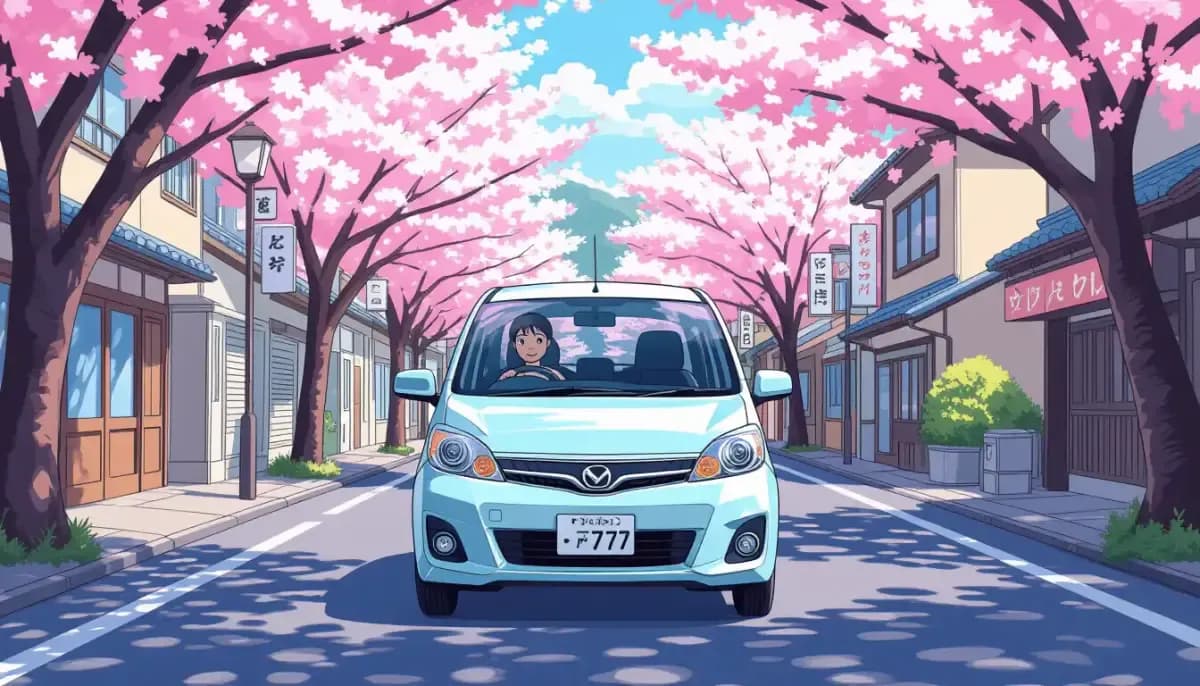
Discover the best cars for foreigners living in Japan, from kei cars like the Honda N-Box to electric options. Complete guide to buying, costs, and requirements for expats.
Best Cars for Foreigners Living in Japan: The Complete 2025 Guide
Moving to Japan and thinking about getting a car? Choosing the right vehicle as a foreigner can be overwhelming — from Japan's unique kei car category to strict parking regulations, there's a lot to consider. This guide breaks down the best cars for foreigners living in Japan, covering kei cars, compact vehicles, electric options, and everything you need to know about buying and owning a car as an expat.
Whether you're living in a bustling city like Tokyo or settling in rural Japan where a car is a necessity, this guide will help you make the right choice.
!Best cars for foreigners in Japan - kei cars on a Japanese street

Why Kei Cars Are the Best Choice for Most Foreigners in Japan
Japan has a unique vehicle category called kei cars (軽自動車, keijidōsha) — miniature vehicles that must meet strict government size and engine specifications. By law, kei cars cannot exceed 3.4 meters in length, 1.48 meters in width, and 2.0 meters in height, with engines capped at 660cc.
For foreigners, kei cars offer compelling advantages that make them the top recommendation for most expats:
- Lower annual road tax: Just ¥5,000–¥10,800 for kei cars vs. ¥25,000–¥111,000 for regular cars
- Cheaper insurance: 30–50% less than standard vehicles
- Parking certificate exemptions: Many urban areas waive the mandatory parking certificate requirement for kei cars
- Easier to park: Perfect for Japan's notoriously narrow streets and tight parking spaces
- Fuel efficiency: Most kei cars deliver excellent fuel economy, reducing your running costs
Japan had approximately 61.98 million passenger cars in use as of March 2024, and kei cars make up a significant portion of that number — especially in cities where space is at a premium. In Tokyo, there are only 41 cars per 100 households, showing how many urban residents opt for public transport, but for those who do drive, a compact car is essential.
For comprehensive information on getting around Japan, check out The Complete Guide to Transportation in Japan.
Top 5 Best Kei Cars for Foreigners in Japan
After researching the Japanese car market and consulting resources like Genki Cars' kei car guide, here are the top recommendations:
1. Honda N-Box — Best Overall
The Honda N-Box is Japan's best-selling kei car and has held that title for five consecutive years. If you buy only one kei car recommendation from this guide, make it the N-Box.
Why foreigners love it:
- Surprisingly spacious interior with maximum headroom — great for taller drivers
- Sliding doors for easy entry and exit in tight parking spaces
- Honda SENSING safety package standard on most trims
- Excellent highway stability despite its small size
- Strong resale value when it's time to sell
Pricing: ¥1.5M–¥2.5M new | ¥800K–¥1.5M used
2. Suzuki Spacia — Best Hybrid
The Suzuki Spacia is the top choice if fuel efficiency is your priority. With a mild-hybrid system achieving up to 35 km/L, it significantly reduces running costs over the long term.
Why foreigners love it:
- Automatic sliding doors (available on higher trims)
- Modern, stylish design compared to boxy competitors
- Excellent fuel economy for both city and highway driving
- Available in multiple trim levels to suit different budgets
3. Nissan Sakura — Best Electric Option
The Nissan Sakura is Japan's first purpose-built electric kei car, and it's a game-changer for eco-conscious expats. With approximately 180 km of range per charge, it's perfectly suited to Japan's urban driving patterns.
Why foreigners love it:
- Zero emissions — ideal if you care about environmental impact
- Eligible for Japanese government EV incentives (reducing purchase price)
- 8-hour home charging via standard outlet; faster with Level 2 charger
- Silent, smooth operation that makes daily commuting more relaxing
- Low maintenance costs (no oil changes, fewer moving parts)
4. Daihatsu Tanto — Best for Families
The Daihatsu Tanto is engineered for maximum accessibility and practicality, making it perfect for families or anyone who frequently carries passengers or cargo.
Why foreigners love it:
- Wide-opening "miracle open doors" with no center pillar
- Low step-in height for easy boarding
- Completely flat floor for flexible cargo arrangements
- Excellent for elderly passengers or those with mobility needs
Pricing: ¥1.2M–¥2.0M new
5. Mitsubishi eK Wagon — Best Budget Option
If keeping costs down is your top priority, the Mitsubishi eK Wagon offers reliable, no-frills transportation at the most accessible price point in the kei car market.
Why foreigners love it:
- Most affordable entry point in the kei car segment
- Reliable powertrain with low maintenance costs
- Simple controls — ideal for those new to Japanese roads
- Decent fuel economy of 20–25 km/L
Pricing: ¥1.1M–¥1.6M new | ¥400K–¥1.0M used
!Kei cars parked on a Japanese urban street

Kei Car vs. Regular Car: Which Should You Choose?
The decision between a kei car and a regular compact car depends on your lifestyle and needs.
| Factor | Kei Car | Regular Car |
|---|---|---|
| Annual Road Tax | ¥5,000–¥10,800 | ¥25,000–¥111,000 |
| Insurance Cost | 30–50% cheaper | Standard rates |
| Parking Certificate | Often exempt (urban areas) | Required (Shako Shomeisho) |
| Interior Space | Compact but clever | More spacious |
| Highway Performance | Limited (max ~100 km/h) | Better highway stability |
| Fuel Economy | Excellent (20–35 km/L) | Good (15–20 km/L) |
| Purchase Price | ¥1.0M–¥2.5M | ¥2.0M–¥5.0M+ |
| Best For | Cities, rural areas, budget buyers | Families, long-distance drivers |
Our recommendation: Choose a kei car if you live in a city or suburb. Choose a regular compact car (like a Honda Fit or Toyota Aqua) if you regularly drive on highways, have a larger family, or transport significant cargo.
How to Buy a Car in Japan as a Foreigner
The process of buying a car in Japan is more document-heavy than in many other countries, but it's entirely manageable. Here's a step-by-step overview. For detailed guidance, Expatden's car buying guide is an excellent resource.
Step 1: Get Your Japanese Driver's License
Before buying, ensure you have a valid Japanese driver's license. If your home country has a license exchange agreement with Japan, you can convert your existing license at a local DMV (運転免許試験場). Otherwise, you'll need to pass the Japanese driving test.
Step 2: Secure a Parking Space
This is non-negotiable for regular cars. You must obtain a Shako Shomeisho (車庫証明 — parking certificate) from your local police station, confirming you have a registered parking space within 2km of your home address. Note: Kei cars are exempt from this requirement in most municipalities.
Step 3: Find Your Vehicle
New cars: Visit dealerships directly. Major dealers like Honda, Toyota, Suzuki, and Daihatsu often have English-speaking staff in urban areas. Research prices on Kakaku.com and negotiate 5–10% off.
Used cars: Search platforms like Goo Net Exchange or Caruse.jp. Always verify vehicle history via carvx.jp before purchasing.
Step 4: Handle Insurance
You're legally required to have Japanese Compulsory Insurance (Jibaiseki Hoken), which costs ¥17,650 every two years. This covers personal injury and death in accidents. Most foreigners also take out voluntary insurance for vehicle damage, theft, and additional liability.
Step 5: Complete Registration
For new cars, dealerships handle registration. For used cars, you'll visit the Land Transport Office (for regular cars) or the Light Vehicle Inspection Agency (for kei cars). Bring:
- Residence card (在留カード)
- Parking certificate (Shako Shomeisho) — for regular cars
- Personal seal (hanko) or signature
- Insurance documentation
- Vehicle ownership documents
For more on daily living logistics in Japan, see The Complete Guide to Daily Life in Japan for Foreigners.
Understanding Car Ownership Costs in Japan
Owning a car in Japan involves several recurring costs that foreigners often underestimate:
| Cost Item | Kei Car | Regular Car |
|---|---|---|
| Annual Road Tax | ¥5,000–¥10,800 | ¥25,000–¥111,000 |
| Compulsory Insurance (per 2 years) | ¥17,650 | ¥17,650–¥27,940 |
| Voluntary Insurance (annual) | ¥30,000–¥80,000 | ¥50,000–¥150,000 |
| Shaken (inspection, every 2 years) | ¥50,000–¥100,000 | ¥80,000–¥150,000+ |
| Monthly Parking (Tokyo) | ¥15,000–¥40,000 | ¥20,000–¥60,000+ |
| Fuel (monthly estimate) | ¥5,000–¥15,000 | ¥8,000–¥25,000 |
Important: If your vehicle is more than 13 years old, an additional 15% surcharge applies to annual automobile tax — a major consideration when buying older used cars.
For help understanding Japanese taxes and financial obligations, see The Complete Guide to Taxes in Japan for Foreigners.
Financing a Car in Japan as a Foreigner
Getting financing as a foreigner is challenging. Most dealerships require permanent residency or a Japanese guarantor. However, there are options:
- Suruga Bank: Offers auto loans to foreign nationals at 6–12% annually — one of the few banks that does this
- Credit unions (Shinkin banks): Some work with foreign residents depending on residency status and work history
- Pay in full: The most common approach for short-term residents — Japan's used car market offers excellent value for cash buyers
If financing is difficult, consider buying a reliable used kei car for ¥400K–¥800K outright. Japan's strict vehicle maintenance culture means even older used cars are often in excellent condition.
Tips for Foreigners Buying Their First Car in Japan
Based on experiences shared by expats across Japan, here are practical tips to make your car purchase smoother:
- Bring a Japanese-speaking friend to the police station for your parking certificate — most officers don't speak English
- Use auction sites carefully: Yahoo Auctions Japan has cheap cars but no warranty and buying is risky without Japanese language skills
- Ask about the Shaken date: A car with a recent Shaken (車検) means you won't face that cost for 2 years
- Check for dealer English support: Toyota and Honda dealers in major cities increasingly offer English-speaking staff
- Consider a "nenmatsu" purchase: Year-end (December) sees significant discounts at dealerships trying to meet annual quotas
For an overview of Japanese daily life and costs, Living in Nihon's transportation guide offers helpful context on navigating mobility in Japan.
Best Cars for Different Types of Foreigners in Japan
Your lifestyle in Japan significantly influences which car is best for you:
For city dwellers (Tokyo, Osaka, Nagoya): → Honda N-Box or Suzuki Alto — smallest footprint, easiest to park, cheapest to run. Many city residents skip a car entirely given Japan's excellent public transit.
For suburban or rural residents: → Honda N-Box, Daihatsu Tanto, or Toyota Aqua (regular hybrid compact) — better comfort for longer distances, more cargo space for grocery runs
For families with children: → Daihatsu Tanto or Suzuki Spacia — sliding doors keep kids safe near traffic; flat floor accommodates strollers and gear
For eco-conscious expats: → Nissan Sakura (electric kei) or Toyota Aqua/Yaris hybrid — Japan's expanding EV charging network makes electric ownership increasingly practical
For budget-conscious buyers: → Mitsubishi eK Wagon (new) or any used Honda N-Box/Suzuki Alto (used) — kei cars offer the lowest total cost of ownership
For more resources on navigating life in Japan, explore For Work in Japan's living infrastructure guide and Ittenshoku's career resources for Japan.
Conclusion: Finding Your Perfect Car in Japan
For most foreigners in Japan, a kei car is the best starting point. The Honda N-Box stands out as the top all-around recommendation: it's spacious, safe, affordable to run, and easy to sell when you leave Japan. If budget is paramount, a used Mitsubishi eK Wagon or Suzuki Alto can get you mobile for under ¥600K.
Before buying, make sure you understand the parking certificate requirements, have your Japanese driver's license sorted, and factor in all ongoing costs beyond the purchase price. Japan's car ownership system is thorough but manageable once you understand the steps.
For additional support navigating life in Japan, check out:

Originally from Vietnam, living in Japan for 16+ years. Graduated from Nagoya University, with 11 years of professional experience at Japanese and international companies. Sharing information about living in Japan for foreigners.
View Profile →Related Articles
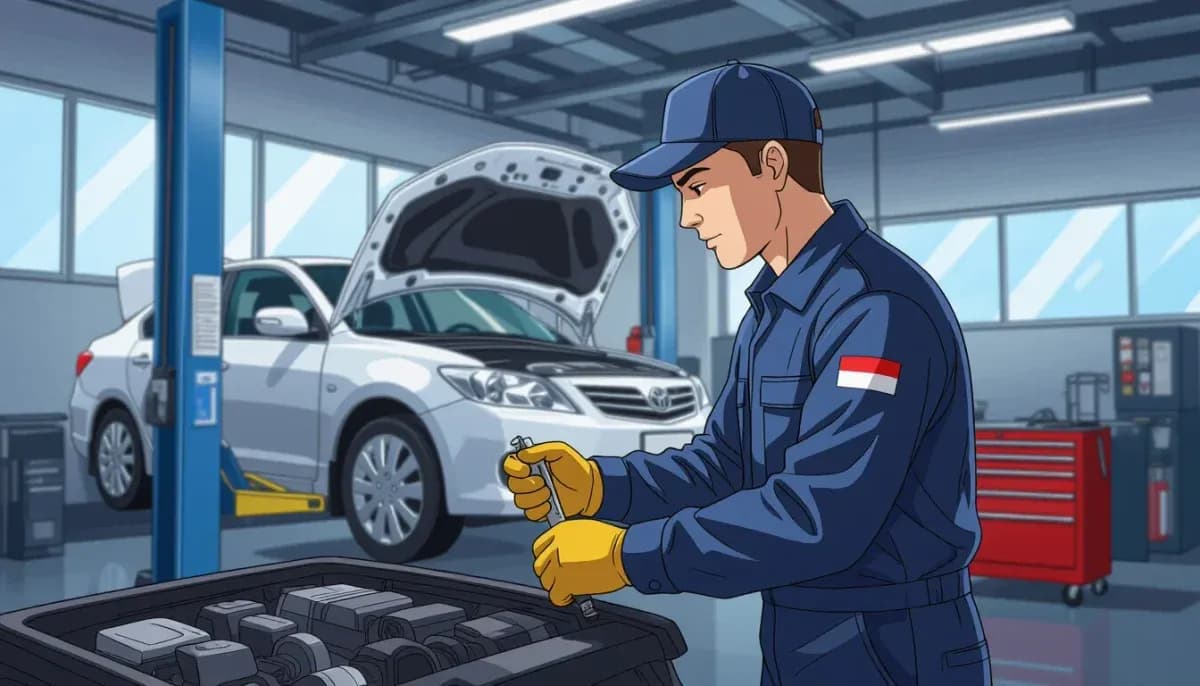
Car Maintenance and Repair in Japan Guide
A complete guide to car maintenance and repair in Japan for foreigners. Learn about shaken inspections, costs, finding mechanics, seasonal care, and JAF membership.
Read more →
Getting a Motorcycle License in Japan as a Foreigner
Step-by-step guide for foreigners getting a motorcycle license in Japan. Learn about license types, driving camps, license conversion, costs, and requirements for expats.
Read more →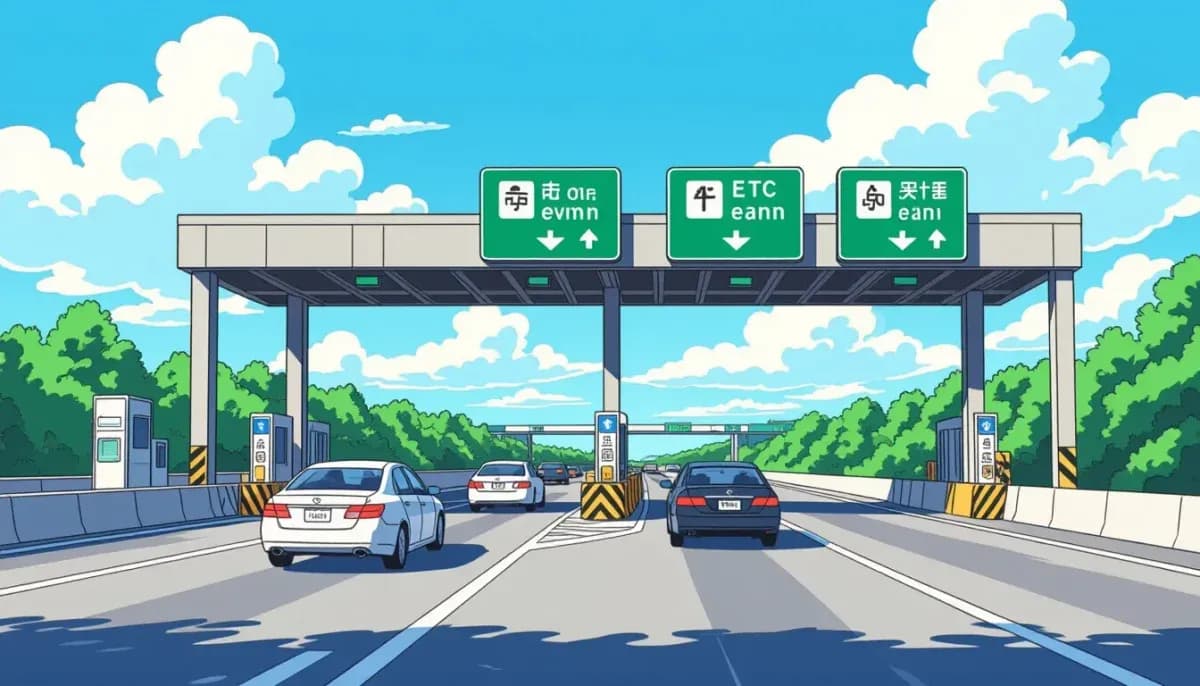
Japan Highway and Toll System Complete Guide
Everything foreigners need to know about Japan's highway toll system: ETC cards, toll rates, discounts, expressway passes, speed limits, and practical driving tips for expats and visitors.
Read more →
How to Sell a Car in Japan Complete Guide
Step-by-step guide to selling your car in Japan as a foreigner. Covers required documents, 4 selling methods, shaken tips, tax refunds, and how to get the best price.
Read more →
Renting a Car in Japan as a Foreign Driver
Everything foreigners need to know about renting a car in Japan: IDP requirements, which countries can drive, major rental companies, costs, road rules, and tips for first-time drivers.
Read more →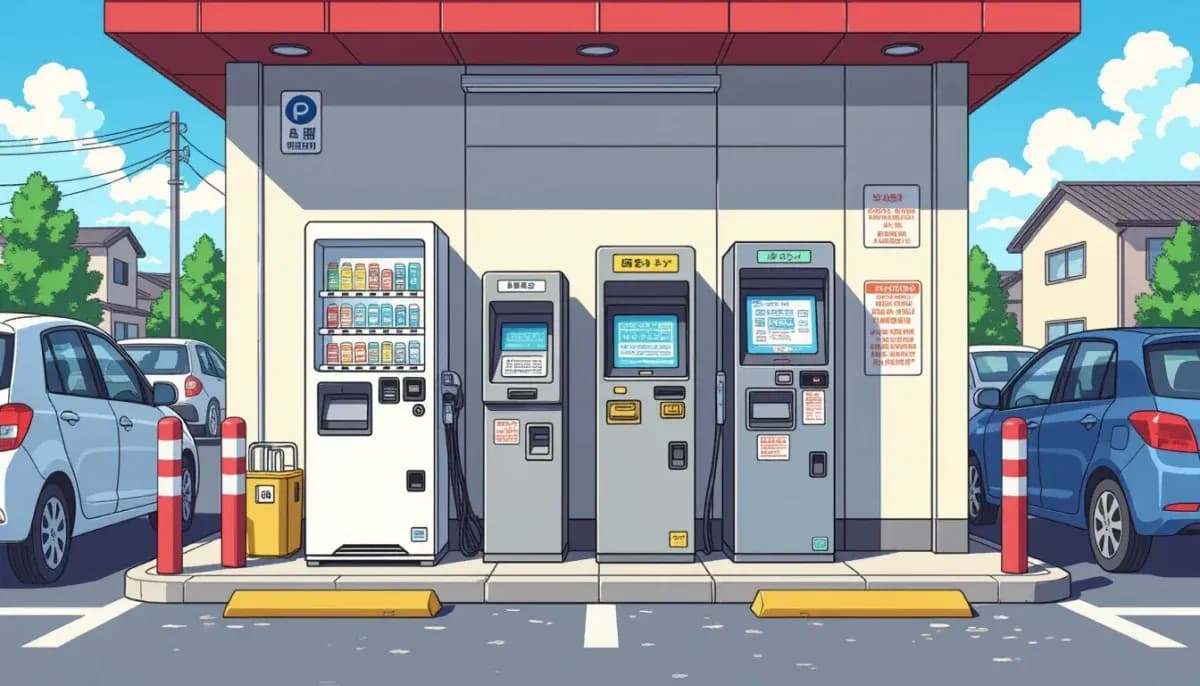
Japan Parking Rules Costs and Tips for Drivers
Complete guide to parking in Japan for foreigners and expats. Learn how coin parking works, what things cost (¥100–¥500 per 30 min), parking rules, fines up to ¥18,000, and tips to avoid violations.
Read more →