
Essential Japanese Manners Every Foreigner Should Know

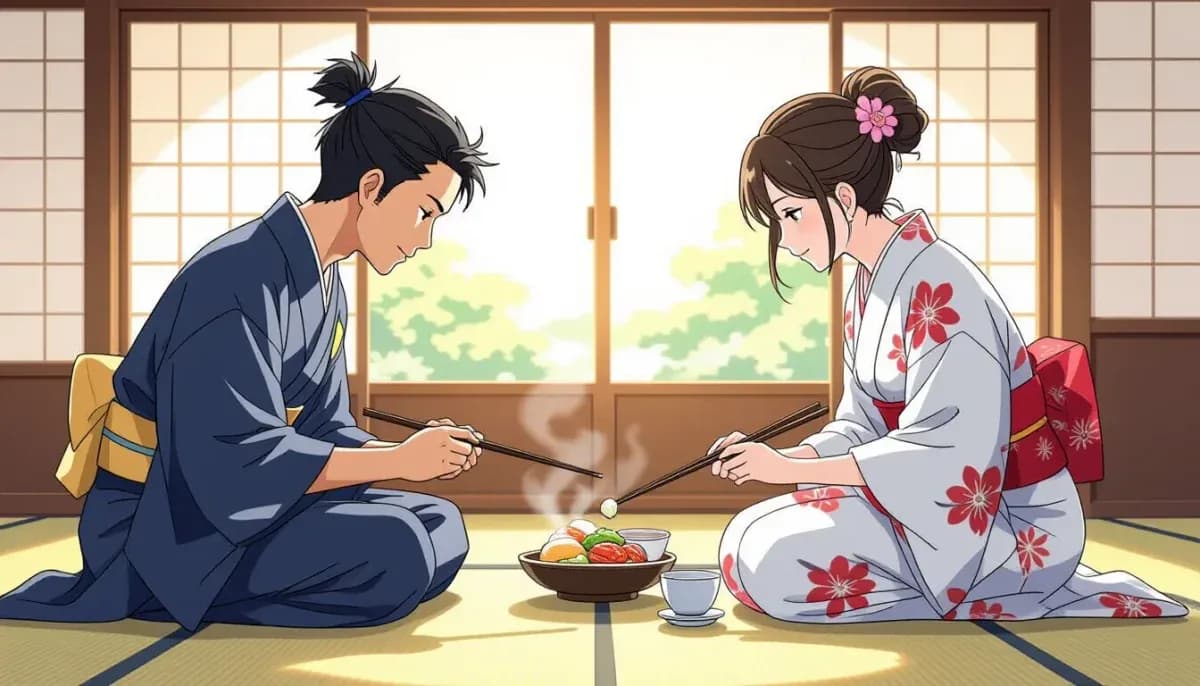
Learn the essential Japanese manners and etiquette every foreigner needs to know — from bowing and shoe removal to dining rules, onsen etiquette, and business card customs. Your complete guide to fitting in Japan.
Essential Japanese Manners Every Foreigner Should Know
Moving to Japan or visiting for the first time can be an exhilarating experience — but it also comes with a steep cultural learning curve. Japan has a rich set of social customs and unwritten rules that govern everyday interactions. While Japanese people are generally understanding toward foreigners who don't know every custom, making a genuine effort to follow proper etiquette will earn you enormous respect and help you integrate into daily life more smoothly.
This guide covers the most essential Japanese manners you need to know — from bowing correctly and taking off your shoes to dining etiquette and public transport behavior. Whether you're a tourist, a new expat, or someone planning to live in Japan long-term, these tips will help you navigate Japanese society with confidence and cultural sensitivity.
For a broader understanding of Japanese culture, check out our Complete Guide to Japanese Culture and Etiquette and our guide on Making Friends and Social Life in Japan.
Understanding Bowing: Japan's Core Greeting
Bowing (お辞儀, ojigi) is one of the most visible and important aspects of Japanese etiquette. Unlike handshakes in Western cultures, bowing is used for greetings, expressing thanks, apologizing, and showing respect.
There are three main types of bows used in different situations:
| Bow Type | Angle | Used For |
|---|---|---|
| Eshaku (会釈) | ~15° | Casual greetings, passing acknowledgment |
| Keirei (敬礼) | ~30° | Business meetings, showing respect |
| Saikeirei (最敬礼) | ~45° | Deep apologies, formal ceremonies |
As a foreigner, you are not expected to master all the nuances of bowing. A simple nod of your head goes a long way in showing respect. When in doubt, mirror what the person across from you is doing. If someone bows to you, it is polite to bow back at roughly the same angle.
Key tips:
- Never bow with your hands in your pockets
- Avoid making eye contact while bowing (it can appear aggressive)
- In business settings, the person of lower status should bow first and deeper
- A combination bow-and-handshake is often expected with foreigners in formal situations
Shoe Etiquette: When and How to Remove Your Footwear
Japan has a deeply ingrained culture of removing shoes before entering certain spaces. This practice keeps indoor environments clean and reflects a cultural distinction between "outside" (dirty) and "inside" (clean) spaces.
Remove shoes when entering:
- Private homes and apartments
- Traditional ryokan inns
- Many temples and shrines
- Some traditional restaurants (especially those with tatami seating)
- Certain shops and businesses (look for a raised floor or a row of shoes as your cue)
When you remove your shoes, place them neatly facing outward near the entrance (genkan). Many homes and ryokans provide slippers for indoor use. However, you must remove these slippers before stepping onto tatami mats — only bare feet or socks are appropriate on tatami.
Bathroom slippers: Many traditional homes and public facilities provide special bathroom slippers. Always switch to the bathroom slippers when entering the bathroom and switch back when you leave — forgetting to do so and walking into the living room with bathroom slippers is a classic foreigner mistake!
Learning when to remove your shoes is a crucial part of daily life in Japan. When you're unsure, look at what other guests or locals are doing.
Dining Etiquette: Do's and Don'ts at the Table
Food culture is central to Japanese society, and dining comes with its own set of rituals and rules. Learning these will make your dining experiences far more enjoyable and help you avoid causing offense.
Before and After Eating
- Say "Itadakimasu" (いただきます) before every meal — it expresses gratitude for the food and the people who prepared it
- Say "Gochisosama-deshita" (ごちそうさまでした) after finishing — a polite way to thank everyone involved in the meal
- Don't leave food on your plate — finishing your meal is a sign of appreciation
Chopstick Rules
| Do | Don't |
|---|---|
| Rest chopsticks on the chopstick rest when not eating | Stick chopsticks upright in a bowl of rice (funeral symbolism) |
| Use the reverse end to take food from shared plates | Pass food from chopstick to chopstick (also funeral-related) |
| Hold chopsticks correctly and use them gently | Point at people or wave chopsticks in the air |
| Ask for a fork if you're struggling | Rub chopsticks together (implies they're cheap) |
More Dining Tips
- Slurping noodles is perfectly acceptable — and even considered a compliment to the chef
- Tipping is not practiced in Japan — and can even be considered insulting. Service staff are proud to provide excellent service as standard. This is one of the most surprising things for many visitors to Japan; learn more about it in our guide to Cost of Living in Japan
- Dip only the fish, not the rice, into soy sauce when eating sushi
- Avoid eating while walking — it is generally considered impolite in Japan; use designated seating areas at convenience stores and food stalls
For more on Japanese food culture, check out our Complete Guide to Japanese Food and Cooking.
Public Transportation Manners
Japan's public transport system is world-renowned for its punctuality, cleanliness, and quiet atmosphere. Train etiquette is taken very seriously, and there are clear expectations for behavior.
Train and subway etiquette:
- Keep your phone on silent mode — phone calls on trains are frowned upon; use text or messaging instead
- Keep your voice low — loud conversations are generally avoided, especially on commuter trains
- Stand on the correct side of escalators — in most of Japan, stand on the left and walk on the right; note that Osaka traditionally reverses this
- Line up properly — follow the marked queuing lines on platforms; always let passengers exit before boarding
- Give up priority seats — seats marked with a priority symbol are for elderly passengers, pregnant women, people with disabilities, and people with young children
- Keep your backpack on the floor or in front of you — to avoid bumping into other passengers in crowded carriages
- Don't eat on local trains — while eating is typically fine on long-distance shinkansen (bullet trains), it's generally avoided on regular commuter trains
Understanding transportation in Japan goes beyond just knowing the routes — proper etiquette is what makes the system work so smoothly for everyone.
Onsen and Public Bath Etiquette
Japan's onsen (hot spring baths) and sento (public baths) are a treasured part of the culture. First-time visitors are sometimes nervous about the customs, but the rules are straightforward once you know them.
Before entering the bath:
- Wash your entire body thoroughly with soap and rinse off completely — the communal bath is for soaking, not cleaning
- Tie up long hair so it doesn't touch the water
- Leave your small modesty towel outside the bath or on your head — never put it in the water
Important restrictions:
- Tattoos are prohibited in most onsen — this is a firm rule in the majority of traditional facilities, though some are becoming more accommodating; always check before visiting
- Swimwear is generally not worn — traditional onsen and sento are nude facilities; shared mixed-gender baths (konyoku) may allow swimwear in some cases
- Keep the noise level down — onsen are places of relaxation
For foreigners with tattoos: Some onsen are now becoming more tattoo-friendly, offering private rooms or designated tattoo-friendly hours. Research specific facilities before your visit, or consider booking a private bath (kashikiri buro).
Business Etiquette and Card Exchange
If you're working or doing business in Japan, there are specific etiquette rules that apply in professional settings. Making a good impression from the start is essential in Japanese business culture.
Business card exchange (meishi koukan):
- Present your card with both hands and a slight bow, with the text facing the recipient
- Receive business cards with both hands and take a moment to read it carefully
- Never write on business cards or put them in your pocket carelessly — place them in a card holder or on the table in front of you during meetings
- Treat business cards as an extension of the person — handling them disrespectfully is deeply offensive
General business tips:
- Arrive 5-10 minutes early to all meetings; being late is considered very rude
- Avoid saying a direct "no" — Japanese communication is often indirect; learn to read between the lines
- The concept of "reading the air" (空気を読む, kuuki wo yomu) is central to Japanese communication — it means understanding unstated feelings and social context
- When someone says "that's a little difficult" (ちょっと難しいですね), they almost certainly mean "no"
- Dress formally for business meetings; casual attire can appear disrespectful
For in-depth guidance, see our Complete Guide to Working in Japan as a Foreigner. You can also find more resources at For Work in Japan for business etiquette guidance.
Gift-Giving Culture and Lucky Numbers
Gift-giving (omiyage culture) is an important part of Japanese social life. Whether you're bringing a souvenir from abroad, presenting a gift to a host family, or giving a gift to a business associate, there are important customs to follow.
Key gift-giving rules:
- Avoid numbers 4 (shi) and 9 (ku) — the words for these numbers also mean "death" and "suffering" in Japanese, making them unlucky. Avoid sets of 4 or 9 items as gifts
- Wrap gifts carefully — presentation matters significantly in Japan; many stores will wrap your gift for you
- Use modest language when presenting a gift — say something like "Tsumaranai mono desuga..." (つまらないものですが...), which roughly means "It's just a small thing, but..."
- Don't expect the recipient to open the gift immediately — Japanese etiquette typically involves opening gifts privately, not in front of the giver
- Bring food gifts (omiyage) when returning from trips — it's customary to bring local sweets or snacks for your colleagues or neighbors
For more on integrating into Japanese society, Living in Nihon offers excellent resources on Japanese culture and manners for foreigners.
Temple and Shrine Visiting Etiquette
Japan has thousands of temples (Buddhist) and shrines (Shinto), and visiting them is a highlight for many foreigners. There is specific etiquette for each type of sacred site.
At Shinto shrines:
- Bow before passing through the torii gate
- Walk along the sides of the path — the center lane is reserved for the deity
- At the chozuya (purification fountain): ladle water over your left hand, then right hand, then rinse your mouth (without drinking the water)
- At the main hall: follow the sequence of "two bows, two claps, one bow" (nirei, nihakushu, ichirei)
At Buddhist temples:
- The main hall is for respectful viewing and prayer
- Incense smoke is believed to have purifying properties — wafting it toward yourself is customary
- Ring the bell (if present) before praying; do not ring it after
General rules:
- Keep your voice quiet and silence your phone
- Photography may be restricted inside certain buildings — look for signs
- Do not touch sacred objects or step on wooden structures beyond designated areas
- Dress modestly — avoid shorts, tank tops, or revealing clothing at sacred sites
Quick Reference: Japanese Manners Summary
| Category | Do | Don't |
|---|---|---|
| Greetings | Bow appropriately, say konnichiwa | Hug or kiss in public |
| Shoes | Remove at the genkan | Wear outdoor shoes on tatami |
| Dining | Say itadakimasu/gochisosama | Tip, eat while walking |
| Chopsticks | Rest on holder when not in use | Stick upright in rice |
| Public transport | Keep quiet, line up | Make phone calls, eat |
| Onsen | Wash before entering | Enter with tattoos visible (most places) |
| Business | Use both hands for cards | Write on business cards |
| Gifts | Wrap nicely, use modest language | Give sets of 4 or 9 |
Final Thoughts: Embrace the Learning Process
No one expects foreigners to know every single rule of Japanese etiquette right away. The Japanese are generally very patient and appreciative when visitors make an effort to learn and respect local customs. The fact that you're reading this guide already puts you ahead of most visitors!
The key is to observe, learn from locals, and approach each situation with humility and curiosity. Over time, these customs will become second nature, and you'll find that following Japanese manners genuinely enriches your experience of living or traveling in this remarkable country.
For more resources on adapting to life in Japan, explore our guides on Learning Japanese and Japanese Festivals and Traditions. You can also get comprehensive information from the Japan National Tourism Organization's etiquette guide and The Invisible Tourist's complete Japan etiquette guide.
Understanding Japanese manners isn't just about avoiding embarrassment — it's about showing genuine respect for a culture that values harmony, consideration, and thoughtfulness above all else.
For those job hunting in Japan, Ittenshoku is a helpful resource for navigating the Japanese job market, where professional etiquette plays a critical role. Additionally, Japan Guide provides a comprehensive overview of Japanese etiquette covering all the essentials.

Originally from Vietnam, living in Japan for 16+ years. Graduated from Nagoya University, with 11 years of professional experience at Japanese and international companies. Sharing information about living in Japan for foreigners.
View Profile →Related Articles
Japanese Seasonal Customs and Greeting Traditions
Discover Japan's seasonal customs and greeting traditions across all four seasons. From hanami and Tanabata to nengajo and oseibo—your complete guide to navigating Japanese seasonal culture as a foreigner.
Read more →
Common Cultural Misunderstandings Foreigners Make in Japan
Avoid embarrassing cultural mistakes in Japan. Learn about shoe etiquette, tipping, indirect communication, chopstick taboos, onsen rules, and business card customs that trip up most foreigners.
Read more →
Japanese Business Card Meishi Exchange Guide
Learn the complete meishi exchange etiquette for Japan: how to present and receive business cards correctly, bilingual card design tips, common mistakes to avoid, and why this ritual matters so much in Japanese professional culture.
Read more →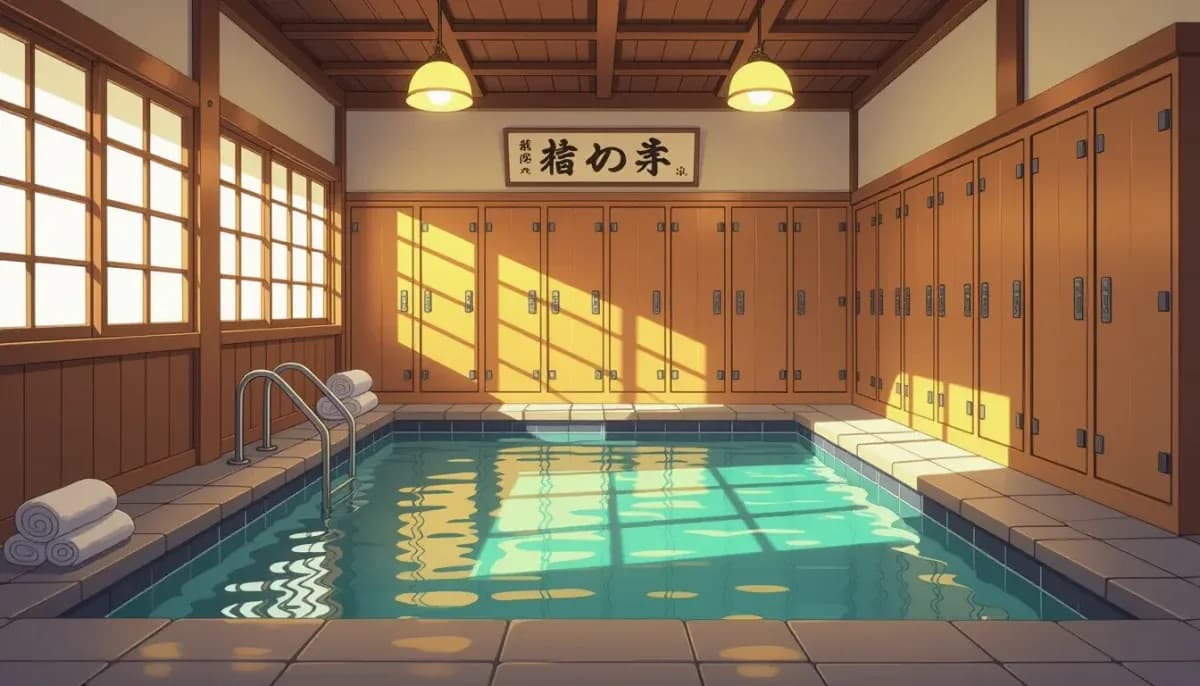
Public Bath Sento Etiquette Guide for Foreigners
Complete sento etiquette guide for foreigners in Japan. Learn how to use a Japanese public bathhouse, what to bring, tattoo policies, and essential dos and don'ts for a respectful experience.
Read more →
Japanese Noise Etiquette and Quiet Hours Guide
Learn Japanese noise etiquette, quiet hours rules, and how to avoid noise complaints in Japan apartments. Essential guide for foreigners and expats living in Japan.
Read more →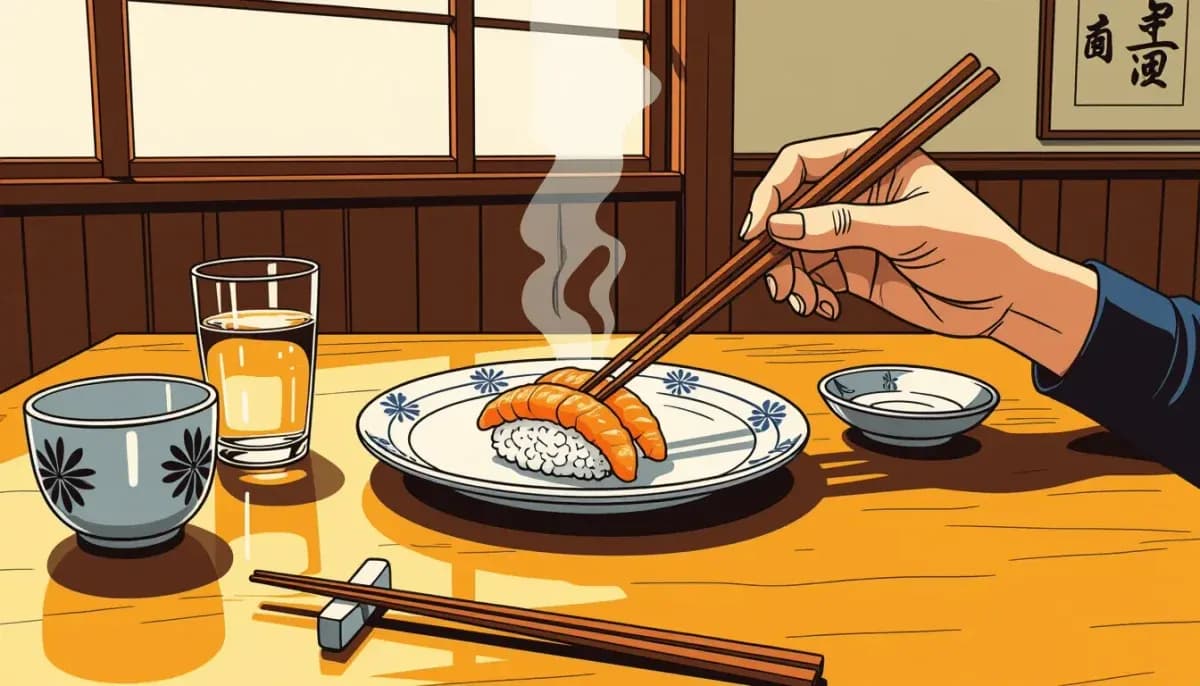
Chopstick Etiquette in Japan Rules You Must Know
Master chopstick etiquette in Japan with this complete guide. Learn the major taboos, how to hold chopsticks correctly, and the unwritten rules that every foreigner should know before dining in Japan.
Read more →