
Common Cultural Misunderstandings Foreigners Make in Japan

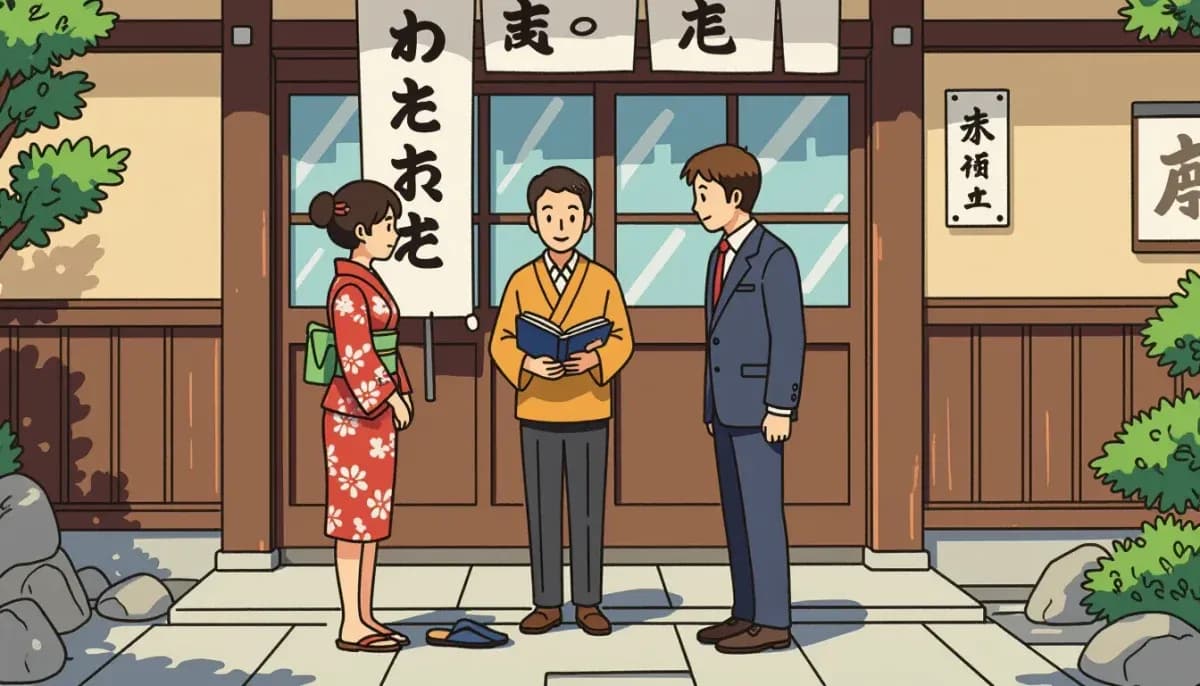
Avoid embarrassing cultural mistakes in Japan. Learn about shoe etiquette, tipping, indirect communication, chopstick taboos, onsen rules, and business card customs that trip up most foreigners.
Common Cultural Misunderstandings Foreigners Make in Japan
Japan is one of the most fascinating countries in the world to live in or visit — but it also has one of the steepest cultural learning curves for foreigners. From unspoken social rules to very different approaches to communication, the gap between Japanese customs and those of Western countries can be surprisingly wide. The good news is that Japanese people are generally forgiving of foreigners who make honest mistakes, especially when you show genuine effort and respect. Understanding the most common cultural misunderstandings before they happen can save you from awkward moments and help you build deeper connections with the people around you.
This guide covers the most frequent cultural faux pas that foreigners make in Japan, along with practical advice on how to navigate each situation with confidence and grace.
!Foreigners navigating Japanese cultural etiquette in daily life

1. Misunderstanding Shoe Etiquette
One of the first things foreigners encounter in Japan is the shoe removal custom — and it goes much deeper than just taking off shoes at the front door. The genkan (玄関), the entryway area of Japanese homes, is a transition zone between the "dirty" outside world and the "clean" interior. Wearing outdoor shoes past this point is considered highly disrespectful.
But the mistakes don't stop there. Most homes and traditional spaces provide indoor slippers, and there are typically separate slippers designated for the bathroom. Wearing your regular house slippers into the toilet room is a common foreigner mistake — and forgetting to switch back to regular slippers after using the bathroom is even more embarrassing.
Key shoe rules to remember:
- Always remove shoes at the genkan and place them neatly
- Accept offered slippers and wear them inside
- Use toilet slippers ONLY in the bathroom — always switch back
- Tatami rooms require socks only — slippers are not worn on tatami mats
- Some traditional restaurants, temples, and ryokan also require shoe removal
For a comprehensive overview of Japanese etiquette and cultural practices, check out this detailed guide at Living in Nihon's Japanese culture and etiquette guide.
2. Tipping — Why You Should Never Do It
If you come from the United States, Europe, or Australia, tipping might feel like the polite thing to do after great service. In Japan, it's the opposite. Tipping is not part of Japanese culture and can actually be considered offensive or insulting.
The reasoning is rooted in Japanese workplace philosophy: employees are expected to provide excellent service as a fundamental part of their job, not because they're angling for extra money. Leaving a tip can imply that you think the worker is underpaid or needs charity, which causes embarrassment (and can lead to staff chasing you down to return your money).
This applies everywhere: restaurants, hotels, taxis, ryokan, and even after receiving exceptional personal service. The price on the menu or invoice is final. Instead of tipping, a sincere "arigatou gozaimashita" (thank you very much) is the appropriate and appreciated way to express gratitude.
3. Communication Style: Indirect "No" and Reading the Air
Perhaps the deepest cultural gap between Japan and Western countries lies in communication styles. Western cultures tend to value directness — saying what you mean clearly and explicitly. Japanese communication often works in the opposite direction, with much left unsaid, implied, or communicated through tone and body language.
This skill is so important in Japan that there's a specific phrase for it: kuuki ga yomeru (空気が読める), meaning "reading the air" or "reading the room." Someone who is good at this is praised; someone who isn't can come across as socially obtuse, even if unintentionally.
The most common trap for foreigners involves understanding when someone is saying "no" without actually saying "no." Direct refusals are rare in Japanese culture. Instead, you might hear:
- "Sore wa chotto..." (That's a little... / That would be difficult)
- "Kangaete okimasu" (I'll think about it)
- "Muzukashii desu ne" (That's difficult, isn't it)
All of these phrases, especially in context, often mean the person is declining. Similarly, in Japanese business culture, the concept of tatemae (public facade) versus honne (true feelings) means that what someone says publicly may not reflect their actual opinion — especially in group settings where maintaining harmony is paramount.
For guidance on navigating Japanese business communication specifically, For Work in Japan's business culture guide provides excellent context on reading workplace dynamics.
!Japanese business card exchange etiquette with both hands

4. Dining Etiquette Mistakes
Japanese food culture has its own detailed set of manners, and a few chopstick-related mistakes in particular can create genuine offense rather than minor awkwardness.
The most serious chopstick taboos:
| Action | Why It's Offensive | What to Do Instead |
|---|---|---|
| Sticking chopsticks upright in rice | Resembles incense at a funeral altar | Rest them on the chopstick rest or across your bowl |
| Passing food chopstick-to-chopstick | Mimics cremation bone-passing ritual | Use serving chopsticks or place food on a plate first |
| Pointing at people with chopsticks | Considered rude and aggressive | Keep chopsticks over your food or plate |
| Skewering food with chopsticks | Incorrect technique | Use the pinching grip instead |
On the other hand, slurping noodles is completely acceptable — and even encouraged. The loud slurping sound is believed to enhance flavor and shows appreciation to the chef. Don't be shy about it.
Other important dining notes:
- Say "Itadakimasu" before eating (roughly "I humbly receive this meal")
- Say "Gochisousama deshita" after finishing (roughly "Thank you for the feast")
- At cash registers, use the small tray (okuri-bon) provided for money — placing cash directly in a cashier's hand is considered impolite
- Many restaurants add no service charge; the price you see is what you pay
For more insights on Japanese food culture and dining customs, see our guide on Japanese food and cooking.
5. Public Behavior and Noise
Japan's public spaces operate under a largely unspoken but widely understood code of conduct. For foreigners accustomed to more relaxed social environments, some of these norms can catch you off guard.
On public transportation:
- Keep your phone on silent mode and avoid phone calls
- Speaking loudly is considered inconsiderate
- Eating on local city trains is seen as bad manners (long-distance Shinkansen is an exception)
- Give up priority seats (kōreisha seki) to the elderly, pregnant women, and those with disabilities
In public spaces generally:
- Eating while walking is increasingly frowned upon in many areas
- Blowing your nose loudly in public is considered rude — quiet sniffling is preferred
- Japan has very few public garbage bins; you are expected to carry your trash home
The emphasis on quiet, consideration for others, and collective harmony stems from core Japanese values around wa (harmony) and the idea that individual behavior affects the entire group around you.
For detailed information on using Japan's transportation systems respectfully, our transportation guide for foreigners is a great resource.
6. Business Card Etiquette
In Japanese business culture, the business card (meishi, 名刺) is not just contact information — it is a physical representation of the person handing it to you. How you handle someone's business card signals how much you respect them professionally.
The rules:
- Present your card with both hands, face up and oriented toward the recipient
- Receive cards with both hands and take a moment to look at it carefully
- During meetings, arrange received cards on the table in front of you — don't just stuff them in your pocket
- Never write on someone's card in front of them
- Keep cards in a dedicated card case — not loose in your wallet or back pocket
Forgetting to bring cards to a business meeting is a significant faux pas. Even if you've met someone before, exchanging cards is often part of the formal greeting ritual.
Bowing in business settings: Bowing angles communicate different levels of respect:
- 15 degrees: Casual acknowledgment
- 30 degrees: Standard respectful greeting
- 45 degrees: Deep apology or sincere gratitude
For more on working in Japan as a foreigner and navigating workplace culture, see our guide on working in Japan for foreigners.
7. Misreading Onsen Culture and Tattoo Policies
Hot spring bathing (onsen, 温泉) is one of Japan's most beloved cultural traditions and an essential experience for anyone living here. But foreigners often arrive unprepared for the specific etiquette — and some are turned away entirely.
The basics:
- Bathe completely naked — swimwear is prohibited in most onsen
- Shower thoroughly at the washing stations before entering the communal bath
- Wash your hair and body completely before soaking
- Don't bring your towel into the water (small modesty towels are folded and placed on your head or the side)
- Keep your voice low and behavior relaxed
The tattoo issue: Many traditional onsen prohibit entry for people with visible tattoos due to historical associations with the yakuza (Japanese organized crime). While attitudes are gradually changing — especially at tourist-friendly facilities — many onsen still enforce this rule strictly. If you have tattoos, research the facility's policy before visiting.
For more information on understanding Japanese cultural traditions, see Ittenshoku's Japan resources.
8. Gift-Giving Customs
Gift-giving is a significant part of Japanese culture, with specific customs for when and how gifts are exchanged. Two of the biggest mistakes foreigners make are opening gifts immediately and giving them without regard to number symbolism.
Common gift-giving mistakes:
- Opening gifts immediately: In Japan, it's customary to set a gift aside and open it privately later, not in front of the giver. Opening a gift immediately can seem overeager or demanding of attention.
- Unlucky numbers: Avoid giving gifts in sets of 4 (the number 4 is associated with death, since it sounds like "shi" meaning death) or 9 (sounds like "ku," meaning suffering). Sets of 3, 5, or 7 are considered lucky.
- White flowers or chrysanthemums: These are associated with funerals and mourning in Japan.
- Refusing a gift too readily: Gifts are often offered and declined politely two or three times before being accepted — this is part of the social dance. But don't refuse indefinitely.
- Forgetting seasonal gifts: Japan has a strong tradition of sending gifts during specific seasons (ochugen in summer, oseibo in winter) — especially for professional relationships.
For a broader look at Japanese social life and making connections in Japan, explore our guide on making friends and social life in Japan.
Summary: Cultural Misunderstandings at a Glance
| Cultural Area | Common Foreigner Mistake | Japanese Expectation |
|---|---|---|
| Shoes | Keeping shoes on indoors | Remove at genkan; use designated slippers |
| Tipping | Leaving tips for service | Never tip — it's offensive |
| Communication | Expecting direct "no" | Read indirect refusals and "the air" |
| Chopsticks | Vertical in rice, passing food | Use chopstick rest; use neutral serving methods |
| Public transit | Loud talking, phone calls | Maintain quiet; respect shared silence |
| Business cards | Pocketing immediately | Hold reverently, study, display on table |
| Gift-giving | Opening immediately | Open later, privately, out of sight |
| Onsen | Bringing swimwear | Bathe nude; shower before entering |
Understanding these cultural differences doesn't mean you need to be perfect. Japanese people are remarkably patient and understanding when they see genuine effort and respect. The key is awareness: knowing why these customs exist helps you navigate them naturally rather than treating them as arbitrary rules.
For a comprehensive foundation in Japanese culture and etiquette, our full Japanese culture and etiquette guide is an excellent starting point. You can also find practical daily life advice in our daily life guide for foreigners.
Learning from cultural misunderstandings — both your own and others' — is actually one of the most enriching parts of life in Japan. Embrace the learning process, ask questions when you're unsure, and remember that the effort itself is noticed and appreciated.
For more resources on living in Japan, visit The True Japan's cultural mistakes guide and GaijinPot's common mistakes guide.

Originally from Vietnam, living in Japan for 16+ years. Graduated from Nagoya University, with 11 years of professional experience at Japanese and international companies. Sharing information about living in Japan for foreigners.
View Profile →Related Articles
Japanese Seasonal Customs and Greeting Traditions
Discover Japan's seasonal customs and greeting traditions across all four seasons. From hanami and Tanabata to nengajo and oseibo—your complete guide to navigating Japanese seasonal culture as a foreigner.
Read more →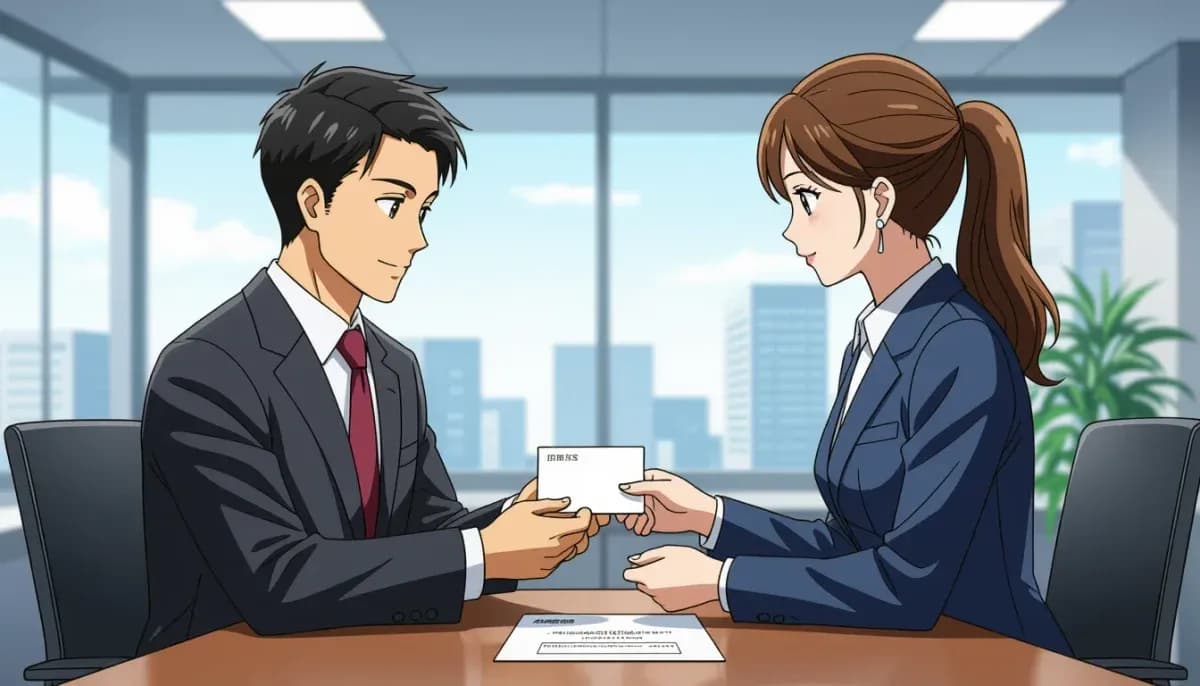
Japanese Business Card Meishi Exchange Guide
Learn the complete meishi exchange etiquette for Japan: how to present and receive business cards correctly, bilingual card design tips, common mistakes to avoid, and why this ritual matters so much in Japanese professional culture.
Read more →
Public Bath Sento Etiquette Guide for Foreigners
Complete sento etiquette guide for foreigners in Japan. Learn how to use a Japanese public bathhouse, what to bring, tattoo policies, and essential dos and don'ts for a respectful experience.
Read more →
Japanese Noise Etiquette and Quiet Hours Guide
Learn Japanese noise etiquette, quiet hours rules, and how to avoid noise complaints in Japan apartments. Essential guide for foreigners and expats living in Japan.
Read more →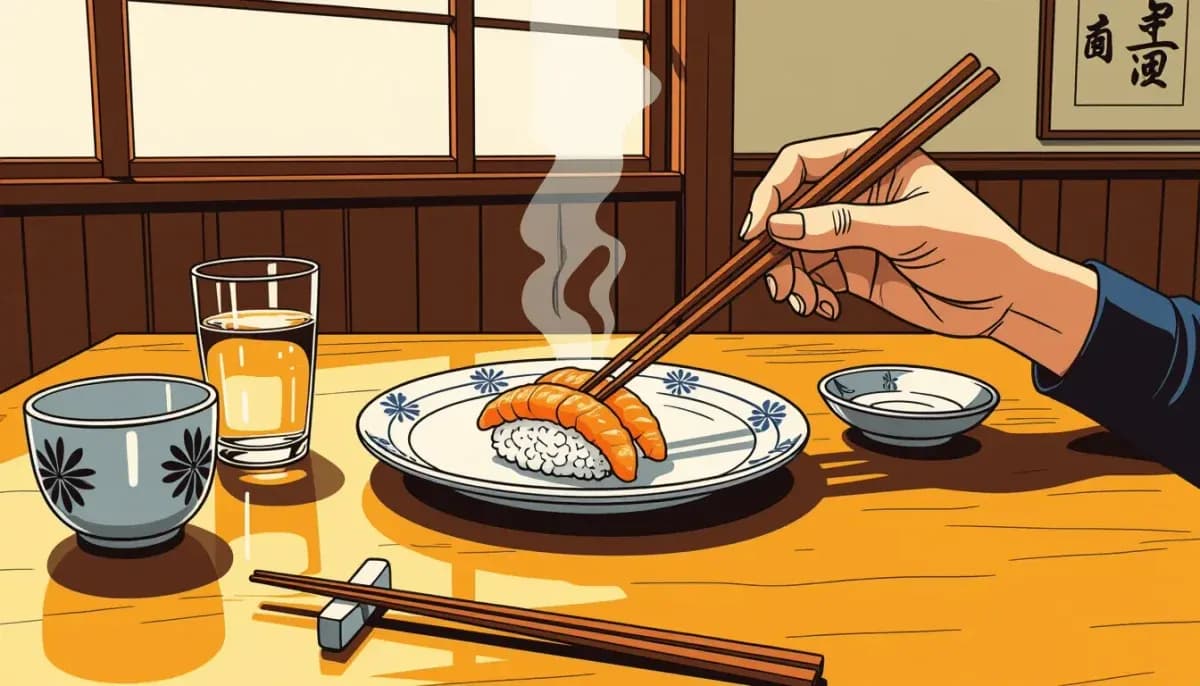
Chopstick Etiquette in Japan Rules You Must Know
Master chopstick etiquette in Japan with this complete guide. Learn the major taboos, how to hold chopsticks correctly, and the unwritten rules that every foreigner should know before dining in Japan.
Read more →
Japanese Greeting Customs and Bowing Guide
Master Japanese greeting customs with this complete guide to bowing (ojigi), verbal greetings, business etiquette, and social tips for foreigners living in Japan.
Read more →