
Japanese Business Card Meishi Exchange Guide

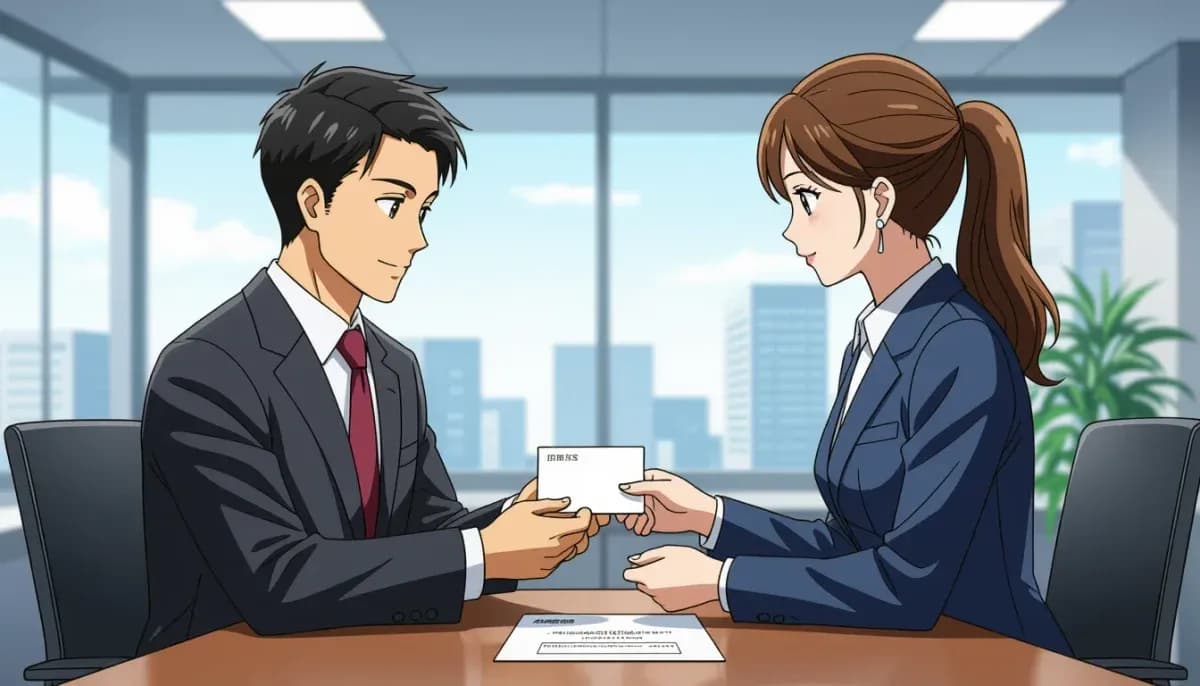
Learn the complete meishi exchange etiquette for Japan: how to present and receive business cards correctly, bilingual card design tips, common mistakes to avoid, and why this ritual matters so much in Japanese professional culture.
Japanese Business Card (Meishi) Exchange Guide for Foreigners
If you're working in Japan or attending business meetings with Japanese professionals, you'll quickly discover that exchanging business cards — called meishi koukan (名刺交換) — is one of the most important rituals in Japanese professional culture. Unlike the casual card-swapping that might happen at a Western networking event, meishi exchange in Japan is a formal, almost ceremonial act that carries deep cultural significance.
This guide covers everything foreigners need to know: what meishi means in Japan, the proper etiquette for exchanging cards, how to design your own bilingual card, and the key mistakes to avoid that could damage your professional relationships before they even begin.
!Japanese businessman exchanging meishi business cards with both hands in a professional setting

What Is Meishi and Why Does It Matter?
Meishi (名刺) simply means "business card" in Japanese, but the practice of exchanging them — meishi koukan — represents far more than a transfer of contact information. In Japanese business culture, your business card is an extension of yourself and your company. When someone hands you their card, they're essentially handing you a piece of their professional identity.
The practice was adopted from Western business culture, most likely during the Meiji period (1868–1912), when Japan opened its doors to the outside world. Today, nearly 8 in 10 Japanese professionals still use printed business cards, and about 7 in 10 report that card exchanges led to positive business outcomes. Even in the digital age, physical meishi remain essential — especially in traditional industries like finance, law, and manufacturing.
The cultural weight behind this practice comes from Japan's emphasis on hierarchy, respect, and the careful building of professional relationships. A business meeting in Japan doesn't really begin until cards have been exchanged. How you handle this ritual sends a strong signal about your professionalism and understanding of Japanese culture.
Meishi Etiquette: The Step-by-Step Exchange Process
Understanding the correct process for exchanging meishi is non-negotiable if you want to make a good impression. Here's how it works:
Before the Meeting
Always carry your meishi in a dedicated business card holder (meishi-ire, 名刺入れ). These are inexpensive — you can find them at Daiso for a few hundred yen — but using one shows you take professional meetings seriously. Never carry cards loose in your bag or crumpled in your wallet. Running out of cards during a meeting is also considered quite embarrassing, so make sure you bring plenty.
The Exchange Itself
In Japan, meishi are typically exchanged at the very beginning of a meeting, before sitting down. The process follows a specific hierarchy: if there are multiple people in the room, the most senior person exchanges cards first, and others follow in descending order of rank.
Step-by-step exchange process:
- Take your card from your meishi holder with both hands
- Hold the card by the bottom corners with both thumbs, text facing outward toward the recipient
- Make a slight bow as you present the card
- Simultaneously, or just after presenting yours, receive the other person's card with both hands
- Hold the received card at or below chest height — never above
- Take a moment to look at the card carefully and read the person's name and title
- If you're sitting at a table, place the received card(s) on the table in front of you during the meeting, arranged by rank
After the Exchange
During the meeting, keep received cards visible on the table — this shows you respect the person. Never shove a card into your pocket while the meeting is ongoing. Once the meeting ends, carefully place the cards into your business card holder.
For more on Japanese workplace culture and professional norms, check out our complete guide to working in Japan as a foreigner.
Designing Your Bilingual Business Card
As a foreigner working in Japan, having a bilingual meishi is not just recommended — it's expected in most professional settings. Here's what your card should include:
Japanese side:
- Your company name (in Japanese if possible)
- Your full name in both kanji (if applicable) and katakana
- Your title in Japanese
- Contact details
English side:
- All the same information in English
- Make sure your name is easy to read — Japanese colleagues will often refer back to your card
The standard Japanese meishi size is 91mm × 55mm (slightly larger than US cards at 88.9mm × 50.8mm), so if you're having cards printed outside Japan, make sure to use Japanese dimensions.
| Aspect | Japanese Standard | US Standard |
|---|---|---|
| Size | 91mm × 55mm | 88.9mm × 50.8mm |
| Language | Japanese + optional English | English only |
| Presentation | Both hands, slight bow | One hand acceptable |
| Storage | Dedicated card holder | Wallet or pocket |
| During meeting | Displayed on table | Often pocketed immediately |
| Writing on card | Never acceptable | Common in West |
Common Mistakes Foreigners Make with Meishi
Knowing what NOT to do is just as important as knowing the proper etiquette. These are the most common mistakes foreigners make:
Writing on someone's card in their presence is considered extremely rude. The card represents the person themselves, so scribbling on it — even just to note where you met them — is like defacing their identity. If you absolutely must add a note, do it later and discreetly.
Using one hand to give or receive a card signals carelessness and disrespect. Always use both hands, even if you're juggling other items at the time.
Storing a card in your back pocket is one of the most offensive things you can do. Sitting on someone's card is metaphorically sitting on their face — a serious insult in Japanese professional culture.
Ignoring the card immediately after receiving it also sends the wrong message. Take time to read the card, acknowledge the person's name and title, and treat it with care.
Being unprepared — either forgetting your cards or running out — reflects poorly on your professionalism.
For more on navigating Japanese cultural expectations, our guide to Japanese culture and etiquette for foreigners covers everything from gift-giving to dining customs.
!Close-up of bilingual Japanese-English meishi business card with proper formatting

Digital Meishi: Is Japan Going Paperless?
Japan has been slowly embracing digital business card options, especially in the tech sector. Apps like Sansan, Eight, and Wantedly allow professionals to scan and store cards digitally, and some companies have adopted fully digital card-sharing via QR codes or NFC.
However, it's important not to assume that digital cards are universally accepted. In more traditional industries — finance, government, law, real estate — physical meishi remain the norm. Even in tech-forward environments, having physical cards as a backup is strongly recommended.
If you work in Japan's IT sector or are making a career change, resources like Ittenshoku (IT転職) provide guidance on navigating Japanese tech workplaces, where digital tools are more commonly adopted.
The safest approach is to always bring physical cards, and if you want to offer a digital option as well, let your Japanese counterpart lead the way.
Cultural Context: Why Meishi Matters So Much
To truly understand meishi culture, you need to understand a few core principles of Japanese professional relationships:
Hierarchy (上下関係, jōge kankei): Japanese organizations operate with clear hierarchical structures. Meishi make rank immediately visible, allowing everyone in a meeting to understand the social order before conversation begins.
Face (面子, mentsu): Maintaining dignity and avoiding embarrassment — both your own and others' — is paramount. Improper handling of meishi is a classic "face-losing" mistake that can undermine trust before you've even started talking.
Relationship-building (人間関係, ningen kankei): Japanese business culture places enormous value on long-term relationships over transactional exchanges. Meishi exchange is the formal opening of what may become a lasting professional relationship.
For foreigners new to Japan, understanding these underlying values makes all the difference. Your Japanese business partners generally understand that foreigners may not know every detail of the ritual — but genuine effort and sincere respect go a very long way.
Where to Get Meishi Printed in Japan
If you need to have meishi printed in Japan, you have several options:
Online services like Vistaprint Japan and Mojo Print offer affordable bilingual cards with quick turnaround times.
Local print shops (印刷所): Many Shinjuku and Ginza print shops specialize in professional meishi, including bilingual designs. K-1 Print in Shinjuku is popular among expats.
Convenience stores: Surprisingly, some Japanese convenience stores (like FamilyMart) have meishi printing kiosks for quick jobs, though quality varies.
For the Japanese side of your card, it's worth having a native Japanese speaker review the translation, especially for your job title — mistranslations of professional titles can create awkward first impressions.
For a broader view of Japanese business culture and what to expect when starting work in Japan, see Living in Nihon's guide to Japanese work culture for foreigners and the For Work in Japan business culture guide.
Tips for Making Your First Meishi Exchange a Success
Whether you're about to attend your first Japanese business meeting or starting a new job in Japan, these practical tips will help you navigate meishi exchange with confidence:
- Practice the bow and exchange motion before your meeting so it feels natural
- Learn to read the common Japanese honorifics on business cards: 部長 (buchō = department manager), 課長 (kachō = section manager), 社長 (shachō = company president)
- Bring more cards than you think you'll need — it's better to have extras than to run out
- When in doubt, observe and follow what your Japanese colleagues do
- Have a card holder ready before you arrive — fumbling for cards is a poor first impression
- Thank the person for their card: a simple "ちょうだいいたします" (chōdai itashimasu — "I gratefully receive") is a thoughtful touch that Japanese partners will appreciate
Understanding and respecting meishi culture is one of the fastest ways to show Japanese colleagues and clients that you're serious about building a genuine professional relationship in Japan.
For more on building your life and career in Japan, explore our guides on making friends and social life in Japan and the complete guide to daily life in Japan.
Sources and further reading: Coto Academy Meishi Guide | Japan Living Guide Business Card Etiquette | Japan Dev Business Cards in Japan

Originally from Vietnam, living in Japan for 16+ years. Graduated from Nagoya University, with 11 years of professional experience at Japanese and international companies. Sharing information about living in Japan for foreigners.
View Profile →Related Articles
Japanese Seasonal Customs and Greeting Traditions
Discover Japan's seasonal customs and greeting traditions across all four seasons. From hanami and Tanabata to nengajo and oseibo—your complete guide to navigating Japanese seasonal culture as a foreigner.
Read more →
Common Cultural Misunderstandings Foreigners Make in Japan
Avoid embarrassing cultural mistakes in Japan. Learn about shoe etiquette, tipping, indirect communication, chopstick taboos, onsen rules, and business card customs that trip up most foreigners.
Read more →
Public Bath Sento Etiquette Guide for Foreigners
Complete sento etiquette guide for foreigners in Japan. Learn how to use a Japanese public bathhouse, what to bring, tattoo policies, and essential dos and don'ts for a respectful experience.
Read more →
Japanese Noise Etiquette and Quiet Hours Guide
Learn Japanese noise etiquette, quiet hours rules, and how to avoid noise complaints in Japan apartments. Essential guide for foreigners and expats living in Japan.
Read more →
Chopstick Etiquette in Japan Rules You Must Know
Master chopstick etiquette in Japan with this complete guide. Learn the major taboos, how to hold chopsticks correctly, and the unwritten rules that every foreigner should know before dining in Japan.
Read more →
Japanese Greeting Customs and Bowing Guide
Master Japanese greeting customs with this complete guide to bowing (ojigi), verbal greetings, business etiquette, and social tips for foreigners living in Japan.
Read more →