
Chopstick Etiquette in Japan Rules You Must Know

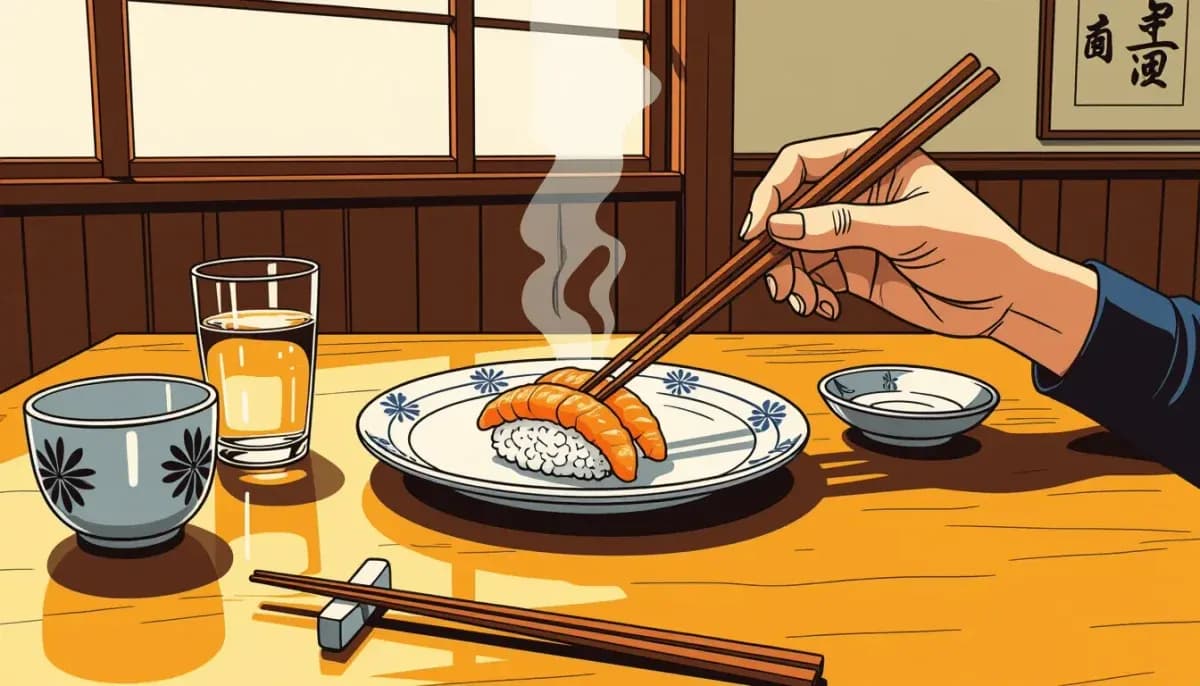
Master chopstick etiquette in Japan with this complete guide. Learn the major taboos, how to hold chopsticks correctly, and the unwritten rules that every foreigner should know before dining in Japan.
Chopstick Etiquette in Japan: Rules You Must Know
If you are living in or visiting Japan, mastering chopstick etiquette is one of the most important cultural skills you can develop. The Japanese take their chopstick manners seriously — improper use can come across as offensive, disrespectful, or even connected to death rituals. Whether you are dining at a high-end restaurant, eating ramen at a counter, or sharing a meal with Japanese colleagues, knowing the rules will help you navigate the table with confidence and show respect for the culture.
This guide covers everything foreigners need to know about chopstick etiquette in Japan: the essential dos and don'ts, the cultural history behind the rules, and tips for using chopsticks comfortably as a beginner.
The Cultural History of Chopsticks in Japan
Chopsticks — called hashi (箸) in Japanese — have a deep history in the country stretching back over 1,400 years. Chopsticks first came to Japan during the Yayoi and Asuka periods. The custom of using them at meals is largely credited to Prince Shotoku Taishi, who in the early 7th century was inspired by Chinese dining customs and introduced chopsticks to the Imperial Court.
Interestingly, the word hashi means bridge in Japanese. Traditionally, chopsticks were thought to serve as a bridge connecting the human world to the divine — a way of keeping human hands away from sacred offerings to the gods. This spiritual significance is one reason why chopstick etiquette carries such weight in Japanese culture.
Today, Japan uses an astonishing 24 billion pairs of disposable chopsticks per year — roughly 200 pairs per person annually. The majority of these are waribashi, the wooden or bamboo chopsticks you split apart at the table. Despite their disposable nature, the same etiquette rules apply.
For more on Japanese food culture, check out the Complete Guide to Japanese Food and Cooking on this site.
The Most Important Chopstick Taboos in Japan
Some chopstick mistakes are mere faux pas — others are deeply offensive because they are associated with funeral and death rituals. Here are the most critical rules every foreigner must know.
1. Never Stand Chopsticks Upright in Rice (Tatebashi)
This is one of the most widely known taboos. Standing chopsticks vertically in a bowl of rice — known as tatebashi (立て箸) or hotokebashi — resembles the incense sticks placed upright in sand at Buddhist funeral altars. It is a strong reminder of death and is considered deeply disrespectful. Always lay your chopsticks flat or place them on the chopstick rest.
2. Never Pass Food Chopstick-to-Chopstick (Utsushi-bashi)
Passing food directly from one person's chopsticks to another's — utsushi-bashi (移し箸) — mirrors the ritual performed at Japanese funerals where cremated bones are passed between family members using chopsticks. This is one of the gravest dining taboos in Japan. If you want to share food, place it on the other person's plate.
3. Avoid Stabbing Food with Chopsticks (Sashi-bashi)
Impaling food with one or both chopsticks like a fork — sashi-bashi (刺し箸) — is considered bad manners. It shows a lack of skill and is associated with crude behavior. Learn to pick up food properly, even if it takes practice.
4. Do Not Rub Disposable Chopsticks Together
Many people rub the two halves of waribashi (split chopsticks) together after breaking them apart. In Japan, this is considered rude because it implies the chopsticks are cheap and of poor quality — which is an insult to your host. Simply break them cleanly and leave it at that.
5. Do Not Cross Chopsticks on the Table
Crossing chopsticks — kosa-bashi (交差箸) — is associated with death symbolism in Japan and is considered poor table manners. When setting chopsticks down, place them side by side, parallel, on a chopstick rest or the edge of your bowl.
Essential Chopstick Rules at the Japanese Dining Table
Beyond the major taboos, there are several practical etiquette rules that govern everyday chopstick use in Japan.
| Rule | Japanese Name | What to Do |
|---|---|---|
| Stand chopsticks in rice | Tatebashi | NEVER — funeral association |
| Pass food chopstick-to-chopstick | Utsushi-bashi | NEVER — funeral association |
| Stab food | Sashi-bashi | Avoid — shows poor skill |
| Lick chopsticks | Neburi-bashi | Avoid — considered dirty |
| Wave/point with chopsticks | Furiage-bashi | Avoid — rude gesture |
| Rest chopsticks on bowl rim | Watashi-bashi | Avoid — use a chopstick rest |
| Hover indecisively over dishes | Mayoi-bashi | Avoid — shows poor manners |
| Dig for preferred items | Saguri-bashi | Avoid — rude to other diners |
| Use chopsticks to move bowls | Yose-bashi | Avoid — use your hands instead |
| Hold bowl and chopsticks in same hand | Mochi-bashi | Avoid — put one down first |
Do's:
- Use the provided hashi-oki (箸置き) chopstick rest to set down chopsticks
- Use the clean, reverse end of your personal chopsticks if serving from a shared dish (when no serving utensils are provided)
- Be decisive when picking up food — don't hover
- Hold chopsticks near the upper end for better control
Don'ts:
- Don't chew on chopstick tips (kami-bashi)
- Don't use chopsticks to drag bowls or plates toward you (yose-bashi)
- Don't point at people or gesture with your chopsticks
- Don't dig around in a shared dish to find your preferred pieces
How to Hold Chopsticks Correctly
Many foreigners struggle with chopstick technique at first — this is perfectly normal. Here is a step-by-step guide:
- Rest the first chopstick in the groove between your thumb and index finger, stabilizing it with your ring finger. This chopstick stays stationary.
- Hold the second chopstick between your thumb, index finger, and middle finger — like a pen or pencil. This chopstick moves.
- Move only the top chopstick up and down to grip and release food.
- Keep both tips aligned when picking up food.
The key principle: only one chopstick moves. If both move, you will struggle to pick anything up.
Practice tip: Start with larger, easier-to-grip foods like tofu cubes or pieces of cooked meat. Work your way up to slippery items like natto or delicate fish. Most Japanese people will appreciate the effort you are making, even if you are not perfect.
For more on navigating Japanese culture as a foreigner, read the Complete Guide to Japanese Culture and Etiquette.
Types of Chopsticks You Will Encounter in Japan
Japan has several types of chopsticks, each suited to different contexts.
| Type | Name | Characteristics | Common Use |
|---|---|---|---|
| Disposable | Waribashi | Split apart; bamboo or wood | Restaurants, takeout |
| Lacquered | Nuri-bashi | Smooth, slippery finish | Home dining, formal meals |
| Pointed tip | Saibashi | Very long; metal or bamboo | Cooking |
| Tapered | Moribashi | Fine, precise tips | Food plating, sushi bars |
| Children's | Ko-bashi | Short, lightweight | Kids' meals |
When at a restaurant, you will typically receive waribashi wrapped in paper. Break them cleanly apart, and resist the urge to rub them together. If you prefer non-disposable chopsticks, you can purchase beautiful lacquered sets at department stores or specialty shops — a great souvenir that is also very practical.
Chopstick Etiquette in Different Dining Settings
Etiquette expectations vary slightly depending on where you are eating in Japan.
Casual Restaurants and Ramen Shops: Rules are relaxed, but the major taboos (tatebashi, utsushi-bashi) still apply. Slurping noodles is perfectly acceptable — in fact, it is a sign of appreciation.
Izakayas (Japanese Pubs): Shared plates are common. Use the serving chopsticks provided or use the clean end of your personal chopsticks when transferring food to your plate.
Sushi Restaurants: At casual sushi counters (kaiten-zushi), chopsticks are provided. However, at high-end omakase sushi restaurants, eating certain pieces — especially nigiri — with your hands is actually acceptable and traditional. Follow the chef's cues.
Home Dining: If a Japanese host invites you for a home-cooked meal, etiquette is especially important. Say itadakimasu before eating and gochisousama deshita after the meal. Place chopsticks on the hashi-oki when not in use, and never leave them sticking out of your rice.
Business Meals: When dining with Japanese colleagues or clients, be especially attentive. Avoid the major taboos without exception, do not rush, and match the pace of your hosts. For more on workplace culture, see the Complete Guide to Working in Japan as a Foreigner.
Useful Resources for Foreigners Living in Japan
If you are adjusting to life in Japan, understanding dining customs is just one piece of the puzzle. These resources can help you navigate daily life more smoothly:
- Living in Nihon — Japanese Food Culture Guide: A comprehensive guide to Japanese food culture for foreigners living in Japan, covering everything from supermarket shopping to cooking at home.
- For Work in Japan — Food Service Jobs Guide: If you are interested in working in Japan's food service industry, this guide covers hospitality jobs for foreigners.
- Ittenshoku — Career Transitions in Japan: Resources for foreigners navigating work and career changes in Japan.
- Japan Living Guide — Chopstick Etiquette: A detailed guide to all the named chopstick rules in Japan, with cultural context.
- Interac Network — Chopstick Etiquette Japan: A practical breakdown of the 17 essential chopstick rules for those living and working in Japan.
Final Tips for Foreigners
Learning chopstick etiquette is one of the most meaningful ways to show respect for Japanese culture. Here are some final tips to keep in mind:
Don't panic about being perfect. Japanese people are generally very forgiving of foreigners making honest mistakes. As long as you avoid the major taboos — especially tatebashi and utsushi-bashi — you will be fine.
Practice at home before dining out. Buy a set of chopsticks and practice picking up small objects. The more comfortable you are with the technique, the more you can focus on the conversation and food.
Ask if you are unsure. It is completely acceptable to ask your Japanese host or server about dining customs. Most people appreciate the gesture of wanting to do things correctly.
Observe those around you. When in doubt, watch what others at the table are doing and follow their lead.
Chopstick etiquette is a small but meaningful part of Japanese food culture. Master these rules, and you will navigate any dining situation in Japan with confidence and respect. For a broader introduction to life in Japan, explore the Complete Guide to Daily Life in Japan.

Originally from Vietnam, living in Japan for 16+ years. Graduated from Nagoya University, with 11 years of professional experience at Japanese and international companies. Sharing information about living in Japan for foreigners.
View Profile →Related Articles
Japanese Seasonal Customs and Greeting Traditions
Discover Japan's seasonal customs and greeting traditions across all four seasons. From hanami and Tanabata to nengajo and oseibo—your complete guide to navigating Japanese seasonal culture as a foreigner.
Read more →
Common Cultural Misunderstandings Foreigners Make in Japan
Avoid embarrassing cultural mistakes in Japan. Learn about shoe etiquette, tipping, indirect communication, chopstick taboos, onsen rules, and business card customs that trip up most foreigners.
Read more →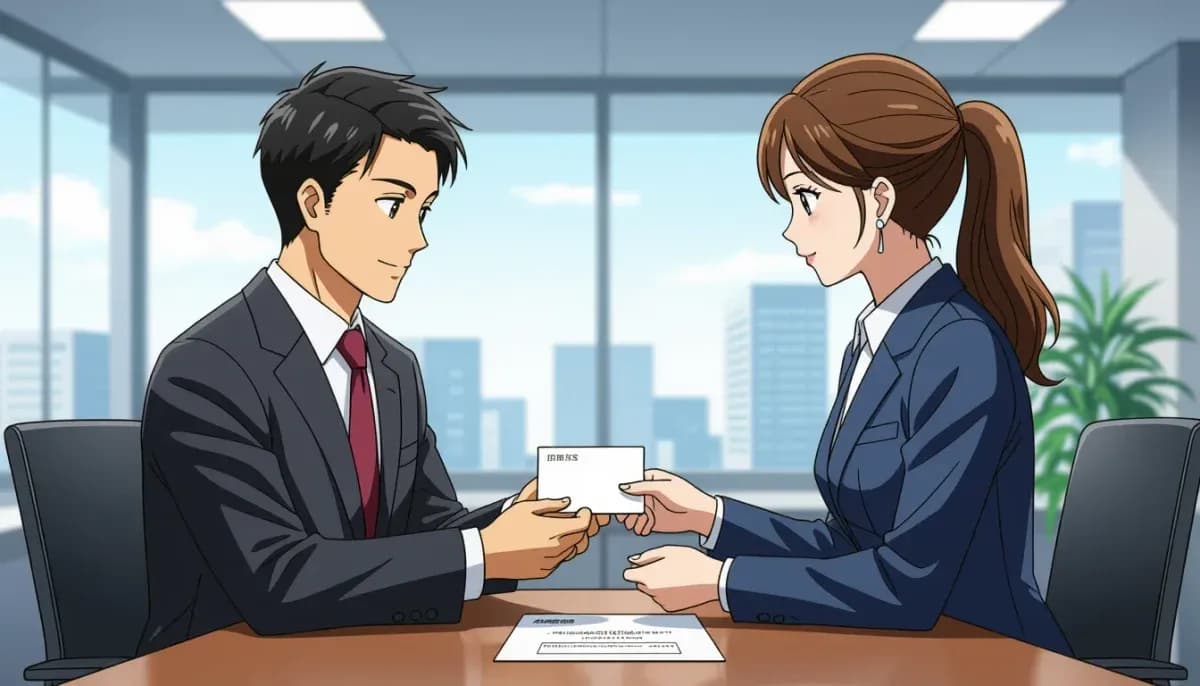
Japanese Business Card Meishi Exchange Guide
Learn the complete meishi exchange etiquette for Japan: how to present and receive business cards correctly, bilingual card design tips, common mistakes to avoid, and why this ritual matters so much in Japanese professional culture.
Read more →
Public Bath Sento Etiquette Guide for Foreigners
Complete sento etiquette guide for foreigners in Japan. Learn how to use a Japanese public bathhouse, what to bring, tattoo policies, and essential dos and don'ts for a respectful experience.
Read more →
Japanese Noise Etiquette and Quiet Hours Guide
Learn Japanese noise etiquette, quiet hours rules, and how to avoid noise complaints in Japan apartments. Essential guide for foreigners and expats living in Japan.
Read more →
Japanese Greeting Customs and Bowing Guide
Master Japanese greeting customs with this complete guide to bowing (ojigi), verbal greetings, business etiquette, and social tips for foreigners living in Japan.
Read more →