
Public Bath Sento Etiquette Guide for Foreigners

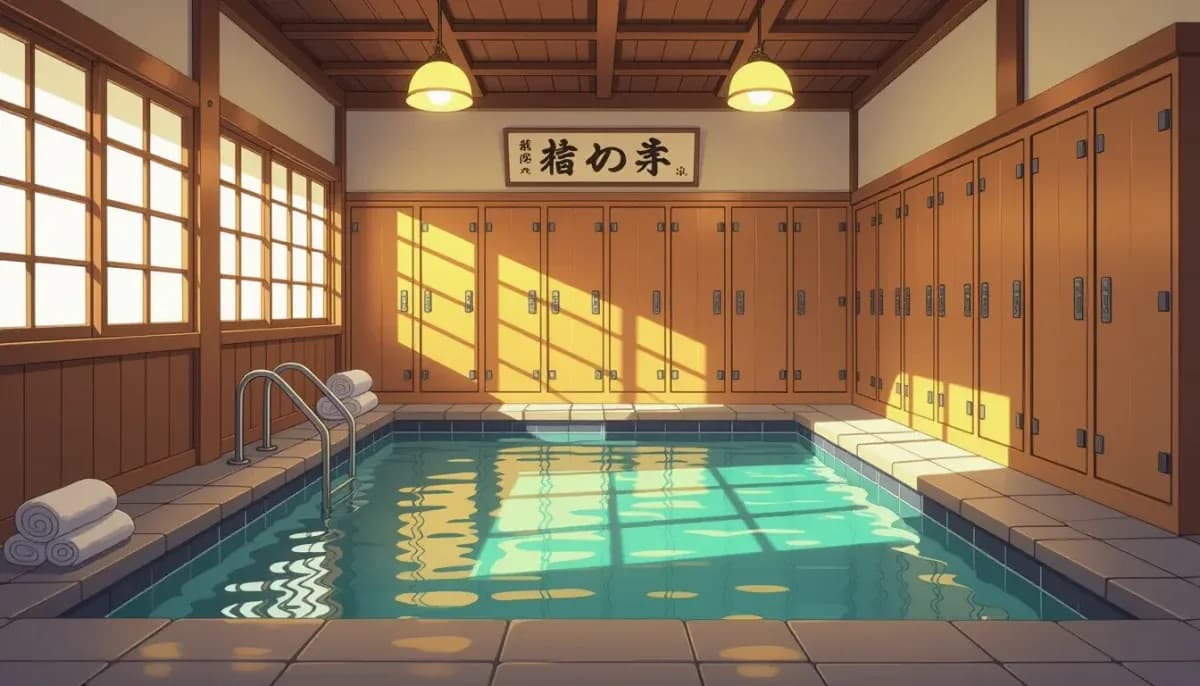
Complete sento etiquette guide for foreigners in Japan. Learn how to use a Japanese public bathhouse, what to bring, tattoo policies, and essential dos and don'ts for a respectful experience.
Public Bath Sento Etiquette Guide for Foreigners
Stepping into a Japanese sento (銭湯) for the first time can feel intimidating, but it doesn't have to be. These traditional public bathhouses have been a cornerstone of Japanese community life for centuries, and today they remain welcoming spaces where neighbors gather to relax and socialize. This comprehensive guide walks you through everything you need to know about sento etiquette so you can enjoy this uniquely Japanese experience with confidence.
Whether you're a new expat settling in Japan or a curious visitor, understanding the unwritten rules of the sento will make your experience enjoyable—both for yourself and for the regular bathers around you. For a broader look at fitting into Japanese daily life, check out our Complete Guide to Daily Life in Japan for Foreigners and our Japanese Culture and Etiquette Guide.
!Japanese sento public bathhouse entrance with traditional暖簾 curtain and wooden exterior
What Is a Sento? History and Culture
A sento is a neighborhood public bathhouse that uses heated tap water—distinct from an onsen, which uses natural hot spring water. Historically, sento developed because most Japanese homes lacked private baths, making the local bathhouse an essential daily facility.
At their peak in the 1960s, Tokyo alone had over 2,600 sento. Today, however, the number has fallen sharply to approximately 430 sento in Tokyo as of 2024, due to the widespread availability of private home baths. Despite the decline in total numbers, annual visitors still number in the tens of millions: sento welcomed 33.81 million visitors in 2008, dropping to 20.02 million by 2022—yet the average daily visitors per remaining sento has actually increased by 16% to 144, reflecting their enduring community role.
Sento are regulated under Japan's Public Bathhouse Law by the Ministry of Health, Labour and Welfare, making them officially recognized as essential community facilities. This means they are generally accessible to everyone, including foreigners and—importantly—people with tattoos (more on that below).
How to Find and Enter a Sento
Finding a Sento Near You
Look for the traditional chimney (煙突) poking above the rooftops—this is the telltale sign of an old-style sento. You can also search on Google Maps using "銭湯" or use dedicated apps like "sento navi" to find your nearest bathhouse.
Typical admission fees:
| Type | Price (Tokyo) |
|---|---|
| Adult (12+) | ~500 yen |
| Child (6–11) | ~200 yen |
| Small child (0–5) | Free |
| Towel rental | 50–100 yen |
| Soap/shampoo set | 100–200 yen |
Most sento are cash-only, so bring yen. Operating hours are usually afternoon through midnight (e.g., 3:00 PM – 11:00 PM), though some open earlier.
Entering the Sento
- Remove your shoes at the entrance (玄関, genkan) and place them in a small locker or shoe rack.
- Head to the reception counter (番台, bandai) or vending machine to pay.
- Look for the gender-separated entrances: blue curtain (男の湯, otoko no yu) for men, red curtain (女の湯, onna no yu) for women. Some sento also display 男 (male) and 女 (female) kanji on their curtains.
For more on navigating daily logistics in Japan, see our guide on Transportation in Japan.
Step-by-Step: How to Use a Sento
Step 1: The Changing Room
Once inside, you'll find a changing room (脱衣所, datsui-jo) with baskets or lockers. Strip down completely—swimwear is not permitted in a traditional sento. Place all your belongings in a locker and take your small towel (手拭い, tenugui) with you into the bathing area.
Step 2: The Washing Area — Mandatory First Step
This is the most critical rule: you must wash your body thoroughly before entering any communal bath. Sit at one of the low stools in front of the faucets along the wall, use the provided bucket (手桶, teoke) to rinse yourself, then soap up and wash completely. Rinse all soap residue off your body before approaching the main bath.
Skipping this step is considered very rude and unhygienic. It's the equivalent of jumping into a shared pool without showering first.
Step 3: Entering the Bath
Once clean, walk gently to the main bath. Lower yourself slowly and quietly. The water temperature in Japanese sento is typically 40–43°C (104–109°F)—hotter than most Westerners are used to. Take your time and ease in gradually.
Step 4: Towel Etiquette
Your small towel must never enter the communal bathwater. You can:
- Place it folded on the edge of the bath
- Balance it on top of your head (a classic Japanese style)
- Leave it on a nearby shelf
Dipping the towel in the water is a serious etiquette violation as it introduces soap residue and other contaminants.
Step 5: Other Bath Types
Many sento offer a variety of baths beyond the main pool:
- Electric bath (電気風呂, denki buro): Mild electric currents pass through the water for muscle stimulation—approach cautiously if you have health conditions.
- Jet bath: Water jets for massage therapy.
- Cold bath (水風呂, mizu buro): Cold plunge after sauna or hot bath; popular for circulation.
- Sauna (サウナ): Available in many modern sento, sometimes with a small extra fee.
- Outdoor bath (露天風呂, roten buro): Open-air bathing, often the most relaxing option.
Step 6: Exiting the Bath Area
Before returning to the changing room, use your small towel to lightly wipe excess water from your body—including the soles of your feet—to avoid dripping on the changing room floor. This is a small but important courtesy to other bathers.
Complete Sento Dos and Don'ts
Do's ✅
- Wash completely before entering the communal bath
- Speak quietly — sento are relaxing spaces, not social clubs for loud conversation
- Greet others with a gentle nod or quiet "konnichiwa"
- Bring cash — most sento don't accept credit cards
- Bring your own toiletries (soap, shampoo) if available, or purchase them at reception
- Wipe off before the changing room to keep the floor dry
- Return shared items (stools, buckets) to their original positions after use
- Try the cold bath gradually if you're feeling adventurous
Don'ts ❌
- Don't dip your towel in the bath — leave it on the rim or your head
- Don't bring soap or shampoo into the main bath — suds contaminate the shared water
- Don't splash or play in the water — this is not a swimming pool
- Don't bring your phone into the bathing area (privacy concerns for other bathers)
- Don't swim or submerge your head in the communal bath
- Don't talk loudly or make excessive noise
- Don't rush — bathing in Japan is a meditative, unhurried experience
Tattoo Policy at Sento
One of the biggest concerns foreigners with tattoos have is whether they'll be allowed entry. The good news: most sento are significantly more tattoo-friendly than onsen.
Because sento are regulated as public facilities under Japan's Public Bathhouse Law, they cannot easily turn people away. According to sento ambassador Stephanie Crohin, who has visited hundreds of sento across Japan, only three were uncomfortable with her tattoos out of many visits.
That said, policies vary by establishment. If you're unsure:
- Look for signs stating "Tattoo OK" (increasingly common in Tokyo)
- Ask politely at the reception: "Tattoo wa daijoubu desu ka?" (タトゥーは大丈夫ですか?)
- Smaller neighborhood sento are generally more lenient than upscale "super sento" facilities
For context on navigating cultural sensitivities in Japan, our Japanese Culture and Etiquette Guide has extensive tips.
What to Bring to a Sento
Packing the right items makes your visit much smoother:
Essential:
- Cash (500–700 yen per visit)
- Small towel (tenugui) for the bathing area
- Large bath towel for drying off
Recommended:
- Soap and shampoo (travel-size)
- Conditioner
- Razor
- Comb or brush
- Change of clothes
Optional/Extras:
- Moisturizer (the hot water can dry skin)
- Extra yen for vending machines inside
- Sandals or flip-flops
Many sento have vending machines selling drinks, and some have relaxation areas where you can enjoy a cold milk (牛乳) after your bath—a beloved Japanese tradition!
Health Benefits and Tips for First-Timers
Soaking in a sento has recognized health benefits:
- Improved blood circulation
- Muscle relaxation and relief from soreness
- Stress reduction and better sleep
- Some sento add medicinal bath salts or herbs for additional benefits
Tips for first-timers:
- Start with a shorter soak of 10–15 minutes, then take a break
- Stay hydrated—drink water before and after
- If you feel dizzy or overheated, exit immediately and rest in the changing room
- The alternating hot/cold bath routine (going between the hot bath and cold plunge) is beloved by regulars for its invigorating effects
For more on staying healthy in Japan, see our Healthcare in Japan Guide.
Where to Learn More
To deepen your knowledge of sento culture, these resources are invaluable:
- Tokyo Weekender's Sento Etiquette Guide — excellent practical tips with photos
- Sento Guide - Official Etiquette Page — comprehensive rules and cultural context
- GO TOKYO's Sento Culture Guide — great for understanding the cultural significance
- Living in Nihon — broad lifestyle guides for foreigners living in Japan
- For Work in Japan — helpful resources for expats navigating daily life in Japan
- Ittenshoku — career and lifestyle resources for foreigners in Japan
Final Thoughts: Embrace the Sento Experience
The sento is more than just a place to get clean—it's a window into authentic Japanese community life. Going to the sento is an experience that most tourists never have, and it connects you to a tradition that has shaped Japanese culture for hundreds of years.
As a foreigner, you might feel self-conscious at first. Don't worry. Most regulars are happy to share their sento with curious visitors who show respect for the space. Follow the etiquette rules, wash thoroughly before entering, keep your towel out of the water, and speak quietly—and you'll fit right in.
For more guidance on living comfortably and authentically in Japan, explore our Complete Guide to Japanese Festivals and Traditions and Making Friends and Social Life in Japan.
The sento awaits. お風呂を楽しんでください!(Enjoy your bath!)

Originally from Vietnam, living in Japan for 16+ years. Graduated from Nagoya University, with 11 years of professional experience at Japanese and international companies. Sharing information about living in Japan for foreigners.
View Profile →Related Articles
Japanese Seasonal Customs and Greeting Traditions
Discover Japan's seasonal customs and greeting traditions across all four seasons. From hanami and Tanabata to nengajo and oseibo—your complete guide to navigating Japanese seasonal culture as a foreigner.
Read more →
Common Cultural Misunderstandings Foreigners Make in Japan
Avoid embarrassing cultural mistakes in Japan. Learn about shoe etiquette, tipping, indirect communication, chopstick taboos, onsen rules, and business card customs that trip up most foreigners.
Read more →
Japanese Business Card Meishi Exchange Guide
Learn the complete meishi exchange etiquette for Japan: how to present and receive business cards correctly, bilingual card design tips, common mistakes to avoid, and why this ritual matters so much in Japanese professional culture.
Read more →
Japanese Noise Etiquette and Quiet Hours Guide
Learn Japanese noise etiquette, quiet hours rules, and how to avoid noise complaints in Japan apartments. Essential guide for foreigners and expats living in Japan.
Read more →
Chopstick Etiquette in Japan Rules You Must Know
Master chopstick etiquette in Japan with this complete guide. Learn the major taboos, how to hold chopsticks correctly, and the unwritten rules that every foreigner should know before dining in Japan.
Read more →
Japanese Greeting Customs and Bowing Guide
Master Japanese greeting customs with this complete guide to bowing (ojigi), verbal greetings, business etiquette, and social tips for foreigners living in Japan.
Read more →