
Japanese Seasonal Customs and Greeting Traditions

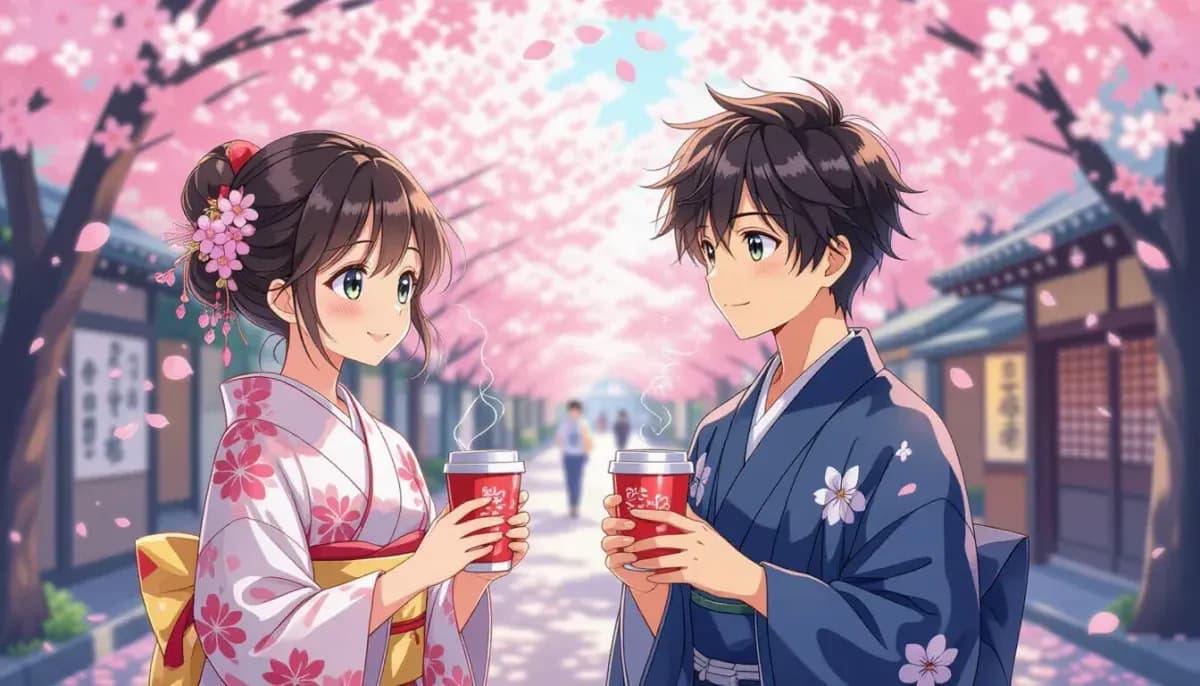
Discover Japan's seasonal customs and greeting traditions across all four seasons. From hanami and Tanabata to nengajo and oseibo—your complete guide to navigating Japanese seasonal culture as a foreigner.
Japanese Seasonal Customs and Greeting Traditions: A Complete Guide for Foreigners
Japan is a country where the changing of seasons is not merely a meteorological event—it is a deeply cultural, social, and spiritual experience. From cherry blossom viewing parties in spring to solemn ancestral rituals in summer, from vibrant autumn leaf celebrations to elaborate New Year festivities, each season in Japan comes with its own rich tapestry of customs, greetings, and social obligations. For foreigners living in or visiting Japan, understanding these seasonal traditions is essential to building meaningful relationships and navigating daily life with grace.
This guide explores the major seasonal customs and greeting traditions in Japan across all four seasons, helping you participate authentically in Japanese culture and avoid common social missteps.
The Japanese Concept of Kisetsukan: Seasonal Awareness
Before diving into specific customs, it helps to understand kisetsukan (季節感), or "seasonal awareness"—a concept deeply embedded in Japanese culture. In Japan, acknowledging the current season in conversation, letters, and even business emails is considered a mark of cultural sophistication and emotional intelligence.
This awareness is not just poetic flourish. It serves key social functions:
- Establishing connection through shared experiences
- Demonstrating cultural competence and sensitivity
- Expressing empathy by acknowledging what others around you are experiencing
- Following social etiquette, especially in formal business correspondence
A formal Japanese letter typically opens with a seasonal greeting before getting to the main content. Even in modern digital communications, brief seasonal acknowledgments remain common in professional settings. For foreigners in Japan, learning to recognize and appropriately use seasonal references can significantly enhance social and professional relationships.
For a broader understanding of Japanese culture and etiquette, see our Complete Guide to Japanese Culture and Etiquette for Foreigners.
Spring Customs and Greetings (March–May)
Spring in Japan is a season of new beginnings, renewal, and communal celebration. The school year begins in April, many companies start their fiscal year, and the most iconic cultural event—cherry blossom viewing—takes place.
Hanami: Cherry Blossom Viewing
Hanami (花見, literally "flower viewing") is the beloved tradition of gathering under blooming cherry trees with friends, family, or work colleagues to enjoy food, drinks, and the ephemeral beauty of sakura. The most common variety, somei-yoshino, typically blossoms from late March to April.
Hanami parties can range from casual picnics with close friends to elaborate corporate outings. Arriving early to "reserve" a prime spot under the trees by spreading a tarp is a common and entirely acceptable practice. Bentos, onigiri, sake, and sakura mochi (cherry blossom rice cakes) are traditional hanami foods.
Hinamatsuri: Girls' Day (March 3)
Hinamatsuri (雛祭り), or the Doll Festival, is held on March 3rd to celebrate girls and pray for their health and happiness. Families display ornate ceramic dolls dressed in ancient imperial court attire. Traditional foods include chirashi-zushi (scattered sushi), hishi mochi (diamond-shaped rice cakes), and amazake (sweet sake).
Children's Day (May 5)
Kodomo no Hi (こどもの日) on May 5th celebrates children's health and happiness, with particular focus on boys. Families fly koinobori (carp-shaped streamers) from their homes, symbolizing strength and perseverance. The holiday is part of Golden Week, Japan's extended spring holiday period.
Spring Greetings
Spring correspondence often references cherry blossoms, new growth, and the warmth returning after winter. A typical formal seasonal greeting might acknowledge the softening weather and wish the recipient well in the new season. For foreigners, simply mentioning sakura in conversation or complimenting the spring scenery is an easy way to connect culturally.
Summer Customs and Greetings (June–August)
Summer in Japan is marked by intense heat and humidity, vibrant festivals, and significant ancestral observances. It is also when two important social gift-giving traditions take place.
Tanabata: Star Festival (July 7)
Tanabata (七夕) is a romantic festival celebrating the mythical reunion of two stars—Orihime and Hikoboshi—once a year across the Milky Way. People write wishes on tanzaku (colorful paper strips) and hang them on bamboo branches. Many cities hold large Tanabata festivals with elaborate decorations, the most famous being in Sendai (held in August).
Obon: Ancestral Festival (August 13–16)
Obon (お盆) is one of Japan's most important cultural events, rivaling New Year in significance. It is a Buddhist tradition during which ancestral spirits are believed to return to the living world. Families return to their hometowns to visit graves, light chochin (paper lanterns) to guide spirits, and perform bon odori—communal circle dances held at local temples and community centers.
Many Japanese companies give employees time off during Obon, making it one of the busiest travel periods of the year. For foreigners in Japan, attending a local bon odori dance is a wonderful way to experience community life.
Summer Gift-Giving: Ochugen
Ochūgen (お中元) is the summer gift-giving tradition, typically observed in mid-July. These gifts are sent to express gratitude for support received during the first half of the year. Common ochugen gifts include seasonal fruits, beverages, sweets, ice cream, and cold noodles—items suited to Japan's notoriously hot summers.
In business contexts, ochugen gifts are sent to clients, supervisors, and mentors. For foreigners working in Japan, participating in this tradition—even modestly—can strengthen professional relationships significantly.
Summer Formal Letter Greetings
Japan has specific letter-writing traditions for summer:
- Shochū mimai (暑中見舞い): Sent from mid-July to early August, expressing hopes the recipient is staying well during the heat
- Zansho mimai (残暑見舞い): Sent from August 8th onward, acknowledging that the intense heat lingers even as summer wanes
For a comprehensive look at seasonal festivals, visit our Complete Guide to Japanese Festivals and Traditions.
Autumn Customs and Greetings (September–November)
Autumn in Japan is celebrated for its spectacular foliage (koyo), harvest festivals, and several key observances honoring family and community.
Momijigari: Autumn Leaf Viewing
Much like spring's hanami, autumn brings momijigari (紅葉狩り)—the tradition of viewing brilliant red and gold autumn foliage. Popular spots include Nikko, Kyoto's temple gardens, and national parks throughout Japan. The experience is quieter and more contemplative than the festive hanami picnics, often involving gentle walks through forested paths.
Tsukimi: Moon Viewing (Mid-September)
Tsukimi (月見), or moon viewing, celebrates the harvest moon—considered particularly beautiful in early autumn. Families and communities gather to view the full moon, offering tsukimi dango (round rice dumplings) and susuki (pampas grass) as decorations. The tradition reflects Japan's deep connection to nature's cycles.
Shichi-Go-San (November 15)
Shichi-Go-San (七五三) is a traditional rite of passage for children aged three, five, and seven. Families dress their children in kimono and visit Shinto shrines to pray for continued health and good fortune. Children receive chitose ame (thousand-year candy)—long red and white candy sticks symbolizing longevity.
Respect for the Aged Day
Held on the third Monday of September, Keirō no Hi (敬老の日) honors elderly members of society and their contributions to the community. It is customary to visit and spend time with older family members and express appreciation for their wisdom and life experience.
Autumn Greeting Themes
Autumn correspondence typically references clear skies, crisp breezes, and the beauty of changing leaves. Greetings often take on a more literary, contemplative tone—referencing the richness of the harvest season and the pleasures of autumn: fine food, reading, and the arts.
Winter Customs and Greetings (December–February)
Winter in Japan is bookended by two of the country's most significant social periods: the end-of-year season (nenmatsu) and the New Year celebrations (oshōgatsu). This period involves the most elaborate set of customs and gift-giving obligations of any season.
Oseibo: Year-End Gift Giving (December)
Oseibo (お歳暮) is the year-end counterpart to summer's ochugen. These gifts are sent in December to express gratitude for support received throughout the entire year. In eastern Japan, oseibo season runs from late November to around December 20th; in western Japan, from December 13th to 20th.
Common oseibo gifts include sweets, alcoholic beverages, specialty regional foods, and household items. In professional settings, oseibo is often sent to clients, managers, and anyone who has supported your work during the year.
Ōmisoka: New Year's Eve (December 31)
Ōmisoka (大晦日) is New Year's Eve, when Japanese families gather for toshikoshi soba (year-crossing noodles)—long buckwheat noodles symbolizing a long life and the hope of cutting ties with the troubles of the past year. At midnight, temple bells ring 108 times (joya no kane) to symbolically cleanse the 108 worldly desires recognized in Buddhist teaching.
Oshōgatsu: New Year's Celebrations (January 1–3)
New Year's (oshōgatsu) is arguably the most important holiday in Japan. The first three days of January are spent with family, eating osechi ryōri (traditional New Year dishes arranged in decorative stacked boxes), visiting shrines and temples (hatsumōde), and receiving or giving otoshidama (New Year's gift money in decorated envelopes given to children).
Nengajo: New Year Cards
Nengajō (年賀状) are New Year's postcards sent to maintain relationships with friends, family, colleagues, and clients. A key social norm: these cards are expected to arrive precisely on January 1st. The Japanese postal service accepts nengajō from December 15th and guarantees delivery on New Year's Day for cards received by December 25th.
Cards typically feature the zodiac animal of the coming year and brief seasonal wishes. It is considered poor form to neglect sending a card to someone who sent one to you. For foreigners in Japan, sending even a few nengajō to Japanese friends and colleagues is a gesture that will be warmly appreciated.
Setsubun (February 3)
Setsubun (節分) marks the traditional last day of winter before the seasonal calendar shifts. The main custom involves mamemaki—throwing roasted soybeans out the door or at a family member dressed as a demon (oni), shouting "Oni wa soto! Fuku wa uchi!" ("Demons out! Fortune in!"). Eating the number of beans corresponding to your age is said to bring good health for the coming year. Many shrines and temples hold elaborate Setsubun ceremonies open to the public.
Valentine's Day and White Day
In Japan, Valentine's Day (February 14th) follows a unique custom: women give chocolate to men. There are two types—honmei choco (heartfelt chocolate given to a romantic partner) and giri choco (obligation chocolate given to male colleagues and friends). White Day (March 14th) is when men reciprocate with gifts, often white chocolate or other sweets, typically of greater value than what was received.
Seasonal Gift-Giving Summary Table
Understanding the major seasonal gift-giving occasions helps foreigners navigate social and professional relationships in Japan:
| Season | Occasion | Timing | Purpose | Common Gifts |
|---|---|---|---|---|
| Summer | Ochugen (お中元) | Mid-July | Gratitude for first half of year | Fruits, beverages, sweets, cold noodles |
| Winter | Oseibo (お歳暮) | Late Nov–Dec 20 | Gratitude for full year | Sweets, alcohol, specialty foods |
| New Year | Otoshidama (お年玉) | Jan 1–3 | Gift to children | Money in special envelopes |
| Winter | Nengajo (年賀状) | Arrives Jan 1 | Maintain relationships | Postcards with New Year wishes |
| Spring | Omiyage (お土産) | After travel | Sharing travel experience | Local food specialties |
| All year | Temiyage (手土産) | When visiting | Courtesy when visiting homes | Sweets, beverages |
How to Participate as a Foreigner
Navigating Japan's seasonal customs as a foreigner can feel overwhelming, but Japanese people generally appreciate any genuine effort to participate—even imperfect attempts are warmly received. Here are practical tips:
Start with the big moments: Sending a nengajō, participating in hanami, or attending a local bon odori are easy ways to engage with seasonal culture without deep expertise.
Observe before participating: If you're unsure of the protocol for a specific custom, watching what locals do before joining is always appropriate.
When in doubt, give food: Food gifts (sweets, local specialties, or seasonal items) are universally safe and appreciated in almost any social context.
Learn key seasonal phrases: Even knowing how to say "The weather has gotten cold, please take care of yourself" (samuku narimashita ne, o-karada ni ki wo tsukete kudasai) in Japanese will impress and delight native speakers.
Don't stress perfection: Japanese people are accustomed to foreigners being unfamiliar with customs. A sincere smile and effort matter more than perfect execution.
For more on building social connections in Japan, see our Guide to Making Friends and Social Life in Japan.
Further Reading and Resources
To deepen your understanding of Japan's seasonal traditions and cultural calendar, these resources offer excellent guidance:
- Japanese Seasonal Greetings Explained: From Spring to Winter — A detailed breakdown of seasonal greeting phrases used in letters and correspondence
- Seasonal Gift Giving in Japan — Nippon.com's comprehensive guide to ochugen and oseibo traditions
- Japanese Customs & Practices for Expats — Practical guide for foreigners navigating Japanese social customs
- Seasonal Traditions of Japan — Beautiful overview of year-round Japanese seasonal customs
- For living in Japan insights, visit Living in Nihon for their complete guide to Japanese seasons and traditions
- For workplace cultural guidance, For Work in Japan covers Japanese business culture and etiquette
- For career and relocation resources, Ittenshoku provides comprehensive support for foreigners working in Japan
Understanding Japan's seasonal customs and greeting traditions opens a door to deeper cultural connection and richer everyday experiences. Whether you're navigating a new workplace, building friendships, or simply wanting to appreciate the rhythms of life around you, tuning in to Japan's seasonal calendar will enrich your time in this extraordinary country. Japan's cycle of festivals, gifts, letters, and communal celebrations is not just tradition for tradition's sake—it is the living heartbeat of a society that finds beauty, meaning, and connection in the turning of every season.

Originally from Vietnam, living in Japan for 16+ years. Graduated from Nagoya University, with 11 years of professional experience at Japanese and international companies. Sharing information about living in Japan for foreigners.
View Profile →Related Articles
Common Cultural Misunderstandings Foreigners Make in Japan
Avoid embarrassing cultural mistakes in Japan. Learn about shoe etiquette, tipping, indirect communication, chopstick taboos, onsen rules, and business card customs that trip up most foreigners.
Read more →
Japanese Business Card Meishi Exchange Guide
Learn the complete meishi exchange etiquette for Japan: how to present and receive business cards correctly, bilingual card design tips, common mistakes to avoid, and why this ritual matters so much in Japanese professional culture.
Read more →
Public Bath Sento Etiquette Guide for Foreigners
Complete sento etiquette guide for foreigners in Japan. Learn how to use a Japanese public bathhouse, what to bring, tattoo policies, and essential dos and don'ts for a respectful experience.
Read more →
Japanese Noise Etiquette and Quiet Hours Guide
Learn Japanese noise etiquette, quiet hours rules, and how to avoid noise complaints in Japan apartments. Essential guide for foreigners and expats living in Japan.
Read more →
Chopstick Etiquette in Japan Rules You Must Know
Master chopstick etiquette in Japan with this complete guide. Learn the major taboos, how to hold chopsticks correctly, and the unwritten rules that every foreigner should know before dining in Japan.
Read more →
Japanese Greeting Customs and Bowing Guide
Master Japanese greeting customs with this complete guide to bowing (ojigi), verbal greetings, business etiquette, and social tips for foreigners living in Japan.
Read more →