
Japanese Noise Etiquette and Quiet Hours Guide

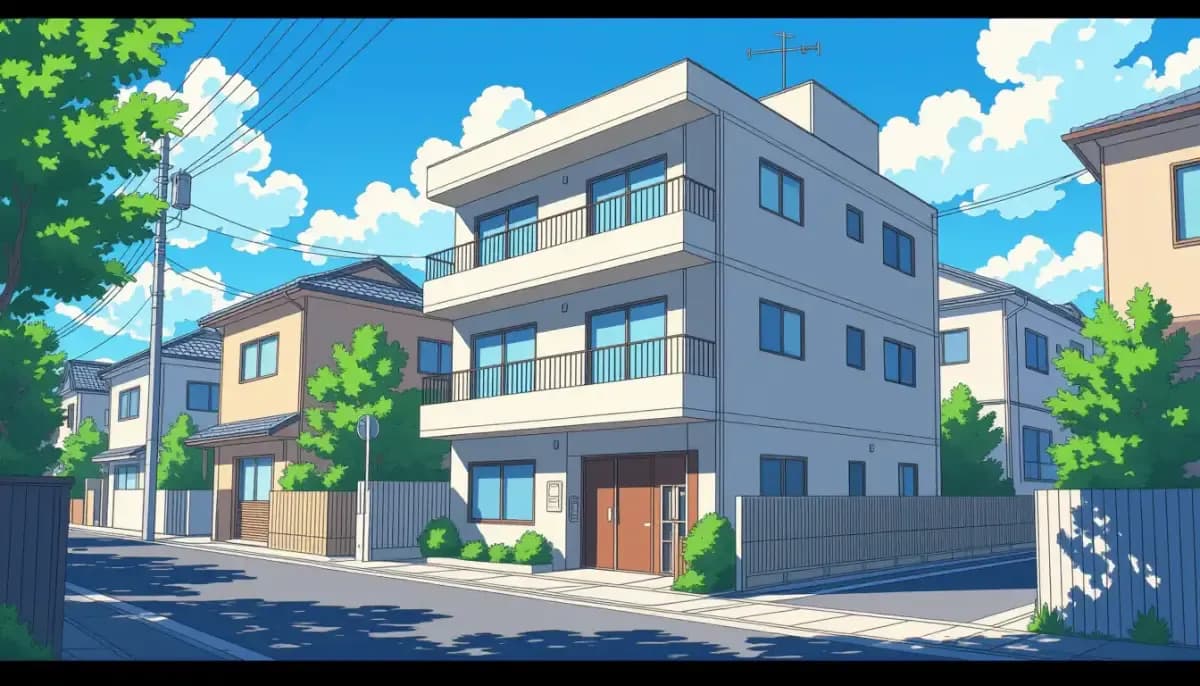
Learn Japanese noise etiquette, quiet hours rules, and how to avoid noise complaints in Japan apartments. Essential guide for foreigners and expats living in Japan.
Japanese Noise Etiquette and Quiet Hours Guide for Foreigners
Moving to Japan means adapting to a culture where silence and consideration for neighbors are treated as social obligations, not just politeness. Japanese noise etiquette is deeply embedded in everyday life, and understanding it—before you receive a complaint letter—can make the difference between a peaceful stay and a serious conflict with your landlord or building management.
This guide covers everything foreigners need to know about quiet hours, noise regulations, common complaints, and how to handle disputes the Japanese way.
Understanding Quiet Hours in Japanese Apartments
Japan does not have a single national law mandating specific "quiet hours" for all residential buildings. Instead, the country's Environmental Quality Standards for Noise—enforced by the Ministry of the Environment—define acceptable decibel levels by time of day. Most apartment buildings incorporate these standards into their house rules (入居規則, nyūkyo kisoku).
The commonly accepted quiet period in Japanese apartments runs from 10:00 PM to 8:00 AM. During these hours, residents are expected to minimize all activity that produces sound above normal ambient levels. Some stricter buildings, particularly in dense urban neighborhoods, extend quiet periods to 9:00 PM.
Official Government Noise Standards
Japan's Ministry of Environment established official environmental noise limits that inform residential expectations:
| Area Type | Daytime (6AM–10PM) | Nighttime (10PM–6AM) |
|---|---|---|
| Standard Residential (Category A) | 55 dB or less | 45 dB or less |
| Mixed Residential/Commercial (Category B) | 55 dB or less | 45 dB or less |
| Special Quiet Zones (Category AA) | 50 dB or less | 40 dB or less |
| Residential near 2-lane roads | 60 dB or less | 55 dB or less |
Category AA zones apply to areas near hospitals, convalescent facilities, and welfare institutions. For reference, 55 dB is roughly equivalent to a normal conversation, while 45 dB is closer to a quiet library.
The Most Common Noise Complaints in Japan
Understanding what triggers complaints helps you avoid them. Japanese apartment construction—especially older wood-frame buildings—provides minimal sound insulation between floors and walls. Sounds that would go unnoticed in a Western apartment can carry clearly to your neighbors.
Floor Impact Noise (Footstep Noise)
Impact noise from walking, especially with hard-soled shoes or heels, is the number-one noise complaint in Japanese residential buildings. The vibrations travel directly through the floor structure to the apartment below. Walking with slippers or in socks on hard floors, and placing thick rugs in high-traffic areas, dramatically reduces this problem.
Appliance and Household Noise
Washing machines, dryers, and vacuum cleaners produce significant vibration and sound. Running these appliances after 9:00 PM is considered inconsiderate in most buildings. The same applies to running the dishwasher, using a blender, or operating a rice cooker during late-night hours.
Music, Television, and Gaming
Thin walls mean your entertainment choices are shared with your neighbors. Keep TV and music at conversational volume levels after 8:00 PM. Gaming headsets are recommended for late-night sessions. Video call or voice chat through games can be especially disruptive—keep your microphone volume low and avoid extended sessions after 10:00 PM.
Children and Pets
Children jumping, running, or playing loudly before 7:00 AM or after 9:00 PM is a frequent source of tension in Japanese apartment buildings. Installing puzzle mats (ジョイントマット) in play areas significantly reduces impact noise. Pets, particularly dogs that bark or cats that knock items off furniture at night, are another common complaint.
Door Slamming and Hallway Noise
Slamming doors is considered very rude in Japan, both inside apartments and in shared hallways. Install stick-on door bumpers to prevent accidental slamming. Keep hallway conversations brief and at low volume, especially during morning commute hours and late evening.
How Japanese Neighbors Handle Noise Complaints
One of the biggest cultural differences for foreigners is how noise disputes are managed. Japanese culture places enormous value on avoiding direct confrontation (直接の対立を避ける, chokusetsu no tairitsu wo sakeru). Do not expect an angry neighbor to knock on your door—that almost never happens.
Instead, Japanese neighbors follow indirect channels:
- Silent documentation: Your neighbor may be documenting the time, frequency, and type of noise for weeks before taking any action.
- Building management notice: A general notice is sent to all residents—phrases like "please be mindful of noise" (騒音にご注意ください) address everyone to avoid singling out individuals.
- Management staff visit: If the issue continues, your building manager (管理人, kanrinin) may visit you personally. This visit signals the situation is serious and requires immediate behavioral change.
- City consultation service: Local municipal offices and city consultation desks provide free mediation services, sometimes with multilingual support.
- Legal options: Persistent noise disputes can be brought to civil conciliation (調停, chōtei) at the local Summary Court—a low-cost mediation process that does not require a lawyer.
For more context on apartment management in Japan, see our guide to Finding Housing in Japan.
Practical Tips to Avoid Noise Complaints
Prevention is far better than dealing with a complaint. The following measures are standard among experienced expats living in Japanese apartments:
Floor and Furniture:
- Place thick rugs with dense underlays (防音マット, bōon matto) in living rooms, hallways, and bedrooms
- Apply felt pads under all furniture legs, especially chairs and tables you move frequently
- Avoid dragging furniture across bare floors—lift it instead
Daily Scheduling:
- Schedule laundry, vacuuming, and noisy cleaning before 9:00 PM
- Take showers and baths before 11:00 PM when possible
- Avoid cooking with loud appliances (blenders, food processors) late at night
Sound Dampening:
- Install stick-on door bumpers (ドアクッション) on all interior doors
- Lower bass settings on speakers—bass frequencies penetrate walls most effectively
- Use curtains and soft furnishings to absorb sound within your apartment
Considerate Communication:
- Before hosting parties or gatherings, slip a polite note under neighbors' doors informing them of the event and your contact information
- Introduce yourself to immediate neighbors when you first move in—positive relationships reduce the likelihood of complaints
For broader etiquette guidance, see our Japanese Culture and Etiquette Guide and our Daily Life in Japan Guide.
Receiving a Noise Complaint: How to Respond
If you receive a notice from building management or a direct request from a neighbor, respond calmly and constructively. The Japanese approach prioritizes harmony restoration over assigning blame.
Immediate steps:
- Acknowledge the complaint with sincere apology—a brief written note to management or the neighbor works well
- Make visible behavioral changes immediately, not gradually
- Follow up with management to confirm the issue has been resolved
Do not become defensive or argue that your noise level was acceptable. Even if you believe your actions were within normal limits, the relational damage from defensiveness outweighs being "right." Japanese social norms prioritize group harmony over individual justification.
For help navigating formal complaints, you can contact your ward (区, ku) or city office's living consultation desk (生活相談窓口). Many urban wards in Tokyo, Osaka, and Nagoya offer these services in English.
Living in Japan means adapting to community standards that prioritize collective peace. Resources like Living in Nihon offer additional guides on navigating Japanese residential life, while For Work in Japan provides context on daily Japanese social expectations for foreign workers. For career-related relocation questions, Ittenshoku covers practical aspects of moving for work in Japan.
Moving In: First Steps That Set the Right Tone
Your first few weeks in a new Japanese apartment establish your relationship with the building and its residents. Japanese apartment culture assigns significant weight to first impressions and initial compliance with building norms.
On move-in day:
- Keep elevator use efficient and return shared equipment promptly
- Avoid making move-in noise after 6:00 PM
- Introduce yourself to your immediate upstairs, downstairs, and adjacent neighbors with a small gift (引越し挨拶, hikkoshi aisatsu)—usually a wrapped pack of detergent, tissues, or snacks costing ¥500–¥1,000
- Read your lease agreement's house rules section carefully for building-specific quiet hour policies
Move-in gifts (引越し挨拶) are standard in Japan—skipping this step is noticed and can create a cool relationship with neighbors before any noise issue arises. For a complete guide to moving logistics, see our Moving to Japan Guide.
Conclusion
Noise etiquette in Japan is not simply a matter of following rules—it reflects the cultural value of mutual consideration (思いやり, omoiyari) that shapes daily interactions across the country. Foreigners who understand and respect quiet hours, take preventive measures, and respond to feedback appropriately will find their neighborhood relationships warm and their living experience significantly smoother.
Key takeaways:
- Standard quiet hours: 10:00 PM to 8:00 AM, sometimes earlier in strict buildings
- Official noise limits: 55 dB daytime, 45 dB nighttime for standard residential areas
- Complaints follow indirect channels—building management, not direct confrontation
- Introduce yourself to neighbors on move-in day with a small gift
- Thick rugs, felt pads, and appliance scheduling prevent most complaints before they start
For more on adjusting to daily life in Japan, explore our Daily Life in Japan Guide and our complete Japanese Culture and Etiquette Guide.
Sources: Japan Ministry of Environment Environmental Quality Standards for Noise; Japan Handbook — Noise and Etiquette in Japanese Apartments; Japan Dev — Noise Complaints in Japan

Originally from Vietnam, living in Japan for 16+ years. Graduated from Nagoya University, with 11 years of professional experience at Japanese and international companies. Sharing information about living in Japan for foreigners.
View Profile →Related Articles

Japanese Seasonal Customs and Greeting Traditions
Discover Japan's seasonal customs and greeting traditions across all four seasons. From hanami and Tanabata to nengajo and oseibo—your complete guide to navigating Japanese seasonal culture as a foreigner.
Read more →
Common Cultural Misunderstandings Foreigners Make in Japan
Avoid embarrassing cultural mistakes in Japan. Learn about shoe etiquette, tipping, indirect communication, chopstick taboos, onsen rules, and business card customs that trip up most foreigners.
Read more →
Japanese Business Card Meishi Exchange Guide
Learn the complete meishi exchange etiquette for Japan: how to present and receive business cards correctly, bilingual card design tips, common mistakes to avoid, and why this ritual matters so much in Japanese professional culture.
Read more →
Public Bath Sento Etiquette Guide for Foreigners
Complete sento etiquette guide for foreigners in Japan. Learn how to use a Japanese public bathhouse, what to bring, tattoo policies, and essential dos and don'ts for a respectful experience.
Read more →
Chopstick Etiquette in Japan Rules You Must Know
Master chopstick etiquette in Japan with this complete guide. Learn the major taboos, how to hold chopsticks correctly, and the unwritten rules that every foreigner should know before dining in Japan.
Read more →
Japanese Greeting Customs and Bowing Guide
Master Japanese greeting customs with this complete guide to bowing (ojigi), verbal greetings, business etiquette, and social tips for foreigners living in Japan.
Read more →