
How to Buy a Car in Japan as a Foreigner


Step-by-step guide for foreigners buying a car in Japan. Learn about required documents, parking certificates, shaken inspections, costs, and financing options for expats.
How to Buy a Car in Japan as a Foreigner: The Complete Guide
Buying a car in Japan as a foreigner is entirely possible — but it comes with a unique set of rules, paperwork, and cultural quirks that can catch newcomers off guard. From securing a parking space certificate before you even walk into a dealership, to navigating the biennial shaken inspection system, owning a vehicle in Japan requires careful preparation. This guide walks you through every step, from eligibility and documentation to vehicle types, financing, and ongoing costs.
!Foreigner buying a car at a Japanese dealership with Japanese signage in background

Whether you're planning a long-term stay in a rural area where a car is essential, or you're simply tired of relying on trains, this guide will help you make an informed decision and navigate the process with confidence.
Are Foreigners Allowed to Buy a Car in Japan?
Yes — there is no law preventing foreigners from purchasing a vehicle in Japan. However, the practical requirements mean that only foreigners with long-term residency status can realistically complete the purchase and registration process.
To buy and register a car in Japan, you must:
- Have a valid residence card (Zairyu Card) proving your registered address in Japan
- Hold a valid driver's license (Japanese or International Driving Permit)
- Prove you have a registered parking space within 2km of your address
- Have a personal seal (hanko/inkan) registered at your local ward office
Short-term visitors on tourist visas cannot register a vehicle in Japan. If you're on a working visa, student visa, or have permanent residency, you're generally eligible to purchase and own a car.
For a broader overview of living in Japan as a foreigner, see our Complete Guide to Daily Life in Japan.
Step 1: Get Your Parking Space Certificate (Shako Shomeisho)
Before you can register a car in Japan, you must prove you have a dedicated parking space. This is one of the most important and often overlooked steps for foreigners.
What is the Shako Shomeisho?
The shako shomeisho (車庫証明書) is a parking space certificate issued by your local police station. It confirms that your vehicle will have a designated, legal parking spot within 2 kilometers of your registered address.
How to get it:
- Visit your nearest police station (koban or keisatsu-sho)
- Submit an application form with your vehicle information (often provided by the dealership)
- A police officer will inspect your parking space
- The certificate is issued within 3-5 business days
- Processing fee: approximately ¥2,500-¥3,000
Important notes:
- If you live in an apartment with a parking space included, your landlord must provide written proof that the space is designated for your vehicle
- If you rent an external parking space, bring your parking contract
- Kei cars (light vehicles with yellow plates) in some rural areas may be exempt from this requirement
Step 2: Required Documents for Buying a Car
Once you have your parking space certificate, gather the following documents before visiting a dealership or completing a private purchase:
| Document | Where to Get It | Notes |
|---|---|---|
| Residence Card (Zairyu Card) | Your local ward office upon arrival | Must show your current registered address |
| Driver's License | Japanese DMV or your home country | IDP valid for 3 months only; get a Japanese license for long-term stays |
| Personal Seal (Inkan) | Purchase at stationery stores | Must be registered (jitsu-in) at ward office for official use |
| Inkan Certificate (Inkan Shomeisho) | Your ward office | Proves your seal is officially registered |
| Parking Space Certificate (Shako Shomeisho) | Local police station | Valid for 1 month; apply after finding a car |
| Proof of Insurance | After purchasing | Compulsory insurance (Jibaiseki Hoken) required |
For used car private purchases, you'll also need the previous owner's vehicle transfer certificate, old inspection certificate (shaken-sho), and proof of tax payment.
Driver's License Tip: Nationals from countries driving on the left (Australia, UK, New Zealand, etc.) can usually convert their foreign license to a Japanese one with just paperwork — no driving test required. Americans, Canadians, and citizens of many other countries must pass a full Japanese driving test, which can take several attempts.
For more on driving in Japan, see our Complete Guide to Transportation in Japan.
Step 3: Choose the Right Vehicle
Japan offers a wide range of vehicle types, and understanding the market will help you make the best choice for your lifestyle and budget.
Kei Cars (軽自動車 — Keijidosha)
Kei cars are Japan's most popular and practical choice for foreigners, especially in urban areas. Identifiable by their yellow license plates, these small vehicles offer:
- Lower annual road tax (¥7,200-¥12,900 vs. ¥25,000-¥111,000+ for regular cars)
- Cheaper compulsory insurance
- Easy parking in tight city spaces
- Good fuel economy
- Lower purchase prices
Popular kei car models include the Honda N-Box, Suzuki Alto, Daihatsu Move, and Mitsubishi eK Wagon.
Downside: They can feel cramped, especially for taller foreigners, and highway driving at sustained high speeds can be less comfortable.
Regular Cars (普通車 — Futsusha)
Standard-size vehicles with white license plates offer more space, better highway performance, and a wider range of options from Japanese brands (Toyota, Honda, Nissan, Mazda) and international brands.
New vs. Used Cars
| Factor | New Car | Used Car |
|---|---|---|
| Price | ¥1,500,000-¥5,000,000+ | ¥200,000-¥2,000,000 |
| Depreciation | Rapid in first 3 years | Already depreciated |
| Shaken status | Included (3 years) | Check remaining shaken |
| Condition | Perfect | Typically excellent (due to shaken system) |
| Language barrier | Dealership may have English support | Private sales usually Japanese-only |
| Best for | Long-term residents | Short to medium stays |
Japan's strict shaken inspection system means even older used cars are typically in excellent condition. Many expats prefer used cars because they're cheaper upfront and lose less value if you sell before leaving Japan.
Where to search for used cars:
- Goo Net Exchange — English-friendly platform for buying Japanese used cars
- CarSensor.net — popular Japanese used car marketplace
- Yahoo! Auctions Japan — for adventurous buyers
Step 4: The Purchase Process
!Used Japanese cars displayed at a dealership lot in Japan

Buying from a Dealership
For most foreigners, buying from a dealership is the easiest option because:
- The dealership handles most paperwork and registration
- Some have English-speaking staff or can use translation tools
- Warranty and after-sales service are available
- Trade-ins are possible
Step-by-step process at a dealership:
- Find your vehicle and negotiate price (5-10% discounts are common on new cars)
- Complete a test drive
- Provide your documents (residence card, license, inkan, parking certificate)
- Sign the purchase agreement
- The dealership registers the vehicle, obtains plates, and arranges compulsory insurance
- Pick up the car (typically 1-2 weeks after purchase for new cars)
Private Sales
Private purchases are cheaper but more complex. You'll need to handle registration yourself at the Land Transport Office (for white plate vehicles) or the Light Vehicle Inspection Association (for kei cars with yellow plates).
Registration fee at the Land Transport Office: approximately ¥2,000-¥3,000.
Pro tip: Bring a Japanese-speaking friend to any dealership or police station visit — English is rarely spoken at these locations, and having a translator can prevent costly misunderstandings.
For guidance on navigating Japanese bureaucracy, see our Complete Guide to Moving to Japan as a Foreigner.
Step 5: Car Financing as a Foreigner
Financing a car purchase is significantly more challenging for foreigners than for Japanese citizens.
The reality: Most foreigners must pay the full purchase price in cash. Japanese banks typically require permanent residency or a Japanese guarantor to approve auto loans.
Exceptions:
- SURUGA Bank offers auto loans specifically for foreign nationals, with no permanent residency requirement. The application can be completed online in multiple languages. Interest rates: 6-12% annually.
- Some dealerships (especially those targeting expat communities) offer in-house financing or can connect you with foreigner-friendly financial products.
- Credit unions associated with large companies may offer loans to employees.
For more on managing finances in Japan, see our Complete Guide to Banking and Finance in Japan.
Step 6: Understanding Car Ownership Costs
Owning a car in Japan comes with ongoing costs that can be surprisingly high, especially in urban areas. Here's a comprehensive breakdown:
| Cost Item | Frequency | Estimated Cost |
|---|---|---|
| Annual automobile tax | Yearly (May) | ¥7,200-¥111,000+ |
| Compulsory insurance (Jibaiseki Hoken) | Every 2 years | ¥17,650 |
| Optional comprehensive insurance | Yearly | ¥90,000-¥100,000 |
| Shaken (vehicle inspection) | Every 2 years | ¥70,000-¥150,000 |
| Parking space rental | Monthly | ¥10,000-¥100,000+ |
| Acquisition tax (one-time) | At purchase | 5% of price (3% for kei) |
| Fuel | Monthly | ¥5,000-¥20,000 |
| Regular maintenance | As needed | ¥30,000-¥80,000/year |
Total annual ownership costs:
- Rural areas: approximately ¥250,000-¥400,000 per year
- Urban areas (Tokyo, Osaka): approximately ¥500,000-¥800,000+ per year
The shaken system explained: Japan's mandatory vehicle inspection (車検 — shaken) is conducted every 2 years for vehicles older than 3 years. It covers safety checks, emissions, and general roadworthiness. Dealerships typically handle shaken on your behalf, but costs can add up. Vehicles over 13 years old face an additional 15% surcharge on vehicle taxes.
This is a critical cost to understand before buying — for detailed information on taxes and financial obligations in Japan, see our Complete Guide to Taxes in Japan for Foreigners.
Step 7: Insuring Your Car
All vehicles in Japan require two types of insurance:
Compulsory Insurance (Jibaiseki Hoken — 自賠責保険)
- Required by law for all vehicles
- Covers bodily injury and death to third parties only
- Does NOT cover your own injuries, vehicle damage, or property damage
- Cost: approximately ¥17,650 every 2 years
- Renewed as part of the shaken process
Optional Comprehensive Insurance (Nin-i Hoken — 任意保険)
- Strongly recommended for all drivers
- Covers your vehicle damage, property damage, personal injury
- Annual premiums: ¥90,000-¥100,000 (varies by age, vehicle, and coverage level)
- New drivers and young drivers face higher premiums in Japan
Getting insurance as a foreigner: Most major Japanese insurance companies (Tokio Marine, Sompo Japan, Aioi Nissay Dowa) offer policies to foreign residents. Some provide English-language support. Your dealership can often arrange insurance as part of the purchase process.
For comprehensive information on navigating Japanese systems as a foreigner, see our Complete Guide to Living and Working in Japan.
Practical Tips for Foreign Car Buyers in Japan
Do:
- Learn the basics of Japanese road signs and traffic rules — even if you have an international license
- Research your target vehicle's shaken expiry date when buying used
- Use KMC Japan and ExpatDen's Japan car guide for expat-specific buying advice
- Visit the Living in Nihon transportation guide for a broader look at getting around Japan
- Read reviews from other expats at For Work in Japan for tips on combining car ownership with working life in Japan
Don't:
- Buy a car with a shaken expiry coming up soon unless you factor in ¥70,000-¥150,000 for renewal
- Rely solely on an International Driving Permit if you plan to live in Japan for more than 1 year — you must convert to a Japanese license
- Forget to register your parking space before attempting to register the car
- Assume your landlord's parking space is automatically available — get written confirmation
Rural vs. Urban consideration: In rural Japan (countryside, smaller cities), a car is often a necessity since public transport is limited. In major cities like Tokyo, Osaka, or Kyoto, the exceptional public transport network means a car may be more of a convenience than a necessity — and parking costs can be prohibitive.
For more insights on Ittenshoku and navigating life transitions in Japan, including job changes that might affect your residence status and car ownership eligibility, their resources can be helpful to consult.
Frequently Asked Questions
Can I buy a car on a tourist visa? No. You need a valid residence card (Zairyu Card) with a registered address to complete vehicle registration. Tourist visa holders cannot register vehicles.
Do I need a Japanese driver's license to buy a car? No — you can purchase a car without a Japanese license. However, you need a valid license to drive it. An International Driving Permit (IDP) is valid for 3 months in Japan. After 1 year of residency, you must obtain a Japanese driver's license.
Can I buy a car in Japan and export it? Yes — this is common for people purchasing used Japanese vehicles for export. However, the process involves additional export procedures and the vehicle must meet your destination country's standards.
What is the cheapest way to buy a car in Japan? Kei cars purchased used from dealerships or private sellers offer the lowest entry price, lowest taxes, and lowest insurance costs. Expect to pay ¥200,000-¥500,000 for a reliable used kei car.
How long does the buying process take? At a dealership: 2-4 weeks from agreement to driving. Private purchase with self-registration: 1-2 weeks if all documents are ready.
Buying a car in Japan as a foreigner is a manageable process once you understand the documentation requirements and costs involved. The key is to start with your parking space certificate, ensure your driver's license situation is sorted, and factor in the ongoing costs of shaken, insurance, and parking into your budget. With the right preparation, you'll be behind the wheel of your Japanese car before you know it.

Originally from Vietnam, living in Japan for 16+ years. Graduated from Nagoya University, with 11 years of professional experience at Japanese and international companies. Sharing information about living in Japan for foreigners.
View Profile →Related Articles
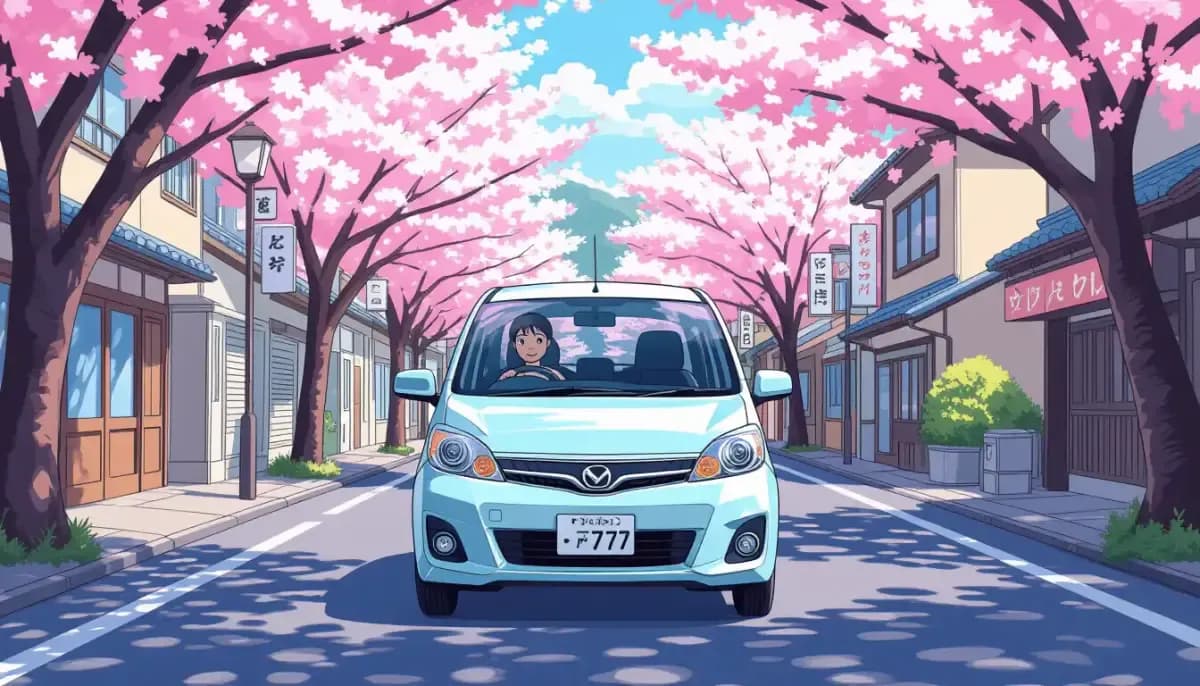
Best Cars for Foreigners Living in Japan
Discover the best cars for foreigners living in Japan, from kei cars like the Honda N-Box to electric options. Complete guide to buying, costs, and requirements for expats.
Read more →
Car Maintenance and Repair in Japan Guide
A complete guide to car maintenance and repair in Japan for foreigners. Learn about shaken inspections, costs, finding mechanics, seasonal care, and JAF membership.
Read more →
Getting a Motorcycle License in Japan as a Foreigner
Step-by-step guide for foreigners getting a motorcycle license in Japan. Learn about license types, driving camps, license conversion, costs, and requirements for expats.
Read more →
Japan Highway and Toll System Complete Guide
Everything foreigners need to know about Japan's highway toll system: ETC cards, toll rates, discounts, expressway passes, speed limits, and practical driving tips for expats and visitors.
Read more →
How to Sell a Car in Japan Complete Guide
Step-by-step guide to selling your car in Japan as a foreigner. Covers required documents, 4 selling methods, shaken tips, tax refunds, and how to get the best price.
Read more →
Renting a Car in Japan as a Foreign Driver
Everything foreigners need to know about renting a car in Japan: IDP requirements, which countries can drive, major rental companies, costs, road rules, and tips for first-time drivers.
Read more →