
International Schools in Japan Complete Guide and Costs

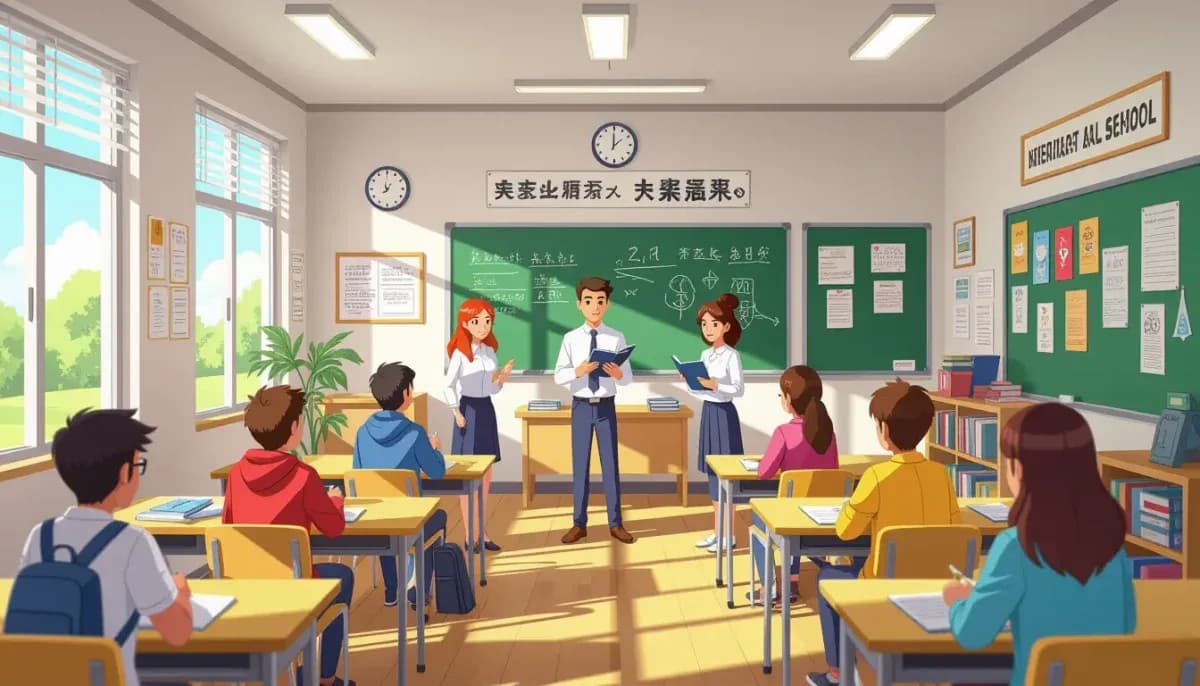
Complete guide to international schools in Japan for expat families. Learn about tuition costs (¥1.2M-¥5.5M/year), top schools in Tokyo and Osaka, application tips, and how to reduce fees with government subsidies.
International Schools in Japan: Complete Guide and Costs
If you're a foreigner raising children in Japan, one of the most important decisions you'll make is where to educate them. Japan has a world-class public education system, but many expat families opt for international schools to maintain continuity with their home country's curriculum, keep up English proficiency, or prepare children for universities abroad. This guide covers everything you need to know about international schools in Japan — from types and costs to application tips and financial assistance.
Whether you're planning a short-term posting or a long-term stay, understanding your options early will help you make the best choice for your family.
Types of International Schools in Japan
International schools in Japan offer a range of educational approaches and curricula. Most fall into one of the following categories:
American Curriculum Schools These schools follow a standard American K-12 framework, typically awarding a US high school diploma. They are common in major cities like Tokyo and Osaka and often cater to families from the US or those planning to return.
British Curriculum Schools Offering the British National Curriculum, GCSE, and A-Level qualifications, these schools are popular with UK families and those targeting UK universities.
International Baccalaureate (IB) Schools IB schools offer the globally recognized IB curriculum — Primary Years Programme (PYP), Middle Years Programme (MYP), and Diploma Programme (DP). The IB diploma is accepted by universities worldwide.
Bilingual and Other International Schools Some schools offer bilingual (Japanese-English) programs, or follow German, French, and other national curricula. These are ideal for families who want their children to maintain proficiency in both Japanese and their home language.
Tokyo alone has at least 60 international schools, making it the top city for expat education choices in Japan. The oldest international school in Japan — and in all of Asia — is Saint Maur International School in Yokohama, founded in 1872.
International School Tuition Fees: What to Expect
The cost of international education in Japan varies significantly depending on the school tier, location, and curriculum. Here is a breakdown by category:
| School Tier | Annual Tuition (Primary) | Annual Tuition (Secondary) |
|---|---|---|
| Budget (e.g., K. International, GIIS) | ¥1,200,000 – ¥2,200,000 | ¥1,500,000 – ¥2,800,000 |
| Mid-Range (e.g., British School Tokyo, Canadian Int'l) | ¥2,600,000 – ¥3,500,000 | ¥3,500,000 – ¥4,500,000 |
| Premium (e.g., American School in Japan) | ¥4,000,000 – ¥5,200,000 | ¥4,500,000 – ¥5,500,000+ |
Additional Costs to Budget For:
- Registration/Application Fees: ¥30,000 – ¥50,000
- Admission/Enrollment Fees: ¥500,000 – ¥1,800,000 (one-time)
- Learning Support Services: ¥400,000 – ¥1,200,000 per year
- Exam Fees (IGCSE, IB, A-Level): ¥300,000 – ¥800,000+ per session
- Transportation, School Trips, Uniforms, Supplies: Variable
If you're planning for a full 12-year education from elementary through high school, the total cost can range from ¥24,000,000 to ¥36,000,000 or more at premium schools.
Top International Schools in Japan by City
Tokyo
Tokyo offers the widest selection of international schools in Japan. Notable options include:
- American School in Japan (ASIJ) – One of the oldest and most prestigious, offering PK-12 American curriculum. Tuition: ¥4,000,000 – ¥5,200,000/year.
- British School in Tokyo – Offers the British National Curriculum and IB. Tuition: ¥2,800,000 – ¥4,000,000/year.
- Nishimachi International School – Bilingual Japanese-English education for grades K-9.
- Seisen International School – Catholic school offering IB curriculum for girls.
- St. Mary's International School – Catholic school for boys, offering American curriculum.
Osaka and Kobe
The Kansai region also has strong international school options:
- Osaka International School of Kwansei Gakuin – Offers PK-12 IB curriculum.
- Canadian Academy (Kobe) – Well-established school with IB and AP programs.
- Marist Brothers International School – Catholic school in Kobe with American curriculum.
Yokohama
- Saint Maur International School – The oldest international school in Japan (est. 1872), offering IB and US/UK qualifications.
- Yokohama International School (YIS) – IB world school with strong community ties.
Nagoya and Other Cities
Nagoya has a smaller selection of international schools, including Nagoya International School (NIS), which offers IB. Other cities like Fukuoka, Hiroshima, and Sapporo have limited options, so families in smaller cities may need to consider alternatives like distance learning or boarding schools.
Financial Assistance and Fee Reduction Options
International school fees in Japan are significant, but there are several ways to reduce the burden:
1. Early Childhood Education Subsidies Children ages 3 through kindergarten entry may qualify for Japan's free early childhood education program (幼児教育・保育の無償化), which covers a portion of tuition up to monthly caps.
2. Ichijo School Designation (一条校認定) International schools that receive this official designation from Japan's Ministry of Education (MEXT) are recognized as compulsory education institutions. Students attending these schools are treated the same as Japanese public school students for government support purposes. Schools like ASIJ and the British School in Tokyo hold this designation.
3. Private School Tuition Support Grants Internationally accredited high schools may qualify for government support grants for private schools, reducing annual tuition by up to ¥400,000 or more depending on household income.
4. Employer Sponsorship Many multinational companies and embassies include international school fees as part of their expat packages. If you're relocating to Japan for work, negotiate this before accepting your contract — it's one of the most valuable benefits you can receive.
5. Sibling Discounts Many international schools offer discounts for families enrolling multiple children, typically 10-20% off for the second child.
For a broader overview of family finances in Japan, see our guide on cost of living in Japan.
Admission Process: How to Apply
The application process for international schools in Japan typically follows these steps:
- Research and Visit Schools – Most schools host open days and campus tours. Visit multiple schools before deciding.
- Check Deadlines – Some schools have rolling admissions, while others have specific enrollment windows (often November-February for April entry, or January-March for August/September entry).
- Prepare Documents – You'll typically need the child's birth certificate, previous school records (transcripts), immunization records, and passport copies.
- Entrance Assessment – Many schools conduct academic assessments or interviews, especially for older students.
- Submit Application and Fees – Pay the application fee (¥30,000-¥50,000) when submitting.
- Wait for Admission Decision – Competitive schools may have waiting lists, especially in Tokyo.
- Pay Enrollment Fee – If accepted, you'll pay a one-time enrollment fee (¥500,000-¥1,800,000) to secure the place.
Pro Tip: Apply early, especially for top schools in Tokyo. Waiting lists at schools like ASIJ and the British School in Tokyo can be months or even years long.
International Schools vs. Japanese Public Schools
Some expat families choose to enroll their children in Japanese public schools instead of international schools. Here's how they compare:
| Factor | Japanese Public School | International School |
|---|---|---|
| Cost | Nearly free (¥0-¥10,000/month) | ¥100,000-¥450,000+/month |
| Language | Japanese | English (or other) |
| Curriculum | MEXT Japanese curriculum | American, British, IB, etc. |
| Social Integration | High — immersive Japanese experience | Expat community-focused |
| University Prep | Japanese universities | International universities |
| Flexibility for Expats | Low — language barrier for new arrivals | High — familiar environment |
For families staying in Japan long-term or whose children are young enough to adapt, Japanese public schools can be an excellent option. Children typically become fluent in Japanese within 1-2 years. However, for children who will return to their home country for university or are joining mid-schooling, international schools are usually the better choice.
You can find more information about navigating Japan's public school system in our raising children in Japan guide.
Living and Working in Japan as a Parent
Choosing the right school is just one part of raising children in Japan as a foreigner. There are many other factors to consider, from healthcare to housing. For comprehensive resources on working and living in Japan as an expat, check out Living in Nihon, which covers a wide range of topics for foreigners in Japan, including education and child-rearing.
If you're considering a career move to Japan, For Work in Japan offers valuable guidance on finding employment and understanding the expat family support landscape. Many employers in Japan — especially in the tech sector — offer international school support as part of relocation packages, and IT professionals can explore career change resources at IT転職 (Ittenshoku).
For detailed guidance on the financial side of raising children and planning their education costs in Japan, Japan Living Guide provides excellent breakdowns of tuition structures and available subsidies.
A comprehensive list of all K-12 international schools in Japan can also be found at Japan Remotely, which maintains an up-to-date directory organized by city and curriculum type.
Key Takeaways: Choosing an International School in Japan
- Budget early — international school tuition is one of the largest expat expenses, often ¥2-5 million per year per child.
- Apply as soon as possible — top schools have waiting lists, especially in Tokyo.
- Check for subsidies — Ichijo school designation and government grants can significantly reduce costs.
- Negotiate with your employer — school fee packages are a common expat benefit.
- Visit schools in person — every school has a different culture and community feel.
- Consider your timeline — if you're only in Japan for 1-2 years, continuity with your home curriculum is especially important.
Japan's international school landscape is diverse and well-developed, especially in Tokyo and the Kansai region. With careful planning and early research, you can find a school that fits your family's needs, budget, and educational goals.
For more on life in Japan as a foreigner, explore our guides on housing, healthcare, and daily life in Japan.

Originally from Vietnam, living in Japan for 16+ years. Graduated from Nagoya University, with 11 years of professional experience at Japanese and international companies. Sharing information about living in Japan for foreigners.
View Profile →Related Articles

Summer Activities and Programs for Kids in Japan
Complete guide to summer activities and programs for kids in Japan. Discover English camps, traditional festivals, water sports, theme parks, and indoor activities for expat families.
Read more →
Special Needs Education in Japan for Foreign Families
A complete guide to special needs education in Japan for foreign families. Learn about school types, support levels, enrollment process, international school options, and key resources for expat parents.
Read more →
Is Homeschooling Legal in Japan Guide for Foreigners
Is homeschooling legal in Japan for foreigners? Learn about the legal gray area, steps to homeschool your child, curriculum options, and support organizations for expat families in Japan.
Read more →
Japanese Education System Explained for Foreign Parents
A complete guide to Japan's education system for foreign parents. Learn about school types, enrollment steps, costs, language support, and tips for raising bilingual children in Japan.
Read more →
Dealing with Bullying Ijime in Japanese Schools
Learn how to recognize, report, and respond to ijime (bullying) in Japanese schools. A practical guide for foreign and expat parents in Japan, with key statistics and action steps.
Read more →
After School Activities and Juku in Japan for Kids
Complete guide to after-school activities (naraigoto) and juku cram schools in Japan for expat families. Learn about costs, enrollment, popular activities, and tips for foreign children.
Read more →