
Shaken Vehicle Inspection in Japan Complete Guide

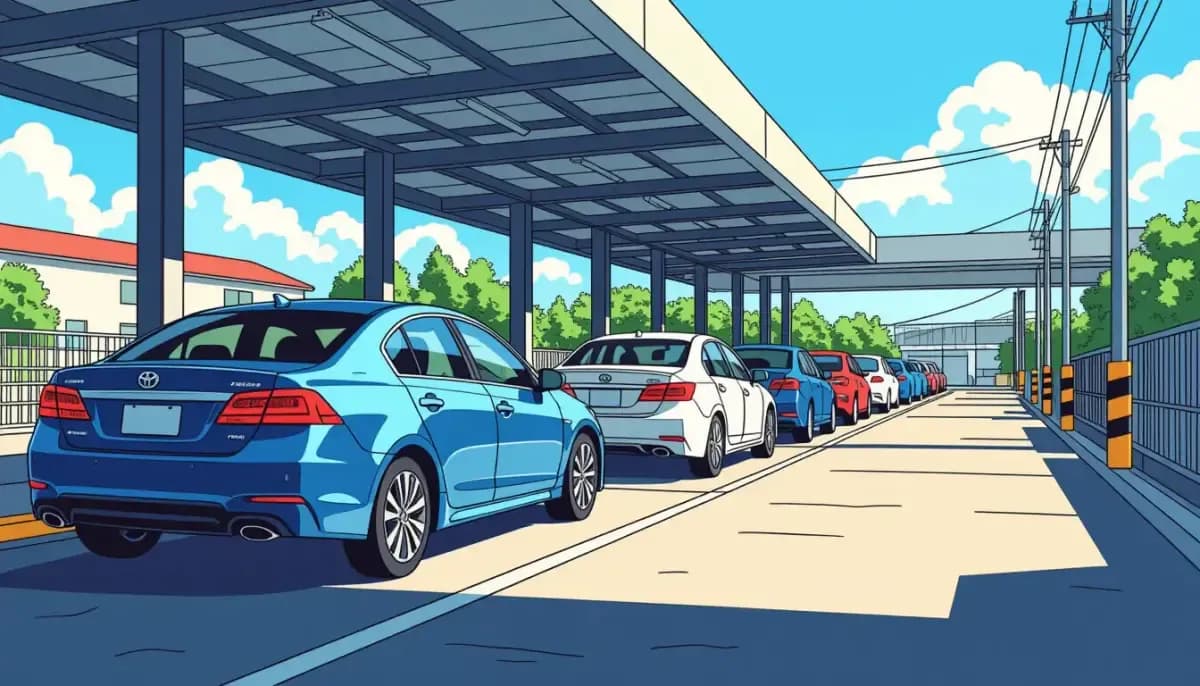
Everything foreigners need to know about Japan's mandatory shaken vehicle inspection: costs (¥60,000–¥200,000), process, DIY user shaken, required documents, and money-saving tips.
Shaken Vehicle Inspection in Japan: The Complete Guide for Foreigners
If you own a car in Japan, shaken (車検) is one of the most important — and often most expensive — obligations you'll face as a vehicle owner. Japan's mandatory vehicle inspection system ensures that all road vehicles meet strict safety and emissions standards. For foreigners living in Japan, navigating shaken can feel overwhelming, especially when you're dealing with Japanese paperwork and unfamiliar procedures. This comprehensive guide explains everything you need to know about shaken: what it is, how much it costs, where to get it done, and how to save money with the DIY "user shaken" option.
What is Shaken (車検)?
Shaken — short for Jidōsha Kensa Tōrokuseido (自動車検査登録制度) — is Japan's compulsory motor vehicle inspection and registration system, established in 1951. It's one of the most rigorous vehicle inspection systems in the world, and virtually every motorized vehicle over 250cc engine displacement must pass it.
The purpose of shaken is twofold: to verify that your vehicle is mechanically safe for the road, and to ensure it meets Japan's strict emissions regulations. Without a valid shaken certificate, you cannot legally drive your vehicle on public roads. Driving with an expired shaken certificate is a violation of the Road Transport Vehicle Act and results in significant penalties, including fines and potential imprisonment.
Shaken schedule:
- New vehicles: First inspection at 3 years after registration
- All subsequent inspections: Every 2 years
- Commercial vehicles (trucks, taxis, etc.): Annual inspection required
- Vehicles ≤250cc engine displacement: Exempt from shaken
Japan's shaken is far stricter than vehicle inspections in most other countries. It covers everything from brake performance and emissions to headlight alignment and the condition of windshield wipers. Many vehicles that would pass inspections in other countries fail shaken in Japan.
Shaken Costs: What to Expect
One of the biggest surprises for foreigners is just how expensive shaken can be. The total cost varies depending on your vehicle type, age, and condition — and where you choose to get the inspection done.
| Cost Component | Approximate Amount |
|---|---|
| Vehicle Weight Tax (軽自動車) | ¥6,600–¥12,300 |
| Vehicle Weight Tax (普通車, 1–1.5t) | ¥16,400–¥32,800 |
| Compulsory Liability Insurance (Jibaiseki Hoken) | ¥17,650–¥24,950 |
| Inspection Stamp Duty | ¥1,700 |
| Dealer/Shop Service Fee | ¥30,000–¥100,000+ |
| Parts & Repairs (if needed) | ¥0–¥100,000+ |
| Total (Dealer Shaken) | ¥60,000–¥200,000+ |
| Total (User Shaken / DIY) | ¥26,000–¥50,000 |
Dealer shaken at a car dealership or authorized repair shop typically costs between ¥100,000 and ¥200,000 for a standard passenger vehicle. Some high-end dealerships or older vehicles requiring extensive repairs can push costs over ¥400,000.
The good news: by doing "user shaken" (user 車検) — handling the inspection yourself at a government Transport Bureau — you can dramatically reduce your costs to just the mandatory fees, potentially saving tens of thousands of yen.
For more information on transportation costs in Japan, see our guide to Transportation in Japan for Foreigners.
Where to Get Shaken Done
There are several options for getting your shaken, each with different cost and convenience tradeoffs:
1. Car Dealerships (ディーラー) The most expensive option, but also the most convenient. The dealer handles all paperwork and arranges repairs. Best for newer vehicles still under warranty, or if you're not comfortable with Japanese bureaucracy.
2. Specialist Shaken Centers (車検専門店) Dedicated shaken shops like Yellow Hat, Autobacs, or local shaken centers offer faster turnaround (often same-day) at lower prices than dealerships. Many have English-speaking staff or multilingual support in major cities.
3. Gas Stations (ガソリンスタンド) Many full-service gas stations offer shaken as an add-on service. Prices are competitive, and they often include oil changes and basic maintenance in their packages.
4. Local Repair Shops (整備工場) Independent mechanics can conduct shaken at competitive prices. Quality varies, so it's worth getting recommendations from other expats or checking reviews.
5. User Shaken / DIY at Transport Bureau (ユーザー車検) The cheapest option. You drive your car directly to the government's Land Transport Bureau (陸運局) and go through the inspection yourself. You only pay the mandatory fees. This requires some Japanese ability or a bilingual companion, but first-timers get extra assistance.
For broader advice on daily life expenses, check out our Cost of Living in Japan Guide.
How to Do User Shaken (DIY Inspection)
User shaken is increasingly popular among cost-conscious car owners. Here's a step-by-step breakdown of the process:
Step 1: Check Your Vehicle Before heading to the Transport Bureau, do a thorough pre-inspection check. Test your headlights, brake lights, turn signals, wipers, and horn. Check tire tread depth (minimum 1.6mm required), tire pressure, and look for any visible damage or rust. Many shaken shops offer free pre-inspection checks.
Step 2: Prepare Your Documents You'll need:
- Current Vehicle Inspection Certificate (自動車検査証 / Shaken-shō) — the paper certificate in your vehicle
- Compulsory Automobile Liability Insurance Certificate (自賠責保険証明書 / Jibaiseki Hoken) — you must renew this before the inspection
- Automobile Tax Payment Certificate (自動車税納税証明書) — available from the prefecture or online if you've paid
- Three forms filled out at the Transport Bureau: Shaken application (継続検査申請書), Weight Tax payment form (自動車重量税納付書), and User Shaken declaration (点検整備記録簿)
Step 3: Make a Reservation Book your inspection slot online at yoyaku.naltec.go.jp up to 14 days in advance. Major cities have multiple lanes and morning/afternoon slots available. Arrive early — the process takes 1–2 hours for first-timers.
Step 4: Pay the Mandatory Fees At the Transport Bureau, pay the Vehicle Weight Tax using stamps purchased on-site, and present your new Jibaiseki Hoken certificate. Then complete and submit the application forms at the counter.
Step 5: Go Through the Inspection Lanes Drive your car through the inspection lanes. Inspectors will check:
- Exhaust emissions (carbon monoxide and hydrocarbon levels)
- Headlight alignment and brightness
- Brake performance (front and rear)
- Tire condition and tread depth
- Wheel alignment
- Suspension and undercarriage components
- Seat belts, mirrors, and safety equipment
- Horn and electrical systems
A light panel will indicate pass/fail at each station. If you fail a test, you can make minor adjustments on-site and retry in the same session at no extra cost.
Step 6: Collect Your New Certificate If you pass all tests, submit your documents at the final counter. You'll receive a new Vehicle Inspection Certificate and a windshield sticker showing your next inspection date. The whole process typically takes 1–2 hours.
Beginner's Tip: First-time user shaken participants receive a "beginner's card" (初心者マーク for shaken purposes), allowing them to request special guidance from inspectors at each station. Don't be afraid to ask for help!
For more resources on navigating Japanese bureaucracy, see our Daily Life in Japan Guide.
Key Documents Explained
Understanding the paperwork is crucial. Here's a breakdown of each required document:
| Document | Japanese Name | Where to Get It |
|---|---|---|
| Vehicle Inspection Certificate | 自動車検査証 (Shaken-shō) | Currently with your car |
| Compulsory Liability Insurance | 自賠責保険証明書 | Insurance company, dealer, or convenience store |
| Automobile Tax Certificate | 自動車税納税証明書 | Prefecture office or online (if paid electronically) |
| Weight Tax Form | 自動車重量税納付書 | Available at Transport Bureau |
| Application Form | 継続検査申請書 | Available at Transport Bureau |
Note: If you've been paying your automobile tax via bank transfer or online since 2023, the certificate can now be confirmed digitally — you may not need to bring a paper copy.
2025 Update: Extended Inspection Window
Starting April 2025, Japan extended the early inspection window for shaken renewals. You can now complete your shaken up to 2 months before the expiration date (previously only 1 month early) without losing any days from your new validity period.
This change was made to reduce the seasonal rush at inspection centers, particularly at the end of Japan's fiscal year (March–April), when demand spikes and appointment availability drops. Take advantage of this extended window to book your shaken at a quieter time.
Tips for Foreigners Getting Shaken
Start early. Begin researching your shaken options 2–3 months before your certificate expires, especially if your vehicle might need repairs.
Get multiple quotes. Shaken prices vary significantly between providers. Call 3–5 shops and ask for a mitumori (見積もり / estimate) before committing. Online comparison sites like Shaken Hikaku can help.
Understand what's included. Some shops bundle oil changes, brake inspections, and cleaning into their shaken price. Make sure you know exactly what you're paying for.
Check for English support. In major cities, many shaken centers and dealers cater to foreigners. Ask expat communities on Facebook or Reddit r/japanlife for local recommendations.
Consider the vehicle's age. Older vehicles (10+ years) often require more parts replacements, making dealer shaken much more expensive. For older cars, user shaken can save you a lot.
Don't skip the pre-inspection. Many shops offer free or low-cost pre-inspections (jizen seibiken) to check if your car will pass. This is especially valuable for older vehicles or cars you bought used.
For comprehensive guidance on owning a car in Japan, Living in Nihon's transportation guide covers getting a driver's license, buying a car, and other transportation topics. The team at For Work in Japan also has useful resources for expats managing practical aspects of life in Japan.
Shaken vs. Vehicle Inspections in Other Countries
Many foreigners are shocked by the cost and complexity of shaken compared to vehicle inspections in their home countries. Here's a quick comparison:
| Country | Inspection Name | Frequency | Avg. Cost |
|---|---|---|---|
| Japan | Shaken (車検) | Every 2 years | ¥60,000–¥200,000 |
| USA | Safety Inspection (varies by state) | Annual or biannual | $20–$100 |
| UK | MOT Test | Annual | £40–£60 |
| Germany | TÜV/HU | Every 2 years | €100–€200 |
| Australia | Pink Slip / Blue Slip | Annual | A$30–$60 |
Japan's shaken is significantly more expensive due to the comprehensive nature of the inspection and the high cost of parts and labor in Japan. However, the system ensures that Japanese roads have some of the lowest rates of vehicle-related accidents caused by mechanical failure in the world.
For more on the overall cost of living in Japan, see our Cost of Living Guide.
What Happens If Your Car Fails Shaken?
If your vehicle fails shaken, you have a few options:
Repair and Retest: The most common outcome. You'll need to have the failed components repaired and then return for re-inspection. If you're doing user shaken at the Transport Bureau, you can have repairs done at nearby shops and return the same day.
Temporary Permit (仮ナンバー): If your shaken expires while your car is being repaired, you can apply for a temporary driving permit at your municipal office. This allows you to legally drive the car to and from repair shops.
Scrap the Vehicle: If the repair costs exceed the value of the car, scrapping may be the most cost-effective option. Japan has a well-established vehicle recycling system, and you can often receive a small payment for your scrapped vehicle.
Sell the Vehicle: Some dealers buy vehicles with failing or expired shaken at a reduced price, handling the inspection themselves after the sale.
If you're unsure about what to do with a failing vehicle, resources like Ittenshoku and Tokyo Cheapo's shaken guide can provide additional perspectives on managing costs.
Final Thoughts
Shaken is an unavoidable part of car ownership in Japan, but with the right preparation, you can navigate the process smoothly and minimize costs. Whether you choose the convenience of a dealer shaken or the savings of user shaken, the key is to start planning early, gather your documents, and understand exactly what you're paying for.
For foreigners new to Japan, the process can seem daunting at first, but many expats find that doing user shaken at least once is a rewarding experience that gives real insight into Japanese automotive culture. And the savings are hard to argue with.
For more guides on living in Japan as a foreigner, explore our Daily Life in Japan Guide, Banking and Finance Guide, and Transportation Guide.
Have questions about shaken or tips from your own experience? The expat community on Reddit's r/japanlife and various Facebook groups for foreigners in Japan are great resources for getting local advice.

Originally from Vietnam, living in Japan for 16+ years. Graduated from Nagoya University, with 11 years of professional experience at Japanese and international companies. Sharing information about living in Japan for foreigners.
View Profile →Related Articles
Best Cars for Foreigners Living in Japan
Discover the best cars for foreigners living in Japan, from kei cars like the Honda N-Box to electric options. Complete guide to buying, costs, and requirements for expats.
Read more →
Car Maintenance and Repair in Japan Guide
A complete guide to car maintenance and repair in Japan for foreigners. Learn about shaken inspections, costs, finding mechanics, seasonal care, and JAF membership.
Read more →
Getting a Motorcycle License in Japan as a Foreigner
Step-by-step guide for foreigners getting a motorcycle license in Japan. Learn about license types, driving camps, license conversion, costs, and requirements for expats.
Read more →
Japan Highway and Toll System Complete Guide
Everything foreigners need to know about Japan's highway toll system: ETC cards, toll rates, discounts, expressway passes, speed limits, and practical driving tips for expats and visitors.
Read more →
How to Sell a Car in Japan Complete Guide
Step-by-step guide to selling your car in Japan as a foreigner. Covers required documents, 4 selling methods, shaken tips, tax refunds, and how to get the best price.
Read more →
Renting a Car in Japan as a Foreign Driver
Everything foreigners need to know about renting a car in Japan: IDP requirements, which countries can drive, major rental companies, costs, road rules, and tips for first-time drivers.
Read more →